
When the check engine light comes on and your car suddenly has reduced power, it can be a stressful situation. Maybe you’re driving on the highway and notice the car is not accelerating as usual, or you feel the engine is not responding. This combination of warning light and power loss is a clear sign something is wrong. But what does it really mean, and what should you do next? Understanding the causes and solutions can help you stay safe and avoid bigger problems.
This article explains why the check engine light and reduced power message often appear together, what might be causing the issue, how you should respond, and what steps you can take to prevent this problem in the future. Whether you’re a new driver or have years of experience, you’ll find clear answers and practical guidance here.
What Does “check Engine Light Reduced Power” Mean?
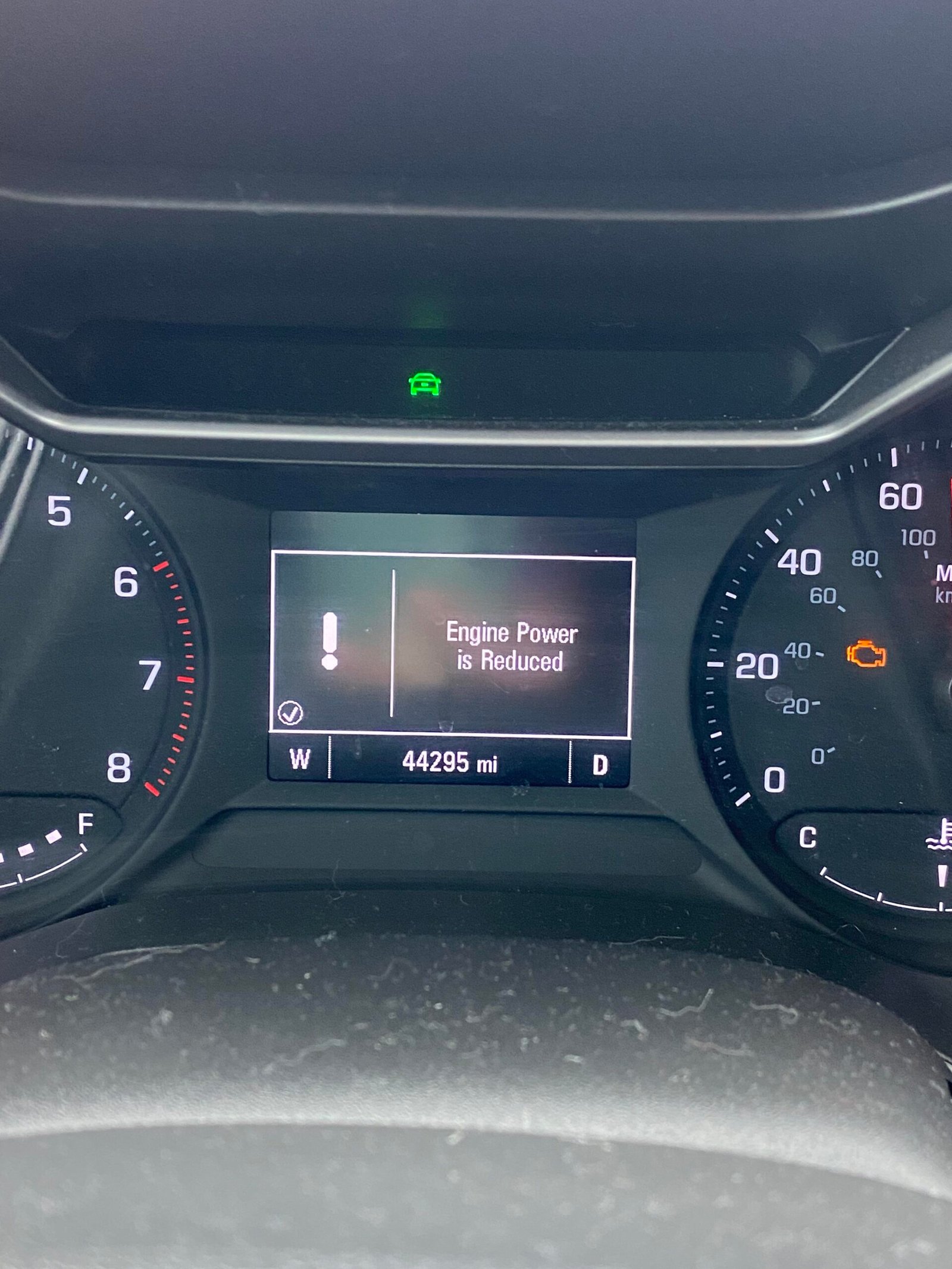
When you see the check engine light along with a reduced power warning, it means your car’s computer (ECU) has detected a problem that could damage the engine or other parts. To protect the vehicle, the ECU limits the engine’s power so you can drive to a repair shop without making things worse.
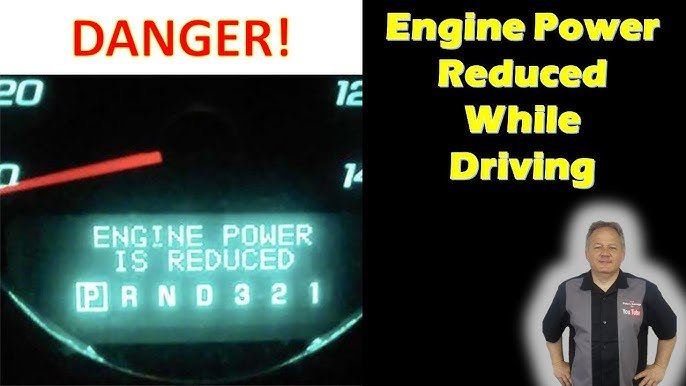
Some cars show a “Reduced Power” message, while others call it “Limp Mode. ” This does not mean your car will stop completely, but you may only be able to drive slowly, and acceleration will be weak. Usually, this is a safety feature so you can still reach help.
Why Does The Car Go Into Reduced Power Mode?
The reduced power mode is designed to prevent further damage if the engine or transmission has a serious fault. For example, if a sensor fails and the computer cannot control the engine correctly, it limits power to avoid overheating, misfiring, or damaging internal parts.
It’s important not to ignore these warnings. Driving long distances in this condition can make repairs more expensive and risk complete breakdown.
Common Causes Of Check Engine Light With Reduced Power
Several issues can trigger both the check engine light and reduced power. Here are the most common causes:
1. Throttle Body Problems
Modern cars use electronic throttle control. If the throttle body gets dirty or fails, the engine cannot get enough air, causing reduced power.
2. Faulty Sensors
Critical sensors like the mass airflow sensor (MAF), throttle position sensor (TPS), or accelerator pedal sensor tell the computer how much air, fuel, and throttle is needed. If these fail, the system limits power for safety.
3. Engine Misfire
A misfire means one or more cylinders are not working right. This can damage the catalytic converter, so the car reduces power to protect it.
4. Transmission Issues
Problems with the transmission control module or gears can also cause reduced power, especially if shifting becomes difficult.
5. Wiring Or Connector Faults
Damaged wiring or loose connectors can interrupt signals between the engine and the computer, triggering safety mode.
6. Turbocharger Or Supercharger Problems
If your car has a turbo or supercharger, a problem here can cause the computer to cut power to prevent damage.
7. Low Fuel Pressure
A failing fuel pump or clogged fuel filter can cause low pressure, making the engine run poorly and triggering reduced power.
8. Overheating
If the engine or transmission overheats, the computer will limit power to help cool things down.
These are just some of the main causes. Sometimes, even a simple issue like a loose gas cap can cause the check engine light, but reduced power usually means a more serious problem.
What To Do When Check Engine Light And Reduced Power Appear
If both warnings come on while driving, here’s what you should do:
1. Stay Calm And Avoid Panic
Your car should still move, just more slowly. Do not try to push it to full speed.
2. Find A Safe Place To Stop
Pull over when it’s safe. If you’re on a busy road, use your hazard lights.
3. Turn Off The Engine
Wait a few minutes. Sometimes, restarting can clear temporary faults, but if the problem is serious, the warnings will return.
4. Check For Obvious Problems
Look for signs like smoke, strange smells, or fluids leaking. If you see these, call for a tow.
5. Read The Error Codes
If you have a code reader (OBD-II scanner), plug it in and check for error codes. This can point you to the problem.
6. Drive Carefully To A Mechanic
If the car drives okay, go directly to a repair shop. If it still feels weak, call for roadside help.
Driving with reduced power is risky, especially on highways or busy streets. It’s always safer to get professional help quickly.
Diagnosing The Problem: How Mechanics Find The Cause
A professional mechanic will use special tools and step-by-step checks to find out why your car entered reduced power mode. Here’s how the process usually works:
Step 1: Code Reading
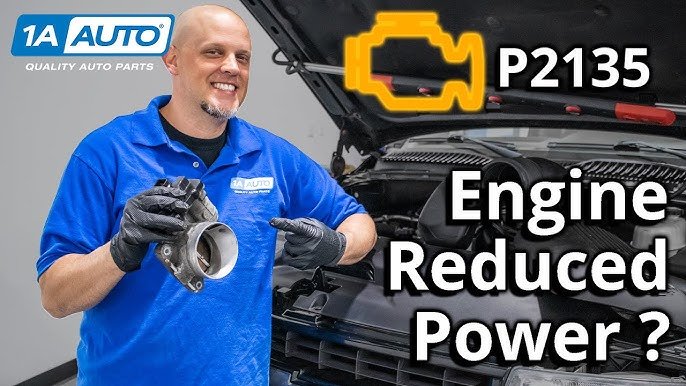
The first step is to connect an OBD-II scanner to your car. This device reads error codes stored in the computer. These codes give clues, like “P2135 Throttle/Pedal Position Sensor/Switch A/B Voltage Correlation.” According to the U.S. Environmental Protection Agency, vehicle emissions standards and onboard diagnostic systems are designed to identify problems that can increase pollution.
Step 2: Visual Inspection
Mechanics check for obvious problems: broken wires, loose hoses, or dirty sensors. Sometimes a simple fix, like reconnecting a plug, solves the issue.
Step 3: Testing Sensors And Components
If the code points to a sensor or part, the mechanic tests it with a multimeter or other tools. For example, a failed mass airflow sensor can be confirmed by measuring voltage or swapping in a known good sensor.
Step 4: Checking For Software Issues
Some cars need software updates or resets after repairs. Mechanics may reprogram the ECU or clear codes after fixing the problem.
Step 5: Road Test
After repairs, the car is tested to make sure reduced power mode does not return.
This process helps avoid replacing the wrong parts and wasting money.
Most Common Repairs And Costs
Below is a comparison of typical repairs for check engine light and reduced power problems, with average costs (these can vary by location and car model):
| Repair Type | Average Cost (USD) | Repair Time |
|---|---|---|
| Throttle Body Replacement | $300–$700 | 1–2 hours |
| MAF Sensor Replacement | $100–$300 | 30–60 minutes |
| Fuel Pump Replacement | $400–$900 | 2–4 hours |
| Spark Plug/Coil Replacement | $100–$350 | 1 hour |
| Wiring Repair | $50–$250 | 30 min–2 hours |
Labor costs are often a big part of the total. Some repairs are quick and simple, while others need more time and skill.
How To Prevent Reduced Power Problems
Regular maintenance is the best way to avoid reduced power issues. Here’s what you can do:
1. Keep Sensors Clean
Dirt and oil can build up on the throttle body and MAF sensor. Clean these parts every 20,000–30,000 miles or as recommended.
2. Check Wiring And Connectors
Inspect for loose or corroded connectors during routine servicing.
3. Replace Filters On Time
A clogged fuel or air filter can cause poor performance. Change them as suggested in your owner’s manual.
4. Watch For Warning Signs
If you notice weak acceleration, rough idle, or poor fuel economy, get your car checked before the problem gets worse.
5. Update Software
Some car makers release software updates to fix bugs that can cause these warnings. Ask your dealer if updates are available.
Many drivers forget that small issues, like a dirty sensor or old spark plugs, can lead to bigger problems. Taking care of your car before things go wrong saves money and stress.
Credit: www.reddit.com
Differences By Car Make And Model
Not all cars react the same way when there’s a problem. For example, General Motors (GM) vehicles are known for showing a “Reduced Engine Power” message, while Japanese brands like Toyota or Honda may only show the check engine light.
Here’s a quick overview comparing how different brands handle this:
| Brand | Common Warning Message | Typical Causes |
|---|---|---|
| GM (Chevrolet, GMC, etc.) | Reduced Engine Power | Throttle body, pedal sensor, wiring faults |
| Toyota | Check Engine Light | MAF, misfire, sensor issues |
| Ford | Engine Power Reduced | Throttle body, turbo, fuel pressure |
| Honda | Check Engine Light | MAF, misfire, throttle sensor |
Some European cars even display a “Limp Home Mode. ” Knowing what your car usually shows can help you respond faster.
Non-obvious Insights Drivers Miss
Many people think the check engine light always means a major engine problem, but sometimes it’s a sensor or even a software glitch. Here are two important things beginners often miss:
- Battery Voltage Matters:
Low battery voltage can cause false sensor readings and trigger both the check engine light and reduced power. If your car’s battery is old or weak, replacing it can sometimes fix the problem instantly.
- Aftermarket Parts Can Cause Issues:
Installing non-original sensors, throttle bodies, or even cheap air filters can confuse the ECU. Always use parts recommended for your car’s make and model.
Taking these extra factors into account can save you time and prevent repeated issues.
Credit: www.youtube.com
Can You Drive With Check Engine Light And Reduced Power?
It’s possible to drive a short distance, but only to reach a repair shop. The reduced power mode is meant for emergencies—not normal driving. If you keep driving, you risk damaging the engine, transmission, or catalytic converter.
If the car won’t accelerate above idle speed, or if you hear strange noises, stop driving and get towed. It’s not worth the risk of being stranded or causing a bigger repair bill.
When To Seek Professional Help
Not every car owner has the tools or skills to fix these problems. If you’re not sure what’s wrong, or if the car enters reduced power mode more than once, get professional help. Mechanics can read the codes, test parts, and make sure the problem is really solved.
You can find more about check engine light meanings and solutions at the Wikipedia: Check Engine Light page.
Credit: www.youtube.com
Frequently Asked Questions
What Is Limp Mode, And Is It The Same As Reduced Power?
Limp mode is a safety feature where your car limits engine power to prevent damage. It often feels like reduced power—slow acceleration and low top speed. The terms are sometimes used differently by car brands, but both mean your car is protecting itself due to a detected problem.
Can A Bad Alternator Cause The Check Engine Light And Reduced Power?
Yes. A bad alternator can lower the voltage in your car, causing sensors and the ECU to malfunction. This may trigger both the check engine light and reduced power warnings. If you also notice dim lights or a dead battery, have the charging system checked.
Will Disconnecting The Battery Reset The Reduced Power Mode?
Disconnecting the battery for a few minutes can sometimes clear temporary codes, but it will not fix the real problem if a part is failing. The warning will usually return once you drive again. It’s better to find and repair the cause.
How Much Does It Cost To Fix Reduced Power Mode?
The cost depends on the problem. Simple fixes like cleaning a sensor might be under $100, while replacing a throttle body or fuel pump can be $300–$900 or more. Getting a diagnosis first helps avoid unnecessary repairs.
Can I Check The Codes Myself At Home?
Yes, if you have an OBD-II scanner (these cost $20–$100), you can read the codes yourself. This can help you understand the problem before visiting a mechanic.
If you act quickly and follow the advice above, you can handle the check engine light reduced power issue with less stress and lower costs. Take warning lights seriously, keep up with maintenance, and ask for help when needed—your car will thank you.