
When you see the check engine light turn on, it can feel stressful and confusing. Many drivers worry about what’s wrong with their car, how serious the issue is, and how much it might cost to fix. One of the most common reasons for the check engine light is trouble with the spark plugs. Spark plugs are small parts, but they play a big role in how your engine runs. When they start to fail, your car can show warning signs—including that dreaded dashboard light.
In this article, you’ll learn how spark plugs and the check engine light are connected, what symptoms to watch for, and what steps to take if you suspect a problem. You’ll also find out how spark plugs work, why they go bad, and the best ways to keep them in good shape. By the end, you’ll have practical knowledge to handle this common car problem confidently.
Understanding The Check Engine Light
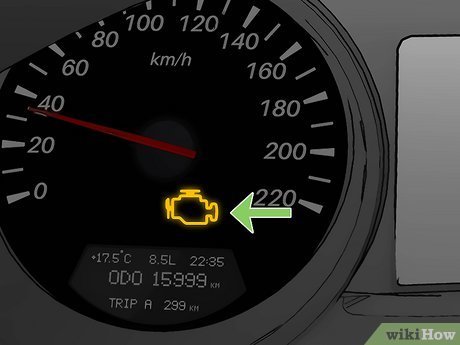
The check engine light is part of your car’s onboard diagnostic system (OBD). It’s a signal from the engine computer that something isn’t right. When the light comes on, the computer stores a code that helps mechanics find the issue. These codes can point to many different problems, from a loose gas cap to a serious engine fault.
For spark plugs, the check engine light usually means the engine isn’t firing correctly. The computer detects a misfire or a problem with how the fuel and air are burning in the engine. This can lead to poor performance, more emissions, and even engine damage if left unfixed.
What Are Spark Plugs And What Do They Do?
Spark plugs are small devices screwed into the engine’s cylinders. Their job is simple but critical: they create a spark that ignites the mix of fuel and air in the engine. This tiny explosion pushes the piston and keeps your car running.
Without working spark plugs, the engine can’t start or run smoothly. Bad spark plugs mean the fuel doesn’t burn well, causing problems like shaking, slow acceleration, and even stalling. In modern cars, one bad spark plug can affect the whole engine.
Credit: www.wikihow.com
Common Symptoms Of Bad Spark Plugs
Knowing the signs of bad spark plugs can save you time and money. Here are the most common symptoms:
- Check engine light: The most obvious sign. Often triggered by misfires.
- Rough idling: The engine shakes or vibrates when stopped.
- Poor acceleration: The car feels slow or unresponsive.
- Hard starts: The engine takes longer to start, or won’t start at all.
- Lower gas mileage: More fuel is used than normal.
- Engine misfires: A popping or stumbling feeling as you drive.
- Engine surging or hesitation: The car speeds up and slows down by itself.
Some of these problems can be caused by other issues, so it’s important to check the spark plugs first when the check engine light comes on.
How Spark Plug Problems Trigger The Check Engine Light
Modern engines use sensors to monitor everything. If a spark plug isn’t working, the engine computer notices right away. Here’s how it happens:
- The spark plug fails to ignite the fuel-air mix.
- The engine “misfires”—one cylinder doesn’t do its job.
- Sensors detect the misfire and report it to the computer.
- The check engine light comes on, and a trouble code is stored.
A common code for spark plug issues is P0300 (random misfires) or P0301 to P0308 (misfire in cylinder 1 to 8). Reading these codes with a scan tool can quickly point you to the problem.
Diagnosing Spark Plug Issues
If your check engine light is on, it’s important not to guess. Here’s how to check if the spark plugs are the cause:
- Scan for codes: Use an OBD-II scanner to read the trouble codes from your car’s computer.
- Inspect the plugs: Remove the spark plugs and look for wear, oil, carbon, or damage.
- Check for other issues: Sometimes, problems with the ignition coil, wires, or fuel system can cause similar symptoms.
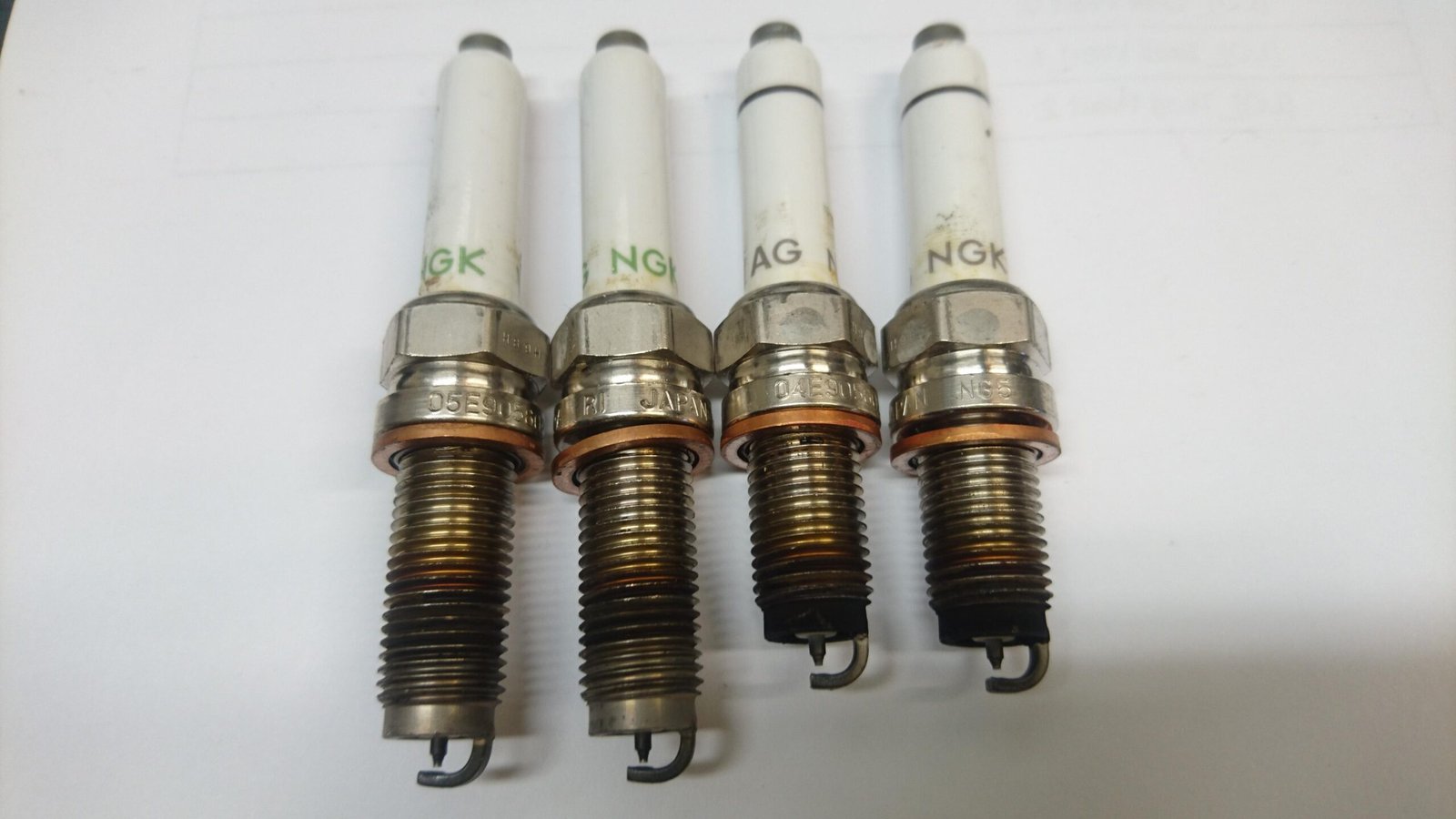
- Compare appearance: Healthy spark plugs look clean and slightly tan. Bad ones may be black, oily, or have broken tips.
Below is a comparison of healthy vs. faulty spark plugs:
| Condition | Appearance | Likely Cause |
|---|---|---|
| Good | Light tan, dry, no damage | Normal use |
| Carbon Fouled | Black, sooty, dry | Too much fuel, weak spark |
| Oil Fouled | Wet, oily coating | Oil leak, worn piston rings |
| Burned | White, blistered, eroded tip | Overheating, incorrect plug |
| Worn | Rounded electrodes, large gap | Old age, high mileage |
Why Spark Plugs Go Bad
Spark plugs are built to last, but they don’t last forever. Several things can cause them to fail:
- Age and mileage: Most spark plugs last 30,000 to 100,000 miles, depending on the type.
- Wrong type: Using the wrong spark plugs can cause poor performance and early failure.
- Engine problems: Oil leaks, overheating, or a rich fuel mix can damage spark plugs.
- Poor maintenance: Skipping oil changes or air filter replacements can lead to dirty plugs.
It’s important to use the right spark plugs for your engine and change them at the recommended intervals.
How To Fix Spark Plug Problems
If you find that the spark plugs are causing the check engine light, you have a few options:
- Replace the spark plugs: This is often a simple and affordable fix.
- Check other parts: Sometimes, the ignition coils or wires are also bad and need replacing.
- Clear the codes: After fixing the problem, use a scanner to reset the check engine light.
- Test drive: Drive your car to make sure the light stays off and the engine runs smoothly.
Here is a quick overview of the steps to replace spark plugs:
| Step | Description | Tips |
|---|---|---|
| 1 | Let engine cool | Never remove plugs on a hot engine |
| 2 | Remove ignition wires/coils | Mark order to avoid mistakes |
| 3 | Remove old spark plugs | Use the correct socket |
| 4 | Check gaps on new plugs | Adjust with a gapping tool if needed |
| 5 | Install new plugs by hand | Don’t overtighten |
| 6 | Reconnect wires/coils | Double check connections |
Preventing Future Spark Plug Issues
Regular care can keep your spark plugs and engine healthy. Here are practical tips to avoid problems:
- Replace on schedule: Follow your owner’s manual for change intervals.
- Use the right parts: Always use spark plugs designed for your car.
- Keep engine healthy: Fix oil leaks, replace filters, and keep fuel and air systems clean.
- Listen to your car: Don’t ignore misfires, rough running, or the check engine light.
A little prevention goes a long way. Checking and replacing spark plugs costs far less than fixing a damaged engine.
Cost Of Spark Plug Replacement
Many people worry about the price when the check engine light comes on. The good news is that spark plug replacement is usually affordable. Here’s a general cost comparison:
| Vehicle Type | DIY Cost (Parts Only) | Professional Cost | Replacement Interval (Miles) |
|---|---|---|---|
| Small car (4-cylinder) | $15–$40 | $80–$150 | 30,000–60,000 |
| V6/V8 engine | $30–$80 | $160–$300 | 60,000–100,000 |
| Luxury/Performance car | $40–$100 | $250–$500 | 60,000–100,000 |
DIY replacement saves money, but only if you’re comfortable working on engines. Some cars place spark plugs deep inside the engine, making the job harder.
Non-obvious Insights About Spark Plug And Check Engine Light Issues
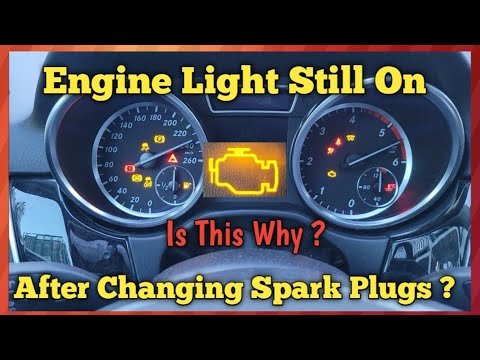
Many drivers believe the check engine light only means something major is wrong. In reality, even a single worn spark plug can cause the light to come on. Ignoring this warning, even if the car still runs, can lead to bigger repairs—like a failed catalytic converter.
Another common mistake is thinking all spark plugs are the same. There are different types—copper, platinum, iridium—and using the wrong one can shorten life or cause misfires. Always check your owner’s manual or ask a trusted mechanic.
Credit: www.youtube.com
When To See A Mechanic
While some spark plug changes are simple, others require special tools or skills. If you notice strong fuel smells, smoke, or the engine runs very rough, it’s best to see a mechanic right away. Some check engine light issues can signal multiple problems, not just spark plugs.
A professional can also check for related issues—like faulty ignition coils or sensors—that might be missed in a DIY inspection.
Environmental Impact Of Bad Spark Plugs
Worn spark plugs don’t just hurt your engine—they also harm the environment. Misfires cause more unburned fuel to enter the exhaust, raising emissions. This can make your car fail a smog test and pollute the air more than necessary.
Regular maintenance keeps your car running clean and efficient, which is better for your wallet and the planet. For more about emissions and vehicle maintenance, see this EPA guide.
Credit: www.reddit.com
Frequently Asked Questions
What Does The Check Engine Light Mean For Spark Plugs?
The check engine light often means the engine computer found a misfire, which can be caused by bad spark plugs. It’s a warning to check your spark plugs, ignition coils, and related parts for problems.
Can I Drive With The Check Engine Light On If It’s Spark Plugs?
You can drive for a short time, but it’s not a good idea to ignore the problem. Bad spark plugs can cause more damage, poor gas mileage, and higher emissions. Fix the issue as soon as possible.
How Often Should Spark Plugs Be Replaced?
It depends on the type and your car model. Most standard spark plugs last 30,000 to 50,000 miles. Iridium or platinum plugs can last up to 100,000 miles. Always follow your owner’s manual.
Will Replacing Spark Plugs Turn Off The Check Engine Light?
Replacing bad spark plugs usually solves the problem, but you may need to clear the codes with a scanner or drive a few miles for the computer to reset. If the light stays on, check for other issues.
Can I Change Spark Plugs Myself?
Many people can replace spark plugs with basic tools, but some engines are harder to work on. If you’re unsure or the plugs are hard to reach, it’s safer to ask a mechanic.
Handling a check engine light linked to spark plugs doesn’t have to be stressful. With good information and a little care, you can keep your car running smoothly and avoid expensive repairs. Remember, a small part like a spark plug can make a big difference for your engine’s health.
