
When your car’s check engine light stays on after a repair, it can be frustrating and confusing. You’ve spent time and money to fix the problem, yet the dashboard warning just won’t go away. Many drivers wonder if this means the mechanic missed something, or if there’s a new issue. Understanding why the light remains on, what you should do next, and how to avoid future problems is essential for both your wallet and your peace of mind.
This article will guide you through the possible reasons your check engine light won’t turn off after a repair. You’ll learn what steps to take, how to avoid common mistakes, and when to seek help from a professional. We’ll also address some important questions that car owners often ask in this situation.
Why The Check Engine Light Matters
The check engine light is a key part of your car’s On-Board Diagnostics (OBD) system. It warns you when something in the engine, transmission, or emissions system needs attention. Sometimes, the problem is minor, like a loose gas cap. Other times, it can signal a serious issue that may damage the car if ignored.
Ignoring the light, even after a repair, can lead to more expensive problems. For example, a small exhaust leak can eventually harm the catalytic converter, which costs thousands of dollars to replace. That’s why it’s important to understand and address the root cause.
Common Reasons The Check Engine Light Stays On After Repair
After fixing a problem, you expect the light to go off. But sometimes it stays on. Here are the most common reasons why:
1. Codes Not Cleared Properly
Many repairs require the mechanic or driver to clear the error code from the car’s computer. If this step is skipped, the light can stay on even though the issue is fixed.
2. Unresolved Or Secondary Issues
Sometimes, the initial problem is fixed, but another related issue remains. For example, replacing a faulty oxygen sensor may help, but if the catalytic converter is also damaged, the light will come back.
3. Loose Or Damaged Gas Cap
A gas cap that isn’t tightened correctly can trigger the light. This is a frequent cause, especially after fueling up.
4. Faulty Sensors Or Wiring
Sensors themselves can be faulty, or their wiring can be damaged. Even after replacing a part, a bad connection may keep the light on.
5. Readiness Monitors Not Set
Your car runs self-tests called readiness monitors. If you clear codes or disconnect the battery, the monitors reset. The light may stay on until the car completes these tests, which can take several driving cycles.
6. Low-quality Or Incorrect Parts
Using cheap or wrong parts can cause ongoing issues. For example, a low-quality oxygen sensor may not work as well as an original one.
7. Software Or Computer Glitches
Sometimes, the car’s computer needs a software update or reset. Rare glitches can cause the light to stay on even when everything is fixed.
8. Evaporative Emission System Leaks
Small leaks in the EVAP system can be hard to spot. Even after repair, a tiny leak or a missed hose can keep the light on.
9. Failed Emissions-related Components
Parts like the EGR valve or charcoal canister may fail after a related repair. These can trigger the light without obvious symptoms.
10. Battery Issues
If the battery is weak or was disconnected during repair, it can cause sensor errors and keep the light on until the system resets.
Credit: www.familyhandyman.com
What To Do First When The Check Engine Light Won’t Turn Off
If you’ve just repaired your car and the check engine light is still on, follow these steps:
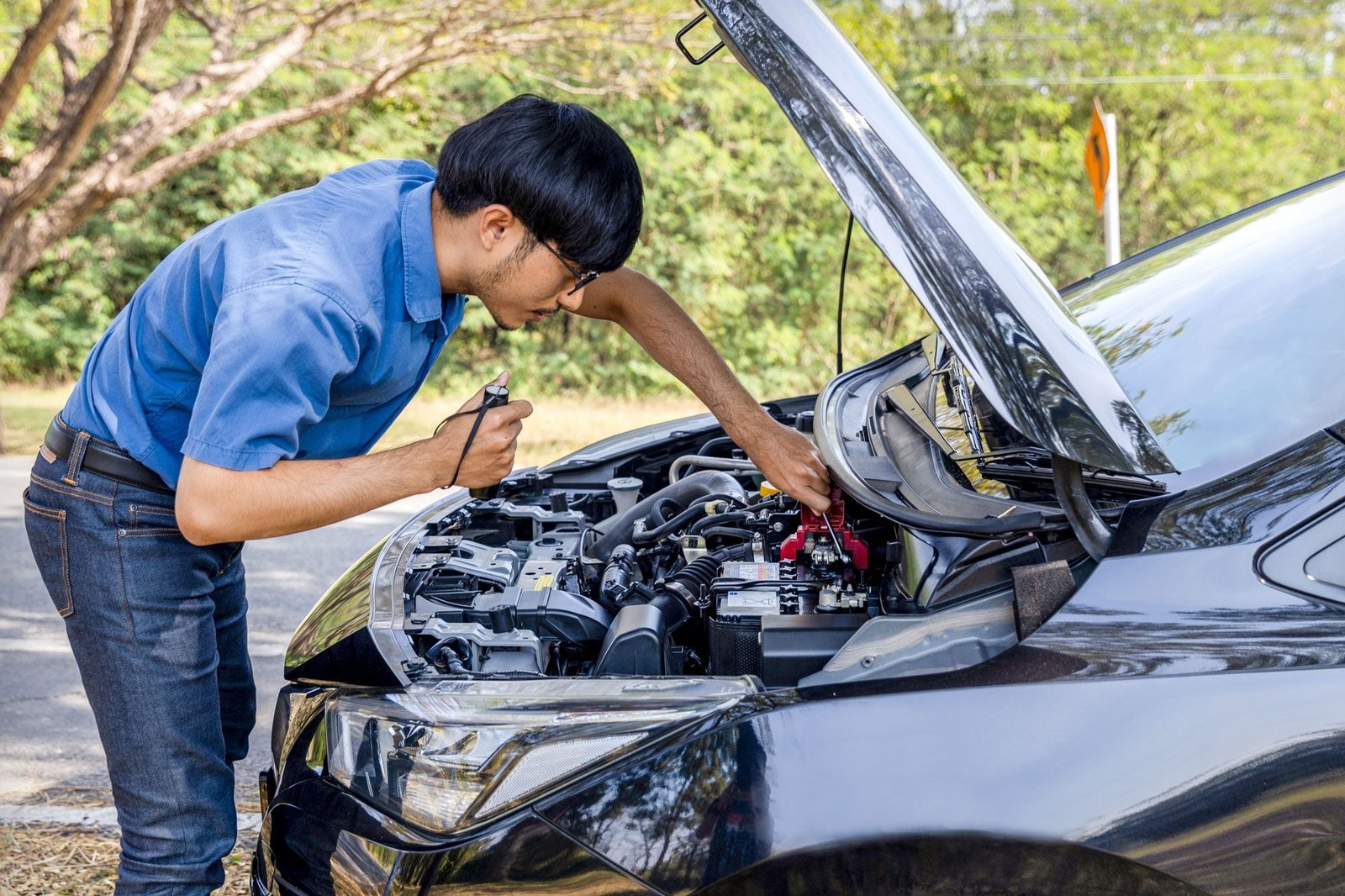
1. Double-check The Repair
Make sure all parts were installed correctly and all connectors are plugged in. Even professionals can miss a simple step.
2. Clear The Codes
Use an OBD-II scanner to clear the error codes. Sometimes, the light just needs a reset. If you don’t have a scanner, many auto parts stores will do this for free.
3. Drive The Car
After clearing codes, drive for a few days. The car’s computer needs time to check all systems and reset the light if the repair worked.
4. Check For New Codes
If the light comes back, scan for new codes. This may point to a different or related problem.
5. Inspect The Gas Cap
Make sure the gas cap is tight and not cracked. If you recently fueled up, this is often the cause.
6. Avoid Disconnecting The Battery
While disconnecting the battery can reset the light, it also erases important data. It’s better to use a scanner.
7. Monitor Symptoms
Notice if the car drives differently. New noises, rough idling, or poor performance may signal another problem.
How Mechanics Diagnose A Persistent Check Engine Light
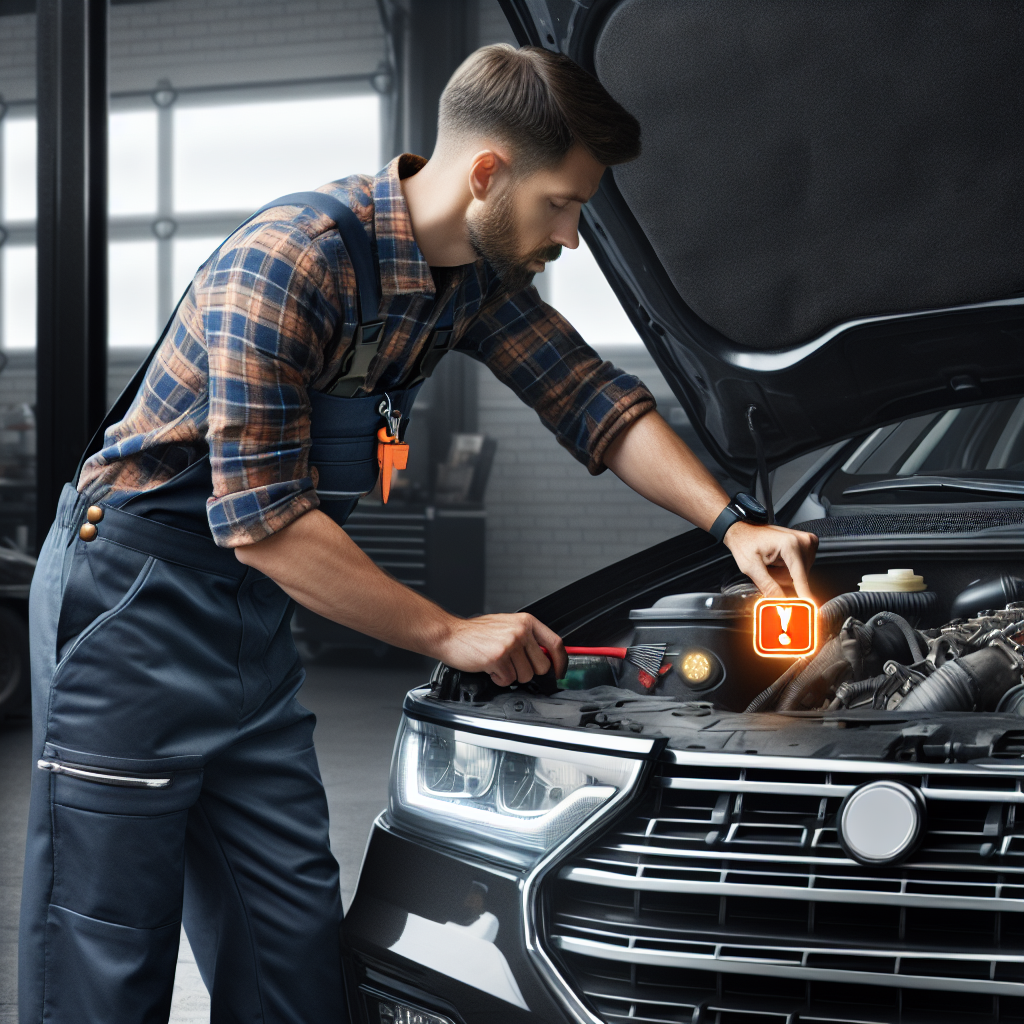
Professional mechanics use a step-by-step approach to diagnose a stubborn light. Here’s how they usually proceed:
- Scan for Codes: They use advanced scanners to read current and stored codes.
- Visual Inspection: They check for obvious problems—loose wires, damaged hoses, or leaking fluids.
- Test Components: Sensors, valves, and other parts are tested with special tools.
- Check Recent Repairs: Mechanics review what was recently fixed to see if something was missed.
- Drive Cycle Tests: They may drive the car to help the computer complete its readiness checks.
These steps help narrow down the cause, even if the problem is complex. For example, a car with a new oxygen sensor but a recurring code may have a deeper exhaust issue.
Credit: thelandautorepair.com
When To Return To The Mechanic
Not every check engine light needs a trip back to the shop. But you should return if:
- The light flashes (this means a serious misfire that can damage the engine)
- The car runs poorly or stalls
- The same problem code appears after clearing
- You hear new noises, smell fuel, or notice smoke
If you had a repair done at a shop, most will re-check their work for free if you return soon after the visit.
Examples Of Real-world Situations
Sometimes, a simple mistake keeps the light on. For example:
- A driver replaced a mass air flow sensor, but didn’t reconnect the air intake tube tightly. This caused a vacuum leak and the light stayed on.
- Another car owner installed an aftermarket catalytic converter to save money, but it wasn’t compatible with their car’s computer. The light returned immediately.
- In some cases, a mechanic fixed the main issue, but a hidden crack in a vacuum hose kept triggering the warning.
These examples show how even small details matter when fixing and diagnosing engine warnings.
Credit: www.mangoautomotive.com
How To Avoid Future Check Engine Light Problems
A bit of planning and care can reduce the chance of the light staying on after a repair:
- Use Quality Parts: Always choose parts that meet or exceed your car’s original standards.
- Follow Repair Instructions: Take time to read and understand each step, or work with a trusted mechanic.
- Regular Maintenance: Keep up with oil changes, air filter replacements, and other routine care.
- Check for Recalls or Software Updates: Some problems are fixed by free updates from the dealer.
- Don’t Ignore Small Issues: Address small warnings or changes in performance early, before they become bigger problems.
Comparing Common Causes And How To Fix Them
Here’s a quick comparison to help you identify the likely cause and what to do:
| Cause | How to Identify | Recommended Action |
|---|---|---|
| Codes not cleared | Light stays on after repair, no new symptoms | Clear codes with OBD-II scanner |
| Loose gas cap | Light after refueling | Tighten/replace gas cap |
| Faulty part or sensor | Code returns for same part | Test/replace sensor or wiring |
| Secondary issue | New or different code appears | Diagnose and repair new issue |
Diy Vs. Professional Help: Which Is Best?
You might wonder if you should try to fix the light yourself or go back to the shop. Here’s a comparison of when each option makes sense:
| Situation | DIY Approach | When to See a Mechanic |
|---|---|---|
| Simple issues (gas cap, battery reset) | Safe for most drivers to check | If light returns or you’re unsure |
| Sensor or wiring problems | If you have tools and experience | If symptoms or codes are unclear |
| Complex or recurring issues | Not recommended | Professional diagnosis needed |
Non-obvious Insights Car Owners Miss
Many beginners believe that fixing the first code will always solve the light. In reality, multiple codes can be present at the same time, and some only appear after the first problem is fixed. Also, some cars require a specific drive cycle—a series of driving conditions—to reset the readiness monitors and turn off the light. This often involves a mix of city and highway driving, and can take up to a week.
Another detail: Some mechanics use “universal” parts to save money, but not all are compatible with your car’s electronics. Always ask if the replacement matches your car’s original equipment specifications.
Useful Tools For Check Engine Light Diagnosis
If you want to handle simple issues at home, these tools help:
- OBD-II Scanner: Plugs into your car and reads trouble codes.
- Service Manual: Shows the correct way to test and replace parts.
- Smartphone Apps: Some connect to your car and show live data.
Affordable OBD-II scanners start at $30. Some apps can send the code to a mechanic for remote advice. Just remember, tools help, but don’t replace experience.
Understanding The Costs
Dealing with a persistent check engine light can mean extra costs. Here’s a general idea:
| Fix Type | Typical Cost |
|---|---|
| Clearing codes (OBD-II scan) | $0–$50 |
| Simple repairs (gas cap, sensor) | $20–$250 |
| Complex repairs (catalytic converter, wiring) | $500–$2,000+ |
Investing in a good repair early can save money and stress later. If you have questions about your specific car, check your owner’s manual or trusted car forums.
When The Check Engine Light Is Not A Problem
Rarely, the light may stay on due to a non-critical issue, like a loose connector after a battery change. If the car drives perfectly, the light is steady (not flashing), and there are no new noises or smells, you can drive for a few days and monitor the situation.
But never ignore the light if the car feels different.
Trusted Resources
For more in-depth information about the check engine light and OBD systems, you can visit the U.S. Environmental Protection Agency.
Frequently Asked Questions
Why Does My Check Engine Light Stay On Even After A Repair?
This often happens if the error codes were not cleared, or if another problem exists. Sometimes, the car’s system needs time to complete self-tests before turning the light off.
Can I Drive With The Check Engine Light On After A Repair?
If the light is steady and the car drives normally, it’s usually safe for a short time. If it flashes, or the car runs poorly, stop driving and get help.
Will Disconnecting The Battery Turn Off The Check Engine Light?
It might, but it’s not recommended. This can erase important data and may not solve the real problem. Use an OBD-II scanner instead.
How Long Does It Take For The Check Engine Light To Reset After A Repair?
Usually, the car needs several drive cycles (start, warm up, drive, stop) to complete system checks. This can take from a few minutes to a week, depending on driving habits.
What Should I Do If The Check Engine Light Keeps Coming Back?
Scan for new codes, check for missed issues, and consult a mechanic if the problem continues. Persistent warnings mean something still needs attention.
A check engine light that won’t turn off after repair can be annoying, but with the right approach, you can solve the problem confidently. Pay attention to details, use quality parts, and seek expert help when needed. This will keep your car running smoothly and help you avoid bigger issues down the road.