
The Chevy Silverado has been a top choice for truck owners for decades. Known for its power, reliability, and comfort, it is a popular pick for both work and family use. But like any vehicle, the Silverado isn’t perfect. Over the years, certain model years have shown patterns of problems, some minor and others more serious. If you’re considering buying a used Silverado, understanding these common problems by year can save you time, money, and frustration.
This guide is designed to help both new and experienced truck buyers. It covers the main issues found in Silverados from the early 2000s up to recent models. Along the way, you’ll learn which years to approach with caution and which are more reliable.
You’ll also find practical tips for spotting trouble and making smarter buying decisions.
Chevy Silverado Problems: Year-by-year Overview
1999–2006: Early 2000s Models
The Chevy Silverado 1500 from this era introduced new engines and features, but also brought some recurring headaches.
- Transmission failure is a common complaint, especially in the 2003-2005 models. Many owners report slipping, harsh shifting, or total failure before 100,000 miles.
- Dashboard gauge cluster failures plagued 2003-2006 trucks. Speedometers and fuel gauges often read wrong or stop working.
- Rust issues are severe in northern states due to road salt. Frames, brake lines, and rocker panels are especially vulnerable.
- Fuel pump failures can leave drivers stranded. The pumps often fail suddenly, typically around 80,000–100,000 miles.
Key insight: Many buyers miss early signs of transmission trouble—watch for hard shifts or delayed engagement on test drives.
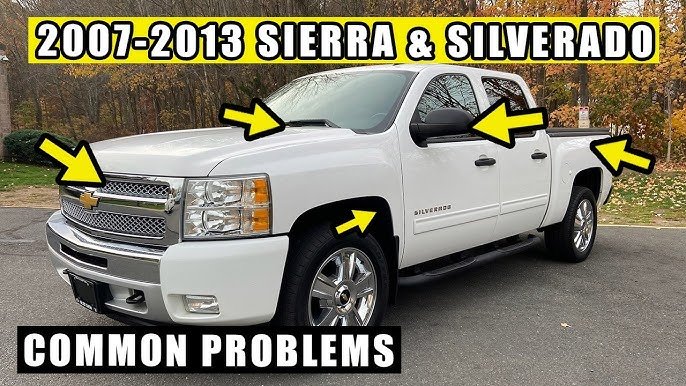
2007–2013: Second Generation (gmt900)
This generation brought improved interiors and engines, but some new problems appeared.
- Excessive oil consumption is one of the most reported issues, especially with the 5.3L V8 engine. Owners find themselves adding oil often between changes.
- Active Fuel Management (AFM) lifter failure is tied to the oil consumption problem. AFM was designed to save fuel but often causes lifter and camshaft wear.
- Cracked dashboards are common, especially in hot climates. While mostly cosmetic, it hurts resale value and can be noisy.
- Electrical problems include failing door lock actuators and window regulators.
- Premature brake wear is reported, sometimes needing new rotors and pads as early as 30,000 miles.
Practical tip: If you notice ticking sounds from the engine, it could be AFM lifter problems—get it checked before buying.
2014–2018: Third Generation
The third-generation Silverado aimed to fix past issues, but a new set of complaints emerged.
- Transmission shudder and hard shifts (especially 8-speed automatics) are widely reported. Many owners feel a shake or jerk at low speeds.
- A/C condenser failure is a standout problem. Many 2014–2017 Silverados lose cooling, often requiring expensive repairs.
- Power steering loss occurs suddenly, making the truck hard to steer, especially at low speeds or when parking.
- Infotainment system glitches cause freezing, black screens, or loss of Bluetooth connectivity.
- Excessive vibration at highway speeds (the “Chevy Shake”) affects some trucks, making long trips uncomfortable.
Non-obvious insight: Many vibration issues are due to unbalanced driveshafts or faulty tires, not always the transmission—have both checked.
2019–present: Fourth Generation
With a new body style and more technology, the latest Silverado is modern but not without concerns.
- Transmission hesitation and rough shifting continue, especially in early 2019 models.
- Electrical system bugs include intermittent warning lights, camera failures, and touchscreen problems.
- Engine stalling and start/stop system malfunctions are reported, sometimes leaving drivers unable to restart the truck.
- Brake system recalls affected thousands of trucks due to vacuum pump failures, reducing braking power.
- Tailgate and bed issues such as misalignment and power tailgate failures have been reported.
Helpful tip: Always check for completed recall repairs before buying a used 2019+ Silverado. Dealers can provide a service history.
Most Problematic Silverado Years
Some years have more frequent or costly problems. Here’s a quick comparison:
| Model Year | Main Problems | Estimated Repair Cost |
|---|---|---|
| 2004 | Transmission failure, fuel pump, rust | $2,000–$3,500 (transmission) |
| 2007 | Oil consumption, cracked dash | $1,500–$2,500 (engine work) |
| 2015 | Transmission shudder, A/C failure | $1,000–$2,000 (A/C repair) |
| 2019 | Transmission, electrical bugs | $1,200–$3,000 (varies) |
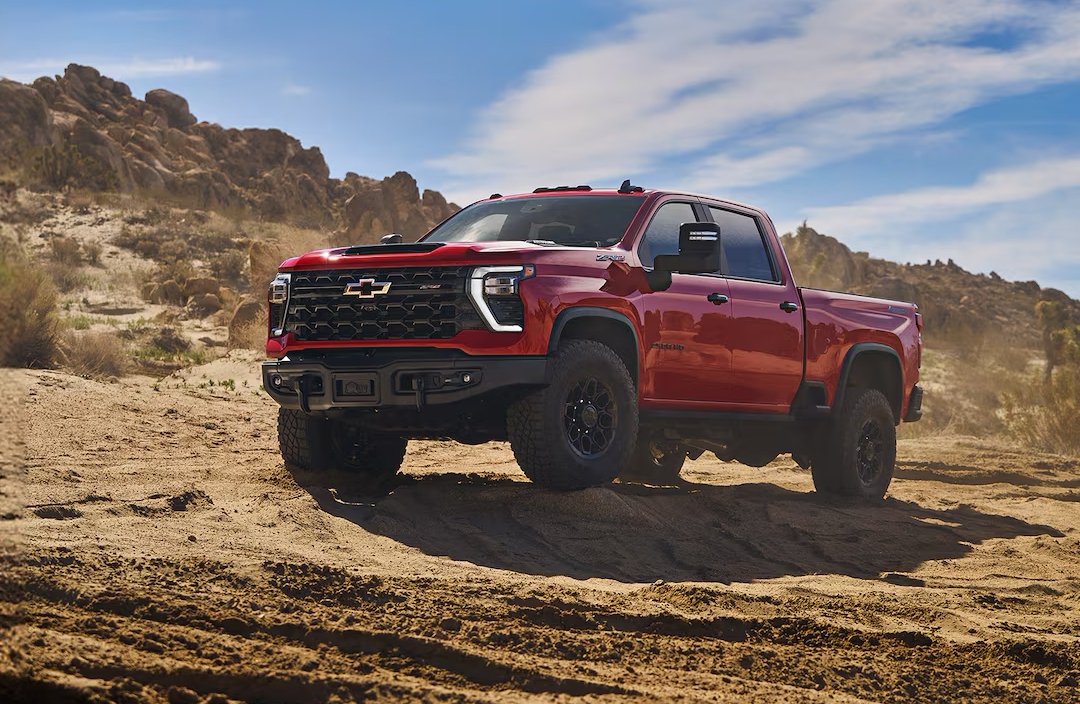
Extra insight: Not all trucks from these years have problems, but these years have more complaints on owner forums and recall databases.
Credit: www.raymondchevygmc.com
Best Silverado Years For Reliability
While every truck can have issues, some years stand out for better reliability and owner satisfaction.
| Model Year | Why Reliable? |
|---|---|
| 2006 | Last year before major redesign, fewer transmission issues |
| 2012 | Improved engines, fewer AFM complaints, refined electronics |
| 2018 | End of third generation, many bugs fixed |
| 2021 | Recalls addressed, improved tech reliability |
Non-obvious tip: Trucks from the last year of a generation often have the fewest problems, as manufacturers fix earlier issues.
How Problems Change By Silverado Trim And Engine
Different trims and engines can mean different problem risks. For example, trucks with the 5.3L V8 are more likely to have oil consumption and AFM lifter problems. The 4.3L V6 tends to be more reliable but less powerful. High-end trims with more electronics (like the LTZ or High Country) often see more infotainment and sensor-related complaints.
Practical advice: Before buying, research the specific engine and trim, not just the model year. Owners’ forums and mechanic reviews can be helpful sources.
Common Symptoms And How To Spot Them
Spotting Silverado problems early can save you thousands.
- Rough shifting or hesitation: Can signal transmission trouble. Test drive in city and highway conditions.
- Oil spots or rapid oil loss: Check for leaks or ask about oil consumption history.
- Ticking sounds from the engine: Often linked to AFM problems.
- Electrical glitches: Test all windows, locks, screens, and backup cameras.
- Rust under the truck: Look at brake lines, frame, and rocker panels, especially in older models.
Pro tip: Always check for open recalls or ask for a pre-purchase inspection by a trusted mechanic.
Real-world Owner Experiences
Many Silverado owners share their stories on forums and review sites. For example, some 2014 owners describe “my transmission started shuddering at 60,000 miles, dealer replaced it under warranty. ” Others mention “I had to replace the A/C condenser twice in three years.
”
On the other hand, some 2012 and 2018 owners report driving over 200,000 miles with only basic maintenance. This shows that regular care and some luck can make a big difference.
Credit: www.marinmazda.net
Cost Comparison: Common Repairs
Repair costs can vary widely. Here’s a general guide for some of the most frequent Silverado problems:
| Problem | Estimated Repair Cost | Typical Mileage |
|---|---|---|
| Transmission replacement | $2,000–$4,000 | 80,000–120,000 miles |
| A/C condenser repair | $900–$1,400 | 50,000–90,000 miles |
| AFM lifter failure | $1,500–$2,500 | 60,000–120,000 miles |
| Brake line rust repair | $300–$800 | 70,000–100,000 miles |
Helpful insight: Some repairs, like AFM lifter failure, can be prevented by disabling the AFM system—ask your mechanic if it’s right for you.
Preventing Problems And Smart Buying Tips
- Check vehicle history: Always ask for service records and a Carfax report.
- Inspect recalls: Make sure all recall work is complete. Visit the official NHTSA recall database to check for open recalls.
- Test drive thoroughly: Look for shifting issues, odd noises, and electronic malfunctions.
- Rust inspection: Get the truck on a lift and check underneath, especially if buying in a snowy region.
- Consider a certified pre-owned (CPO) Silverado: These usually come with warranties and have passed inspection.
Credit: www.youtube.com
Frequently Asked Questions
What Year Chevy Silverado Has The Most Problems?
2007, 2014, and 2015 Silverados are often named as the most problematic, due to engine, transmission, and A/C issues. These years have more complaints and higher repair costs.
Which Silverado Engine Is Most Reliable?
The 4.3L V6 and 6.2L V8 engines are generally considered more reliable. They have fewer oil consumption and AFM issues than the 5.3L V8.
How Do I Avoid Buying A Silverado With Transmission Problems?
Always test drive the truck in different conditions, ask for service history, and have a mechanic check for transmission codes. Avoid early 8-speed automatic models if possible.
Are Newer Silverados More Reliable Than Older Ones?
Recent Silverados have improved in safety and technology, but some 2019–2020 models still show electrical and transmission bugs. The best reliability is often found in the last model year of each generation.
Do Silverados Rust Easily?
Older Silverados (especially 1999–2006) are known for rust problems, particularly in cold climates. Regular undercoating and cleaning can help prevent serious rust.
The Chevy Silverado remains a popular and capable truck, but not all model years are created equal. By understanding the most common problems by year, you can make a smarter buying decision and avoid expensive surprises. Whether you’re buying used or maintaining your current truck, staying informed is the best way to enjoy long, reliable service from your Silverado.
