
A car that starts rough, loses power, or even refuses to move can leave anyone frustrated. Many people quickly think of the battery, spark plugs, or the fuel pump. But there’s a less obvious part that often gets ignored: the fuel filter. This small component plays a big role in keeping your engine running clean and smooth. When it clogs, you’ll notice changes—sometimes subtle, sometimes dramatic. Recognizing clogged fuel filter symptoms early can save you from expensive repairs, engine damage, or even getting stranded.
Let’s explore what a fuel filter does, why it gets clogged, and the most common warning signs you shouldn’t ignore. By the end of this guide, you’ll know how to spot a clogged fuel filter before it becomes a major headache.
What Does A Fuel Filter Do?
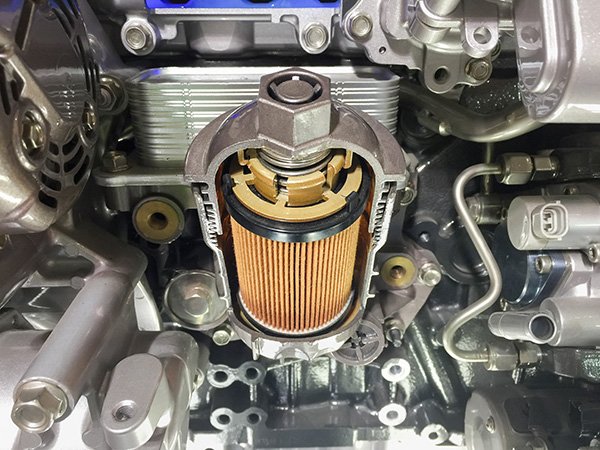
The fuel filter sits between your car’s fuel tank and the engine. Its main job is to block dirt, rust, and debris from entering the fuel injectors and engine. Clean fuel is crucial for proper combustion and smooth engine performance. Over time, however, the filter collects so much debris that it can’t let enough fuel pass through.
Most modern cars have filters that last between 20,000 and 40,000 miles, but driving in dusty areas or using low-quality fuel can shorten this lifespan. A clogged filter restricts fuel flow, causing a range of symptoms.
Why Do Fuel Filters Get Clogged?
There are several reasons why a fuel filter may become blocked:
- Aging and wear: Filters have a limited capacity and eventually fill up with contaminants.
- Dirty fuel: Low-quality or contaminated gasoline increases the amount of debris.
- Rusty fuel tanks: Older cars sometimes have tanks that rust inside, sending flakes into the filter.
- High mileage: The more you drive, the more particles your filter collects.
Understanding these causes helps you see why changing your fuel filter at recommended intervals is important.
Top Symptoms Of A Clogged Fuel Filter
Not all symptoms appear at once. Some are mild, while others are severe. Here are the most common signs:
1. Engine Misfires Or Hesitation
A healthy engine needs a steady stream of fuel. If the filter is partly clogged, the engine may misfire or hesitate, especially during acceleration. You might notice:
- Jerky or uneven movement when pressing the gas pedal
- Engine stumbles at low or high speeds
This happens because the engine isn’t getting enough fuel to burn properly.
2. Difficulty Starting The Engine
If your car cranks but takes a long time to start, or doesn’t start at all, a clogged filter could be the reason. The fuel pump struggles to push fuel through the blockage, so not enough reaches the engine for ignition. Sometimes, the car may start but stall soon after.
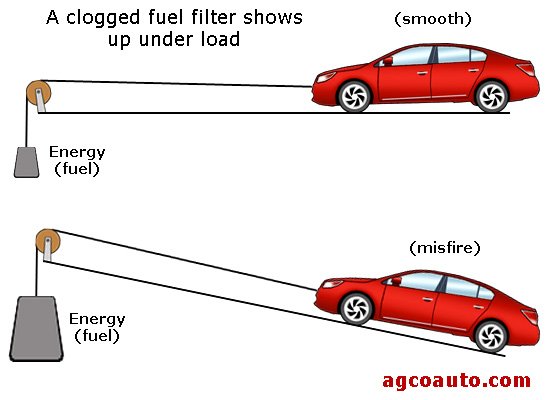
3. Loss Of Power Under Load
When you try to climb a hill, carry heavy cargo, or accelerate quickly, the engine needs more fuel. A blocked filter limits fuel supply, causing:
- Sluggish acceleration
- Poor response when you push the gas pedal
- Loss of power, especially at higher speeds or under stress
4. Engine Stalling
A sudden engine stall—especially when idling or driving at low speed—can indicate a clogged fuel filter. The filter may allow just enough fuel for normal driving, but during stops or low RPMs, the engine starves for fuel and shuts off.
5. Frequent Engine Surges
If your engine suddenly surges (speeds up without pressing the pedal), then drops back to normal, it could be a sign of inconsistent fuel flow. This up-and-down effect is often caused by a filter that’s only partially blocked.
6. Check Engine Light Comes On
Modern vehicles use sensors to monitor fuel pressure. If the filter is clogged, the check engine light may appear. The car’s computer detects low fuel pressure or lean fuel mixtures, triggering a warning.
It’s important to note: The check engine light can indicate many problems, so always check for other symptoms too.
7. Poor Fuel Economy
A clogged fuel filter can cause the engine to work harder, sometimes injecting more fuel to try to compensate. This means you’ll notice more frequent trips to the gas station, even if your driving habits don’t change.
8. Fuel Pump Noise
If your fuel filter is clogged, the fuel pump has to work much harder. You may hear a whining or buzzing noise from the rear of your car, especially when starting or idling. Over time, this extra strain can actually damage the fuel pump—a costly repair.
9. Hard Shifting (automatic Transmissions)
Some drivers notice rough or delayed shifting in automatic vehicles. This is because the engine isn’t producing the right power at the right time, often due to fuel starvation from a clogged filter.
10. Strong Smell Of Gasoline
A blocked filter can force fuel back into the tank or fuel lines. In rare cases, this may cause a gasoline smell around the car, especially after trying to start it multiple times.
Comparing Clogged Fuel Filter Symptoms To Other Fuel System Issues
It’s easy to mistake a clogged fuel filter for other problems, like a failing fuel pump or bad spark plugs. Here’s a quick comparison to help you narrow it down:
| Symptom | Clogged Fuel Filter | Bad Fuel Pump | Faulty Spark Plugs |
|---|---|---|---|
| Difficult Starting | Common | Common | Occasional |
| Engine Stalling | Frequent | Frequent | Rare |
| Poor Fuel Economy | Possible | Possible | Unlikely |
| Check Engine Light | Possible | Possible | Possible |
| Misfires | Occasional | Occasional | Common |
How Mechanics Diagnose A Clogged Fuel Filter
A mechanic doesn’t just guess when it comes to the fuel filter. They use several steps and tools to confirm the problem:
- Fuel pressure test: They attach a gauge to check if pressure is below normal.
- Listen for pump noise: Unusual sounds can point to extra strain from a blockage.
- Inspect for leaks: They check fuel lines for leaks or backflow.
- Check for engine codes: Using an OBD-II scanner, they look for codes related to fuel pressure or mixture.
Sometimes, they may remove the filter to see if fuel flows through it easily. If not, it’s usually replaced right away.
What Happens If You Ignore A Clogged Fuel Filter?
A clogged filter is more than an inconvenience. Ignoring it can cause:
- Fuel pump failure: The pump works harder and can overheat or break.
- Engine damage: Poor fuel flow leads to lean mixtures, which can harm pistons and valves.
- Unexpected breakdowns: Your car may stop running at the worst possible time.
- Costly repairs: Replacing a filter costs much less than fixing a damaged pump or engine.
In some cars, a blocked filter may even prevent the engine from starting at all.
When Should You Change Your Fuel Filter?
Most manufacturers suggest changing the fuel filter every 20,000 to 40,000 miles. However, check your owner’s manual for the exact number. Some newer cars have “lifetime” filters, but these can still clog early if you use low-quality fuel.
If you drive in dusty areas, or you notice any symptoms mentioned above, it’s smart to change the filter sooner. A fresh filter is cheap insurance against expensive repairs.
Here’s a quick guide to typical replacement intervals:
| Car Type | Recommended Interval | Notes |
|---|---|---|
| Older Models (pre-2000) | 15,000 – 20,000 miles | More frequent due to less efficient filters |
| Modern Cars (2000+) | 30,000 – 40,000 miles | Better filters, but still need checks |
| Severe Conditions | 10,000 – 15,000 miles | Dusty areas, poor fuel quality |
Two Insights Most People Miss
Many drivers focus on obvious problems but overlook these two facts:
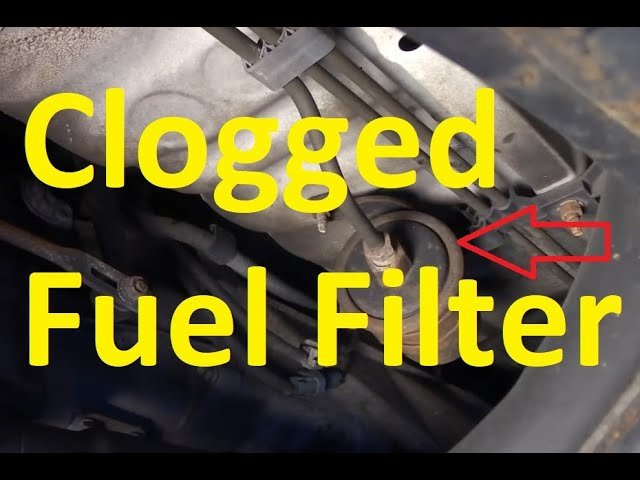
- Filter location matters: Some cars have the filter inside the fuel tank, making replacement harder and more expensive. If you can’t find your filter under the hood or along the frame, it’s likely inside the tank.
- Symptoms get worse in cold weather: A partly clogged filter may let enough fuel through in warm weather. But when it’s cold, the filter’s tiny openings can shrink, making symptoms much worse.
Credit: www.youtube.com
Practical Tips For Preventing Fuel Filter Problems
- Buy quality fuel: Stick to well-known gas stations and avoid filling up when a fuel truck is delivering (it stirs up tank sediment).
- Follow service intervals: Don’t skip recommended filter replacements.
- Watch for early signs: Address engine hesitations or stalling right away.
- Use fuel system cleaners: Occasionally, a fuel additive can help, but it won’t fix a badly clogged filter.
Frequently Asked Questions
What Happens If I Drive With A Clogged Fuel Filter?
Driving with a clogged filter can cause poor performance, frequent stalling, and eventually damage the fuel pump or engine. Over time, it can leave you stranded or facing expensive repairs.
Can A Clogged Fuel Filter Cause A Car Not To Start?
Yes, if the filter is completely blocked, not enough fuel reaches the engine to start. You may hear the engine cranking but it won’t fire up.
Credit: www.autoworks-wa.com
Is It Easy To Replace A Fuel Filter Myself?
It depends on your car’s design. Some filters are easy to reach, while others are inside the fuel tank. Always relieve fuel system pressure first, and consult your manual or a professional if unsure.
How Much Does It Cost To Replace A Fuel Filter?
The price ranges from $20 to $100 for most cars, plus labor if you hire a mechanic. In-tank filters can be more expensive due to extra labor.
Credit: www.agcoauto.com
Where Can I Find More Information About Fuel System Maintenance?
You can find detailed maintenance guides and tips on trusted sources like AAA.
A clogged fuel filter is a small problem that can quickly become a big one if ignored. Knowing the clogged fuel filter symptoms and acting early can save you money, time, and stress. If your car shows any of these warning signs, don’t wait—check the filter or talk to a trusted mechanic. Taking action now keeps your engine healthy and your journeys smooth.
