
Many drivers have seen a small puddle or a wet spot under their car and worried about what it means. A coolant leak under your car is not just an inconvenience; it can signal serious problems with your engine or cooling system. If ignored, a simple leak can lead to overheating, expensive repairs, or even engine failure. Understanding the real reasons behind a coolant leak and how to identify them can save you time, money, and stress.
This article will break down the most common causes of coolant leaks under cars. You’ll learn how to spot warning signs, what each leak means, and why quick action matters. You’ll also see practical examples, real data, and two important tables comparing symptoms and repair costs.
Whether you are a car owner or someone who just started driving, this guide will help you understand coolant leaks and what to do next.
What Is Coolant And Why Is It Important?
Coolant, also known as antifreeze, is a fluid that circulates through your engine to keep it at the right temperature. It absorbs heat and releases it through the radiator. Without coolant, your engine would quickly overheat and break down.
Modern coolants are usually a mix of water and ethylene glycol or propylene glycol. They often have additives to prevent rust and corrosion. If coolant leaks out, your car loses its ability to control temperature, which can cause major engine damage.
Common Signs Of A Coolant Leak
Before looking at the causes, it’s important to recognize the signs of a coolant leak:
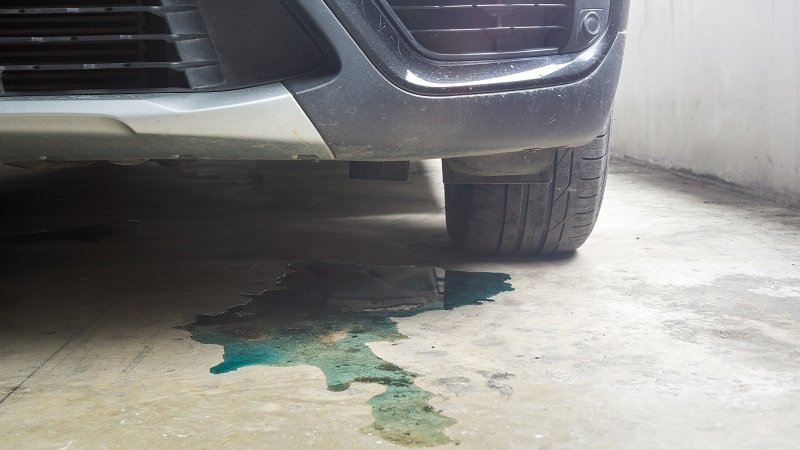
- Bright-colored puddle: Coolant is often green, orange, pink, or yellow.
- Sweet smell: Coolant has a sweet, syrupy smell that is hard to miss.
- Overheating engine: The temperature gauge rises above normal.
- Steam from the hood: White smoke or steam comes out, especially after driving.
- Low coolant warning: Dashboard lights or messages appear.
Never ignore these signs. Even a small leak can quickly become a big problem.
Causes Of Coolant Leak Under Car
Let’s explore the main reasons coolant might be leaking under your car.
1. Radiator Leaks
The radiator is the main part of the cooling system. It can develop leaks due to corrosion, cracks, or impact from road debris. Over time, metal and plastic parts can wear out, especially if the coolant is not changed as recommended.
A radiator leak usually causes coolant to drip from the front of the car, often near the bumper. You may see a puddle after parking, and sometimes, you’ll notice a buildup of white or green residue on the radiator itself.
2. Radiator Hose Damage
Coolant flows between the engine and radiator through rubber hoses. These hoses can crack, split, or become loose over time. High heat, old age, or poor installation are common reasons.
A leaking hose usually drips coolant under the engine or near the front wheels. Hoses should be checked for bulges, soft spots, or visible cracks.
3. Water Pump Failure
The water pump moves coolant through the engine. It has seals and gaskets that can wear out, especially in older cars or those with high mileage. A failed water pump often leaks from the front of the engine, sometimes behind the timing cover.
You might see coolant dripping near the engine or hear a whining noise. If the water pump fails completely, the engine can overheat within minutes.
4. Bad Radiator Cap
A radiator cap is a small but crucial part. It holds pressure in the cooling system. If the cap is damaged or can’t seal properly, coolant can escape as steam or liquid.
A faulty cap might cause small leaks around the radiator or overflow tank. Sometimes, you’ll notice the coolant level drops even without a large puddle.
5. Leaking Heater Core
The heater core is a small radiator inside the car’s dashboard. It heats the air for your cabin. If it leaks, coolant can drip onto the floor inside the car or leak from under the dashboard. You may also notice a foggy windshield or a sweet smell inside the cabin.
Heater core leaks are tricky because they can cause both interior and exterior leaks.
6. Intake Manifold Gasket Failure
Some engines have coolant passages that run through the intake manifold. The gasket between the manifold and the engine can fail, allowing coolant to escape. This usually happens in V6 or V8 engines.
A failed intake manifold gasket may cause coolant to leak near the sides of the engine or mix with engine oil, creating a milky substance.
7. Head Gasket Leak
A head gasket seals the engine block and cylinder head. If it fails, coolant can leak outside the engine or into the combustion chamber. This is a serious problem, often causing white smoke from the exhaust and rapid coolant loss.
Head gasket failure is more common in cars that have overheated before or are very old.
8. Cracked Engine Block Or Cylinder Head
Severe overheating or manufacturing defects can cause cracks in the engine block or cylinder head. These cracks can let coolant escape outside the engine or mix with oil.
This is rare but very expensive to fix. You may see coolant and oil mixing or notice a significant loss of power.
9. Expansion Tank Problems
The expansion tank or overflow bottle stores extra coolant. If the tank cracks or its hose comes loose, coolant can leak under the car. Expansion tanks are often made from plastic, which gets brittle over time.
A leaking expansion tank is usually easy to spot because the leak is close to the tank itself, often near a wheel well.
10. Faulty Freeze Plugs
Freeze plugs are small metal plugs on the engine block. They protect the engine from freezing damage. If a freeze plug rusts or pops out, coolant can leak rapidly.
Freeze plug leaks often leave a trail of coolant under the engine, sometimes close to the transmission.
11. Thermostat Housing Leak
The thermostat housing is where the thermostat sits and controls coolant flow. If the housing cracks or its gasket fails, coolant can leak from the front or top of the engine.
Leaks here are often slow but steady and can be missed if not checked carefully.
12. Loose Or Broken Clamps
Hoses are held in place by metal clamps. If a clamp becomes loose or breaks, the hose can leak even if it’s in good condition.
This is an easy fix but can cause big problems if not noticed early.
13. Damage From Road Debris
Stones, salt, or other debris can hit the radiator, hoses, or underbody parts while driving. Even a small puncture can cause a slow leak that gets worse over time.
Always check for leaks after hitting something on the road.
14. Poor Previous Repairs
If coolant system repairs were not done correctly—using cheap parts, wrong sealants, or poor workmanship—leaks can return. Sometimes, mechanics miss hidden leaks or don’t tighten parts enough.
If you had recent repairs and notice leaks, have them checked again.
15. Coolant Reservoir Cap Issues
The coolant reservoir cap may look simple, but if it doesn’t seal, coolant can spill out when hot. This often happens after overheating or if the wrong cap is used.
Always use the recommended cap for your car.
Comparing Common Coolant Leak Symptoms
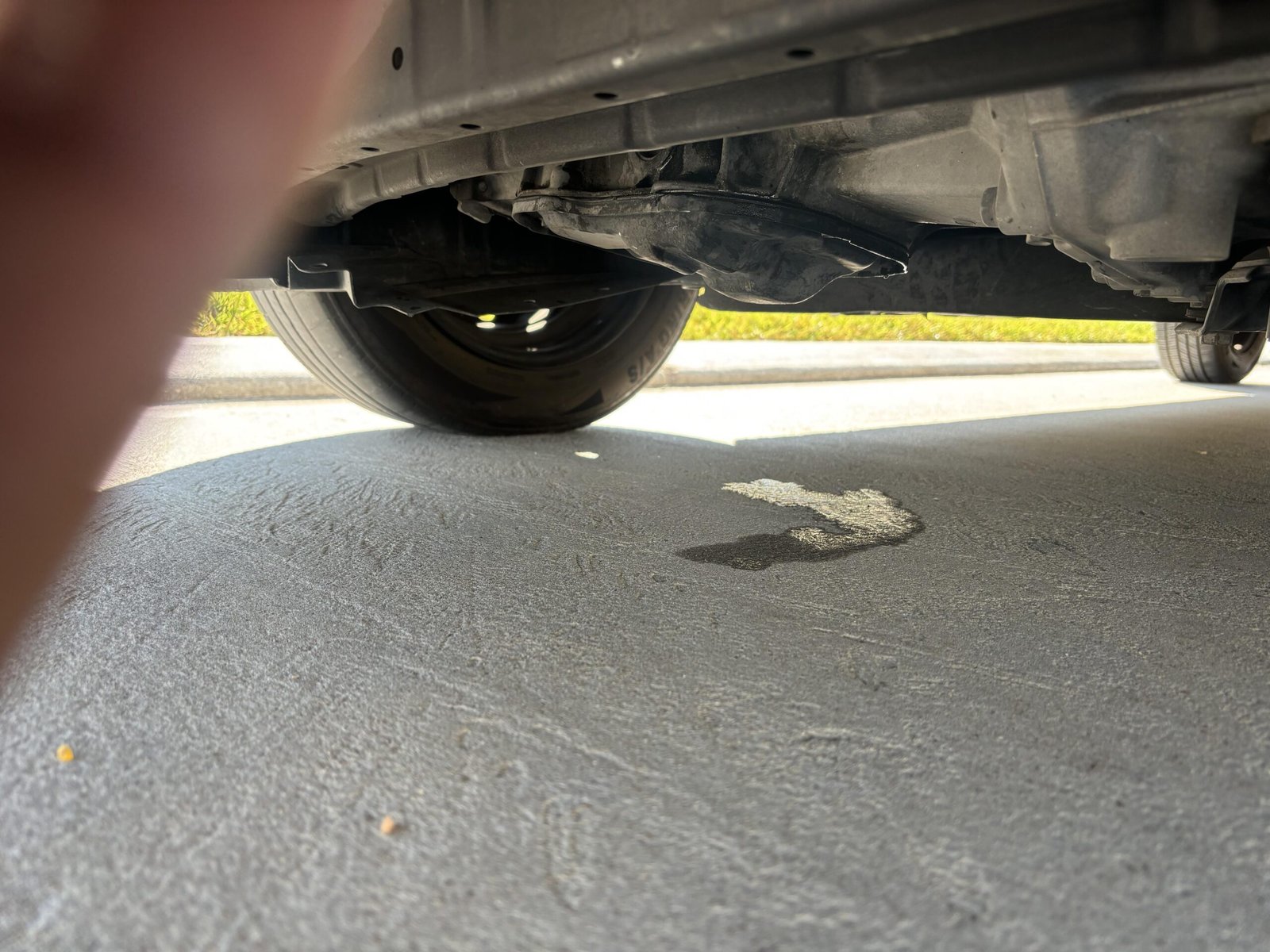
Understanding where the leak is and what it means can be confusing. Here’s a table comparing common leak locations and what they usually mean:
| Leak Location | Likely Cause | Severity |
|---|---|---|
| Front of Car | Radiator, radiator hose, water pump | Medium to High |
| Under Engine | Water pump, freeze plug, head gasket | High |
| Inside Cabin | Heater core | Medium |
| Near Wheel Well | Expansion tank | Low to Medium |
| On Engine | Intake manifold, thermostat housing | Medium to High |
Credit: www.reddit.com
How To Find A Coolant Leak
Finding the source is not always easy. Here are some steps you can take:
- Check the color and location of the leak. This gives clues about the cause.
- Inspect hoses and radiator for cracks or soft spots.
- Look for stains or residue under the hood or on the engine.
- Use a cooling system pressure tester. This tool can help spot leaks that only happen under pressure.
- Check the coolant level regularly. A slow drop often means a small leak.
- Listen for unusual sounds like hissing or bubbling.
If you are not sure, it’s best to let a mechanic inspect your car. Some leaks are hidden and need special tools to find.
Cost Of Repairing Coolant Leaks
The price of fixing a coolant leak can change a lot, depending on the cause. Here’s a helpful comparison:
| Cause | Estimated Repair Cost | Repair Time |
|---|---|---|
| Radiator Hose | $50–$200 | 30–60 minutes |
| Water Pump | $300–$700 | 2–4 hours |
| Heater Core | $500–$1,000 | 4–8 hours |
| Head Gasket | $1,000–$2,500 | 8–12 hours |
| Radiator Replacement | $400–$900 | 2–3 hours |
*Note: Prices can vary based on your car model, location, and shop rates.*
Hidden Insights Beginners Often Miss
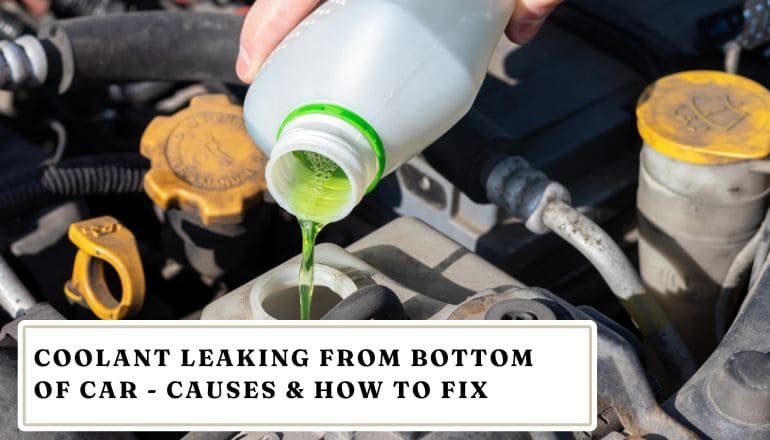
Many new car owners think a coolant leak is just a small drip and can wait. In reality, leaks often get worse quickly. Even a slow leak can cause air pockets in the cooling system, leading to overheating. Another common mistake is topping up coolant without fixing the leak. This only hides the problem for a short time and can damage the engine even more.
A second point beginners miss: using the wrong type of coolant can cause leaks. Some cars need specific coolant formulas. Mixing types can damage seals and cause leaks that are hard to find.
Why You Should Never Ignore A Coolant Leak
Driving with a coolant leak puts your engine at risk. Overheating can warp metal parts, damage gaskets, and even ruin the engine. In some cases, a car can catch fire if coolant sprays onto hot parts. It’s always safer and cheaper to fix leaks early.
Credit: www.saiautocare.com.au
How To Prevent Coolant Leaks
Prevention is better than repair. Here are some tips:
- Change coolant as recommended by your car’s manual.
- Inspect hoses and clamps every 12,000 miles or once a year.
- Check for leaks after service or repairs.
- Use the correct coolant type for your vehicle.
- Fix small leaks quickly before they become bigger problems.
When To Get Professional Help
Some leaks are easy to fix, like a loose hose clamp. Others, like head gasket failures, need expert tools and knowledge. If you see coolant mixing with oil, white smoke from the exhaust, or the engine overheating, don’t drive the car.
Get it towed to a mechanic.
Credit: www.carx.com
Frequently Asked Questions
What Color Is Coolant, And How Can I Tell If It’s Leaking?
Coolant is usually bright green, orange, pink, or yellow. It feels slippery and smells sweet. If you see a colorful puddle under your car, it’s likely coolant.
Can I Drive With A Coolant Leak?
It’s not safe to drive with a coolant leak, even a small one. The engine can overheat quickly, leading to major damage.
How Often Should I Check My Coolant Level?
Check your coolant at least once a month, or more often if you see leaks or your car overheats. Always check when the engine is cold to avoid burns.
Is Coolant The Same As Antifreeze?
Yes, coolant and antifreeze are often the same. Antifreeze is the chemical part that prevents freezing; when mixed with water, it becomes coolant.
Where Can I Learn More About Car Cooling Systems?
A good resource is the Wikipedia Cooling System page, which explains how car cooling systems work in detail.
A coolant leak under your car is not something to ignore. Understanding the causes and acting quickly can protect your engine, save money, and keep you safe on the road. Whether it’s a simple hose or a major engine problem, knowing what to look for is the first step toward worry-free driving.
