
Electric cars are changing how we move, offering a quiet alternative to traditional vehicles. But many drivers notice something unexpected: at high speeds, electric cars are not silent. Instead, they create unique noises that surprise new owners and raise safety and comfort questions. Understanding why this happens, and what it means for drivers and communities, is important as electric vehicles (EVs) become more popular around the world.
Why Electric Cars Are Quiet At Low Speeds
Unlike gasoline or diesel cars, electric vehicles use electric motors instead of internal combustion engines. These motors operate quietly, especially when cars travel slowly. At low speeds, most of the noise from a traditional car comes from the engine and exhaust. Since electric cars lack these noisy parts, they can move almost silently through city streets or parking lots.
This quietness is one reason why EVs feel luxurious and relaxing to drive in urban areas. It also explains why governments in many countries require electric cars to make artificial sounds at low speed, helping pedestrians notice them.
What Causes Noise At High Speed In Electric Cars?
Many people expect electric cars to stay silent at all speeds. But as the speed increases, other sources of noise become more important than the motor:
1. Tire Noise
As tires roll faster, they create more friction against the road. This produces a loud, deep sound called road noise. The texture and material of both the tire and the road surface influence this noise level.
2. Wind Noise
At high speeds, air moves quickly over the car’s body. This creates wind turbulence, especially around mirrors, windows, and gaps in the car’s design. Wind noise can become louder than all other sounds above 60 mph (about 100 km/h).
3. Mechanical Parts
Even though electric motors are quiet, other moving parts—like wheel bearings, suspension, and the gear reducer—can make noise. These sounds are usually low but become noticeable when the rest of the car is silent.
4. Electric Motor Whine
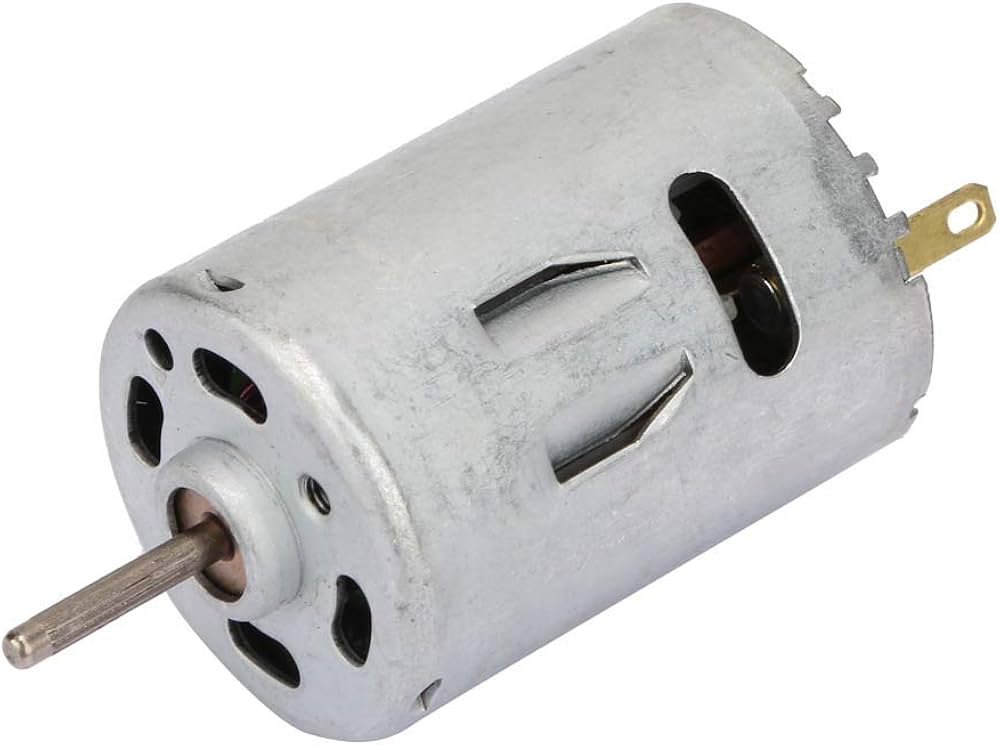
At very high speeds, some electric motors produce a high-pitched “whine. ” It’s usually much quieter than an engine but can be heard in some EVs, especially luxury models with powerful motors.
Data Example: Noise Levels At Different Speeds
Here is a simple comparison of noise sources in an electric car at different speeds:
| Speed (km/h) | Main Noise Source | Typical Noise Level (dB) |
|---|---|---|
| 0-30 | Artificial sound, tires | 45-55 |
| 30-60 | Tires, wind | 55-65 |
| 60+ | Wind, tires | 65-75 |
As seen, the main source of noise shifts from the motor to tires and wind as speed increases.
Comparing Electric Cars To Gasoline Cars At High Speed
A common question is: Are electric cars actually quieter than gasoline cars on the highway? The answer is not as simple as it seems.
Key Differences
- Engine Noise: At high speeds, a gasoline engine is always running and gets louder as you accelerate. Electric cars do not have this engine sound, which is a big reason why they are quieter in city traffic.
- Road and Wind Noise: Above 60-70 km/h, both types of cars are mostly as loud as each other. The main difference comes from tire type, car model, and how well the car is built to block outside sounds.
- Cabin Insulation: Some gasoline luxury cars use more soundproofing because they need to cover engine noise. Some electric cars, especially cheaper models, may not have as much insulation because their motors are quieter.
Side-by-side Data
| Car Type | Speed (km/h) | Inside Cabin Noise (dB) |
|---|---|---|
| Electric (Tesla Model 3) | 100 | 68 |
| Gasoline (BMW 3 Series) | 100 | 71 |
| Electric (Nissan Leaf) | 100 | 70 |
| Gasoline (Toyota Corolla) | 100 | 72 |
While electric cars are a bit quieter, the difference is smaller than many people expect, especially above city speeds.
Why High-speed Noise Matters For Electric Cars
Noise inside and outside the car affects more than comfort. It can change driver fatigue, safety, and even city planning.
Driver Comfort And Fatigue
When a car is quiet, drivers feel less tired after long trips. Wind and tire noise are harder to block than engine sound, so electric car makers are now working to improve window seals, door insulation, and tire design. This is especially important for long highway drives.
Pedestrian And Cyclist Safety
At higher speeds, cars are louder, but not always loud enough for everyone to notice. For example, on highways, noise is rarely a safety issue for people outside the car. But on rural roads or quiet city streets, a fast-moving EV may still surprise pedestrians or cyclists, especially if tire and wind noise are low.
City Noise Pollution
Electric cars can help reduce urban noise pollution, which is linked to stress and poor health. But at high speed, their benefit is limited, since wind and tire noise dominate. Some cities are now looking at special road surfaces and tire rules to further reduce high-speed noise.
Factors That Influence Electric Car Noise At High Speed
Not all electric vehicles sound the same. Several factors make a difference:
- Tire Type and Size
- Wider or performance tires are often louder.
- Softer, eco-friendly tires may help reduce noise but can affect handling.
- Car Design (Aerodynamics)
- Sleek, “aero” shapes cut wind noise.
- Poorly designed mirrors, roof racks, or gaps can increase turbulence.
- Build Quality and Insulation
- Luxury EVs like the Tesla Model S or Mercedes EQS use extra materials to block sound.
- Cheaper EVs may save money by using less insulation.
- Road Surface
- Rough asphalt is noisier than smooth concrete.
- Wet roads can increase tire noise, making even quiet EVs louder.
- Window Type
- Double-glazed windows are better at keeping outside sounds out.
- Many newer EVs use these windows for extra comfort.
- Motor and Drivetrain Design
- Some motors are tuned for quietness, others for performance.
- Gear reducers and inverters can also make high-pitched sounds.
Example: Tesla Model S Vs. Nissan Leaf
| Feature | Tesla Model S | Nissan Leaf |
|---|---|---|
| Cabin Insulation | High | Medium |
| Tire Size | 19-21 inch (larger, often louder) | 16-17 inch (smaller, quieter) |
| Aero Design | Very good | Good |
| High-Speed Noise (dB) | 68 | 70 |
This shows how design choices change the real-world noise experience for drivers.
Common Myths About Electric Car Noise
There are a few common misunderstandings about how electric cars sound at high speed.
1. “electric Cars Are Silent At All Speeds.”
This is not true. Above 60 km/h, wind and tires are the main sources of noise.
2. “gasoline Cars Are Always Noisier.”
Some well-designed gasoline cars can be as quiet as, or even quieter than, some EVs at high speed, thanks to heavy insulation.
3. “wind Noise Is Not A Problem For Evs.”
In fact, because the motor is so quiet, wind noise is easier to hear and can seem louder.
4. “only Cheap Evs Are Noisy.”
Luxury EVs can also be noisy if they use large, sporty tires or have poor aerodynamics.
Credit: www.magiccars.com
How Automakers Reduce High-speed Noise In Electric Cars
Manufacturers are using several advanced techniques to make electric cars quieter on highways:
- Acoustic Glass: Special windows reduce wind and road noise.
- Active Noise Cancellation: Microphones inside the car listen to unwanted sounds and play a cancelling sound through speakers, similar to noise-cancelling headphones.
- Tire Foam Inserts: Some tires come with foam inside to absorb vibrations.
- Sealed Doors and Windows: Better seals block high-speed wind from entering the cabin.
- Aerodynamic Tweaks: Small changes to the shape of mirrors, underbody covers, and door handles can reduce wind turbulence.
Non-obvious Insights
Many new EV owners don’t realize that tire pressure and wheel alignment can make a big difference in noise levels. Over-inflated tires or misaligned wheels create extra vibration, leading to a louder ride. Also, adding aftermarket roof racks or accessories will often increase wind noise dramatically, even in a well-designed car.
The Role Of Artificial Noise
At low speeds, laws require EVs to make artificial sounds for safety. But at high speeds, such noises are not used. Some drivers wish for a gentle artificial sound at highway speeds, both for comfort and to help with “speed awareness”—since the quietness can make it harder to judge how fast you’re going. However, most manufacturers avoid this to keep the cabin as peaceful as possible.
Credit: www.amazon.com
What Drivers Can Do To Reduce High-speed Noise
You can control some factors that affect noise in your electric car:
- Choose quieter tires: Look for tires labeled as “low noise” or “quiet ride.”
- Keep windows closed: Open windows increase wind noise a lot.
- Remove roof racks when not needed: These add turbulence and noise.
- Maintain your car: Check tire pressure, wheel alignment, and replace worn parts.
- Test drive at high speed: Before buying, drive the car on a highway to check if noise levels are comfortable for you.
Regulations And Future Trends
As more electric cars appear on highways, governments and automakers are paying attention to noise. Europe and the US already regulate low-speed EV sounds. In the future, more rules may cover tire and road noise. New materials and design tricks will likely make EVs even quieter at high speed.
For those interested in in-depth research on vehicle noise, the Wikipedia page on Noise, Vibration, and Harshness (NVH) offers technical details and industry standards.

Credit: www.cord-ev.com
Frequently Asked Questions
What Is The Main Source Of Noise In Electric Cars At High Speed?
The main sources are wind noise and tire noise. These sounds become louder than the electric motor once the car goes above 60 km/h.
Are Electric Cars Quieter Than Gasoline Cars On The Highway?
Yes, but the difference is smaller at high speed. Electric cars are much quieter in the city, but on highways, wind and tire noise are loud in both types of cars.
Can I Make My Electric Car Quieter At High Speed?
Yes. Use low-noise tires, keep your car well maintained, close the windows, and remove roof racks. Choosing a model with better insulation also helps.
Do Electric Cars Use Artificial Noise At High Speeds?
No. Laws require artificial sound only at low speeds (usually below 30 km/h) for safety. High-speed artificial noise is not common.
Why Do Some Electric Cars Have A High-pitched Whine At High Speed?
This comes from the electric motor and sometimes the gear reducer. It is usually quieter than an engine, but can be heard in some models, especially during strong acceleration.
Electric cars are changing the sound of our roads, but they are not completely silent—especially at high speeds. By understanding and managing the sources of high-speed noise, drivers can enjoy more comfort, safety, and peace of mind as they join the electric revolution.