
Electric cars are no longer a future idea. They are already on roads everywhere, from busy cities to quiet suburbs. Many people like the low running cost, smooth drive, and clean image. Others still worry about charging, battery life, and price.
If you are thinking about buying one, it helps to look at both sides carefully. The truth is simple: electric cars can be a great choice for some drivers and a poor fit for others. The best decision depends on how you drive, where you live, and what you expect from your car.
This guide explains the Electric Car Pros and Cons in a clear way. You will learn what matters most before you buy, what people often miss, and how to decide if an electric car fits your life.
What makes electric cars different
An electric car uses a battery and an electric motor instead of a gasoline engine. You charge it by plugging it into a home charger, public charger, or fast charger. Then the battery powers the motor and drives the wheels.
This simple change affects almost everything about ownership. There is no oil change in the usual sense, fewer moving parts, and less engine noise. At the same time, charging time, driving range, and battery health become important parts of the ownership experience.
Before looking at the Electric Car Pros and Cons, it helps to understand one key point: an electric car is not just a cleaner version of a gas car. It is a different tool. Like any tool, it works best in the right situation.
The biggest advantages of electric cars
Lower fuel cost
One of the strongest benefits is fuel savings. Electricity often costs less than gasoline for the same distance. If you charge at home, your cost per mile can be much lower than a gas car.
This matters most for people who drive often. A long daily commute can make the savings very noticeable over time. Even if the car costs more at the start, lower energy cost can help balance that out later.
Less maintenance
Electric cars usually need less routine maintenance than gas cars. There is no engine oil to change, no spark plugs, and no exhaust system to maintain in the same way. Brake wear can also be lower because many EVs use regenerative braking, which helps slow the car while saving energy.
This is one of the most practical parts of the Electric Car Pros and Cons. Many first-time buyers focus on range, but day-to-day service cost can be just as important. Over several years, fewer shop visits can save both time and money.
Smooth and quiet driving
Electric motors give power in a very direct way. The car often feels smooth and quick when you press the pedal. There is no gear shifting in the same way as many gas cars, so the ride can feel calm and easy.
The quiet cabin is another major plus. In traffic or on long drives, less engine noise can make the car feel more relaxed. For many drivers, this becomes one of the features they enjoy most after buying.
Good performance in stop-and-go driving
Electric cars are often very efficient in city driving. They recover energy when slowing down, and they do not waste fuel while idling in traffic the way gas cars do. If your daily life includes many short trips or traffic lights, an EV can make a lot of sense.
This is a non-obvious point many beginners miss: the place where you drive can matter more than the total miles you drive. A person driving 40 miles in city traffic may get more value from an EV than someone driving 20 miles mostly on long highway trips.
Home charging is very convenient
If you can charge at home, the car can start each day “full” without a trip to the gas station. That convenience changes the routine of driving. Many owners charge overnight and wake up ready to go.
For some people, this is the real reason they switch. It is not only about saving money. It is about removing one small but repeated task from life.
Better for reducing tailpipe emissions
Electric cars do not produce tailpipe exhaust while driving. That helps improve local air quality, especially in crowded places. If you care about lower direct emissions, this is a strong advantage.
For a balanced view, it is also fair to note that electricity still comes from different energy sources depending on where you live. But even then, EVs can still reduce emissions compared with many gas cars, especially as power grids become cleaner.
The main disadvantages you should understand
Credit: autocheatsheet.com
Higher purchase price
Many electric cars cost more upfront than similar gas models. This is one of the biggest concerns for buyers. Battery packs are expensive, and that cost often shows up in the sticker price.
Government incentives may lower the price in some places, but not everyone qualifies. So it is smart to compare the full purchase price, not only the monthly payment.
Charging takes longer than filling a tank
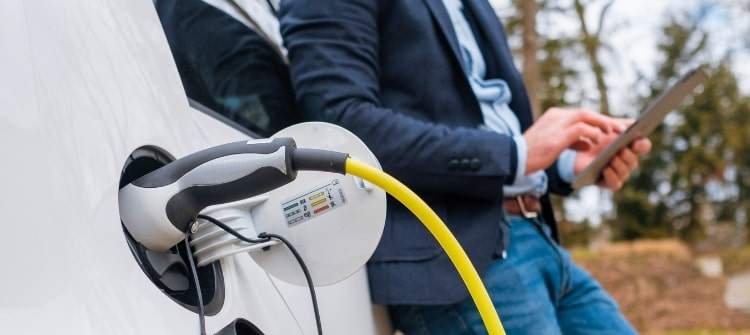
This is a major part of the Electric Car Pros and Cons. Even fast charging is slower than a gas fill-up. Home charging is convenient, but it can still take hours. On a road trip, charging stops can add time to the trip.
Some drivers do not mind this because they charge while sleeping or working. Others find it frustrating. Your patience level matters more than many salespeople admit.
Range can create planning pressure
Most modern EVs have a range that works well for daily use. But range still matters. Cold weather, fast driving, hills, heavy loads, and air conditioning can reduce it. That means the number shown by the manufacturer is not always what you get in real life.
Here is another beginner mistake: people choose a car based on a perfect-weather range number, then feel disappointed later. It is better to think about your real routine. If your daily drive is 30 miles, a 300-mile range may be enough. If you take long road trips often, the situation changes.
Public charging is not equally available everywhere
Some areas have many charging stations. Others have very few. If you live in an apartment, rent a home without charging access, or travel through rural roads, charging can be less simple.
This is why location is so important. An EV can be easy to own in one city and annoying in another. Before buying, check the charging map around your home, office, and regular travel routes.
Battery degradation over time
All batteries lose some capacity as they age. That does not mean the car stops working, but range can slowly drop. Most EV batteries are designed to last many years, yet the long-term effect still matters.
Battery aging depends on chemistry, temperature, charging behavior, and the vehicle’s battery-management system. High battery temperatures and very aggressive charging can contribute to degradation, but the effect varies by vehicle and use, so follow the manufacturer’s charging and battery-care guidance.
Insurance and repair costs can be higher
Some electric cars cost more to insure or repair. Parts may be expensive, and not every repair shop is ready to work on all EV models. A small accident can sometimes lead to a larger repair bill than expected.
This is another point people miss when reviewing the Electric Car Pros and Cons. The real cost of ownership is not only fuel and maintenance. Insurance and repair access matter too.
How to think about total ownership cost
Many buyers compare only the sticker price. That is a mistake. A better way is to look at total ownership cost over several years.
Here are the main parts:
- Purchase price — what you pay to buy the car
- Charging or fuel cost — what it costs to keep driving
- Maintenance — service, parts, and routine care
- Insurance — which may be different from a gas car
- Depreciation — how much value the car loses over time
Some EVs are cheaper to own over five years even if they cost more at first. Others are not. The answer depends on electricity price, annual mileage, resale value, and the specific model.
For a good reality check, compare at least two or three cars in the same class. A compact EV and a large electric SUV can have very different ownership costs, even if both are electric.
Who is a good fit for an electric car?
An electric car is often a strong choice if you:
- Drive mostly in the city or suburbs
- Can charge at home or at work
- Have a predictable daily route
- Want lower running cost over time
- Like quiet, smooth driving
EVs are often less ideal if you:
- Take long road trips often with little planning
- Live somewhere with limited charging access
- Need the cheapest possible upfront purchase
- Do not want to think about charging routine at all
One non-obvious insight: many people assume EVs are only for tech lovers. That is not true. In real life, EVs often suit practical drivers very well, especially those with short daily trips and home charging.
What to check before you buy
Credit: mightyautoparts.com
Your daily driving pattern
Start with your normal routine. How far do you drive each day? Do you mostly commute, run errands, or travel long distances? If most days are short and predictable, an EV becomes much easier to own.
If your routine changes often, choose a model with enough range buffer so you do not have to think about charging every day.
Charging access at home and work
Home charging is a big advantage, but not everyone has it. If you can install a charger in a garage or driveway, ownership becomes much simpler. If not, look carefully at nearby public options.
Workplace charging can also help. Even a few hours of charging during the day can reduce the need for frequent public charging stops.
Weather in your area
Cold weather can reduce range. Hot weather can also affect battery use, though often less dramatically. If you live in a place with harsh winters, choose a car with more range than you think you need.
This is one of the smartest ways to avoid regret. A car that seems “enough” in a warm climate may feel tight in winter.
Road trip habits
If you travel long distances often, study charging speed, not only range. A car with a very large battery but slow charging may still feel inconvenient on trips.
Look at how fast the vehicle can add miles in real conditions. Sometimes a car with slightly less range but better charging speed is the better choice.
Battery warranty and support
Check the battery warranty carefully. It can give you peace of mind about long-term ownership. Also check how easy it is to get service in your area.
A strong warranty is useful, but local service access is just as important. A car is only good if you can maintain it without stress.
A simple view of EV pros and cons
The table below gives a quick picture of the most important trade-offs.
| Area | Pros | Cons |
|---|---|---|
| Running cost | Lower energy cost, less routine maintenance | High electricity rates can reduce savings |
| Convenience | Charge at home, start each day ready | Charging takes longer than refueling |
| Driving feel | Smooth, quiet, quick response | Some drivers miss engine sound or feel |
| Long trips | Can work well with planning | Stops may take longer and require route planning |
| Ownership | Fewer moving parts, less routine service | Battery and repair concerns can raise stress for some owners |
Common mistakes buyers make
Choosing only by range
Range matters, but it is not the whole story. Charging speed, battery size, home charging, and local charging access matter too. A car with huge range is not always the best match.
Ignoring total cost
Some buyers focus on monthly payment alone. That can hide the real cost. Insurance, charging setup, taxes, and depreciation should all be part of the decision.
Not testing real charging life
Before buying, think about where you will actually charge. Will you plug in at home every night? Will you depend on public charging? If so, test the nearby stations before you commit.
Buying too much car
Large electric SUVs can be impressive, but they often cost more to buy, charge, insure, and replace tires on. Many drivers would be happier with a smaller EV that better fits daily needs.
How to decide with confidence
A smart EV decision comes down to fit. If you can charge at home, drive moderate distances, and want lower running cost, an electric car can be a very strong choice. If you often drive far without planning or need the lowest purchase price today, a gas or hybrid car may be easier.
The best way to judge the Electric Car Pros and Cons is to compare them with your own life, not with general hype. Think about where you park, how often you travel, and what annoys you most about your current car.
If you want a trusted outside source for charging standards and general EV information, the U.S. Department of Energy offers helpful guidance at Alternative Fuels Data Center.
In the end, the right electric car should make driving easier, not more stressful. When it matches your routine, it can save money and reduce daily hassle. When it does not, even a very advanced EV can feel like the wrong purchase.
Credit: solarreviews.com
FAQs
1. Are electric cars cheaper to own than gas cars?
Often, yes. Electric cars can cost less to fuel and maintain. But the final answer depends on your electricity price, insurance, battery life, and how much you drive.
2. How long does an electric car battery last?
Most EV batteries are built to last many years. Many owners use them for a long time before seeing serious range loss. Battery care, climate, and charging habits can affect life span.
3. Is range still a big problem with electric cars?
For many drivers, not much. If you charge at home and drive mostly short or medium trips, range may be enough. It becomes more important if you travel long distances often or live far from charging stations.
4. Can I use an electric car for road trips?
Yes, many people do. The key is planning. You need to know where to charge and how long each stop may take. A car with fast charging usually works better for road trips.
5. What should I check before buying my first EV?
Check your daily driving distance, charging access, winter range, warranty, insurance cost, and local service support. These practical details matter more than many buyers expect.