
Planning a road trip with an electric car is not just about picking a route and packing your bags. It’s a smart journey that needs careful thought—especially for charging, route planning, and understanding how your EV behaves on the open road. More people now choose electric cars for long drives, but many first-timers worry about range, charging station availability, and unexpected delays. This guide helps you plan a smooth, confident electric car road trip, whether you’re a beginner or already drive electric daily.
Choosing The Right Electric Car For Road Trips
Not all electric cars are equal when it comes to road trips. Some models are built for city use, while others can handle highways and long distances.
- Battery range: Look for a model with at least 250 miles of range for less frequent charging.
- Charging speed: Fast-charging capability (like DC fast charging) is a must for long trips.
- Cargo space: Road trips often need more luggage. Check the trunk and back seat space.
- Comfort and tech: Features like adaptive cruise control, navigation, and heated seats can make a big difference.
For example, the Tesla Model 3 Long Range offers over 350 miles per charge and a fast Supercharger network, making it one of the most popular options for road trippers. The Hyundai Ioniq 5 and Ford Mustang Mach-E are also strong choices, with modern features and fast charging.
Planning Your Route And Charging Stops
A good route plan is the heart of any electric car road trip. Unlike gas stations, charging points are less common, especially in rural areas. Careful planning ensures you avoid “range anxiety” and unexpected stops.
Using Ev Route Planners
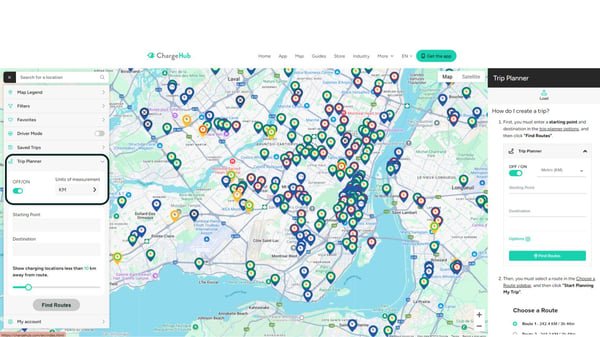
Special apps and websites help you plot your journey and find charging stations along the way. Some popular tools include:
- A Better Routeplanner (ABRP)
- PlugShare
- Tesla’s built-in navigation (for Tesla owners)
These planners let you enter your car model, starting point, and destination. They calculate when and where you should stop for charging.
Mapping Charging Networks
Electric car charging stations are growing, but their speed and availability vary. Here’s how three major networks compare in the USA:
| Network | Number of Fast Chargers | Coverage | Cost (per kWh) |
|---|---|---|---|
| Tesla Supercharger | ~2,000 locations | Nationwide (best on highways) | $0.25–$0.58 |
| Electrify America | ~800 locations | Major cities and highways | $0.31–$0.43 |
| EVgo | ~850 locations | Urban and suburban | $0.27–$0.40 |
Always check the latest data, as charging networks expand quickly.
Credit: www.ionage.in
Understanding Ev Range In Real Life
Manufacturers’ range estimates are based on perfect conditions. In reality, real-world range changes because of:
- Speed: Fast driving uses more battery.
- Weather: Cold or very hot temperatures can lower range by up to 30%.
- Air conditioning or heating: These use extra power.
- Hills and mountains: Climbing uses more energy.
For example, if your car’s official range is 300 miles, plan for 220–250 miles per charge on the highway, especially in winter.
Charging Strategies For The Road
Charging is different from filling up a gas tank. It’s important to know when, where, and how to charge on the go.
Types Of Charging Stations
- Level 1: Standard wall outlet; adds 3–5 miles per hour. Too slow for road trips.
- Level 2: Public chargers at hotels or malls; adds 15–30 miles per hour. Good for overnight stops.
- DC Fast Charging: Adds 150–300 miles in 30–40 minutes. Best for road trips.
How Long To Charge
Charging speed slows as the battery fills up. It’s fastest between 10% and 80%. Many drivers “top up” to 80% and then continue, instead of waiting for a full charge.
| Charge Level | Time to Add 100 Miles | Best Use |
|---|---|---|
| Level 1 | 20+ hours | Emergency only |
| Level 2 | 4–6 hours | Overnight at hotels |
| DC Fast | 15–30 minutes | Quick stops on highways |
Charging Etiquette
- Move your car when finished charging.
- Don’t unplug others (unless allowed).
- Leave space for all drivers.
Packing Essentials For Your Electric Car Road Trip
A little preparation makes travel easier and reduces stress. Here’s what to bring:
- Charging cables and adapters: Not all stations have the same connector. Carry a portable charger and at least one adapter for local networks.
- Backup charging apps: Download a few charging apps in case your main one fails or does not show all locations.
- Physical maps: GPS can fail in remote areas. A paper map is useful for backup.
- Warm clothes and snacks: In case you need to wait while charging, especially in cold weather.
- Emergency kit: Include a tire inflator, flashlight, and first aid supplies.
- Payment cards: Some networks need a specific card or app to start a charge.
Non-obvious insight: Many hotels now offer free Level 2 chargers for guests. Book hotels with charging in advance—this can save you time and money.
Maximizing Efficiency And Saving Time
Electric car road trips are different from driving a gas car. Here’s how to get the most out of every charge:
- Drive at moderate speeds. Driving over 70 mph lowers range quickly.
- Use eco mode. This setting helps the car use less energy.
- Precondition the battery before reaching a fast charger. Some cars let you warm up the battery for faster charging (especially in winter).
- Limit heavy loads. More weight means more energy use.
- Plan meal or bathroom breaks during charging stops to save time.
A clever tip: Try to arrive at fast chargers with 10–20% battery left. Charging is fastest at lower battery levels.
Dealing With Range Anxiety And Unexpected Situations
Range anxiety is the fear of running out of battery. It’s common on your first long trip. Here’s how to handle it:
- Plan shorter segments if you’re nervous. More, shorter stops are better than risking a long gap.
- Always have a backup station within 20–30 miles of your route.
- Watch battery percentage, not just miles left. Uphill roads can use more energy than expected.
- Ask for help. Many EV drivers are friendly and willing to share advice at charging stations.
If you ever run low, slow down to increase your range. Dropping from 70 mph to 55 mph can add 10–20% more distance.
Cost Comparison: Electric Vs. Gasoline Road Trips
Many people choose EVs to save money. Here’s how the costs compare for a 1,000-mile trip:
| Vehicle Type | Fuel/Energy Cost | Notes |
|---|---|---|
| Electric (EV) | $40–$60 | Assumes average $0.35/kWh |
| Gasoline Car | $120–$180 | Assumes 30 mpg, $4.50/gal |
Electricity is usually cheaper, especially if you use free hotel charging. However, some fast chargers cost more, especially in remote areas.
Credit: chargehub.com
Real-life Example: A Cross-country Electric Road Trip
Let’s look at a typical EV road trip from Los Angeles to Denver (about 1,000 miles):
- Car: Hyundai Ioniq 5 (range: 300 miles)
- Planned stops: 3 fast charging stops (250–280 miles between each)
- Charging time per stop: 30–40 minutes
- Total charging cost: Around $50
- Hotel: Booked with Level 2 charging, saving an extra stop
The trip took 16 hours, including charging and meals. The driver used A Better Routeplanner to avoid remote areas with few chargers.
Non-obvious insight: Charging stops often fit well with breaks you’d take anyway for food or rest, making the time feel less wasted.
Common Mistakes To Avoid
New electric car drivers often make simple mistakes on their first road trip:
- Trusting the range too much: Always plan for less than the official maximum.
- Not checking charging station status: Some stations are out of order or busy. Check app reviews before you arrive.
- Ignoring hotel charging: Skipping overnight charging means more daytime stops.
- Forgetting adapters: Without the right adapter, you may not be able to use some chargers.
- Arriving with low battery at remote chargers: Always keep a buffer in rural areas.
Making Your Trip Enjoyable
Road trips are about adventure, not just efficiency. Here’s how to make your journey better:
- Explore local sights near charging stops.
- Try new restaurants while waiting for your car to charge.
- Take scenic detours if you have extra range.
- Connect with other EV drivers—charging stops are social!
Remember, electric car road trips are not just about getting from A to B. They’re about the journey, and with the right plan, they’re easier and more fun than many expect.
Frequently Asked Questions
How Far Can An Electric Car Go On A Single Charge?
Most modern electric cars can travel 200–350 miles per charge, depending on the model. Highways and cold weather can reduce this range. Always plan for less than the maximum, and use route planning tools to avoid running low.
How Do I Find Charging Stations On My Road Trip?
You can use apps like PlugShare, A Better Routeplanner, or your car’s navigation system. These show station locations, charging speed, and user reviews. Always check that the station is working before you arrive.
How Long Does It Take To Charge An Electric Car On The Road?
It depends on the charger type. DC fast chargers can add 150–300 miles in 30–40 minutes. Level 2 chargers (found at hotels) are slower and good for overnight charging. Level 1 (regular outlets) are too slow for most road trips.
What Happens If I Run Out Of Battery?
If your battery runs out, you’ll need to call for roadside help, just like with a gas car. Some services can tow you to the nearest charger. To avoid this, always keep a buffer and know your backup charging options.
Is It Cheaper To Road Trip With An Electric Car Than A Gasoline Car?
Usually yes. Electricity often costs less than gasoline, especially if you use free hotel charging. For example, a 1,000-mile trip can cost $40–$60 in an EV, compared to $120–$180 for a gasoline car. For more details, visit the U.S. Department of Energy.
Planning an electric car road trip might seem challenging at first, but with the right tools and mindset, it’s a rewarding experience. You’ll save money, help the environment, and discover a new way to travel. Safe and happy driving!
Credit: chargehub.com