
Electric cars are changing the way people think about driving and the environment. Their popularity is growing fast, as more people want cleaner air and lower fuel costs. But as electric cars become more common, new questions about safety are rising. These concerns are not just about crashes—they include batteries, fire risks, silent operation, and even how first responders handle accidents.
Understanding electric car safety is important for anyone thinking about buying one, or just sharing the road with these vehicles. In this article, you’ll find a clear, detailed guide to the most important electric car safety concerns. We’ll cover real-life examples, expert advice, and the facts you need to make smart decisions.
Battery Safety And Fire Risks
The lithium-ion battery is the heart of every electric car. These batteries store a lot of energy in a small space. While they are designed with many safety features, there are still risks that need attention.
How Battery Fires Happen
Electric car batteries can catch fire when they are damaged, overcharged, or if there is a manufacturing fault. Unlike gasoline fires, battery fires can start from inside the battery cells and are often harder to put out. The chemicals inside can burn at very high temperatures and may even reignite after being put out once.
For example, the National Transportation Safety Board (NTSB) found that some electric car fires kept burning for hours, needing special firefighting techniques. While these cases are rare, they show the need for strong safety standards.
Real-world Data
- According to the National Fire Protection Association, electric vehicles are no more likely to catch fire than gasoline cars, but the type of fire is different.
- Tesla, one of the largest electric car makers, reports about one fire for every 205 million miles driven—lower than the average for gasoline cars.
- Newer batteries include safety features like thermal management systems and automatic shut-offs, but these are not perfect.
Hidden Insight: Thermal Runaway
Most beginners do not know about thermal runaway—when one battery cell overheats, it can cause others to overheat too, leading to a chain reaction. This is why small battery damage can sometimes result in a large fire.
Crash Safety And Structural Design
Car crashes are always a worry, but electric vehicles have some unique design features that affect safety.
Heavier Cars, Different Impact
Electric cars usually weigh more than similar gasoline cars because of their batteries. This extra weight can be good and bad:
- Good: Heavier cars may protect passengers better in a crash.
- Bad: More weight can cause more damage to smaller vehicles or pedestrians in accidents.
Crash Test Results
Most electric cars perform well in crash tests. For example, the Tesla Model 3 and the Hyundai Ioniq 5 both received top safety ratings from the Insurance Institute for Highway Safety (IIHS).
Table: Electric Car Crash Test Ratings
| Model | IIHS Rating | Euro NCAP Rating |
|---|---|---|
| Tesla Model 3 | Top Safety Pick+ | 5 Stars |
| Hyundai Ioniq 5 | Top Safety Pick+ | 5 Stars |
| Nissan Leaf | Good | 5 Stars |
Non-obvious Insight: Low Center Of Gravity
Because batteries are placed under the floor, electric cars have a low center of gravity. This makes rollovers less likely, but if the battery case is damaged, it can increase fire risk after a crash.
Credit: civicscience.com
Electrical Shock And High-voltage Risks
Electric cars run on high-voltage systems—often 400 volts or more. This can be dangerous in accidents or during repairs.
Risk To First Responders
Firefighters and rescue workers need special training to handle electric cars. If they don’t know where the battery and wires are, they could get a serious shock. Some electric cars have clear labels and emergency cut-off switches, but not all do.
Table: Comparison Of High-voltage System Voltages
| Vehicle | System Voltage |
|---|---|
| Tesla Model S | 400 V |
| Porsche Taycan | 800 V |
| Chevrolet Bolt | 350 V |
Charging Station Safety
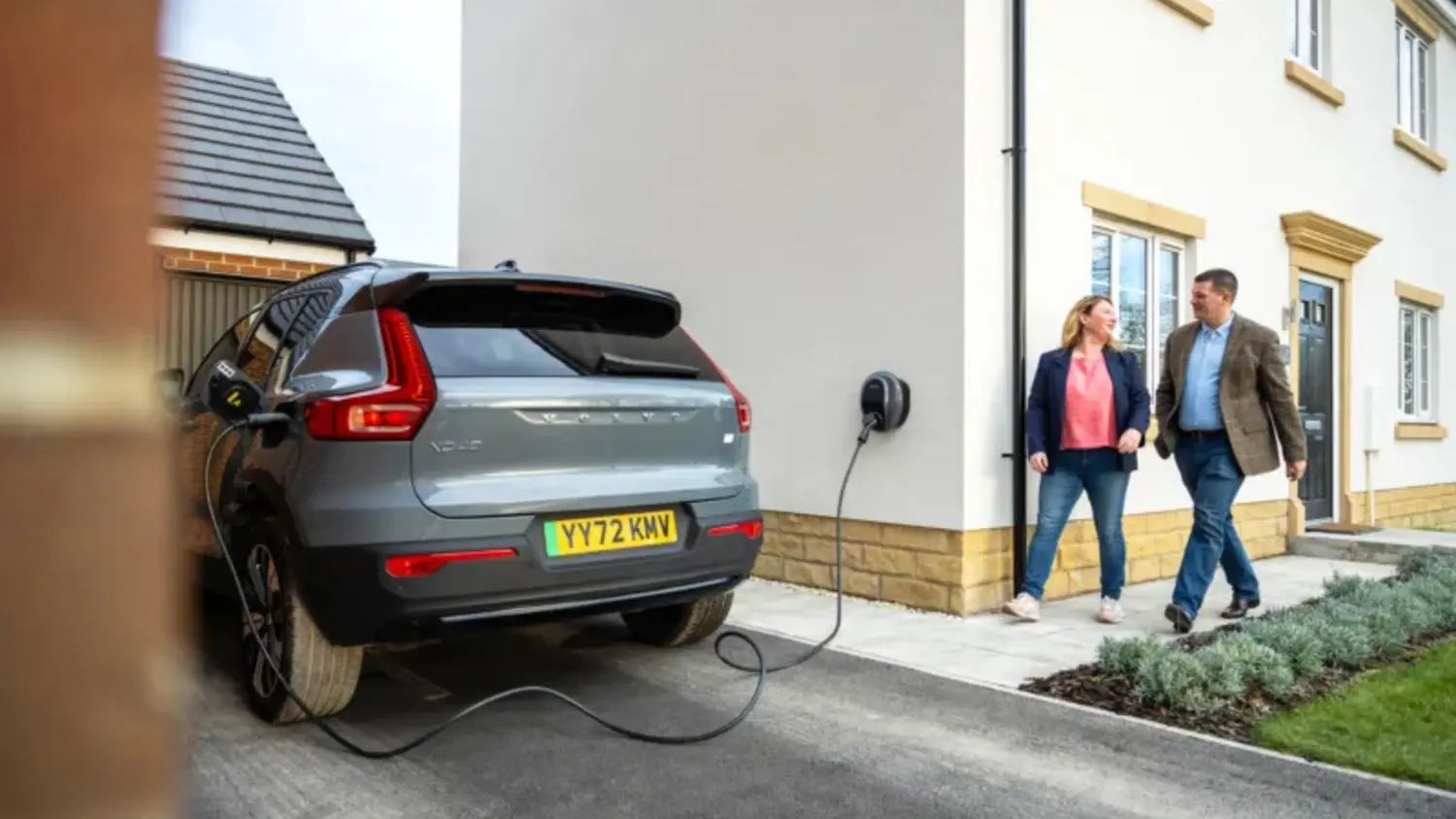
Charging at home or in public stations is safe if you follow basic rules. Always use the right charger, keep the plug and cable in good condition, and never use damaged equipment. Poor wiring or home-made fixes are a common cause of electric shocks and even fires.
Pedestrian Safety And Silent Operation
Electric cars are much quieter than gasoline cars, especially at low speeds. While this is nice for drivers, it creates new risks for people walking or biking.
Harder To Hear
Pedestrians, especially those with poor eyesight, may not hear an electric car coming. To fix this, many countries now require electric cars to make artificial sounds at low speeds.
Table: Minimum Sound Requirements By Region
| Region | Minimum Sound Level | Required Speed Range |
|---|---|---|
| USA | 56 dB(A) | 0–30 km/h |
| EU | 56 dB(A) | 0–20 km/h |
| Japan | Appropriate warning sound | Below 20 km/h |
Extra Insight: Sound Customization
Some car makers let drivers choose the sound their car makes. This is fun, but the sound must still meet safety rules.
Safety During Charging And Parking
Charging an electric car is usually simple, but there are risks if things go wrong.
Overheating And Fire
If the charger, cable, or plug is damaged, it can overheat and start a fire. Always check equipment before plugging in. Do not use extension cords unless they are rated for high power.
Charging In Wet Weather
Modern chargers are designed to work in the rain, but water and electricity are still a risk. Make sure connectors are dry and do not charge if there is flooding.
Parking In Enclosed Spaces
Electric car batteries can release gases if damaged. In rare cases, this can build up in a closed garage and cause an explosion. This is very rare, but it shows why regular battery checks are important.
Software And Cybersecurity Risks
Electric cars rely on software for everything from driving controls to charging. This creates new kinds of safety risks that are easy to overlook.
Hacking Threats
As electric cars become more connected, they can be hacked like computers. Hackers could disable brakes, unlock doors, or even take control of the car. Most brands use strong security systems, but no system is perfect.
Software Updates
Many electric cars get updates over the internet. If an update has a bug, it could cause serious safety problems. For example, a faulty update could affect braking or steering.
Hidden Weakness: Outdated Security
Older electric cars may not get security updates anymore, making them easier targets for cyber attacks.
Credit: fireandsafetyjournalamericas.com
Battery Aging And Maintenance
Batteries wear out over time, just like any other part. As batteries get older, their safety can change.
Reduced Performance
Old batteries hold less charge and can become unstable if not maintained. This can increase the risk of overheating or fire.
Regular Checks
Manufacturers recommend regular battery health checks. These checks can spot problems before they become dangerous.
Replacement Costs
Replacing a battery can be expensive—sometimes as much as $10,000 or more. Using only certified parts and repair shops is important for safety and warranty.
Emergency Response And Rescue Challenges
Responding to an electric car accident is different from regular cars.
Special Training Needed
First responders need to know:
- Where to cut the car open safely
- How to disconnect the battery
- What to do if there is a battery fire
Some fire departments are still learning these skills, which can delay rescue.
Damaged Batteries
If a battery is damaged, it can keep releasing heat or toxic gases. Cars sometimes need to be stored outside after a crash to prevent fires.
Non-obvious Problem: Water Submersion
If an electric car is submerged in water (floods or accidents), there is a risk of short circuits or delayed battery fires. Owners should not try to restart a car that has been underwater.
Credit: podenergy.com
Myths And Misunderstandings
There are many myths about electric car safety. Let’s clear up a few.
- Myth: Electric cars are more likely to catch fire.
- Fact: Electric cars catch fire less often than gasoline cars, but battery fires are harder to fight.
- Myth: Electric cars are unsafe in the rain.
- Fact: Electric cars are well-sealed and safe to drive or charge in normal rain.
- Myth: You can get shocked easily.
- Fact: Safety systems prevent shocks during normal use. Risks are higher only after crashes or with bad repairs.
- Myth: Electric cars are silent and always dangerous to pedestrians.
- Fact: Most new cars make warning sounds at low speeds.
- Myth: Older batteries are just less powerful, not less safe.
- Fact: Aging batteries can be less stable and more risky.
How To Stay Safe With Electric Cars
If you own or are thinking about buying an electric car, here are the best steps to stay safe:
- Learn about your car’s safety features: Read the manual and understand the emergency cut-off and warning labels.
- Use only proper charging equipment: Avoid home-made solutions and damaged plugs.
- Have regular battery checks: Especially as the car gets older.
- Stay updated: Keep software and security systems current.
- Drive carefully: Remember the car may be heavier and quieter than what you’re used to.
- Know emergency steps: Learn what to do after a crash or if you notice smoke or a strange smell.
Frequently Asked Questions
What Should I Do If My Electric Car Catches Fire?
Move away from the car and call emergency services immediately. Do not try to put out a battery fire yourself. Battery fires can reignite, so the car may need special handling by firefighters.
Are Electric Cars Safe In Floods Or Heavy Rain?
Electric cars are designed to be safe in normal rain and even deep puddles. However, if the car is fully submerged, do not try to use it until a professional checks it for safety.
How Often Do Electric Cars Catch Fire Compared To Gasoline Cars?
Electric cars catch fire less often than gasoline cars, but battery fires are harder to put out. Regular checks and careful charging can reduce risk.
Can Hackers Really Control An Electric Car?
While very rare, skilled hackers can sometimes access car systems. Most companies use strong security, and updating your car’s software helps keep it safe.
Where Can I Learn More About Electric Car Safety?
For more information, visit the National Highway Traffic Safety Administration website for the latest research and advice.
Electric cars are a major part of the future, but they bring new safety questions. By learning about the risks and how to manage them, you can enjoy the benefits of electric driving with peace of mind. Stay informed, take care of your car, and you’ll stay safe on the road.