
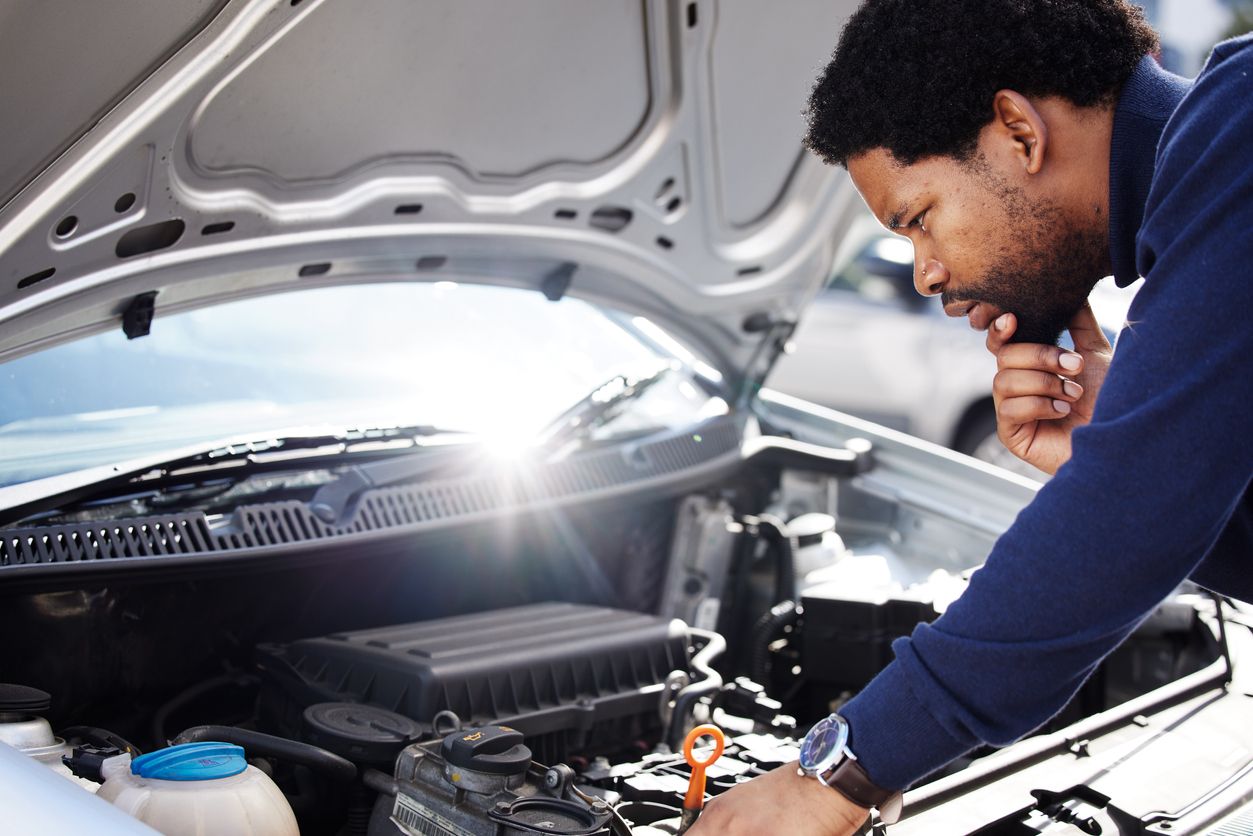
If you’ve ever heard a sharp, metallic tapping sound coming from your car’s engine, you’ve likely encountered engine knocking. This noise can make any driver nervous, and for a good reason. Engine knocking is more than just an annoying sound—it’s often a sign that something is wrong inside your engine. Left unchecked, it can lead to serious damage and expensive repairs. Understanding what causes engine knocking is the first step to fixing the problem and protecting your vehicle’s longevity.
Engine knocking is a complex issue with several potential sources. Some causes are simple and easy to fix, while others require more attention. Let’s look deeper into the main reasons behind this noise, how to recognize them, and what you can do to prevent engine damage.
What Is Engine Knocking?
Engine knocking, also called detonation or pinging, happens when fuel in the cylinder does not burn smoothly. Instead of a controlled burn, pockets of air-fuel mixture explode unevenly, creating sharp pressure waves. These waves hit the cylinder walls and pistons, causing the familiar knocking or pinging sound.
A healthy engine burns fuel in a controlled way, with a single flame front moving smoothly across the combustion chamber. When knocking occurs, there are multiple flame fronts, and the pressure rises too quickly. This not only makes noise but also puts extra stress on engine parts.
Main Causes Of Engine Knocking Noise
Several factors can cause or contribute to engine knocking. Each has its own signs, risks, and solutions. Let’s break down the most common causes.
1. Low-octane Or Poor-quality Fuel
Using fuel with too low an octane rating for your car is one of the leading causes of engine knocking. Octane rating measures a fuel’s ability to resist premature ignition. If the fuel ignites before it should, you get knocking.
Some drivers try to save money by using regular fuel in engines that require premium. While this might work for a short time, it increases the risk of detonation, especially under heavy load or hot weather.
Insight: Modern engines with knock sensors can adjust timing to compensate, but this reduces power and efficiency.
2. Incorrect Ignition Timing
The ignition timing controls when the spark plug fires during the engine’s cycle. If the spark occurs too early (advanced timing), the air-fuel mixture ignites while the piston is still moving up, causing knocking.
This problem is more common in older vehicles with adjustable distributors. Modern engines use computers to manage timing, but a faulty sensor or ECU error can still cause early ignition.
3. Carbon Deposits In The Combustion Chamber
Over time, carbon deposits build up on the piston crown, cylinder head, and valves. These deposits reduce the volume of the combustion chamber, raising the compression ratio. This makes the air-fuel mixture more likely to ignite early, leading to knocking.
Carbon build-up is often caused by short trips, poor-quality fuel, or not driving the engine hard enough to burn off deposits.
Non-obvious tip: Using fuel system cleaners or occasionally running the engine at higher RPMs can help reduce carbon deposits.
4. Overheating Engine
An overheating engine increases the temperature inside the combustion chamber. Higher temperatures can cause the fuel to ignite before the spark plug fires, especially if the cooling system is not working properly.
Common reasons for overheating include low coolant, a faulty thermostat, or a blocked radiator.
5. Lean Air-fuel Mixture
A lean mixture means there’s too much air and not enough fuel in the combustion chamber. Lean mixtures burn hotter and faster, which raises the risk of detonation.
This can be caused by a weak fuel pump, clogged injectors, vacuum leaks, or a faulty mass airflow sensor.
6. Faulty Or Clogged Fuel Injectors
Fuel injectors are responsible for delivering the correct amount of fuel. If they become clogged or faulty, they may not supply enough fuel, causing a lean mixture and knocking.
Symptoms include rough idling, poor acceleration, and increased fuel consumption.
7. Worn Or Damaged Spark Plugs
Old, dirty, or incorrect spark plugs can cause poor ignition and pre-ignition. If the spark plug gets too hot or fires at the wrong moment, it can ignite the mixture too soon.
Always use spark plugs recommended by your car’s manufacturer. The wrong heat range can create problems even if the plug is new.
8. Bad Knock Sensor
Most modern engines have a knock sensor that detects knocking and tells the computer to adjust timing. If this sensor fails, the engine can’t correct for early detonation, and knocking continues or gets worse.
A faulty knock sensor often triggers a check engine light and can be diagnosed with a scan tool.
9. High Engine Load Or Heavy Towing
When your engine is under high load—for example, going uphill, towing a trailer, or carrying heavy cargo—it’s more likely to knock. The extra pressure and heat increase the chance of detonation, especially if using low-octane fuel.
10. Wrong Compression Ratio
The compression ratio is set during engine design. If an engine is rebuilt with the wrong pistons or cylinder head, the compression ratio may be too high for the available fuel, leading to knocking.
This is more common in older cars or modified engines.
11. Poor Engine Oil Quality
Engine oil helps cool and lubricate moving parts. Low-quality or old oil can increase engine temperature and allow carbon deposits to form, both of which contribute to knocking.
Changing oil at recommended intervals is essential for engine health.
12. Timing Chain Or Belt Issues
A worn timing chain or belt can cause the valves and pistons to become out of sync. This can lead to incorrect ignition timing and, in turn, engine knocking.
Regular maintenance and replacement as recommended by the manufacturer are vital.
13. Egr System Problems
The exhaust gas recirculation (EGR) system reduces combustion temperature by sending some exhaust gases back into the intake. If this system is blocked or not working, temperatures rise, and knocking is more likely.
A failing EGR valve can also cause rough idle and reduced fuel economy.
14. Intake Air Temperature Too High
Hot intake air makes detonation more likely. This can happen if the air filter is dirty, the intake system is restricted, or the car is driven in extremely hot weather.
Cold air intakes or improved airflow can sometimes help, but it’s important not to introduce unfiltered air.
15. Malfunctioning Sensors
Modern engines rely on sensors like the O2 sensor, MAF sensor, and coolant temperature sensor to manage air-fuel mixture and timing. If any of these sensors give incorrect readings, the engine may run lean or advance timing, causing knocking.
How To Identify Engine Knocking
Recognizing engine knocking early can prevent major problems. The sound is usually:
- A pinging or tapping noise, most noticeable during acceleration or climbing hills
- Louder than normal engine sounds
- More noticeable when the engine is hot or under load
If you hear this noise, it’s important to diagnose and fix the cause quickly.
Engine Knocking Vs. Other Engine Noises
Not every strange sound from your engine is knocking. Here’s a quick comparison:
| Noise Type | When It Occurs | Possible Cause |
|---|---|---|
| Knocking/Pinging | During acceleration, high load | Detonation, fuel, timing issues |
| Ticking | Idle or low speed | Lifter or valve noise |
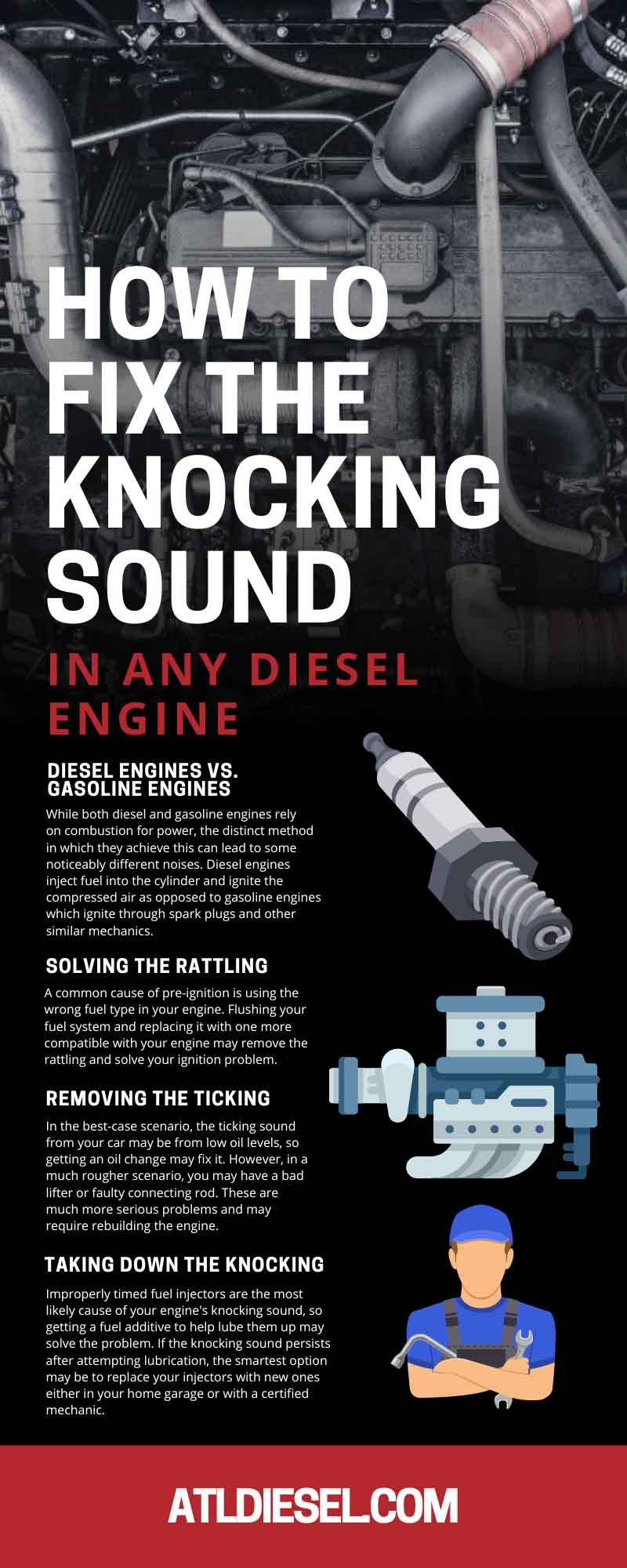
| Rattling | All speeds | Loose heat shields, timing chain |
Credit: www.tiresplus.com
Consequences Of Ignoring Engine Knocking
Engine knocking is not just a noise problem. If ignored, it can lead to serious damage, such as:
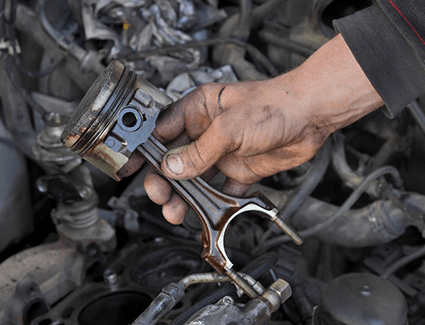
- Piston damage: Holes or cracks in the piston crown
- Cylinder wall scoring: Deep grooves or scratches
- Damaged bearings: Leading to a seized engine
- Valve damage: Burned or bent valves
Repairing these issues is expensive and sometimes means replacing the engine.
Preventing Engine Knocking
You can reduce the risk of engine knocking by following these steps:
- Use the correct fuel: Always follow the octane rating recommended in your owner’s manual.
- Maintain your engine: Change oil and filters regularly, and use high-quality parts.
- Check and replace spark plugs: Use the right type and replace at recommended intervals.
- Keep the cooling system in good shape: Ensure coolant is topped up and the radiator is clean.
- Clean the fuel system: Use fuel system cleaner occasionally to prevent carbon build-up.
- Repair engine sensors promptly: Fix any check engine lights or sensor faults immediately.
Expert tip: If you often drive in hot weather, tow, or carry heavy loads, consider using a higher-octane fuel even if your car doesn’t require it.
Credit: www.capitolsubaru.com
Troubleshooting: Quick Reference Table
Here is a simple guide to possible causes and solutions:
| Possible Cause | What to Check | Suggested Action |
|---|---|---|
| Low-octane fuel | Fuel type used | Switch to recommended octane |
| Incorrect timing | Timing marks, scan tool | Adjust or repair ignition system |
| Carbon deposits | Spark plug inspection | Use cleaner, consider decarbonizing |
| Lean air-fuel mixture | Fuel pressure, sensor readings | Repair injectors, fix vacuum leaks |
Real-world Example: A Case Of Engine Knocking
Let’s say a car owner notices a metallic pinging sound when accelerating. They remember recently filling up with cheaper, regular fuel instead of the usual premium. After switching back to premium fuel, the noise disappears. This real-life example shows how important fuel choice is for engines designed for high-octane gasoline.
In another case, a driver ignores the knocking, thinking it’s harmless. After several weeks, the engine loses power and begins smoking. A mechanic finds a damaged piston, requiring a costly rebuild. This shows why you should never ignore engine knocking.
When To See A Mechanic
While some causes, like low-octane fuel, are easy to fix, others require professional help. Seek a mechanic if:
- The noise continues after changing fuel or spark plugs
- You have a check engine light
- The car loses power, smokes, or uses more oil
A trained technician can diagnose deeper problems, like faulty sensors or internal engine damage.
Frequently Asked Questions
What Does Engine Knocking Sound Like?
Engine knocking usually sounds like a sharp, metallic tapping or pinging. It’s most noticeable during acceleration, under heavy load, or when climbing hills. The noise is different from normal engine sounds and often comes from deep within the engine.
Can Engine Knocking Damage My Car?
Yes, long-term engine knocking can cause serious damage. It can harm pistons, cylinder walls, bearings, and valves. If you hear persistent knocking, fix the cause as soon as possible to avoid expensive repairs.
Is It Safe To Drive With Engine Knocking?
Driving with engine knocking for a short distance to reach a repair shop is usually safe. However, continuing to drive for days or weeks can lead to major engine damage. Always address the cause quickly.
How Do I Stop Engine Knocking?
First, check your fuel. Use the recommended octane, and don’t use old or contaminated gasoline. Replace spark plugs with the correct type, and keep your engine well maintained. If the problem continues, see a mechanic to check for deeper issues.
Can Engine Knocking Be Fixed By Using Additives?
Fuel additives can help reduce carbon deposits and clean injectors, which may reduce knocking. However, they won’t fix problems like worn parts, incorrect timing, or faulty sensors. Use additives as a preventive measure, not as a cure for ongoing problems.
If you want to learn more about combustion and knocking, you can visit Wikipedia’s engine knocking page for more technical details.
Engine knocking is a warning sign your car should never ignore. By understanding the causes and acting early, you can keep your engine running smoothly and avoid costly repairs. Listen to your engine—it’s trying to tell you something important.
Credit: atldiesel.com