
Engine misfiring is one of the most frustrating issues car owners can experience. Your engine might feel rough, your car may jerk, and the check engine light could come on. If you ignore these signs, your engine could suffer more serious damage over time.
Understanding engine misfiring symptoms and their causes can help you fix problems early and keep your car running smoothly.
What Is Engine Misfiring?
When your engine misfires, one or more of its cylinders fail to produce power at the right time. This means the fuel and air mixture inside the cylinder does not ignite or burn correctly. Misfires can happen occasionally or constantly, and they often make your engine run rough or lose power.
These problems not only affect performance but also increase emissions and fuel consumption.
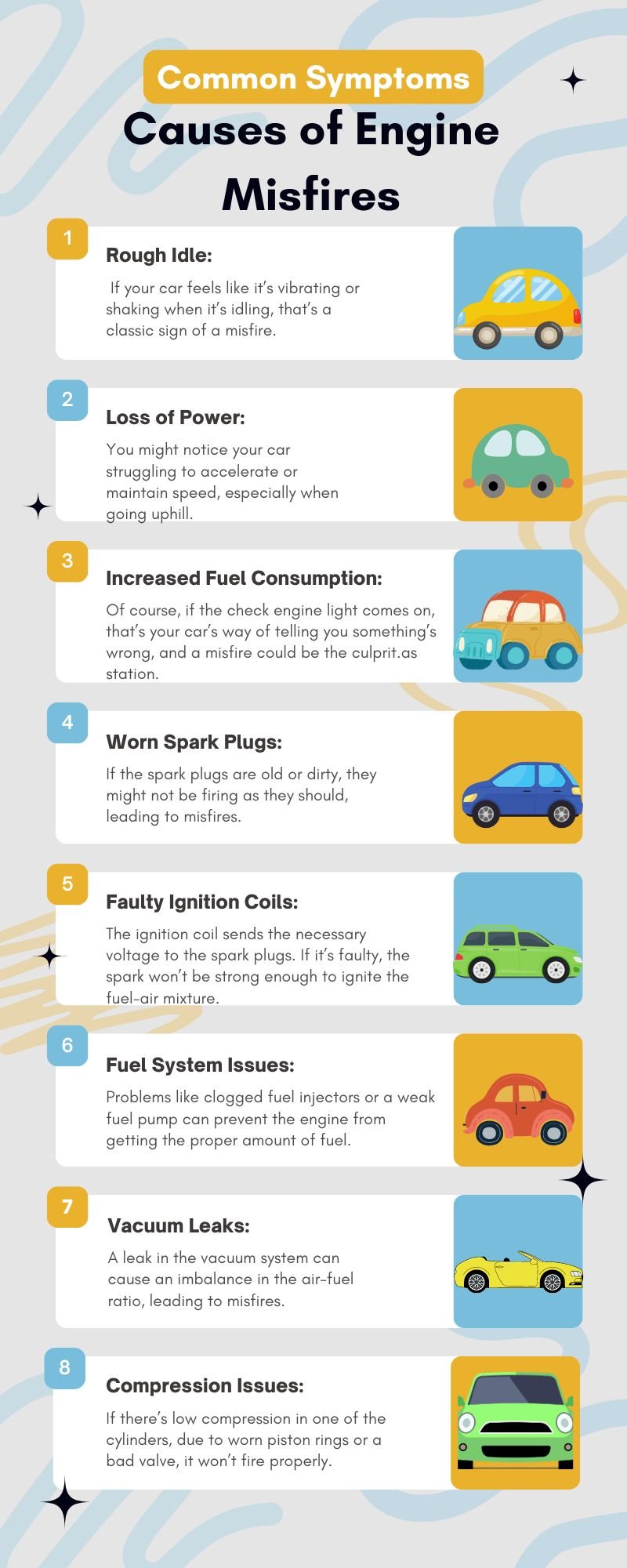
Common Symptoms Of Engine Misfiring
Spotting a misfire early can prevent expensive repairs. Here are the main signs you might notice:
1. Rough Idle
When your engine is idling, it should run smoothly and quietly. A rough idle feels like the engine is shaking or vibrating. You might notice the steering wheel or seats trembling when you stop at a light. This usually means one or more cylinders are not firing properly.
2. Engine Stumbling Or Hesitation
If your car hesitates or feels slow when you press the gas pedal, it could be a misfire. The engine may stumble or lag before picking up speed. This happens because some cylinders are not producing power, so acceleration feels uneven.
3. Check Engine Light
A check engine light is often triggered by a misfire. Modern cars have sensors that detect when the engine is not running as it should. The light may blink or stay on, and a code is stored in the computer memory. Mechanics can read this code to find out which cylinder is misfiring.
4. Poor Fuel Economy
If your engine is misfiring, it burns fuel less efficiently. This means you may have to fill up the gas tank more often. Poor fuel economy is a common clue that something is wrong under the hood.
5. Engine Vibrations
A misfiring engine can cause noticeable vibrations. You might feel the whole car shaking, especially at low speeds or when stopped. These vibrations happen because the engine is unbalanced.
6. Loss Of Power
When your car loses power, especially during acceleration or climbing hills, a misfire could be the reason. The engine cannot deliver its full strength if one or more cylinders are not working properly.
7. Exhaust Smoke Or Strange Smells
Misfiring can cause unusual exhaust smoke. You might see black, white, or blue smoke coming from the tailpipe. Sometimes, you can also smell raw fuel or a rotten egg odor. These are signs the fuel is not burning correctly.
8. Backfiring Or Popping Sounds
A misfiring cylinder can send unburned fuel into the exhaust system, causing backfiring or popping noises. These sounds are often loud and can be alarming, especially if they happen while driving.
9. Engine Surging
Engine surging means the RPM (revolutions per minute) goes up and down without you pressing the gas pedal. This happens when the engine is not getting a steady power output because of misfiring.
10. Hard Starting
If the engine is hard to start or cranks longer than usual, misfiring could be to blame. The engine needs all cylinders firing together to start quickly.
Credit: www.youtube.com
Main Causes Of Engine Misfiring
There are many reasons why an engine might misfire. Knowing the main causes can help you or your mechanic find the problem faster.
1. Ignition System Problems
The ignition system is responsible for creating the spark that lights the air-fuel mixture. If any part of this system fails, misfires can happen.
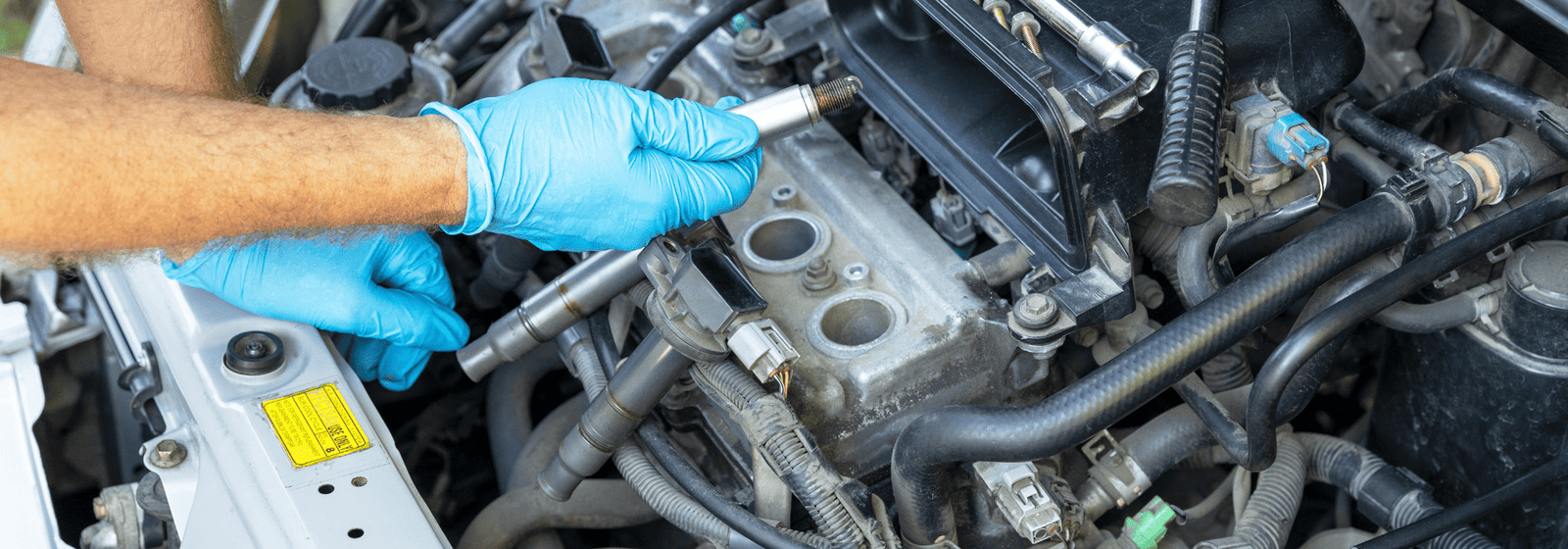
- Faulty spark plugs: Old or dirty spark plugs cannot create a strong spark, leading to weak or missing combustion.
- Bad ignition coils: These turn battery voltage into the high voltage needed for sparks. If they fail, some cylinders may not fire.
- Damaged spark plug wires: Worn or cracked wires can cause the spark to jump to the engine block instead of the spark plug.
2. Fuel System Issues
The fuel system delivers gasoline to each cylinder. Problems here can cause the wrong amount of fuel to reach the engine.
- Clogged fuel injectors: Dirt or carbon deposits can block injectors, stopping the right amount of fuel from reaching the cylinder.
- Weak fuel pump: If the fuel pump cannot send enough fuel, the engine will run lean and misfire.
- Dirty fuel filter: A blocked filter reduces fuel flow and pressure, causing misfires under load.
3. Air Intake Problems
The engine needs a precise mix of air and fuel. If the air intake system has problems, the mixture will not be correct.
- Vacuum leaks: Cracked hoses or intake gaskets can let extra air in, making the mixture too lean for proper combustion.
- Dirty air filter: A clogged filter restricts airflow, starving the engine of oxygen and causing misfiring.
4. Engine Mechanical Issues
Sometimes, the engine itself is the problem.
- Low compression: Worn piston rings, valves, or head gaskets can cause low compression, making it hard for the engine to fire.
- Timing chain or belt issues: If the timing is off, the valves and pistons do not move together, leading to misfires.
5. Sensor And Computer Faults
Modern engines rely on sensors and computers to adjust the air-fuel mix and spark timing.
- Bad oxygen sensor: This sensor measures exhaust gases. If it gives wrong data, the engine may run too rich or too lean.
- Faulty mass airflow sensor: This tells the computer how much air is coming in. If it fails, the mixture can be wrong, causing misfires.
- Crankshaft or camshaft position sensor failure: These sensors help control spark timing. If they break, the engine can misfire or not start at all.
6. Egr And Emissions System Problems
The exhaust gas recirculation (EGR) system helps reduce emissions by sending some exhaust back into the engine. If it sticks open, too much exhaust enters and causes misfires. Blocked catalytic converters or other emission parts can also cause back pressure and misfiring.
Types Of Engine Misfires
Understanding the type of misfire can help diagnose the cause:
| Type of Misfire | Description | Common Causes |
|---|---|---|
| Single-cylinder | Only one cylinder misfires | Spark plug, coil, or injector issue |
| Multiple-cylinder | Several cylinders misfire at once | Fuel pump, sensor, or timing problem |
| Intermittent | Misfiring happens randomly | Loose wires, failing sensors |
| Consistent | Misfiring happens all the time | Severe mechanical or electronic fault |
How Mechanics Diagnose Engine Misfires
Proper diagnosis is key to solving misfires. Here’s what a typical process looks like:
- OBD-II Scan: Most cars made after 1996 have an onboard diagnostic (OBD) system. Mechanics use a scanner to read error codes that point to the misfiring cylinder or system.
- Visual Inspection: Checking for broken wires, cracked hoses, or visible damage.
- Compression Test: Measures the pressure in each cylinder. Low pressure means worn parts inside the engine.
- Spark and Fuel Testing: Mechanics check if each spark plug and injector is working.
- Sensor Testing: Sensors are tested for proper function and signal output.
Here’s a quick comparison of common diagnostic tools:
| Tool | Main Use | What It Detects |
|---|---|---|
| OBD-II Scanner | Reading error codes | Sensors, misfire location |
| Multimeter | Measuring voltage/resistance | Coil, sensor, wire issues |
| Compression Gauge | Cylinder pressure | Mechanical problems |
| Fuel Pressure Tester | Fuel system pressure | Pumps, filters, injectors |
Real-world Example: How A Misfire Starts
Imagine you have a 10-year-old car. The check engine light comes on, and you feel the engine shaking at idle. The OBD-II scanner shows a misfire in cylinder 3. The mechanic checks the spark plug and finds it is worn out.
After replacing the plug, the engine runs smoothly again. If you had ignored the problem, the unburned fuel could have damaged your catalytic converter, leading to a much more expensive repair.
Non-obvious Insights About Engine Misfires
- Misfires can damage other engine parts. Unburned fuel can overheat and clog the catalytic converter, which is costly to fix.
- Weather and temperature affect misfires. Cold starts and damp weather can make weak ignition parts fail more often. If your car misfires only in the morning or after rain, check your spark plugs and wires first.
- Low-quality fuel is a hidden cause. Sometimes, using poor gasoline can cause deposits on injectors and valves, leading to misfires. Buying fuel from reputable stations reduces this risk.
- Ignoring a misfire can lower resale value. A car with a history of engine misfires often sells for less, as buyers fear hidden engine damage.
Preventing Engine Misfiring
Prevention saves money and keeps your car reliable. Here’s how to reduce the risk:
- Use quality fuel and change the fuel filter as recommended.
- Replace spark plugs at regular intervals. Check your owner’s manual for timing.
- Inspect ignition wires and coils for cracks, burns, or wear.
- Change the air filter regularly to keep the air-fuel mix correct.
- Fix small problems early. If you notice a check engine light or rough idle, do not wait to get it checked.
Credit: www.foxwelldiag.com
Repair Costs For Engine Misfires
Repair costs vary by cause:
| Repair Type | Estimated Cost (USD) | Notes |
|---|---|---|
| Spark Plug Replacement | $50 – $150 | Simple, common repair |
| Ignition Coil Replacement | $100 – $300 | Varies by car model |
| Fuel Injector Cleaning | $50 – $100 | May fix minor clogs |
| Engine Mechanical Repair | $500 – $2000+ | Major fixes, like valves or pistons |
Prices depend on your car’s make, age, and labor rates in your area.
When To Seek Professional Help
If you notice repeated misfiring, strong vibrations, or a flashing check engine light, see a mechanic immediately. A flashing light means the engine could be damaging itself with each mile driven. Some misfires are easy to fix, but others can signal serious engine trouble.
For more technical details on engine misfiring, you can check Wikipedia.
Credit: superiorautoservice.net
Frequently Asked Questions
What Happens If I Keep Driving With A Misfiring Engine?
Driving with a misfire can damage the catalytic converter and other engine parts. It also increases fuel consumption and emissions. If the check engine light is blinking, stop driving and call for help.
Can A Bad Battery Cause Engine Misfire?
Yes, a weak battery can cause poor spark and misfires, especially during startup. However, most misfires are due to ignition, fuel, or air system problems.
How Do I Know Which Cylinder Is Misfiring?
A mechanic can use an OBD-II scanner to read error codes. These codes usually show which cylinder is not firing correctly.
Will Changing Spark Plugs Fix A Misfire?
If the misfire is due to worn spark plugs, replacing them will solve the problem. If not, further diagnosis is needed to check coils, fuel injectors, or sensors.
Are Engine Misfires Expensive To Repair?
Cost depends on the cause. Simple fixes like spark plugs are cheap, but mechanical repairs can be expensive. Early diagnosis usually keeps costs lower.
Engine misfiring is a common but serious problem. By understanding the symptoms and causes, you can catch issues early and avoid major repairs. Regular maintenance, quality fuel, and quick action when you notice something wrong will keep your engine healthy for years to come.