
Engine Sludge Causes And Prevention
Have you ever opened the oil cap of your car and seen a thick, dark, jelly-like substance inside? That’s engine sludge—a hidden but serious problem for many vehicle owners. Sludge can quietly damage your engine, reduce its life, and cost you thousands in repairs. Most drivers don’t realize how quickly sludge can form or how easy it is to prevent with the right habits.
Let’s explore what causes engine sludge, what damage it does, and—most importantly—how you can keep your engine clean and healthy for years to come.
What Is Engine Sludge?
Engine sludge is a sticky, tar-like deposit found inside engines. It forms when motor oil breaks down and mixes with dirt, fuel, water, and other contaminants. Sludge coats engine parts, blocking oil flow and making it hard for the engine to stay cool and lubricated.
While a small amount of sludge is common in older engines, heavy sludge is a warning sign. If not removed, it can cause poor performance, increased fuel use, and even engine failure.
Main Causes Of Engine Sludge
Understanding why sludge forms can help you avoid it. Here are the main reasons engines develop sludge:
1. Infrequent Oil Changes
If you drive too long without changing your oil, it loses its cleaning power. Old oil collects dirt and breaks down, creating sludge. Many drivers forget or delay oil changes, especially if the car seems to run fine.
2. Short Trips And Cold Starts
Short drives don’t let your engine reach full temperature. Cold engines create more moisture and fuel vapors, which mix into the oil and help sludge form. If you often drive only a few miles at a time, your engine is at higher risk.
3. Low-quality Motor Oil
Cheap or poor-quality oil breaks down faster under heat and stress. It can’t protect your engine as well and is more likely to leave sticky deposits.
4. Ignoring Oil Leaks
Small leaks let dirt, dust, and moisture get into the engine. These mix with the oil and speed up sludge creation. Even tiny leaks around gaskets or seals can be harmful over time.
5. Overheating Engines
High engine temperatures “cook” the oil, turning it into tar. Overheating can be caused by a bad thermostat, low coolant, or blocked radiator. Once oil is overheated, it can’t flow or clean properly.
6. Faulty Pcv Valve
The PCV (Positive Crankcase Ventilation) valve removes harmful vapors from the engine. If this valve is clogged or broken, moisture and gases build up, turning oil into sludge.
7. Using The Wrong Oil Type
Every engine needs a specific oil grade and type. Using the wrong oil can lead to poor flow or breakdown at the wrong temperature, which encourages sludge.
8. Delayed Repairs
When warning signs like the oil light or check engine light come on, ignoring them can allow sludge to spread. Small problems grow fast if not fixed early.
9. Driving In Dusty Or Dirty Conditions
Heavy dust, sand, or pollution can get sucked into the engine, especially if the air filter is old. These particles thicken the oil and create sludge.
10. Mixing Different Oils
Some drivers top up their oil with a different brand or type. Mixing oils can cause chemical reactions, which sometimes form sludge or reduce cleaning power.
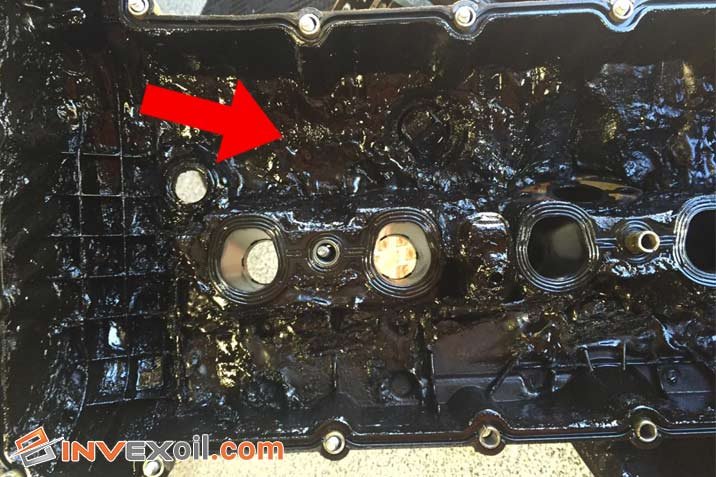
Credit: invexoil.com
How Engine Sludge Damages Your Car
Engine sludge is more than just ugly—it leads to real damage. Here’s what can happen:
- Blocked Oil Passages: Sludge can clog tiny passages, starving parts of oil. This leads to friction and wear.
- Overheating: Oil helps cool the engine. Sludge blocks this, raising temperatures and risking major failure.
- Reduced Power and Efficiency: Engines with sludge work harder, use more fuel, and lose power.
- Expensive Repairs: Cleaning out sludge is labor-intensive. If it damages key parts (like the oil pump or bearings), repairs can cost thousands.
Below is a quick comparison between a clean and a sludged engine:
| Engine Condition | Oil Flow | Cooling Efficiency | Maintenance Cost |
|---|---|---|---|
| Clean | Optimal | High | Low |
| Sludged | Restricted | Poor | High |
How To Identify Engine Sludge Early
Catching sludge early can save your engine. Look for these signs:
- Oil Looks Dark and Thick: Healthy oil is amber and smooth. Sludge makes it black and gummy.
- Oil Light Stays On: The oil pressure warning light may appear if flow is blocked.
- Ticking or Knocking Noises: Sludge reduces lubrication, leading to unusual engine noises.
- Check Engine Light: Some cars detect poor oil flow and trigger this warning.
- Visible Sludge: Open the oil cap and look inside. Brown or black jelly-like material means you have a sludge problem.
Many people ignore these signs, but acting early gives you the best chance to clean the engine without major repairs.
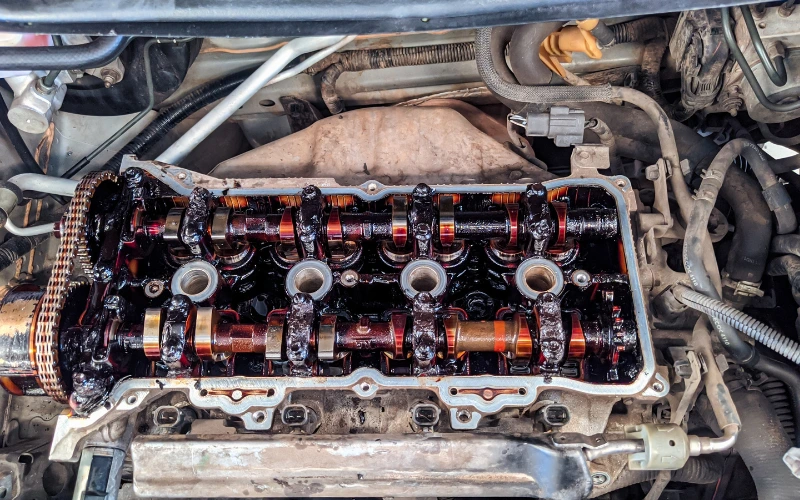
Credit: www.gulfoilltd.com
Proven Ways To Prevent Engine Sludge
Most sludge problems are preventable. Here’s how to keep your engine running clean:
1. Follow Regular Oil Change Intervals
Change your oil and filter as the car’s manual recommends. Most cars need new oil every 5,000–7,500 miles (8,000–12,000 km), but some require more frequent changes in severe conditions.
2. Use High-quality Motor Oil
Choose oils with the right rating for your vehicle. Synthetic oils resist breakdown better than conventional ones and keep engines cleaner.
3. Drive Longer Distances When Possible
Combine short trips to give your engine time to warm up. Warm engines burn off moisture, reducing sludge risk.
4. Fix Leaks Quickly
Repair any oil or coolant leaks right away. This keeps dirt and water out of your engine.
5. Check And Replace The Pcv Valve
A working PCV valve is key to removing harmful vapors. Replace it every 30,000–50,000 miles or as recommended.
6. Don’t Ignore Warning Lights
If your oil light or check engine light comes on, check oil level and quality immediately.
7. Keep The Air Filter Clean
Replace air filters regularly to stop dust and dirt from entering the engine.
8. Use The Right Oil Type
Always follow the manufacturer’s oil specifications for grade (like 5W-30) and type (synthetic, semi-synthetic, or conventional).
9. Avoid Mixing Different Oils
When adding oil, use the same brand and type already in the engine to prevent unwanted reactions.
10. Schedule Regular Engine Inspections
Ask your mechanic to check for sludge, especially if you buy a used car or notice changes in performance.
Examples: Real-world Engine Sludge Cases
Let’s look at two real cases to see the effects of sludge:
Case 1:
A 2010 sedan with 120,000 miles started making a ticking sound. The owner had skipped oil changes for a year. The mechanic found heavy sludge, a blocked oil filter, and worn bearings. Repairs cost over $2,500.
Case 2:
A city taxi running short trips changed oil every 3,000 miles and used synthetic oil. After 150,000 miles, the engine was clean with no sludge. This shows that good habits work, even in tough conditions.
Common Engine Sludge Myths
Many drivers believe myths that can be costly:
- “Sludge only happens in old cars.”
Even modern engines can get sludge if not maintained.
- “Synthetic oil means I never get sludge.”
Synthetic oil helps, but skipping oil changes will still create sludge.
- “A little sludge is normal.”
While some residue is common, visible sludge is a warning sign.
Being aware of these myths helps you make smarter decisions.
Comparing Oil Types For Sludge Prevention
Not all oils protect against sludge the same way. Here’s a quick look:
| Oil Type | Sludge Resistance | Change Interval (Miles) | Cost |
|---|---|---|---|
| Conventional | Low | 3,000–5,000 | Low |
| Semi-Synthetic | Medium | 5,000–7,500 | Medium |
| Synthetic | High | 7,500–10,000 | High |
Synthetic oils are best for preventing sludge, especially in modern engines or extreme climates.
What To Do If Your Engine Already Has Sludge
If you suspect or discover sludge in your engine, act quickly:
- Stop driving if the oil light is on. Continuing to run the engine can cause permanent damage.
- Schedule a professional cleaning. Mechanics can use special solvents or detergents to remove sludge.
- Flush the engine carefully. Some shops offer engine flushes, but overuse can loosen too much sludge and block oil passages.
- Change oil and filter more often. After cleaning, frequent changes help remove leftover debris.
- Check for worn parts. Sludge sometimes damages the oil pump, sensors, or bearings, which may need repair.
Not all engines can be fully cleaned—sometimes the only fix is a rebuild or replacement.
Advanced Tips For Sludge-free Engines
Most guides stop at basic tips, but here are two advanced suggestions:
- Install a high-efficiency oil filter. Some filters trap smaller particles, reducing sludge risk, especially if you drive in dusty areas.
- Use engine oil additives carefully. Some additives help dissolve sludge, but others can harm seals or sensors. Only use products approved by your vehicle’s manufacturer.
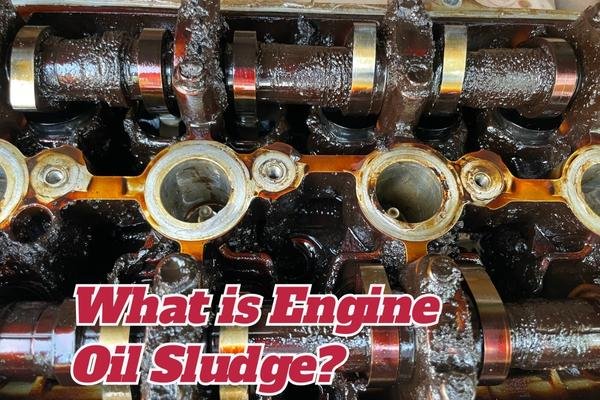
Credit: abcadvancedauto.com
How Prevention Saves Money
Preventing sludge isn’t just about engine life—it saves real money. Here’s a quick comparison:
| Action | Cost (USD) | Long-term Benefit |
|---|---|---|
| Regular oil changes | 30–70 per change | Engine lasts 200,000+ miles |
| Sludge removal & repairs | 500–3,000+ | May reduce engine life |
| Engine replacement | 3,000–7,000+ | New engine needed |
A few dollars spent on maintenance can prevent expensive repairs.
When To Seek Expert Help
If you notice any warning signs—like oil warning lights, strange noises, or visible sludge—get your car checked by a mechanic. DIY fixes can help early, but advanced sludge problems need expert tools and knowledge.
For more technical details on engine oil and sludge, check this Wikipedia article.
Frequently Asked Questions
What Is The Main Cause Of Engine Sludge?
The most common cause is not changing oil often enough. Old oil breaks down and collects contaminants, leading to sludge.
Can Engine Sludge Be Removed Completely?
Yes, with professional cleaning and frequent oil changes. However, severe sludge may cause permanent damage that cleaning cannot fix.
How Often Should I Change Oil To Prevent Sludge?
Follow the manufacturer’s recommendation—usually every 5,000–7,500 miles (8,000–12,000 km). Change it more often in harsh driving conditions.
Is Synthetic Oil Better For Stopping Sludge?
Yes, synthetic oil resists breakdown and keeps engines cleaner, especially under high heat or heavy load.
What Happens If I Ignore Engine Sludge?
Ignoring sludge can cause engine failure, high repair bills, and even total engine replacement. Early action is always cheaper.
Keeping engine sludge away is simple if you understand the causes and act early. With regular maintenance and smart habits, your engine can stay smooth and strong for many years.