
Electric vehicles (EVs) are changing how we move, making our roads cleaner and quieter. But as more people switch to EVs, public charging stations are busier than ever. A peaceful, fair charging experience depends on everyone knowing the basics of EV charging etiquette. If you’re new to EVs or just want to be a better member of this growing community, understanding these unwritten rules is essential.
Charging etiquette isn’t just about being polite—it keeps charging stations running smoothly for everyone. Misunderstandings or careless actions can create long wait times, frustration, or even conflict. This detailed guide will walk you through everything you need to know for a smooth, respectful charging experience.
You’ll learn practical tips, common mistakes to avoid, and real-world examples. By the end, you’ll feel confident using any EV charger, whether it’s your first time or your hundredth.
Why Ev Charging Etiquette Matters
Unlike gas stations, EV charging takes more time. Many public chargers are shared resources, especially Level 2 and DC fast chargers. Some locations have only one or two chargers, so a single car can block access for hours if not used thoughtfully.
Good etiquette ensures:
- Everyone gets a fair chance to charge their car
- Stations stay available for those who need them most
- Less stress and frustration for drivers waiting to charge
With EV adoption rising fast, knowing these etiquette basics isn’t optional—it’s part of being a responsible EV owner.
The Basics Of Ev Charging
Before diving into etiquette, it’s important to understand the types of charging stations:
| Charger Type | Charging Speed | Typical Use |
|---|---|---|
| Level 1 | 2-5 miles/hour | Home, emergencies |
| Level 2 | 10-25 miles/hour | Home, workplaces, public parking |
| DC Fast Charging | 60-250+ miles/hour | Highways, quick top-ups |
Level 2 and DC fast chargers are most common at public stations. Charging times can vary from 30 minutes (for a quick top-up) to several hours, depending on the charger and your battery size.
Key Rules For Public Charging
1. Only Park While Charging
Never use a charging spot just for parking. These spaces are for active charging only. Even if the lot is full, don’t treat an EV spot as a regular space. After your car is done charging, move it as soon as possible.
Example: If you leave your EV in a charging spot while shopping after your session ends, someone else may not be able to charge their car.
2. Don’t Unplug Other Cars
It can be tempting to unplug another car if your battery is low, but this is rarely acceptable. Most drivers frown on unplugging someone else’s EV unless:
- The session is clearly finished
- The charging port is unlocked (some cars auto-lock the cable)
- The charger or app says it’s okay
When in doubt, wait or ask the owner if they’re nearby.
3. Use Charging Apps
Most EV charging networks have apps showing charger status, pricing, and availability. Use these to:
- Check if a charger is working before you arrive
- See if others are waiting
- Start or end your charging session
Some apps let you join a virtual queue or get notified when a charger is free.
Non-obvious insight: Many apps allow you to message other EV owners if you need a quick top-up or want to swap spots.
4. Charge Only What You Need
Don’t “fill up” if you don’t have to. If you only need 40 miles to get home, unplug once you reach that. This frees up the charger for the next person.
Some EV owners make the mistake of always charging to 100%, but this isn’t necessary for daily use and can slow down charging for others.
5. Leave The Cable Neat
After you finish, coil the charging cable neatly or hang it on the holder. Don’t leave it on the ground—it can trip people or get dirty.
6. Don’t Block Charger Access
Even if you’re not using a charger, never park in a way that blocks access for others. This includes leaving your car in front of a charging station “just for a minute. “
Advanced Etiquette For Busy Stations
7. Be Mindful Of Peak Times
Public charging stations are busiest during lunch, after work, and on weekends. Try to plan around these times, or use slower chargers if you’re not in a hurry.
8. Use Fast Chargers Wisely
DC fast chargers are for quick top-ups, not full charges. If your battery is already above 80%, charging slows down and holds up the line. For longer sessions, use a Level 2 charger if available.
9. Share Charging When Possible
Some locations have dual chargers or splitters. If your car can share a port without slowing down another user, do so. Always ask first if you’re unsure.
10. Communicate With Other Drivers
Leaving a note on your dashboard is helpful if you’re shopping nearby (“Back by 2:30 pm—ok to unplug if finished”). Many drivers appreciate this small courtesy.
11. Watch Idle Fees
Some networks charge “idle fees” if you stay plugged in after your car is done charging. These fees can add up fast—set an alarm to remind yourself.
| Network | Idle Fee (per min) | Grace Period |
|---|---|---|
| Tesla Supercharger | $0.50 – $1.00 | 5 min |
| Electrify America | $0.40 | 10 min |
| EVgo | $0.20 | 15 min |
Non-obvious insight: Some idle fees are higher than charging fees, so you could end up paying much more if you’re not careful.
Special Situations And Exceptions
12. Emergency Charging
If you’re almost out of battery and the only charger is in use, it’s reasonable to politely ask the other driver if they can unplug early. Most people understand emergencies but don’t expect them to cut their session short every time.
13. Shared Chargers At Work Or Home
If your workplace or apartment has shared chargers, follow any posted rules. Create a schedule if needed. Don’t unplug coworkers’ cars without asking.
14. Plug-in Hybrids Vs. Full Evs
Plug-in hybrids (PHEVs) can run on gas if the battery is empty, but full EVs cannot. If you drive a PHEV, try to use charging spots only when necessary. At busy stations, it’s courteous to let full EVs charge first.
15. Long-duration Parking
Some locations allow long-term parking at charging stations (e. g. , airports). Always check the rules and move your car as soon as possible after charging. If you must leave it for many hours, consider a Level 1 outlet instead.
What To Avoid: Common Charging Mistakes
- ICEing: When a non-EV parks in a charging spot, blocking access. This is frustrating and sometimes illegal.
- Charging to 100% at a fast charger: This takes much longer and blocks the charger for others.
- Leaving cables on the ground: This creates a mess and can damage equipment.
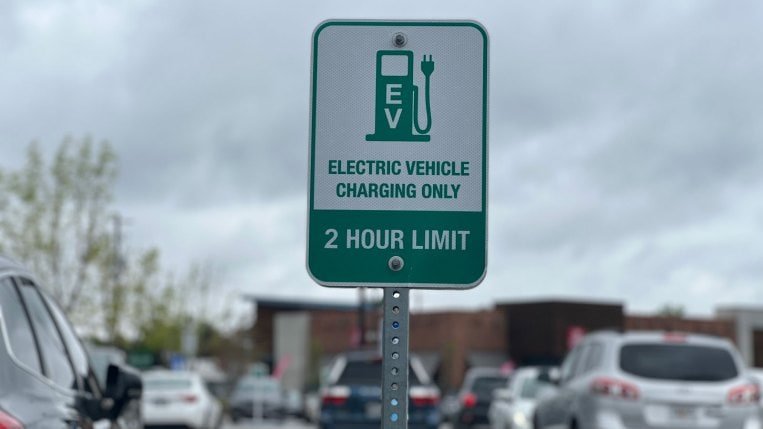
- Ignoring station limits: Some places have a max charging time (e.g., 2 hours). Respect these signs.
- Assuming you can unplug others: Always check local rules or ask first.
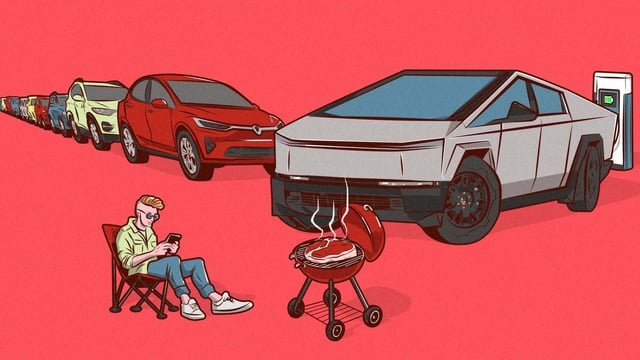
Credit: www.reddit.com
Real-world Scenarios
Example 1: Busy Shopping Mall
You arrive at a mall with four chargers. Two are in use, and two cars are parked but not charging. You wait, but those cars never move. This is unfair and shows poor etiquette. Always move your car after charging.
Example 2: Highway Road Trip
You stop at a DC fast charger with 10% battery. The charger is busy. Don’t unplug others without checking. Use your app to see when a spot opens and be ready to move your car when finished.
Example 3: Workplace Chargers
Your office has three chargers for 20 EVs. A sign-up sheet helps everyone get a fair turn. If you finish early, let others know so they can use the spot.
Charging Etiquette For Different Networks
Some charging networks have specific rules or features. Always check the station’s signs or app for guidelines.
| Network | Reservation | Idle Fee | Contact Options |
|---|---|---|---|
| ChargePoint | Yes | Varies | App, Text |
| EVgo | No | Yes | App, Call |
| Tesla | No | Yes | App |
Knowing your network’s features can help you plan better and avoid mistakes.
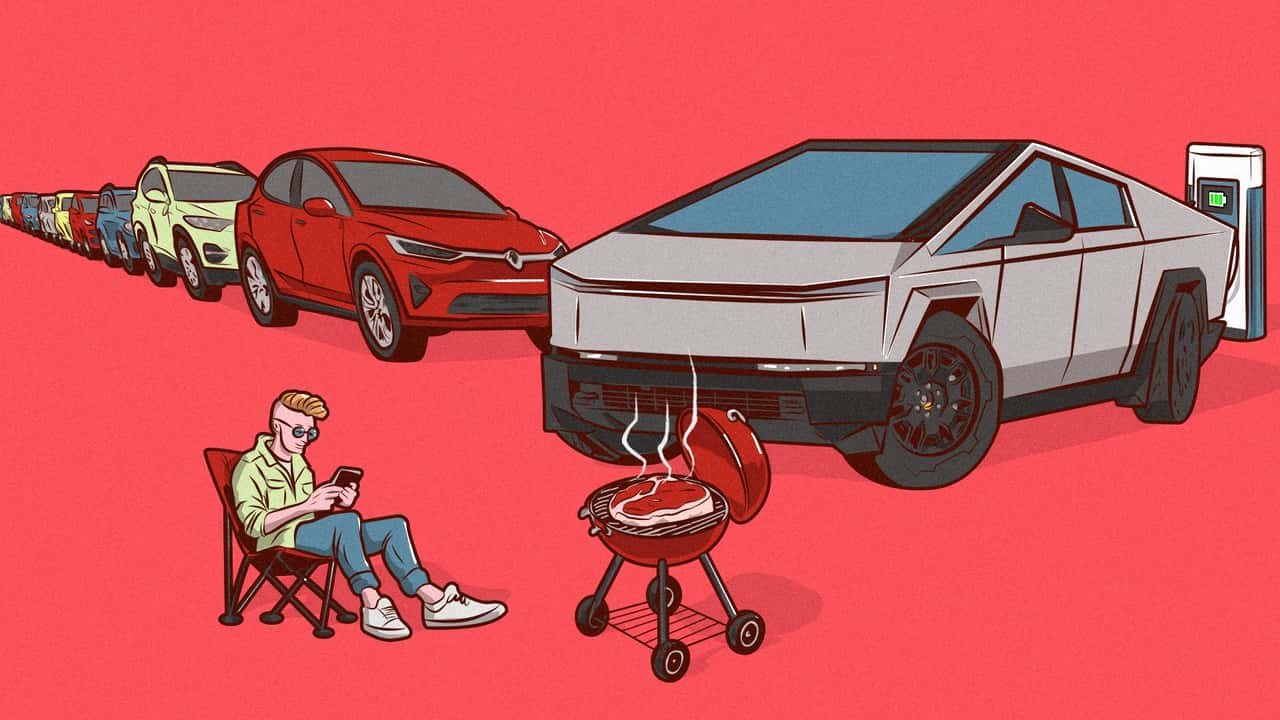
Credit: insideevs.com
Final Thoughts
As EVs become the new normal, charging etiquette will make a big difference in how smooth and enjoyable the experience is for everyone. Small acts of consideration—like moving your car when done, not unplugging others without permission, and keeping cables tidy—help all EV drivers get where they need to go.
The EV community is friendly and growing fast. By following these tips, you’re not just avoiding problems—you’re making public charging better for the next driver, too. For more about the global growth of EVs and charging infrastructure, check out this Wikipedia article.
Frequently Asked Questions
What Should I Do If All The Charging Spots Are Full?
Wait nearby and check charging apps for updates. If you see someone finishing, politely ask when they’ll be done. Never block access or unplug other cars without permission.
Is It Okay To Unplug Another Ev If Their Session Is Finished?
Only if you’re sure their session is complete, their car is unlocked, and the station allows it. When in doubt, wait for the owner or use the app to message them.
What Are “idle Fees” At Charging Stations?
Idle fees are extra charges for leaving your car plugged in after it’s done charging. Many networks add these fees after a short grace period, so move your car as soon as possible.
Can Plug-in Hybrids Use Public Charging Stations?
Yes, but it’s courteous to let full EVs charge first at busy stations, since they cannot drive without electricity. At less busy times, PHEVs are welcome to use chargers.
How Can I Be A Good Ev Charging Neighbor?
Charge only what you need, move your car promptly, keep cables tidy, and communicate with others when needed. Small actions make a big difference for everyone.
Credit: www.kbb.com