
Keeping your car running smoothly is not just about oil changes and tire rotations. Many drivers overlook the Evaporative Emission Control System (EVAP system), a crucial part of your vehicle’s environmental and engine health. Regular EVAP system maintenance can save you money, prevent annoying check engine lights, and help your car pass emissions tests. But what exactly is the EVAP system, and why does it need care? Let’s explore how this often-misunderstood system works, signs of trouble, common maintenance steps, and expert tips you can trust.
What Is The Evap System?
The EVAP system is designed to trap and manage fuel vapors that would otherwise escape from your gas tank and fuel system into the atmosphere. These vapors contain hydrocarbons, which contribute to air pollution and smog. Modern vehicles use a sealed system with valves, hoses, and a carbon canister to store and route these vapors back into the engine to be burned. This not only reduces emissions but also helps maintain fuel efficiency.
Key components include:
- Charcoal canister (stores vapors)
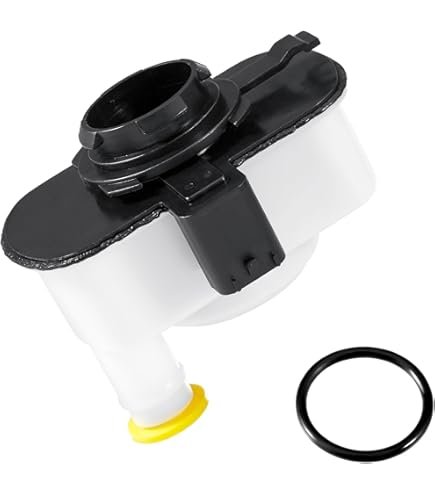
- Purge valve (controls vapor flow to the engine)
- Vent valve (lets air in/out during vapor movement)
- Fuel tank pressure sensor (monitors leaks)
- Hoses and seals (connect components)
If any of these parts fail, the system can leak vapors, trigger the check engine light, or affect engine performance.
Why Evap System Maintenance Matters
Ignoring EVAP system maintenance can lead to several problems. First, a faulty EVAP system is a common reason for failing emissions inspections. In some regions, you cannot renew your registration until the issue is fixed. Second, leaks or broken parts can cause your check engine light to stay on, hiding other potential engine problems.
A small leak, such as a loose gas cap, can waste fuel and cost you money over time. Larger leaks or failed sensors can cause rough idling and poor acceleration. The system also helps your vehicle meet environmental regulations, so regular checks make a real impact.
Credit: tuingenoot.co.za
Signs Of Evap System Problems
You don’t need to be a mechanic to spot EVAP system issues. Here are common warning signs:
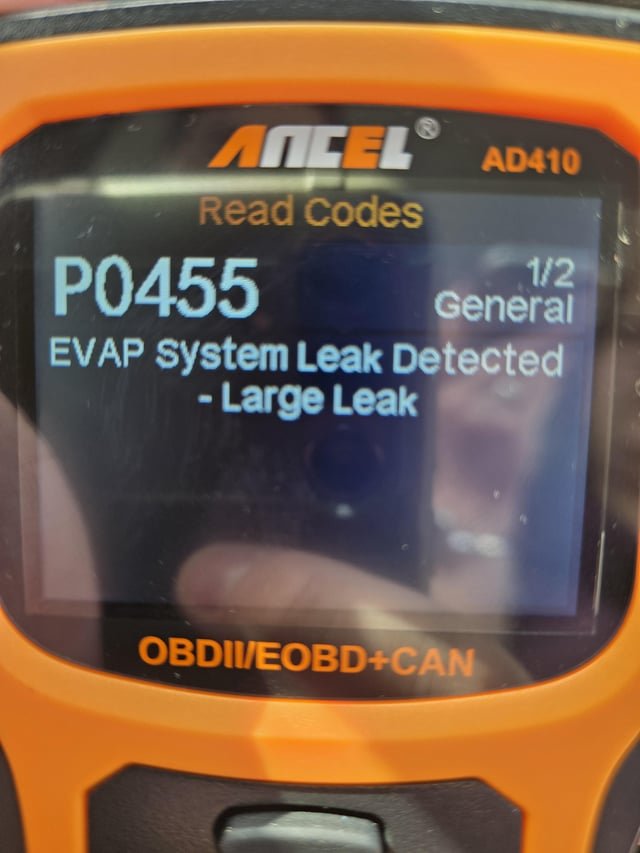
- Check Engine Light: The most obvious sign. Many EVAP problems trigger this warning, sometimes with codes like P0440, P0442, or P0455.
- Failed Emissions Test: If your car doesn’t pass, EVAP leaks are often the cause.
- Fuel Smell: Smelling gasoline near your car, especially around the fuel cap, can mean a vapor leak.
- Poor Engine Performance: Rough idling, hesitation, or stalling can occur if vapors enter the engine at the wrong time.
- Difficulty Filling Gas Tank: If the system is blocked, you may have trouble refueling.
Many EVAP issues are minor, but ignoring them can lead to bigger, costlier repairs.
How The Evap System Works
When you fill your gas tank, some fuel evaporates, creating vapor. The EVAP system captures these vapors in the charcoal canister. During certain engine conditions (usually when cruising), the purge valve opens, letting vapors flow into the engine to be burned. The vent valve ensures air moves in and out, preventing pressure buildup.
If the system detects a leak, it triggers an error code. Modern cars run self-diagnostics on the EVAP system, using sensors to check for proper pressure and flow.
Common Evap System Maintenance Tasks
Keeping your EVAP system in top shape doesn’t require advanced skills, but it does need attention. Here are the main maintenance steps:
1. Inspect The Gas Cap
A loose, cracked, or worn gas cap is the leading cause of EVAP leaks. Always tighten it until you hear a click after refueling. Replace the cap if it doesn’t seal properly or if you see damage to the rubber gasket.
2. Check Hoses And Lines
Over time, hoses can crack, split, or disconnect, especially in older vehicles. Look for:
- Cracks or brittle spots
- Loose or missing clamps
- Hoses that are wet with fuel
Replace damaged hoses with the correct size and type.
3. Examine The Charcoal Canister
The charcoal canister absorbs vapors but can become saturated with fuel (especially if you overfill your tank). Symptoms of a bad canister include strong fuel smells or repeated EVAP codes. If needed, replace the canister—don’t try to clean or dry it out.
4. Test The Purge And Vent Valves
Valves can stick, fail electrically, or become blocked by debris. If you suspect a problem, a technician can test these with a scan tool or multimeter. Sometimes cleaning the valve helps, but replacement is often needed.
5. Inspect Seals And Gaskets
Seals around the fuel tank, canister, and lines can dry out and leak. Check for visible cracks, especially if your car is more than 10 years old.
6. Run An Evap Leak Test
Shops use smoke machines or diagnostic tools to check for leaks. If you have a persistent check engine light, a professional leak test can pinpoint the problem.
Diy Vs. Professional Maintenance
Some EVAP maintenance is simple, like checking the gas cap or inspecting hoses. But diagnosing deeper leaks or bad valves often requires special tools. Here’s a quick comparison:
| Task | DIY Possible? | Tools Needed | Risk Level |
|---|---|---|---|
| Gas cap replacement | Yes | None | Low |
| Hose inspection | Yes | Basic hand tools | Low |
| Valve testing | No | Scan tool/multimeter | Medium |
| Leak test | No | Smoke machine | High |
| Charcoal canister replacement | Sometimes | Wrench set | Medium |
If you’re not comfortable with these repairs, a qualified mechanic can help. Never ignore a check engine light—delaying repairs can lead to bigger issues.
How Often Should You Service The Evap System?
Unlike oil or brakes, the EVAP system doesn’t have a set maintenance schedule. However, it’s smart to:
- Check the gas cap and hoses every 6 months
- Inspect the system before emissions testing
- Replace components at the first sign of trouble
Older vehicles (over 8 years) need more frequent checks as rubber and plastic parts degrade with age.
Cost Of Evap System Repairs
Costs can range widely, depending on the problem:
| Component | Typical Cost (Parts + Labor) | DIY Savings |
|---|---|---|
| Gas cap | $15-$35 | High |
| Hose replacement | $30-$80 | Medium |
| Purge valve | $75-$180 | Medium |
| Charcoal canister | $150-$450 | Low |
| Leak test (diagnosis) | $80-$120 | None |
Replacing a faulty gas cap is cheap and easy. More complex repairs, like valve or canister replacement, cost more due to parts and labor.
Credit: www.reddit.com
Preventing Evap System Problems
Small habits can protect your EVAP system and save money:
- Don’t Overfill the Gas Tank: Stop at the first click. Overfilling can flood the canister.
- Tighten the Gas Cap: Always close it until you hear a click.
- Use Quality Replacement Parts: Cheap caps and hoses often fail early.
- Fix Leaks Quickly: Don’t drive with a known vapor leak.
- Check for Recalls: Some vehicles have known EVAP issues covered by manufacturers.
Many drivers make the mistake of ignoring the check engine light for months. Addressing EVAP codes early prevents fuel waste and avoids bigger repairs.
Non-obvious Insights About Evap System Maintenance
Most people think of the EVAP system only when the check engine light appears. But here are two insights even seasoned drivers overlook:
- Seasonal Changes Affect the EVAP System: Hot weather causes more fuel evaporation, making leaks easier to spot in summer. Inspect your system when temperatures rise.
- Aftermarket Gas Caps Can Cause Issues: Not all caps fit or seal like the original. If you buy a replacement, choose one made for your vehicle’s make and model.
These small details can make a big difference in preventing repeat problems.
What Happens If You Ignore Evap System Maintenance?
At first, you might not notice any driving problems. But over time, a leaking EVAP system can:
- Trigger constant check engine lights
- Cause your car to fail emissions tests
- Lead to rough idling or poor fuel economy
- Increase air pollution
In some cases, a leak can even cause a fire risk if vapors build up under the hood. Keeping your EVAP system in good shape is about safety as much as passing inspection.
When To See A Mechanic
If you’ve checked the gas cap and hoses but still see a check engine light, it’s time for a pro. Modern vehicles use complex sensors and self-tests that need special equipment to diagnose. A mechanic can:
- Run a smoke test to find leaks
- Test valves and sensors for correct operation
- Reset the warning light after repairs
Don’t wait until your car won’t start or fails inspection—early repairs save money and stress.
Resources For Further Learning
If you want to go deeper, the U.S. Environmental Protection Agency has more details about vehicle emissions and air quality. You can read their summary at EPA Automotive Trends.
Frequently Asked Questions
What Does The Evap System Do?
The EVAP system captures fuel vapors from the gas tank and sends them to the engine to be burned instead of letting them escape into the air. This helps reduce air pollution and keeps your car running efficiently.
How Can I Tell If My Evap System Has A Problem?
Common signs include a check engine light, fuel smell around the car, failed emissions test, or difficulty filling the gas tank. A diagnostic scan tool can read the error codes for more information.
Is It Safe To Drive With An Evap Leak?
Usually, it’s safe for a short time, but you may waste fuel and fail emissions tests. In rare cases, a large leak can be dangerous if vapors build up. Always fix leaks as soon as possible.
How Much Does It Cost To Repair The Evap System?
Costs vary. A simple gas cap might cost $20, while a charcoal canister can be $200-$400. Diagnosis and labor add to the price. DIY repairs save money on simple parts.
Does The Evap System Affect Fuel Economy?
A small leak usually doesn’t affect fuel economy, but a large leak or failed valve can cause rough idling and waste fuel. Keeping the system sealed helps your engine run smoothly.
Caring for your EVAP system is easy to ignore, but it’s vital for your car’s health and the environment. A little attention goes a long way—so check that gas cap, listen for warning lights, and keep your car running clean for years to come.
Credit: www.transmission-city.com