
Buying your first car is exciting, but car ownership brings new responsibilities. Many new drivers focus on driving skills and forget about maintenance. Yet, knowing how to care for your vehicle is just as important as learning to drive. Good maintenance keeps your car safe, saves you money, and helps your car last longer.
Let’s look at the essential things every new car owner should know about first car maintenance.
Why First Car Maintenance Matters
Your car is more than just a tool for travel. It is a complex machine with many parts working together. If you ignore basic maintenance, small problems can become big, expensive repairs. Poor maintenance can even lead to breakdowns or accidents.
Regular care, on the other hand, helps your car run smoothly and keeps you safe on the road.
The Most Important Regular Checks
Knowing what to check—and how often—can feel overwhelming. Here are the most important things to pay attention to:
1. Engine Oil Level And Quality
Engine oil lubricates moving parts and keeps the engine cool. If oil is low or dirty, your engine can suffer serious damage.
- Check the oil level every month. Use the dipstick under your hood. If the oil looks dark or gritty, it’s time for an oil change.
- Most cars need oil changes every 5,000 to 10,000 kilometers, but always check your owner’s manual.
Tip: Many beginners forget to check oil after a long drive. Wait until the engine is cool for the most accurate reading.
2. Tire Pressure And Condition
Your tires are the only contact between your car and the road. Proper pressure improves safety, saves fuel, and extends tire life.
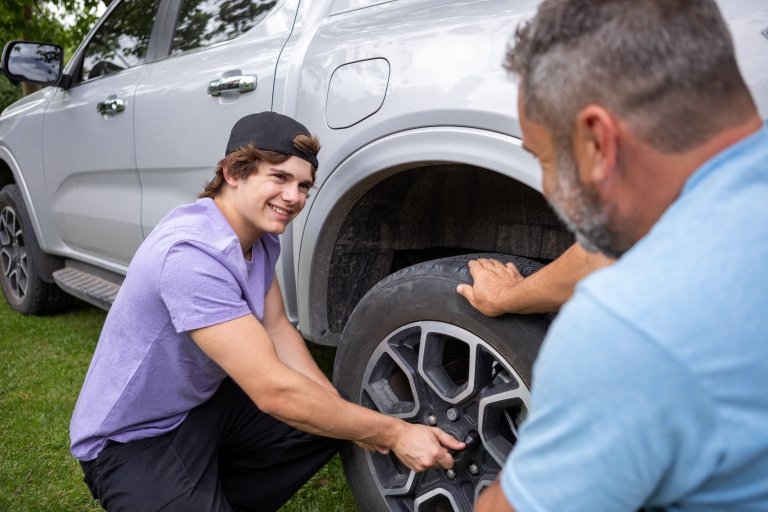
- Check pressure at least once a month. You’ll find the recommended pressure inside your driver’s door or in the manual.
- Inspect for cuts, bulges, or uneven wear.
Non-obvious insight: Under-inflated tires can increase stopping distance, not just fuel use.
3. Brake System Health
Brakes are vital for safety. Squeaking or grinding noises are signs to check them immediately.
- Listen for changes in sound or feel when braking.
- If the brake pedal feels soft, or you notice vibrations, get a mechanic’s opinion fast.
4. Coolant And Engine Temperature
Coolant prevents your engine from overheating. Low coolant can cause major engine damage.
- Check coolant level every few months, especially before long trips.
- Always check when the engine is cold—opening the coolant cap when hot is dangerous.
5. Lights And Signals
Working headlights, brake lights, and signals keep you visible and safe.
- Test all lights every month, including high beams and indicators.
- Replace burnt-out bulbs immediately.
6. Battery Condition
Modern cars rely on the battery for everything from starting the engine to powering electronics.
- Check for corrosion on battery terminals.
- If your car is slow to start, or electronics seem weak, have your battery tested.
7. Wiper Blades And Fluid
Clear vision is crucial, especially during rain.
- Replace wipers if they leave streaks or make noise.
- Keep washer fluid filled for emergencies.
8. Air Filter
A clean air filter helps the engine “breathe. ” A dirty filter reduces efficiency.
- Most filters last 15,000–20,000 kilometers.
- Check it at every oil change.
9. Belts And Hoses
Belts drive important parts like the alternator and AC. Hoses carry fluids. Cracks or leaks can cause breakdowns.
- Inspect for cracks, leaks, or loose connections every few months.
Essential Maintenance Tasks For Beginners
Some jobs are easy for new owners; others need a mechanic. Here are key tasks and what you should do yourself:
1. Changing Engine Oil
If you’re comfortable, changing oil at home saves money. But you must use the right oil grade and filter.
- Always dispose of used oil responsibly.
2. Replacing Wiper Blades
This is quick and simple. Most auto stores will help you find the right size.
3. Filling Washer Fluid
Easy to do—just pour into the labeled tank under the hood.
4. Rotating Tires
Rotating your tires every 10,000 kilometers helps them wear evenly. Many shops offer this with oil changes.
5. Checking Fuses
If something electrical stops working, check your fuse box (usually under the dashboard or hood).
6. Changing Air Filters
Most air filters pop out easily—just make sure to replace with the same type.
7. Replacing Light Bulbs
Simple for most models, but some modern cars make this harder. Always check your manual.
Maintenance By The Numbers
Here’s a quick reference for how often to perform common tasks:
| Task | Recommended Interval |
|---|---|
| Check Engine Oil | Monthly |
| Change Engine Oil | 5,000–10,000 km |
| Check Tire Pressure | Monthly |
| Rotate Tires | 10,000 km |
| Check Coolant | Every 3 months |
| Replace Air Filter | 15,000–20,000 km |
| Test Battery | Every 6 months |
| Check Lights | Monthly |
Credit: childrensdayton.org
What To Do In Case Of Warning Lights
Modern cars use dashboard warning lights to alert you to problems. Don’t ignore them! Here’s a quick guide:
| Warning Light | What It Means | Action |
|---|---|---|
| Engine (Check Engine) | Engine/emissions issue | Visit mechanic soon |
| Oil Can | Low oil pressure | Stop & check oil |
| Battery | Charging problem | Test battery/alternator |
| Temperature | Engine overheating | Stop & check coolant |
| Brake | Brake problem/low fluid | Check brakes ASAP |
Common Mistakes First-time Owners Make
Owning a car for the first time can lead to simple but costly errors. Watch out for these common mistakes:
1. Skipping Scheduled Maintenance
Putting off small checks leads to bigger problems.
2. Using The Wrong Fluids
Not all oil or coolant is the same. Always check your manual.
3. Ignoring Minor Noises Or Vibrations
These can be early signs of bigger issues.
4. Overlooking Tire Condition
Bald or uneven tires can cause accidents.
5. Not Keeping Records
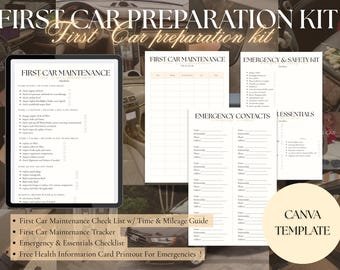
A maintenance log helps with future repairs and when selling your car.
Non-obvious tip: Some beginners believe “if it starts, it’s fine.” But many problems don’t show symptoms until they’re serious.
What Tools And Supplies Should You Always Carry?
You don’t need a full mechanic’s kit, but some basic items make a big difference:
- Tire pressure gauge for quick checks.
- Jumper cables for a dead battery.
- Spare tire, jack, and lug wrench for flat tires.
- Flashlight for emergencies at night.
- Basic toolkit (screwdrivers, pliers).
- Owner’s manual—it holds valuable information.
- Duct tape and zip ties—temporary fixes for loose parts.
When To Diy And When To Visit A Mechanic
It’s smart to learn simple tasks, but know your limits. Here’s a guide:
| Task | DIY Level | When to See Mechanic |
|---|---|---|
| Check oil/fluids | Easy | Unusual color/level |
| Replace wipers | Easy | If stuck or wrong size |
| Brake replacement | Advanced | Any brake noise/issue |
| Engine warning | Not recommended | Always mechanic |
| Tire rotation | Intermediate | If unsure about jacking |
Experience-based tip: If you’re ever unsure, ask for help. Some repairs seem simple online but are tricky in real life.
Credit: www.anciranissansa.com
Seasonal Maintenance Tips
Cars face different challenges in summer and winter. Adjust your routine:
- In winter, check battery health and tire tread (for icy roads).
- In summer, watch coolant levels and AC function.
- Before any long road trip, check all fluids, lights, and tires.
Building Good Habits From Day One
The earlier you start a maintenance routine, the easier it becomes. Set reminders on your phone for checks and oil changes. Watch a few video tutorials to get comfortable with your car’s basics. If possible, ask a more experienced driver to walk you through the engine bay.
Remember, a well-maintained car is less likely to leave you stranded, and it holds its value better for resale. Even if you aren’t a “car person,” you’ll save money and stress by following these steps.
Credit: www.etsy.com
Frequently Asked Questions
How Often Should I Change My Engine Oil?
Most manufacturers recommend every 5,000–10,000 kilometers or every six months, whichever comes first. However, always check your owner’s manual for your specific car’s needs.
Is It Safe To Drive With A Dashboard Warning Light On?
Some warning lights (like low washer fluid) are not urgent. But if the light is red or flashing, stop and check immediately. For engine, oil, or brake warnings, see a mechanic as soon as possible.
What Happens If I Use The Wrong Type Of Oil Or Coolant?
Using the wrong fluid can damage your engine or cooling system and may void your warranty. Always use the type recommended in your manual.
Why Do My Tires Wear Out Unevenly?
Uneven tire wear usually comes from poor alignment, unbalanced tires, or skipping rotations. Have a mechanic check your alignment if you see uneven tread.
Where Can I Learn More About Car Maintenance?
Many official sites and tutorials are available. One reliable resource is the National Highway Traffic Safety Administration.
Taking care of your first car may seem like a lot to learn, but with these essentials, you’ll build confidence and keep your car running smoothly for years to come. Start with the basics, stay curious, and don’t be afraid to ask for help.
Your car—and your wallet—will thank you.