
The Ford Escape is a favorite among compact SUV lovers, known for its versatility and comfort. Many families and commuters choose this vehicle for daily driving, road trips, and even light off-roading. But like any car, the Ford Escape has faced its share of problems over the years.
Whether you own an older model or are thinking about buying a newer one, understanding these issues can help you make smarter decisions, save on repairs, and avoid headaches.
In this article, you’ll learn about the most common problems Ford Escape owners have faced year by year. We’ll look at what goes wrong, why it happens, and what you can do about it. There are some problems that show up again and again, while others are unique to certain years or generations.
We’ll break down everything in simple language so you can easily understand the risks and solutions.
Ford Escape Generations And Why Problems Vary
Before diving into year-by-year problems, it’s useful to know that the Ford Escape has gone through several generations, each with different designs, engines, and technologies. Problems often change with each generation. Here’s a quick overview:
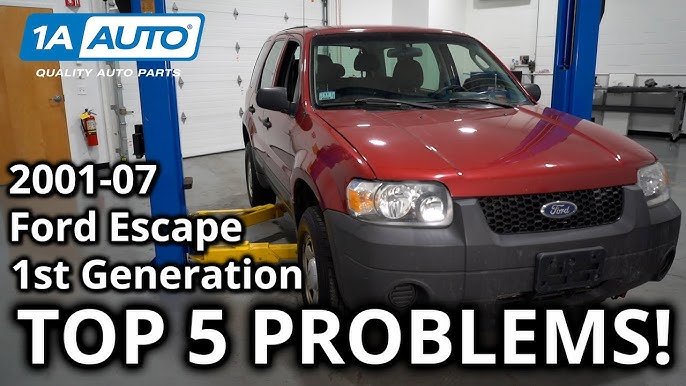
- First Generation (2001–2007): Early models, boxy design, basic electronics.
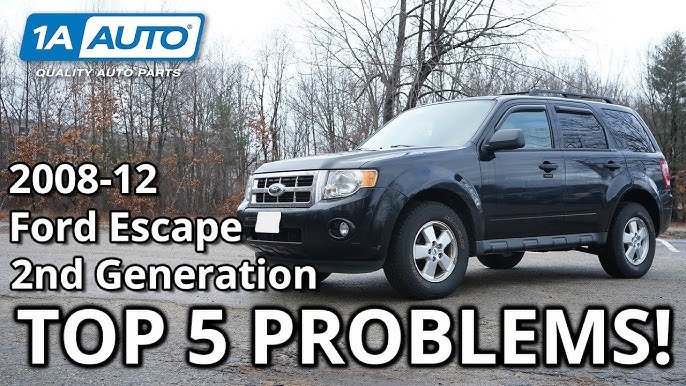
- Second Generation (2008–2012): Updated looks, new engines, more features.
- Third Generation (2013–2019): Major redesign, turbo engines, advanced technology.
- Fourth Generation (2020–present): Latest tech, hybrid options, new safety features.
Knowing the generation helps you understand which problems to expect and what improvements Ford made over time.
Common Problems By Model Year
Let’s break down the most frequent issues, year by year, so you know what to watch for.
2001–2004: Early Years And Major Setbacks
The first Ford Escape models were popular but not trouble-free. These early years saw some of the most serious issues.
- Transmission Failure: Many 2001–2004 Escapes suffered from transmission problems, including hard shifting, slipping, and complete failure—sometimes before 100,000 miles. Repairs are expensive, and some owners needed total replacement.
- ABS Module Failure: The anti-lock brake system (ABS) module often failed, causing warning lights and loss of ABS function.
- Engine Stalling: Random stalling while driving was a common complaint. It often happened because of faulty sensors or fuel delivery issues.
- Ignition Misfire: The ignition coils and spark plugs wore out quickly, leading to rough running and poor fuel economy.
Non-obvious insight: Many owners replaced the transmission only to face the same issue again, showing a design flaw rather than just bad luck.
2005–2007: Improvements And New Challenges
Ford addressed some early flaws, but new problems appeared.
- Hybrid Battery Issues (2005+): The Escape Hybrid was introduced in 2005. Some owners found the hybrid battery would fail before 120,000 miles, and replacement was costly.
- Steering Problems: Power steering assist failures became common, sometimes resulting in difficult steering at low speeds.
- Rust and Corrosion: Especially in snowy regions, rust developed on wheel wells and undercarriage parts.
Beginner tip: Regularly washing the undercarriage in winter can reduce rust risk—something owners often overlook.
2008–2012: Electronic And Structural Issues
This generation brought a new look and more technology, but not all changes were positive.
- Power Steering Loss: Electric power steering systems were prone to sudden failure, usually because of a faulty torque sensor. The steering would go heavy, making it hard to control.
- Transmission Problems Continue: While improved, some models still suffered from slipping and harsh shifting.
- Throttle Body Failure: A common cause of engine stalling and reduced power was a failing throttle body, which often triggered the “wrench” warning light.
- Door Handle and Latch Problems: Many complaints about door handles breaking or latches not working, leading to safety concerns.
Non-obvious insight: Some repairs, like the throttle body, were covered by Ford’s “customer satisfaction program” rather than a recall, so owners could get free repairs if they knew to ask.
2013–2016: Ecoboost Engine Woes
A major redesign and new turbocharged engines (EcoBoost) brought new strengths—and weaknesses.
- Engine Coolant Leaks: One of the most widely reported issues was coolant leaking into the engine, especially with the 1.6L EcoBoost. This often led to engine overheating and, in the worst cases, complete engine failure.
- Transmission Shudder: The new 6-speed automatic often developed a shudder or delayed shifts, sometimes fixed by reprogramming the software.
- Electrical Gremlins: Owners reported problems with the SYNC infotainment system, backup cameras, and sensors failing prematurely.
- Door Ajar Warning: Sensors in the door latches could fail, causing a persistent “door ajar” warning even when all doors were closed.
Example: Ford issued a recall for 2013 Escape models with the 1.6L engine to fix coolant leaks, but not every vehicle was repaired in time.
2017–2019: Refinements But Lingering Issues
Ford fixed some major issues but a few problems remained.
- Oil Leaks: The 1.5L and 2.0L EcoBoost engines sometimes developed oil leaks from the oil pan or timing cover.
- Water Pump Failure: Some 2.0L engines had water pump failures, leading to overheating if not caught quickly.
- Check Engine Light: Owners often saw the check engine light for minor sensor issues, such as faulty oxygen sensors or evaporative emissions leaks.
- Interior Rattles: More reports about rattling sounds in the dash or doors, which are annoying but not dangerous.
Beginner tip: Regularly checking for oil spots under your car can help catch leaks early and prevent engine damage.
2020–present: New Tech, New Troubles
The latest Escape offers more technology and hybrid options, but some teething problems have shown up.
- Brake Performance Issues: Some early 2020 models had soft brake pedals or longer stopping distances, leading to recalls.
- Electrical Glitches: Issues with the digital instrument cluster and touchscreen freezing have been reported, sometimes requiring software updates.
- Rear Subframe Rust: In certain regions, rust can develop on the rear subframe, especially if the car is exposed to road salt.
- Hybrid System Errors: A few owners have noted hybrid system warning messages, often caused by minor sensor glitches rather than major failures.
Non-obvious insight: Because many new systems are software-driven, many problems can be fixed with a dealer software update—something older Escape owners never had to consider.
Credit: www.youtube.com
Problems By Generation: At A Glance
Sometimes it helps to compare the most common issues for each generation side by side. Here’s a summary:
| Generation | Years | Main Problems |
|---|---|---|
| 1st | 2001–2007 | Transmission, ABS, engine stall, rust |
| 2nd | 2008–2012 | Steering, throttle body, door latches |
| 3rd | 2013–2019 | Coolant leaks, electronics, oil leaks |
| 4th | 2020–present | Brakes, electrical, hybrid system |
Most Problematic Years To Avoid
Not every Escape year is equal. Some model years have more complaints and recalls than others. Based on owner reports and industry data, here are the years most experts suggest avoiding:
- 2005: High number of transmission and hybrid battery failures.
- 2008: Problems with steering and throttle body.
- 2013–2014: Major engine issues, especially coolant leaks and recalls.
If you’re shopping for a used Escape, these are the years to research very carefully.
Credit: www.youtube.com
Common Problems And Their Warning Signs
Here’s a quick reference for major problems and how you might notice them:
| Problem | Warning Signs | What to Do |
|---|---|---|
| Transmission failure | Slipping, harsh shifts, won’t move | Check fluid, visit mechanic quickly |
| Engine coolant leak | Low coolant, overheating, smoke | Stop driving, inspect for leaks |
| Power steering loss | Heavy steering, warning light | Do not drive, repair sensor or system |
| Hybrid battery failure | Loss of power, warning light, high fan noise | Seek hybrid specialist, check warranty |
Tips For Buyers And Owners
If you are thinking about buying a used Ford Escape, or you already own one, here are some expert tips:
- Check the VIN for Recalls: Always check the vehicle’s history for open recalls. Ford and the NHTSA offer free online tools.
- Inspect for Leaks and Rust: Look under the vehicle for oil, coolant, or rust. Even small leaks can lead to big problems.
- Test All Electronics: Try every switch, window, and the infotainment system. Electronics have been a weak spot, especially in newer models.
- Ask About Repairs: If buying used, ask for repair records. See if major items like the transmission, water pump, or hybrid battery have been replaced.
- Regular Maintenance: Following the scheduled maintenance can help prevent many common problems, especially with engines and transmissions.
Non-obvious insight: Many Ford dealers offer free software updates for infotainment and safety systems even after the warranty is expired—just ask during your service visit.
Credit: sealight-led.com
How Ford Has Responded
Over the years, Ford has issued recalls, extended warranties, and technical service bulletins to address common Escape problems. Not every issue leads to a recall, but Ford has improved designs and added more reliable parts in later years.
Owners can stay up to date on recalls through the official NHTSA website.
Frequently Asked Questions
What Is The Most Common Problem With Ford Escape?
The most reported problem is transmission failure, especially in early models (2001–2008) and engine coolant leaks in the 2013–2014 models with EcoBoost engines.
Which Ford Escape Years Are The Most Reliable?
The 2017–2019 models are generally considered the most reliable, with fewer serious complaints and improved technology.
Do Ford Escape Hybrids Have Special Problems?
Yes, Escape hybrids (especially 2005–2012) sometimes have hybrid battery failures and brake system issues. However, later hybrid models (2020 and newer) have fewer problems so far.
How Can I Reduce The Risk Of Expensive Repairs?
Follow the maintenance schedule, check for leaks, and address warning lights quickly. For hybrids, park in the shade to extend battery life.
Is It Expensive To Fix Common Escape Problems?
Some repairs, like transmission or engine replacement, can be costly ($3,000–$6,000). Others, like sensor replacement or software updates, are much cheaper. Always get a repair quote before fixing.
Ford Escape owners who stay informed and proactive can enjoy many trouble-free years. Knowing the common problems by year—and how to spot them—can make all the difference in getting the best from your vehicle.