
When your car suddenly refuses to start, stalls while driving, or runs roughly, it can be frustrating. Many drivers quickly think about the battery, alternator, or fuel. But few consider a small, often-overlooked part: the fuel pump relay. This humble relay controls the power to your car’s fuel pump, making it essential for proper engine function. If it fails, your vehicle’s performance can drop quickly—or you might not be able to drive at all. Understanding the symptoms of a bad fuel pump relay can save you time, money, and stress. Let’s explore what happens when this part starts to fail, how to spot the signs, and what to do next.
What Is A Fuel Pump Relay?
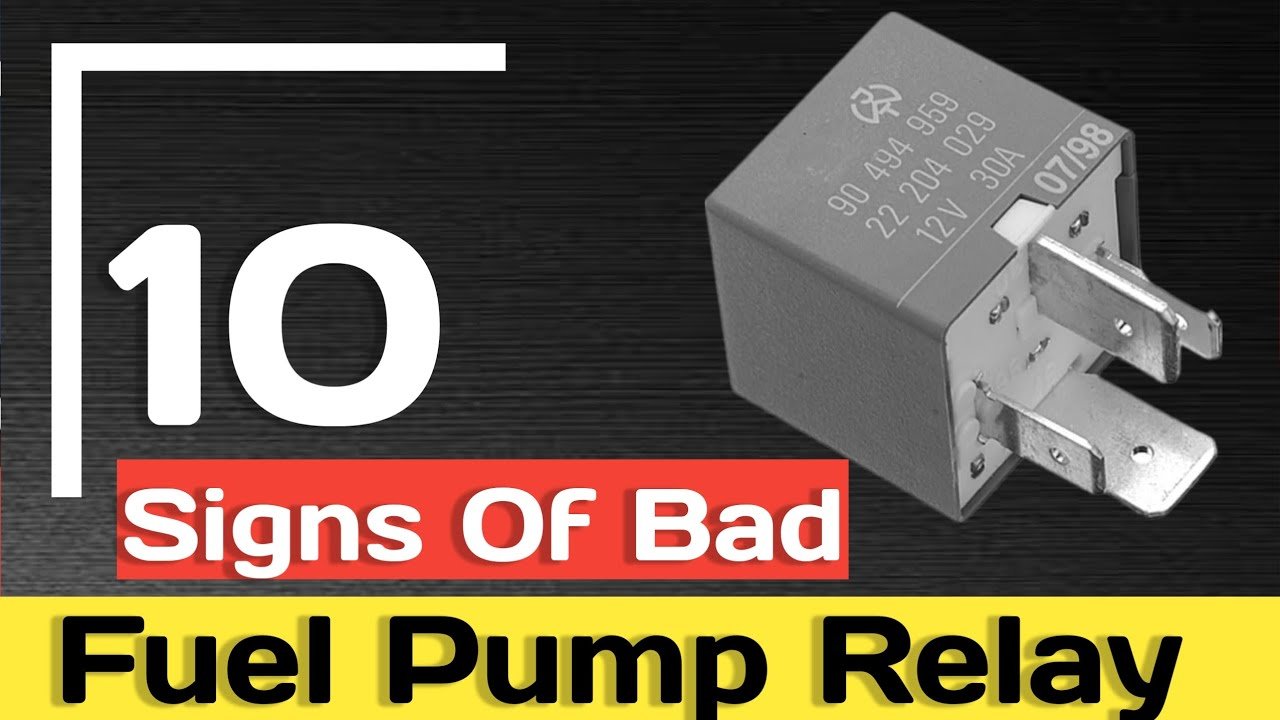
The fuel pump relay is an electrical switch. Its job is simple but crucial: it sends power from your car’s battery to the fuel pump when you turn the ignition key. Without this relay, the fuel pump won’t get the electricity it needs, and your engine won’t get the fuel it requires to run.
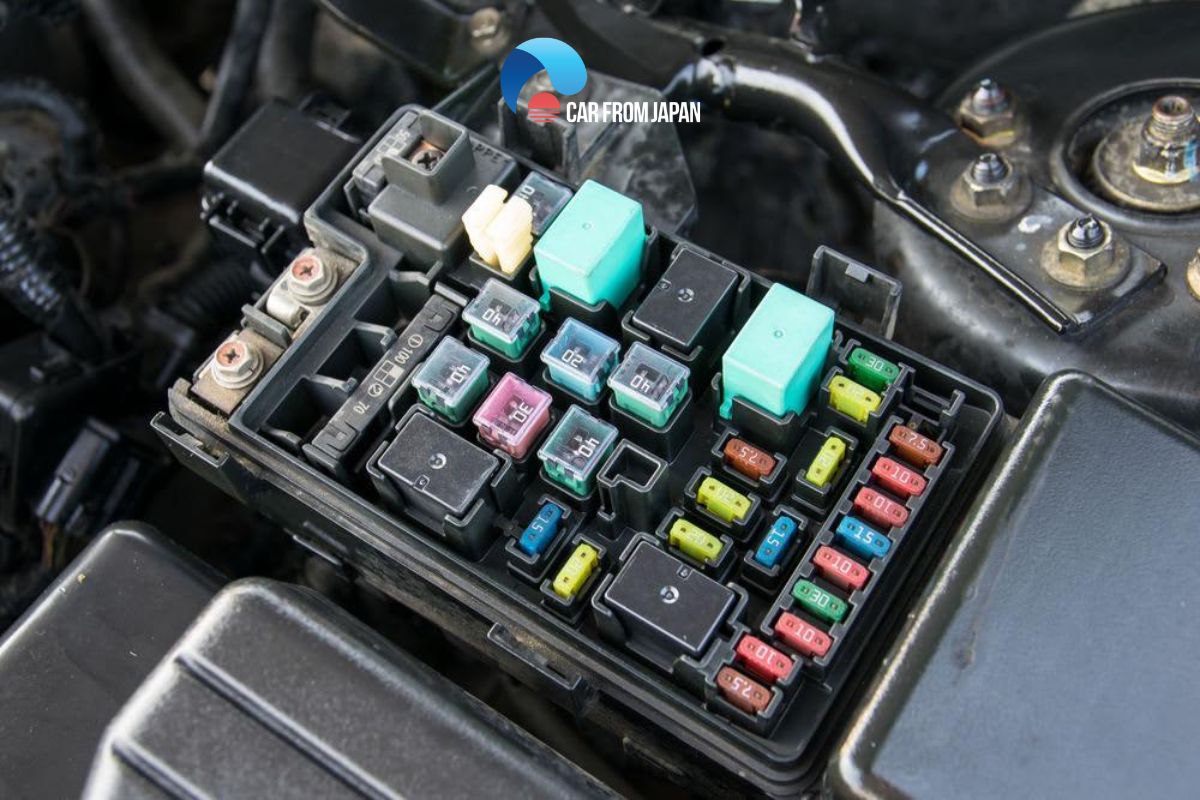
Most modern vehicles use an electronic fuel injection system. In these systems, the relay is typically located in the fuse box under the hood or near the dashboard. Relays are designed to last, but they can wear out due to heat, vibration, or electrical issues.
Why Fuel Pump Relay Failure Matters
A failed fuel pump relay can leave you stranded, but the symptoms are often subtle at first. Many drivers ignore early warning signs or mistake them for other car problems. That’s why it’s important to recognize these symptoms early. A faulty relay can cause:
- Intermittent starting problems
- Sudden engine stalls
- Poor engine performance
- Increased stress on the fuel pump (which can then fail)
- Safety risks if your car stops in traffic
Replacing a relay is usually inexpensive, but ignoring it can lead to costly repairs.
Common Fuel Pump Relay Symptoms
Let’s break down the specific symptoms you might see if your fuel pump relay is failing. Each one can also have other causes, so it’s important to consider the relay as a suspect, especially if you notice more than one sign.
1. Engine Cranks But Won’t Start
One of the most obvious symptoms is when you turn the key and the engine cranks, but it never actually starts. This means your starter motor is working, but fuel isn’t reaching the engine. If the relay fails, it doesn’t send power to the fuel pump, and your engine can’t start.
2. Intermittent Starting Problems
Sometimes the car starts fine, other times it doesn’t. This can point to a relay with failing contacts. Heat, vibration, or corrosion can cause the relay to work only some of the time. This intermittent failure can be confusing, as the problem seems to come and go.
3. Engine Stalls While Driving
If your car suddenly dies while you’re driving, especially without warning, the relay may have cut power to the fuel pump. The engine uses the fuel in the lines, then stops. If the relay cools down or resets, the car might start again after a while.
4. No Sound From The Fuel Pump
When you turn your key to the “on” position (before starting), you usually hear a quiet “whirring” sound from the back of the car. That’s the fuel pump priming the system. If you don’t hear this sound, it could mean the relay isn’t sending power to the pump.
5. Rough Idling Or Hesitation
A weak or failing relay might not send steady power to the pump. The engine may run rough, hesitate, or misfire—especially under load or acceleration. This can be mistaken for spark plug or ignition problems.
6. Sudden Loss Of Power
If the relay fails while you’re driving, your car may suddenly lose power. This can be dangerous, especially on the highway or in heavy traffic. The engine might sputter before dying, or it could cut off instantly.
7. Check Engine Light
A failing relay can sometimes trigger the check engine light. Modern cars may store a code for “fuel pump circuit” or similar. However, not all cars will show this warning, and some codes can be misleading.
8. No Voltage At The Fuel Pump
If you check the electrical connector at the fuel pump and there’s no voltage when the key is on, the relay is a prime suspect. This is a more advanced test, but it’s a strong clue.
9. Burned Or Melted Relay
If you remove the relay and see melted plastic or burned terminals, it’s definitely bad. This is usually due to electrical overload or age.
10. Clicking Sound From The Relay
Sometimes, a failing relay will click repeatedly when you try to start the car. This is a sign that it’s failing to make a solid connection.
Fuel Pump Relay Vs. Other Problems
It’s easy to confuse fuel pump relay symptoms with other common issues. Here’s a simple comparison to help you spot the differences:
| Symptom | Likely Cause | How to Check |
|---|---|---|
| Engine cranks, won’t start | Fuel pump relay, fuel pump, ignition | Listen for pump noise; check relay/fuses |
| Stalls while driving | Relay, fuel filter, alternator | Restart after cooling; inspect relay |
| No sound from fuel pump | Relay, pump, wiring | Test relay and pump voltage |
Why Relays Fail: Hidden Causes Most People Miss
Many drivers only think about age or wear, but two hidden factors can shorten a relay’s life:
- Electrical Surges: Voltage spikes from a bad alternator or battery can fry the relay.
- Corrosion: Water leaks near the fuse box can rust relay terminals, causing poor contact.
Checking your car for leaks and keeping the battery healthy can help prevent these issues.
Diagnosing A Bad Fuel Pump Relay
Knowing the symptoms is helpful, but diagnosis confirms the problem. Here’s how you or a mechanic might test the relay:
- Swap the Relay: Many cars use the same type of relay for different systems (like the horn or AC). Try swapping the fuel pump relay with another identical relay. If the car starts, the relay was bad.
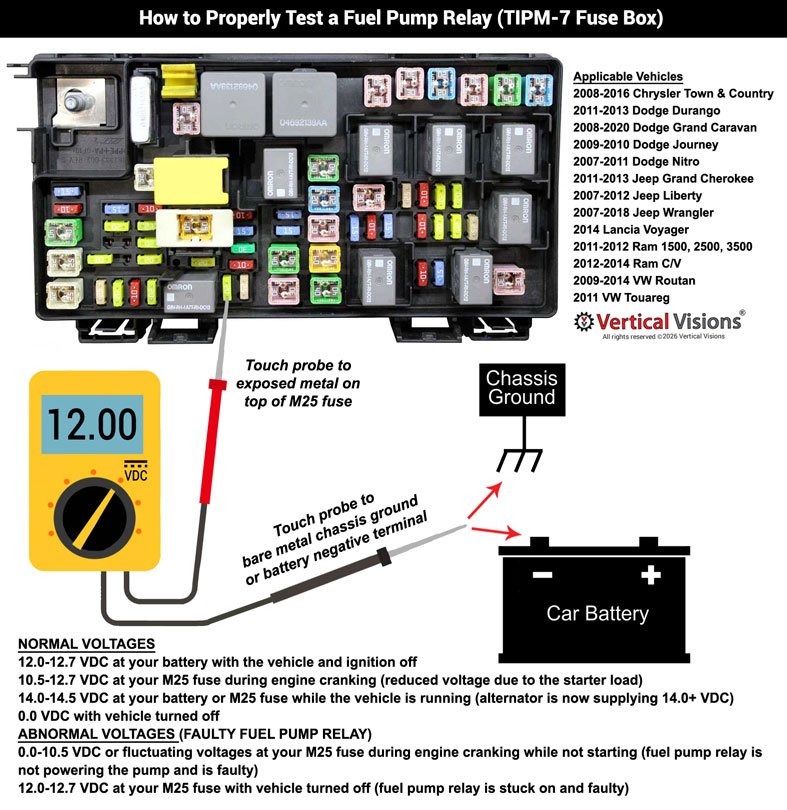
- Check for Power: Use a multimeter to check for voltage at the relay terminals. If power goes in but not out, the relay is faulty.
- Listen for Clicks: With the key on, listen or feel for a “click” from the relay. No sound may mean it’s dead.
- Check for Codes: Scan the car’s computer for trouble codes related to fuel delivery or relays.
Here’s a quick comparison of two common testing methods:
| Test Method | Tools Needed | Skill Level |
|---|---|---|
| Relay Swap | None (use another relay) | Beginner |
| Voltage Test | Multimeter | Intermediate |
Credit: www.youtube.com
What To Do If Your Fuel Pump Relay Is Bad
If you suspect or confirm a bad relay, replacement is usually easy and cheap. Here’s a step-by-step guide:
- Locate the relay: Check your owner’s manual for the relay location (usually in the fuse box).
- Remove the relay: Gently pull it out. If it’s stuck, wiggle it slightly—never force it.
- Inspect the relay: Look for signs of burning or corrosion.
- Install the new relay: Push it in firmly. Make sure it’s seated properly.
- Test your car: Turn the key and listen for the fuel pump. Try starting the engine.
Most relays cost $10–$30 and take just a few minutes to change. For rare or special vehicles, prices may be higher.
Preventing Fuel Pump Relay Problems
While relays will eventually wear out, you can extend their life with these tips:
- Keep the fuse box dry: Fix windshield or hood leaks right away.
- Use high-quality parts: Cheap relays may fail sooner.
- Check battery and charging system: Prevent voltage spikes.
- Service regularly: A mechanic can spot early signs of trouble.
Credit: carfromjapan.com
Real-world Example
Emma, a commuter, noticed her Toyota Corolla would sometimes not start after work. After several tows and battery replacements, her mechanic traced the issue to a faulty fuel pump relay. Once replaced, her car started perfectly every time. The repair cost less than $20, but she could have avoided days of frustration by recognizing the symptoms earlier.
Cost Of Ignoring The Symptoms
Ignoring a bad relay can lead to bigger problems:
- Fuel pump failure: Running a fuel pump with low or no power can burn it out. Replacing the pump is much more expensive (often $300–$700).
- Stranded situations: Your car could die in a dangerous spot.
- Engine damage: Lack of fuel can cause misfires, which may damage the engine or catalytic converter.
Early detection means a quick, cheap fix.
Credit: verticalvisions.com
Fuel Pump Relay: Quick Facts
| Fact | Details |
|---|---|
| Average lifespan | 5–10 years |
| Replacement cost | $10–$30 (part only) |
| DIY difficulty | Easy |
| Common location | Fuse box under hood/dashboard |
When To See A Mechanic
If you’re not comfortable testing relays, or if replacing it doesn’t solve the problem, see a qualified mechanic. Sometimes multiple issues can cause similar symptoms. A professional can quickly diagnose and fix the issue, getting you back on the road safely.
For more information on automotive relays and electrical systems, the Wikipedia page on relays provides a thorough technical overview.
Frequently Asked Questions
What Does A Fuel Pump Relay Do?
The fuel pump relay sends power from your car’s battery to the fuel pump. When you turn the ignition key, the relay activates and lets electricity flow to the pump, allowing fuel to reach the engine.
Can A Bad Fuel Pump Relay Drain My Battery?
No, a failing relay by itself usually doesn’t drain the battery. However, if it sticks in the “on” position, it could keep the fuel pump running after you turn off the car, which may drain the battery over time.
How Long Does A Fuel Pump Relay Last?
Most relays last 5–10 years or up to 100,000 miles. Heat, vibration, and electrical surges can shorten this lifespan.
Can I Drive With A Bad Fuel Pump Relay?
It’s risky. Your car may stop suddenly, which can be dangerous. If you suspect a bad relay, replace it as soon as possible.
Are Fuel Pump Relay Symptoms The Same As A Bad Fuel Pump?
Some symptoms overlap, like the engine not starting or stalling. However, relays are cheaper and easier to test or replace than fuel pumps. Always check the relay before replacing the fuel pump.
Recognizing fuel pump relay symptoms early can prevent bigger problems and costly repairs. By staying alert to the warning signs and acting quickly, you’ll keep your car running smoothly—and avoid unexpected breakdowns.