
Fwd Vs Rwd Vs Awd Comparison
When you shop for a car, you will often see FWD, RWD, and AWD listed as drivetrain options. These terms describe how power moves from the engine to the wheels. It may seem simple, but the choice can affect your driving experience, car safety, fuel efficiency, and even the price. Many buyers focus only on the engine or looks, but the drivetrain is just as important. This article explains FWD, RWD, and AWD in detail and helps you choose wisely. You will learn how each drivetrain works, their advantages and disadvantages, and where each type shines.
What Do Fwd, Rwd, And Awd Mean?
Front-wheel Drive (fwd)
FWD stands for Front-Wheel Drive. The engine sends power to the front wheels only. Most modern cars, especially compact and midsize models, use FWD.
Rear-wheel Drive (rwd)
RWD means Rear-Wheel Drive. Here, the engine powers the rear wheels. This setup is common in sports cars, trucks, and some luxury sedans.
All-wheel Drive (awd)
AWD is All-Wheel Drive. Power goes to all four wheels, either all the time or when needed. Many SUVs, crossovers, and some performance cars use AWD.
How Each Drivetrain Works
Knowing the basics helps you understand the differences. Here’s a simple breakdown:
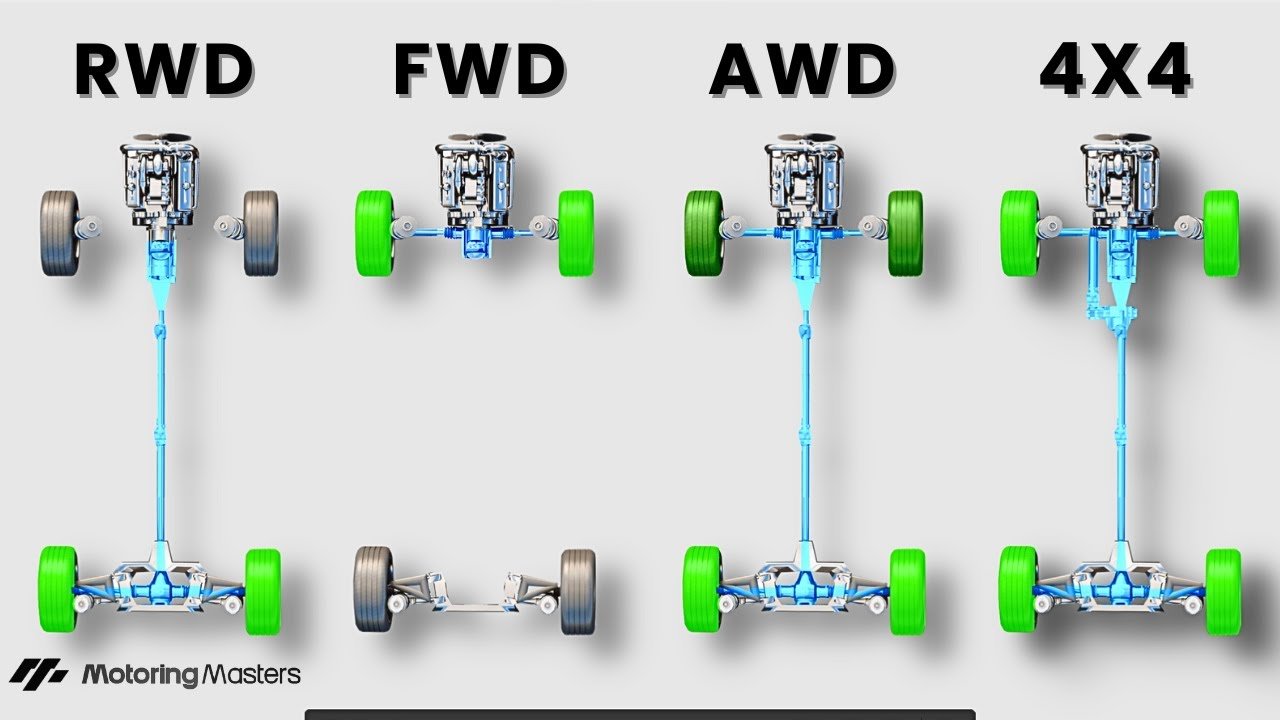
- FWD: The engine sits near the front wheels. Power travels through a transaxle, turning the front wheels.
- RWD: The engine connects to a driveshaft. Power is sent to the back axle, spinning the rear wheels.
- AWD: Uses a complex system with differentials and sometimes electronic sensors. It can send power to all wheels at once or shift power when wheels slip.
Credit: www.youtube.com
Key Differences Explained
Let’s compare the three systems side by side.
| Feature | FWD | RWD | AWD |
|---|---|---|---|
| Power Delivery | Front wheels only | Rear wheels only | All wheels (variable) |
| Traction | Good in wet/slippery | Better in dry | Excellent in all conditions |
| Cost | Lowest | Medium | Highest |
| Handling | Easy, safe | Sporty, dynamic | Stable, confident |
| Fuel Efficiency | Best | Good | Lower |
Pros And Cons Of Each Drivetrain
Front-wheel Drive (fwd)
Advantages:
- Lower cost to build and maintain.
- Better fuel economy since the system is lighter and simpler.
- Safer in bad weather (rain, snow) due to weight over the front wheels.
- More cabin space because there is no driveshaft to the rear.
Disadvantages:
- Less sporty handling. FWD cars can understeer (lose grip in turns).
- Not ideal for towing or heavy loads.
- Performance limit for high horsepower cars.
Rear-wheel Drive (rwd)
Advantages:
- Balanced weight distribution improves handling.
- Better for towing and carrying heavy loads.
- Sporty feel makes it popular in performance and luxury cars.
Disadvantages:
- Poor traction in snow or ice.
- More expensive to build (extra parts like driveshaft).
- Less interior space due to driveshaft tunnel.
All-wheel Drive (awd)
Advantages:
- Superior traction on all surfaces.
- Safer at high speeds and in bad weather.
- Great for off-road and adventure driving.
Disadvantages:
- Higher cost (extra parts and technology).
- Lower fuel efficiency due to added weight and moving parts.
- More expensive maintenance and repairs.
Credit: sethwadleyfordofperry.com
Performance Comparison
How do these systems affect real-world performance? Let’s look at acceleration, cornering, and braking:
- FWD cars accelerate well in normal conditions but can struggle with high power.
- RWD cars are better for quick starts and sharp turns, but need skill in slippery conditions.
- AWD cars offer the best grip, especially in wet or off-road, but are heavier.
Data Example
A test by Car and Driver showed a Subaru Impreza AWD performed 0-60 mph in 7.1 seconds, while a similar FWD Honda Civic took 7.6 seconds. The RWD BMW 3 Series did it in 6.0 seconds. These numbers show AWD can help with traction, but RWD is often fastest for acceleration.
Handling And Safety
Handling means how easy the car is to control, especially in turns or emergencies. Safety covers how well the car deals with slippery roads and sudden stops.
| Drivetrain | Handling | Safety |
|---|---|---|
| FWD | Predictable, easy | Good in bad weather |
| RWD | Dynamic, sporty | Challenging in snow |
| AWD | Stable, confident | Excellent everywhere |
Most drivers find FWD cars easier to handle, especially in city traffic. RWD cars need more skill, but offer fun for enthusiasts. AWD gives the best safety in rain and snow, and is good for families or anyone worried about weather.
Fuel Efficiency Comparison
Fuel economy is a big concern. FWD cars are usually the most efficient because they are lighter and have fewer moving parts. AWD systems add weight and complexity, which lowers mileage.
Example: The Toyota Camry FWD gets 32 mpg combined. The Audi A4 AWD gets 27 mpg. A Ford Mustang RWD gets 25 mpg. If you drive long distances or want to save money, FWD is usually the best.
Maintenance And Repair Costs
FWD cars cost less to fix. Parts are simple and easy to reach. RWD cars have more parts, like the driveshaft and differential, which can break and cost more. AWD is the most expensive, as the system is complex and repairs may need special tools.
Non-obvious tip: AWD systems often need regular checks for fluid leaks and sensor issues. Many drivers ignore this, leading to bigger repair bills later.
Weather And Road Conditions
Where you live matters. FWD is good for cities and places with mild winters. RWD is perfect for dry, warm climates and open roads. AWD is best for regions with heavy rain, snow, or off-road trails.
Example: In Canada, AWD cars are popular because of snow. In California, many prefer RWD for fun driving. If you travel often or face changing weather, AWD is the safer choice.
Which Cars Use Fwd, Rwd, Or Awd?
Common Fwd Models
- Honda Civic
- Toyota Corolla
- Hyundai Elantra
- Volkswagen Golf
Popular Rwd Cars
- BMW 3 Series
- Mercedes-Benz C-Class
- Ford Mustang
- Chevrolet Camaro
Famous Awd Vehicles
- Subaru Outback
- Audi Quattro series
- Jeep Grand Cherokee
- Volvo XC90
Practical Advice: Choosing The Right Drivetrain
Making the right choice depends on your needs:
- If you want lower cost and better fuel economy, FWD is ideal.
- If you enjoy sporty driving or carry heavy loads, RWD offers more fun and strength.
- If you need maximum safety and drive in bad weather, AWD is the best.
Most buyers miss that maintenance costs can change over time. AWD cars might seem safe, but repairs can be expensive. Think about not just the purchase, but long-term ownership.
Real-world Examples
A family in Michigan chose a Subaru Forester AWD after struggling with icy roads in their old FWD sedan. Their winter driving improved, and they felt safer. But they noticed higher fuel bills and more expensive tire changes.
A car enthusiast in Australia picked a Ford Mustang RWD for its sporty feel and fun handling. He drives mostly in dry weather, so traction is not a problem. He enjoys better acceleration but spends more on rear tire replacements.
A student in Florida bought a Toyota Corolla FWD for its low price and good gas mileage. She rarely faces bad weather, so FWD works perfectly and keeps costs down.
Non-obvious Insights For Beginners
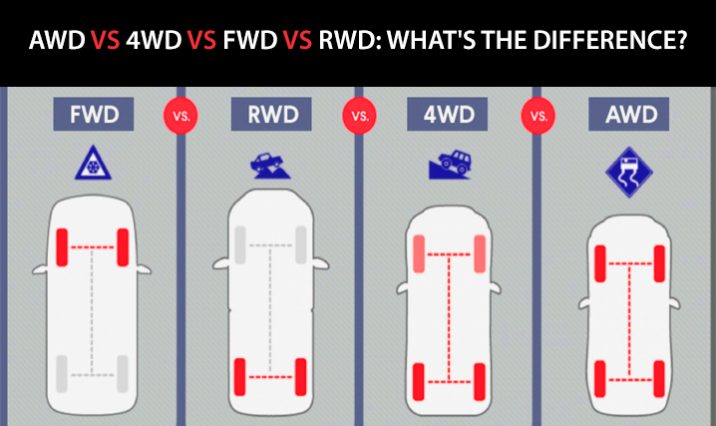
- AWD does not mean four-wheel drive (4WD). 4WD is usually for trucks and heavy off-road vehicles, and can be manually switched on. AWD works automatically and is for all roads.
- Tire choice matters as much as drivetrain. Even the best AWD system is useless with worn tires. Always check tires for wear and replace them regularly.
Drivetrain And Resale Value
Cars with AWD often have higher resale value in regions with harsh winters. RWD sports cars can keep value if they are popular models. FWD cars lose value faster but cost less initially.
Credit: www.flowauto.com
Environmental Impact
Because AWD uses more fuel, it creates more carbon emissions. FWD is better for the environment if you drive mostly in cities. Some new AWD systems are more efficient, but still use more energy than FWD.
Comparison Table: Which Drivetrain Fits Your Needs?
| Need | Best Drivetrain | Why |
|---|---|---|
| Budget | FWD | Low cost, efficient |
| Performance | RWD | Sporty handling |
| Safety | AWD | Best traction |
| Urban Driving | FWD | Easy to park, drive |
| Off-Road | AWD | Handles rough roads |
Frequently Asked Questions
What Is The Main Difference Between Awd And 4wd?
AWD powers all wheels automatically and is used for everyday cars and SUVs. 4WD is for trucks and off-road vehicles, and is usually turned on by the driver. AWD is better for city and highway use, while 4WD is for rough terrain.
Is Fwd Safe In Snow?
FWD is safer than RWD in snow because the weight of the engine helps the front wheels grip. However, AWD is the safest for snowy or icy roads.
Does Awd Make A Car Faster?
AWD helps with traction, so the car can accelerate better, especially in bad weather. But AWD adds weight, so it may not always make the car faster than RWD in dry conditions.
Why Do Sports Cars Use Rwd?
RWD gives better balance and lets the driver control the car’s movement in turns. It allows for more power and a sportier feel, which is why most sports cars use RWD.
Are Awd Cars More Expensive To Maintain?
Yes, AWD cars have more parts and complex systems. Repairs and maintenance can cost more than FWD or RWD cars.
The choice between FWD, RWD, and AWD is not just about technology. It’s about your needs, where you drive, and your budget. Each drivetrain has its own strengths. Think about your daily life, weather, and future costs before you decide. If you want deeper technical details, you can read more at Wikipedia. Making an informed choice will help you enjoy your car for years to come.
