
how long do car tires last is a common question. In this guide, you’ll get a clear, practical breakdown before we dive into the main sections.
What Is the Average Lifespan of Car Tires in Miles and Years?
Most new car tires are designed to last between 50,000 and 60,000 miles. However, this is a general estimate, and the actual lifespan can vary significantly based on the tire’s specific treadwear rating, your driving habits, road conditions, and how well you maintain them. Beyond mileage, the age of a tire is a critical factor.
Many vehicle and tire manufacturers recommend replacing tires every six to ten years, regardless of how much tread is left. This is because the rubber compounds in a tire degrade over time due to exposure to oxygen, heat, and sunlight. This aging process can cause the rubber to become brittle and develop cracks, increasing the risk of a sudden failure.
How Long Do Car Tires Last?
Determining exactly how long car tires last involves looking at two primary timelines: mileage and age. A tire’s life ends when it reaches its mileage limit (worn-out tread) or its age limit (degraded rubber), whichever comes first. For the average American driver who covers about 13,500 miles per year, a 60,000-mile tire could theoretically last around 4.5 years.
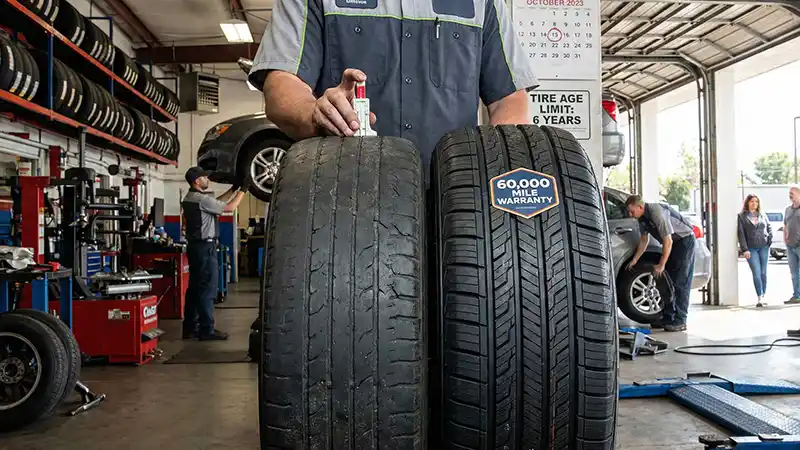
However, real-world conditions rarely align perfectly with these estimates. A driver who frequently travels on poorly maintained roads or has an aggressive driving style might wear out those same tires in just 30,000 miles. Conversely, a careful driver on smooth highways might exceed the 60,000-mile rating. Therefore, understanding the factors that influence tire wear is just as important as knowing the manufacturer’s ratings.
Key Factors That Influence Tire Longevity
Several variables can dramatically shorten or extend the life of your tires. Being aware of these factors allows you to take proactive steps to maximize your investment and stay safe on the road.
Tire Type and Treadwear Rating
Not all tires are created equal. High-performance summer tires use softer rubber compounds for better grip, which wears down much faster than the harder compounds found in long-lasting touring or all-season tires. Every tire comes with a UTQG (Uniform Tire Quality Grading) rating on its sidewall. The ‘Treadwear’ number gives a comparative rating—a tire with a 600 rating is expected to last twice as long as one with a 300 rating under identical conditions.
Driving Habits
Your style behind the wheel is one of the biggest contributors to tire wear. Aggressive habits like rapid acceleration, hard braking, and sharp cornering scrub rubber off the tread. Consistently driving at high speeds also generates more heat, which accelerates wear and aging.
Road Conditions and Climate
The surfaces you drive on matter. Smooth highway pavement is much gentler on tires than rough, pothole-filled city streets or unpaved gravel roads. Living in a region with extreme heat can also shorten a tire’s life, as high temperatures cause the rubber compounds to break down more quickly. Constant exposure to direct sunlight and its UV rays also contributes to degradation.
Vehicle Maintenance
Proper vehicle maintenance is crucial for even tire wear. This includes:
- Tire Pressure: Under-inflated tires flex more, building up heat and causing excessive wear on the outer edges. Over-inflation leads to wear in the center of the tread.
- Wheel Alignment: Misaligned wheels cause tires to drag or scrub along the road instead of rolling smoothly, leading to rapid and uneven wear patterns.
- Tire Rotation: Regularly rotating your tires (typically every 5,000 to 7,500 miles) helps them wear evenly, as front and rear tires wear at different rates.
How to Read Your Tire’s Age Using the DOT Code
Every tire sold in the United States has a Department of Transportation (DOT) code stamped on its sidewall. This series of letters and numbers contains information about the tire’s manufacturer, plant, and, most importantly, its manufacturing date.
To find the age, look for the letters ‘DOT’ and scan the code that follows. The last four digits represent the week and year the tire was made. For example, a code ending in ‘3522’ means the tire was manufactured in the 35th week of 2022. If you see a three-digit code, the tire was made before the year 2000 and should be replaced immediately due to its age.
5 Telltale Signs It’s Time to Replace Your Tires
Regular visual inspections can help you spot signs of wear before they become a serious safety hazard. Look for these common indicators that your tires are nearing the end of their service life.
- Shallow Tread Depth: The most critical indicator. Once the tread wears down to 2/32 of an inch, the tire is legally bald in most states and can no longer safely channel water, increasing the risk of hydroplaning.
- Visible Tread Wear Indicator Bars: Most tires have small rubber bars built into the tread grooves. When the tread wears down to the point that these bars are flush with the surface of the tread, it’s a clear sign the tire has reached the 2/32-inch mark.
- Cracks, Cuts, or Bulges: Inspect the sidewalls for any signs of damage. Cracks (sometimes called weather checking) indicate the rubber is old and brittle. Bulges or bubbles are weak spots that could lead to a blowout.
- Uneven Wear Patterns: How your tire wears can indicate other problems. Wear on both outer edges suggests under-inflation, center wear suggests over-inflation, and ‘cupping’ or scalloped wear often points to alignment or suspension issues.
- Excessive Vibration: While some vibration can be caused by unbalanced wheels or poor alignment, it can also signify an internal problem with the tire itself, such as a separated belt. If you feel new or worsening vibrations, especially at highway speeds, have your tires inspected by a professional immediately.
The Penny Test: A Simple Way to Check Your Tread Depth
You don’t need a special gauge to get a quick estimate of your tread depth. The classic penny test is a simple and effective method anyone can perform.
- Take a standard U.S. penny and hold it with Abraham Lincoln’s body between your thumb and forefinger.
- Select a point on your tire where the tread appears lowest.
- Insert the penny into a tread groove with Lincoln’s head upside down, facing you.
- If you can see the top of Lincoln’s head, your tread depth is below 2/32 of an inch, and it’s time to replace your tires.
- If part of Lincoln’s head is covered by the tread, you have more than 2/32 of an inch remaining.
For a more conservative measurement, you can use a quarter. If the tread covers part of George Washington’s head when inserted upside down, you have more than 4/32 of an inch, which is a good safety margin.
Practical Tips to Make Your Tires Last Longer
Following a consistent maintenance routine can help you safely get the maximum mileage out of your tires. Incorporate these habits into your vehicle care schedule.
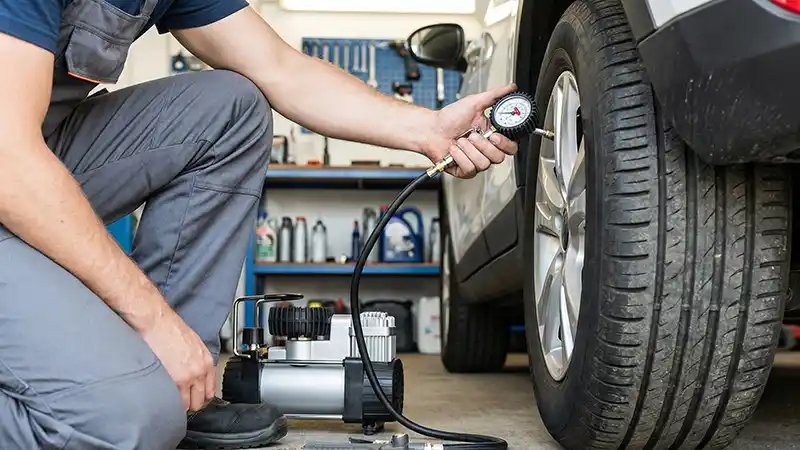
- Check Tire Pressure Monthly: Use a quality pressure gauge to check your tires when they are cold (before driving). Inflate them to the pressure recommended on the sticker inside your driver’s side doorjamb, not the maximum pressure listed on the tire itself.
- Rotate Your Tires Regularly: Follow the schedule in your vehicle’s owner’s manual, which is typically every 5,000 to 7,500 miles. This promotes even wear across all four tires.
- Have Your Wheel Alignment Checked: Check your alignment annually or any time you hit a significant pothole or curb. Proper alignment ensures all four tires are pointing in the same direction.
- Balance Your Tires: Have your tires balanced when they are first installed and any time you feel a vibration. Small weights are attached to the wheel to ensure it spins smoothly.
- Drive Smoothly: Avoid aggressive starts, stops, and turns. Gentle driving habits significantly reduce the stress and friction that wears down tread.
- Don’t Overload Your Vehicle: Check your owner’s manual for the maximum load capacity. Overloading puts extra strain and heat on your tires, causing them to wear out prematurely.
Do Different Types of Tires Have Different Lifespans?
Yes, the design and purpose of a tire have a major impact on its expected lifespan. The rubber compounds and tread patterns are optimized for specific performance characteristics, which often involves a trade-off with longevity.
All-Season & Touring Tires
These are the most common tires on passenger cars and SUVs. They are designed to provide a balanced performance in a variety of conditions with a focus on a smooth ride and long tread life. They typically have treadwear warranties ranging from 50,000 to 80,000 miles or more.
Performance Tires
Found on sports cars and performance sedans, these tires use softer, stickier rubber compounds to maximize grip for better cornering and braking. This focus on grip comes at the expense of tread life, with many performance tires lasting only 20,000 to 40,000 miles.
Winter / Snow Tires
Like performance tires, winter tires use very soft and flexible rubber compounds that stay pliable in freezing temperatures. This is essential for grip on ice and snow but causes them to wear very quickly when driven on warm, dry pavement.
All-Terrain (A/T) Tires
Designed for trucks and SUVs that go off-road, these tires have deep, aggressive tread blocks for traction on dirt and gravel. While the rubber is durable, the tread design can lead to faster wear and more road noise when used primarily on paved roads.
Frequently Asked Questions
Here are answers to some of the most common questions drivers have about tire longevity.
How many years should car tires last?
Most manufacturers recommend replacing tires every 6 to 10 years, even if they still have adequate tread depth. The rubber compounds degrade over time due to exposure to the elements, making older tires more susceptible to failure.
How long do car tires last in miles on average?
On average, new original equipment or quality replacement tires for passenger cars last between 50,000 and 60,000 miles. However, this can vary widely, from 25,000 miles for performance tires to over 80,000 miles for some long-life touring tires.
What causes car tires to wear out quickly?
The most common causes of premature tire wear are improper inflation pressure, incorrect wheel alignment, and aggressive driving habits. Driving on rough roads, carrying heavy loads, and failing to rotate tires regularly also contribute to a shorter lifespan.
Can car tires last 10 years?
While some tires might physically last for 10 years, it is not recommended. Most vehicle and tire makers advise replacement at the 10-year mark from the date of manufacture, regardless of appearance or tread depth, due to the chemical aging of the rubber.
Do unused tires expire?
Yes, tires age even when not in use. An unused tire that has been stored for many years will still experience rubber degradation from exposure to oxygen and temperature fluctuations. Always check the DOT date code before installing a tire that has been in storage.
How do I know if my tires need replacing?
The key signs are tread depth below 2/32 of an inch (check with a penny), visible cracks or bulges on the sidewall, tread wear indicator bars showing, or persistent vibration while driving. If you notice any of these, it’s time for a professional inspection.
Conclusion
A tire’s lifespan is a balance between its mileage rating and its age, heavily influenced by maintenance and driving conditions. While most tires are rated for 50,000 to 60,000 miles, they should also be replaced after 6 to 10 years due to natural aging. The best way to maximize their life is through regular care.
By checking your tire pressure monthly, rotating them on schedule, and maintaining proper wheel alignment, you can ensure they wear evenly and last as long as safely possible. Regular visual inspections are a simple yet powerful way to protect your safety and get the most value from your tires.
{“@context”:”https://schema.org”,”@type”:”Article”,”headline”:”How Long Do Car Tires Last? A Complete Guide for US Drivers”,”mainEntityOfPage”:”https://autofixnotes.com/?p=1103″,”datePublished”:”2025-12-12T05:07:13+00:00″,”dateModified”:”2025-12-12T05:07:13+00:00″}