
The check engine light can make any driver feel nervous. It may turn on for a small issue, or for a problem that needs quick repair. Many people want to reset check engine light as fast as possible, but the safe way matters more than the fast way.
The good news is that in some cases, the light can be cleared after the real problem is fixed. In other cases, the warning comes back because the car still sees an active fault. So before you try to erase it, it helps to understand what the light means and when a reset is actually a smart move.
This guide explains simple steps to clear the warning safely, what tools you can use, and what mistakes to avoid. You will also learn when not to reset it, because a quick erase without fixing the cause can cost more later.
What the check engine light is really telling you
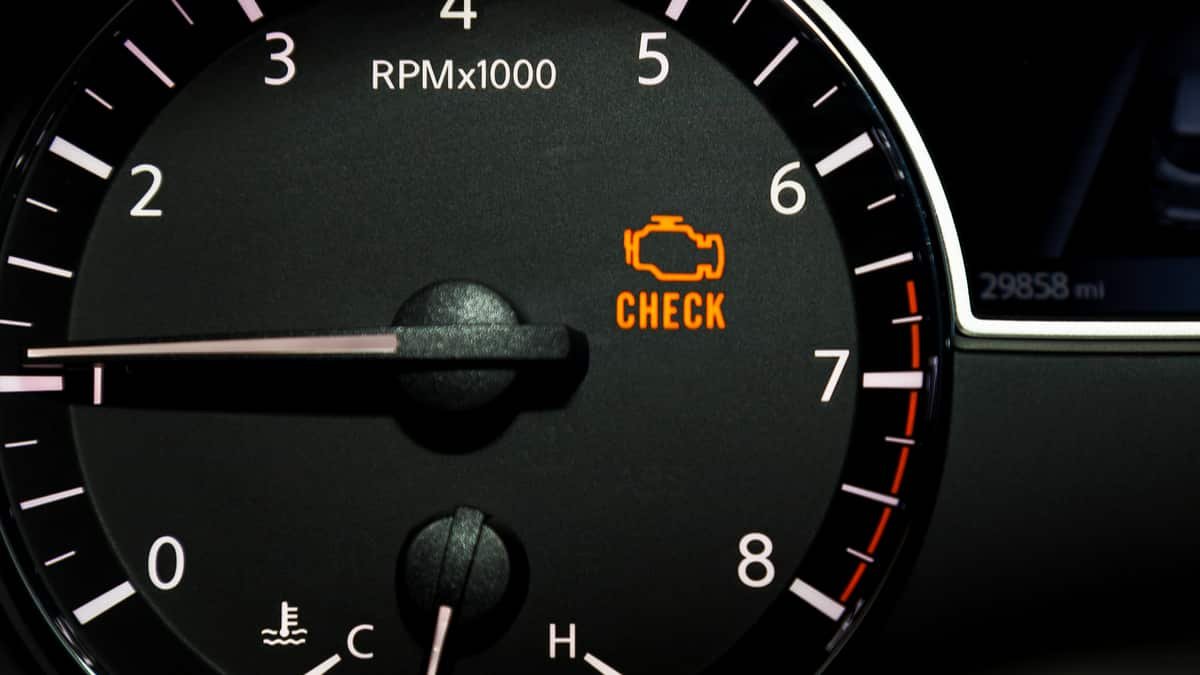
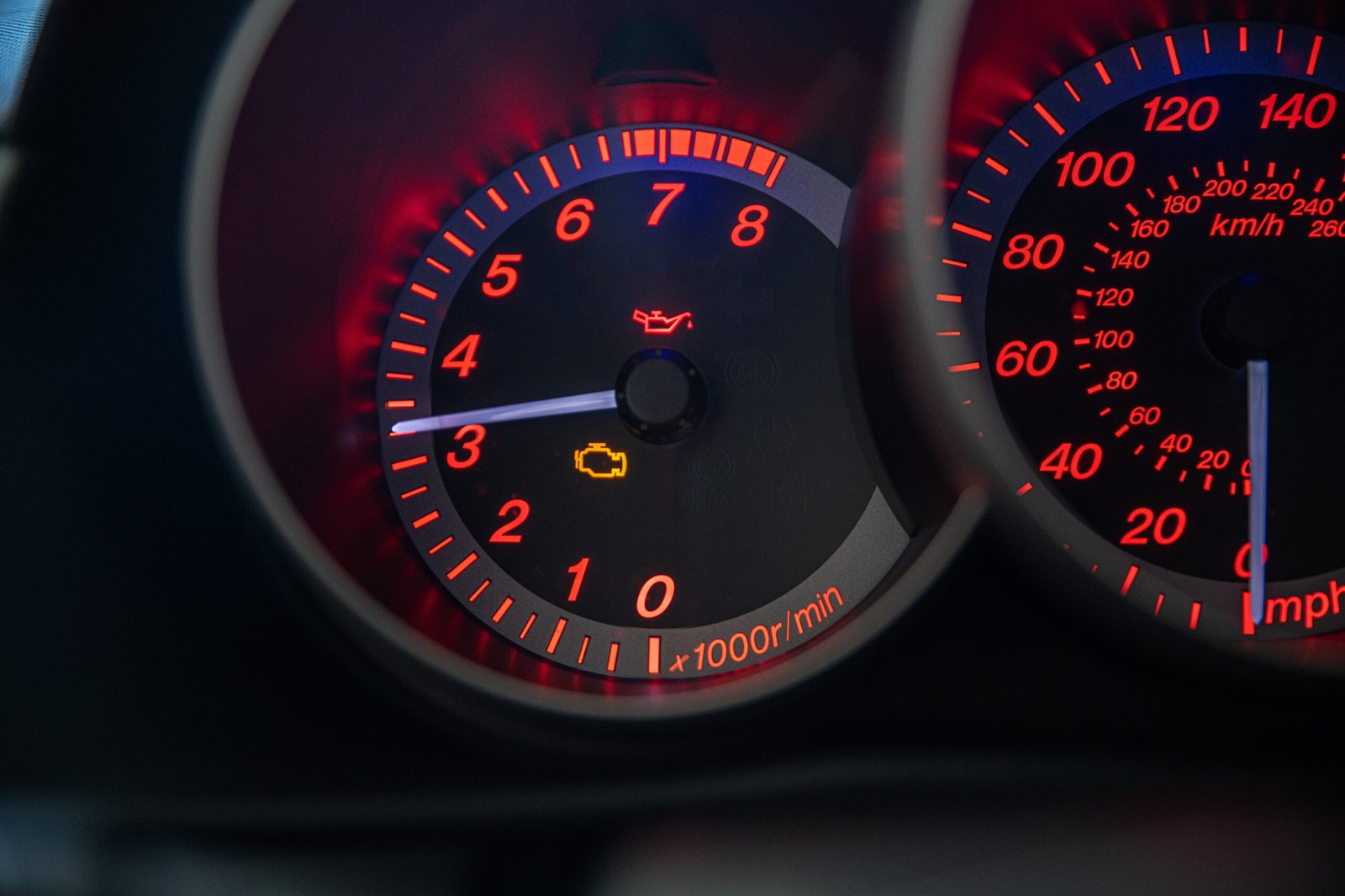
The check engine light is part of your car’s onboard diagnostic system. It watches many engine and emission parts all the time. When the system finds something wrong, it stores a trouble code and turns the light on.
Sometimes the issue is small, such as a loose gas cap. Other times it can involve a misfire, oxygen sensor, catalytic converter, or airflow problem. The light itself does not tell you the full story. It only tells you that the car has detected a fault.
There are two common types of warning:
- Solid light — usually means a problem is stored, but the car may still be drivable.
- Flashing light — often means a more serious misfire or engine issue. This needs quick attention.
If the light is flashing, do not try to reset check engine light and ignore it. You should slow down and get the car checked as soon as possible.
First step: find out why the light came on
Before you clear anything, get the code. This is the most important part. If you reset the warning without checking the cause, you may hide a problem that is still damaging the car.
You can read the code with an OBD2 scanner. This tool connects to the car’s diagnostic port, usually under the dashboard. It shows codes such as P0420 or P0301, which point to the area of the issue.
If you do not own a scanner, many auto parts stores can read the code for free. That is a helpful first move, especially if you are not sure whether the issue is serious.
One smart habit many beginners miss is this: write down the code before clearing it. Even if you fix the issue later, the old code can help a mechanic understand what happened and save time during diagnosis.
Do not trust the light alone
A check engine light can turn on for a simple reason, but the stored code may point to a deeper cause. For example, a loose gas cap may trigger an evaporative system code, but that same code can also appear if there is a cracked hose or bad purge valve.
That is why the code matters. It gives you a starting point, not a final answer.
Simple ways to reset the warning
There are a few ways to reset check engine light safely. The best method depends on whether the problem has already been fixed and whether you want to keep the code history for later use.
1. Fix the issue, then let the car clear it naturally
This is the safest method. In many cases, once the problem is fixed, the car will run several drive cycles and turn the light off by itself. A drive cycle means normal driving under different conditions, such as city roads, highway speeds, and stop-and-go traffic.
This method takes time, but it is often the best choice because it confirms the problem is gone. It also avoids erasing useful diagnostic data too early.
When this works best
- The issue was minor, like a loose gas cap
- The repair was simple and correct
- You want to confirm the fix before clearing the code
Non-obvious insight: some cars need more than one drive cycle before the light goes out. A short test drive around the block may not be enough. The computer needs to see stable readings in different conditions.
2. Use an OBD2 scanner to clear the code
This is the most direct method for many drivers. After repairing the problem, plug in the scanner, find the stored trouble code, and choose the clear or erase function. This will usually reset check engine light right away.
Here is a simple approach:
- Turn the ignition off.
- Plug the OBD2 scanner into the diagnostic port.
- Turn the key to the on position, or press start without starting the engine if your car uses a button.
- Read and save the trouble codes.
- Fix the issue if it is not already fixed.
- Select the erase or clear codes option.
- Turn the ignition off and restart the car.
After clearing the code, the light should be off. If it comes back soon, the fault is still present or another issue is triggering the system.
Non-obvious insight: clearing the code also resets some readiness monitors. These monitors help with emission testing. If you live in an area that checks emissions, clearing the light right before a test can create a new problem, because the monitors may not be ready yet.
3. Disconnect the battery only if you understand the trade-offs
Some drivers try to clear the light by disconnecting the battery for a few minutes. This may work on older vehicles, but it is not the best method on modern cars. It can erase memory settings, radio codes, seat settings, and clock settings. In some cases, it may not even clear the code fully.
If you still choose this method, make sure the engine is off, remove the negative terminal first, wait a few minutes, then reconnect it. After that, the car may need time to relearn idle and fuel settings.
This method is not ideal because it may hide the problem for a short time without giving you any useful diagnostic information. Use it only if you have no scanner and understand the possible side effects.
4. Let the repair shop clear it after service
If the issue needs professional repair, the shop will usually clear the code after the work is done. This is a good option when the problem is hard to diagnose or the warning returns after your own reset attempt.
A skilled technician may also check for stored history codes, pending codes, and freeze frame data. That information can be very useful when a problem comes and goes.
When you should not reset it yet
It can be tempting to erase the light and hope for the best. But there are times when you should stop and investigate first.
- The light is flashing. This may mean a severe misfire that can damage the catalytic converter.
- The engine runs rough. Shaking, stalling, or loss of power means the problem is active.
- You smell fuel or burning. This can point to a dangerous issue.
- The car overheats. Do not treat this like a small warning.
- The light comes back immediately. The fault is still there.
If any of these signs are present, resetting is not the solution. The car needs diagnosis and repair first.
For a reliable explanation of why the check engine light appears and what to do next, you can also review the guidance from NHTSA. It is a trusted government source for vehicle safety information.
Credit: mechanicbase.com
Common mistakes people make when clearing the warning
Many drivers want a quick fix, but a few small mistakes can make the situation worse.
Clearing the light before checking the code
This is the biggest mistake. If you erase the code first, you lose the clue that tells you what went wrong. The light may stay off for a while, but the root problem may still be there.
Ignoring the gas cap
A loose or damaged gas cap is one of the easiest causes to check. Tighten it until it clicks. If the seal looks cracked or worn, replace it. This simple step often solves evaporative system warnings.
Using the battery trick too often
Disconnecting the battery may clear the memory, but it does not repair the car. It can also create confusion if the light returns later and you no longer know when the problem started.
Assuming the car is fine because the light went off
Some problems come and go. A weak sensor, vacuum leak, or intermittent misfire can disappear for a short time, then return. The light going off does not always mean the problem is solved.
What to do after you reset the light
After you reset check engine light, do a short but careful test drive. Watch how the car starts, idles, accelerates, and shifts. Listen for strange sounds and check whether the light stays off.
If possible, drive under different conditions. Try normal city driving first, then a steady highway drive. This helps the car complete its monitoring process.
Keep an eye on these points:
- Does the light stay off?
- Does the engine feel smooth?
- Is fuel economy normal?
- Does the car hesitate or shake?
If the warning comes back, scan the car again. The same code may return, or a new one may appear. That usually means the first repair was incomplete or there is another related issue.
Credit: dubizzle.com
Know the difference between pending and stored codes
Some scanners show pending codes. These are early warning signs that the computer has seen a fault, but not enough times to turn on the light yet. This is another useful detail that many beginners miss.
Do not ignore pending codes if they repeat. They often help you catch a problem before it becomes a bigger repair.
How long it takes for the light to go out on its own
There is no single answer. Some lights disappear after a few trips. Others stay on until you clear them with a scanner. The time depends on the car, the fault, and how the onboard system is programmed.
For small issues, such as a gas cap problem, the light may turn off after several normal drives. For more complex issues, it may stay on until the code is cleared manually and the system completes its checks.
If you just repaired the problem, give the car a few drive cycles before assuming something is wrong. But if the light does not change after a reasonable period, scan it again.
Which reset method is best for most drivers
For most people, the best method is simple: diagnose the code, fix the issue, and clear it with an OBD2 scanner. This gives you control, saves time, and helps you avoid guesswork.
If the issue is truly minor, the light may clear on its own after the repair. If you do not have a scanner, a repair shop or parts store can usually read the code for you.
The battery disconnect method should be a last resort, not the first choice. It can hide the problem without solving it, and it may create new annoyances.
| Method | Best for | Main drawback |
|---|---|---|
| Natural reset after repair | Minor issues and confirmed fixes | Takes time |
| OBD2 scanner | Most drivers | Requires a scanner |
| Battery disconnect | Last-resort situations | Can erase settings and does not fix the cause |
| Repair shop reset | Complex or recurring problems | May cost money |
Simple prevention tips to avoid another warning
A reset is useful only if the problem does not return. A few simple habits can reduce repeat warnings and help your car stay healthy.
- Use good fuel and keep the gas cap tight.
- Change spark plugs and filters on time.
- Fix small leaks early.
- Do not ignore rough idle or poor acceleration.
- Check the engine light as soon as it appears, not weeks later.
One more useful habit is to keep a record of every code and repair. This helps you notice patterns. For example, if the same emissions code appears several times, you may have a deeper issue than a single bad part.
Learning how to reset check engine light safely is not just about turning off a dashboard symbol. It is about understanding what the car is telling you, fixing the real cause, and making sure the problem does not return.
When you take the time to read the code first, use the right reset method, and test the car after repair, you protect both your vehicle and your wallet. A warning light should never be treated as a mystery to hide. It is a message to handle with care.
Credit: autozone.com
FAQs
1. Can I reset check engine light without fixing the problem?
You can, but you should not. The light may come back quickly, and the real issue may keep damaging the car. Always check the code first and fix the cause before clearing it.
2. Will disconnecting the battery always clear the light?
Not always. It may erase some memory on older cars, but many modern vehicles keep the code or bring the light back soon. It can also reset radio and other settings.
3. How long should I drive after fixing the issue?
Some cars clear the warning after a few drive cycles, while others need more time. A short trip is often not enough. Give the car a mix of city and highway driving.
4. Is it safe to drive with the check engine light on?
If the light is solid and the car feels normal, you may be able to drive a short distance while you check the code. If the light is flashing, or the engine runs rough, stop driving and get help.
5. What is the easiest tool to reset the warning safely?
An OBD2 scanner is the easiest and safest tool for most drivers. It lets you read the code first and then clear it after the real problem is fixed.