
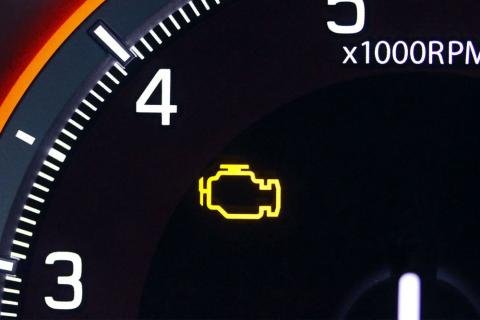
A check engine light can feel small at first, but when it comes with an emissions problem, it can mean more than a loose gas cap or a simple sensor fault. In many cars, this light is the first sign that the engine is releasing too much pollution or that a system meant to control emissions is not working the way it should.
The good news is that a Check Engine Light Emissions Problem is often fixable. Sometimes the cause is minor and cheap. Other times, it points to a deeper issue that should not be ignored. Knowing what the light means, what often causes it, and what to do next can save you time, money, and stress.
In this guide, you will learn the most common emissions-related causes, how to think about repairs, what mistakes drivers often make, and when it is safe to keep driving. You will also learn how to avoid paying for the wrong fix.
What an emissions-related check engine light really means
Modern cars use many parts to keep exhaust gases clean. These parts help reduce harmful pollution and keep the engine running properly. When one of them fails, the car’s computer stores a trouble code and turns on the check engine light.
An emissions problem does not always mean your car will stop working right away. In many cases, the engine still runs normally. But the car may be burning fuel less efficiently or releasing more pollution than it should. That is why the light matters even when the car seems fine.
Some emissions problems are simple. Others can lead to bad fuel economy, rough idling, failed smog checks, or long-term damage to engine parts. The light is not just a warning about pollution. It is also a warning that something in the engine system needs attention.
Why the car computer turns the light on
The engine control unit watches sensors all the time. It checks how much air enters the engine, how much fuel is used, how the exhaust changes, and whether certain systems are working together. If the computer sees values outside the normal range, it turns on the light.
This is why the same warning can mean many different things. A code may point to the oxygen sensor, but the real cause could be an exhaust leak, a failing catalytic converter, or even a vacuum leak. The code tells you where to start, not always what to replace.
Most common causes of a Check Engine Light Emissions Problem
Some causes show up more often than others. These are the issues drivers and mechanics see again and again.
1. Loose or damaged gas cap
This is one of the simplest and most common causes. A loose gas cap can let fuel vapor escape from the evaporative emissions system. Since the system is sealed, the computer notices the pressure change and may turn on the light.
A cracked or worn gas cap seal can do the same thing. This is a low-cost fix, but people often overlook it because the problem seems too small to matter.
2. Faulty oxygen sensor
Oxygen sensors measure how much oxygen is in the exhaust. The car uses this information to adjust the air-fuel mixture. If the sensor gives bad readings, the engine may burn too much fuel or too little.
When this happens, fuel economy may drop. The car may run rough, and emissions can rise. A bad sensor may also cause damage over time if the engine keeps running with the wrong mix.
3. Failing catalytic converter
The catalytic converter helps turn harmful exhaust gases into less harmful ones. It is one of the most important emissions parts in the car.
When it begins to fail, the car may smell like rotten eggs, lose power, or trigger a check engine light. This is usually a more expensive repair than a sensor or gas cap, so it is important to confirm the cause before replacing it.
4. Malfunctioning mass airflow sensor
The mass airflow sensor measures the air entering the engine. If it sends the wrong reading, the engine computer may add too much or too little fuel.
This can lead to poor idling, hesitation, higher emissions, and lower fuel mileage. Dirt, oil, or age can cause the sensor to fail or become less accurate.
5. EVAP system leaks
The evaporative emissions control system, or EVAP system, traps fuel vapors so they do not escape into the air. A leak in a hose, valve, or canister can trigger the warning light.
These leaks are often small and hard to see. That is why EVAP-related codes can sometimes take longer to diagnose than expected.
6. Faulty spark plugs or ignition coils
These are not always thought of as emissions parts, but they matter a lot. If the engine misfires, fuel may not burn fully. That raises emissions and can damage the catalytic converter.
A misfire may feel like shaking, hesitation, or a rough idle. In some cases, the check engine light may flash, which is a more urgent warning than a steady light.
7. Exhaust leaks
An exhaust leak before the oxygen sensor can fool the computer into thinking the engine is running lean. That can trigger emissions codes even when the main engine parts are still okay.
Leaks can also increase noise and let harmful gases escape in the wrong place. This is one reason why listening for unusual sounds can help during diagnosis.
8. Bad thermostat or engine temperature issue
If the engine does not reach the right temperature, it may stay in a richer fuel mode longer than normal. This can increase emissions and fuel use.
People often think emissions problems are only about exhaust parts, but temperature control matters too.
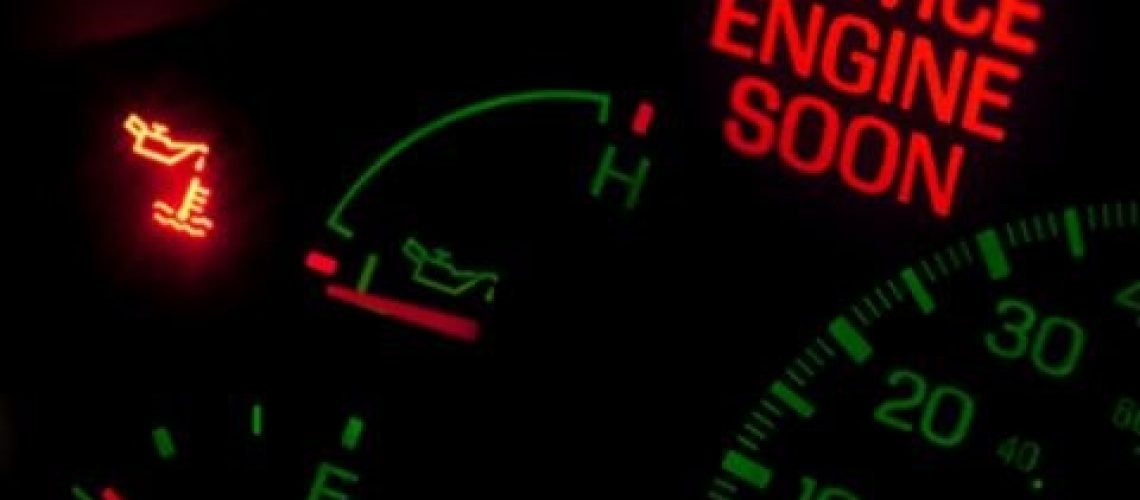
How to tell if the problem is minor or serious
Not every emissions warning is an emergency. But some signs mean you should act quickly.
Credit: doublebautomotive.com
When it may be less urgent
- The light is steady, not flashing.
- The car drives normally.
- You recently filled the tank and the gas cap may be loose.
- There is no strong fuel smell, shaking, or loss of power.
When it may be more serious
- The check engine light is flashing.
- The engine shakes or misfires.
- You smell fuel, burning, or rotten eggs.
- The car loses power or stalls.
- Your fuel use suddenly gets much worse.
A flashing light usually means the engine is misfiring badly enough to risk catalytic converter damage. That can turn a moderate repair into a very expensive one.
Non-obvious insight: a car can feel “almost normal” while still damaging the catalytic converter. Many drivers wait because the car still moves fine. But hidden damage can grow fast when raw fuel enters the exhaust.
What mechanics look at during diagnosis
Good diagnosis is more than reading a code. A mechanic should use the code as a clue, then test the system before replacing parts.
The first step is usually a scan tool. It reads stored codes and freeze-frame data, which shows engine conditions at the moment the fault was detected. That data helps narrow the problem.
Next, the mechanic may inspect hoses, wiring, vacuum lines, the gas cap, and exhaust parts. Depending on the code, they may also test sensor readings, fuel trim values, and system pressure.
For example, an oxygen sensor code does not always mean the sensor is bad. It may mean the engine is running too rich or too lean because of another issue. Replacing the sensor alone may not fix it.
Non-obvious insight: the cheapest part is not always the first part to check. A small vacuum leak can create a chain of false readings that look like multiple bad parts. Smart diagnosis saves money by finding the root cause, not just the code.
What you can do first before paying for repairs
Before you spend money, there are a few useful steps you can take at home. These do not replace proper diagnosis, but they can help you avoid a needless repair.
- Check the gas cap. Make sure it is tight and not cracked. If it is worn, replace it with the correct type for your vehicle.
- Look for obvious damage. Check for broken hoses, loose wires, or unusual engine noises.
- Notice how the car behaves. Pay attention to rough idle, shaking, smoke, smells, or reduced power.
- Use an OBD2 scanner if you have one. Even a basic scanner can give you the trouble code and help point you in the right direction.
- Do not clear the code too early. Clearing it before learning the cause can erase helpful diagnostic information.
If the gas cap was the problem, the light may not turn off instantly. Some cars need a few drive cycles before the system confirms that the issue is gone.
Common fixes and what they usually involve
Fixes depend on the cause, but some repairs are very common.
Replacing the gas cap
This is the simplest fix. If the cap seal is damaged, a new one may solve the issue. It is inexpensive, but it should be the correct fit for the car.
Cleaning or replacing sensors
Sometimes a sensor can be cleaned, but many times replacement is the better long-term fix. Oxygen sensors and mass airflow sensors are common examples.
Still, a sensor should be tested first. Replacing it without checking the rest of the system may waste money.
Repairing EVAP leaks
These repairs may involve replacing a hose, valve, purge solenoid, or canister. Small leaks can be hard to find, so diagnosis may take time.
Fixing misfires
This may require new spark plugs, ignition coils, or wiring repair. If the misfire is ignored too long, the catalytic converter may also need attention.
Replacing the catalytic converter
This is usually considered when the converter is truly failing, not just because a code points near it. A good mechanic will verify the cause, since the converter is costly and often blamed too soon.
For a plain-English look at emissions and vehicle inspection rules, the U.S. Environmental Protection Agency provides a useful overview: EPA vehicle and fuel emissions testing information.
How long you can drive with the light on
This depends on the cause and whether the light is steady or flashing. A steady light with no driving problems may allow short-term driving, but it still should not be ignored for long.
If the car runs rough, stalls, smells strange, or the light flashes, you should stop driving as soon as it is safe. Driving longer can make the repair more expensive.
As a rule, if you are unsure, assume it is worth checking soon. That is especially true before a long trip or an emissions inspection.
Credit: expertautocenter.com
How emissions problems affect fuel economy and engine health
When emissions systems fail, fuel use often gets worse. The engine may run rich, meaning it uses more fuel than needed. That can lower mileage and raise exhaust output.
Over time, this can create more problems. A misfire can damage the catalytic converter. A bad oxygen sensor can make the engine run poorly for weeks. An EVAP issue may not affect drivability much, but it still means the car is releasing fuel vapor into the air.
Non-obvious insight: some emissions faults slowly affect the engine in ways drivers do not notice right away. A small sensor error may not cause a big symptom today, but it can lead to carbon buildup, poor mileage, and future repairs if ignored.
Emissions warning signs you should not ignore
Some signs are easy to miss because they seem minor at first. Watch for these clues:
- Hard starting in the morning
- Sudden drop in gas mileage
- Strong fuel smell near the car
- Rough idle at stoplights
- Hesitation when accelerating
- Poor acceleration on hills
- Check engine light coming on and off
These symptoms can point to the same root problem even if the car still seems drivable.
How to avoid paying for the wrong repair
One of the biggest mistakes drivers make is replacing the part named in the code without deeper testing. A code is not the full story.
For example, a bad oxygen sensor code may be caused by an exhaust leak. A misfire code may be caused by an ignition coil, but it may also be caused by vacuum leaks, fuel pressure problems, or poor compression. If you replace the wrong part, the light comes back and the cost doubles.
Ask for the exact code, the test results, and the reason the part is being recommended. A good shop should explain the cause clearly and show why the repair makes sense.
Simple prevention that really helps
Many emissions problems can be reduced with basic car care. This does not prevent every failure, but it lowers your risk.
- Keep the gas cap tight and replace it if the seal wears out.
- Change spark plugs on time.
- Use the right engine oil and fuel type.
- Fix small vacuum leaks early.
- Do not ignore rough running or misfires.
- Keep up with scheduled maintenance.
Even a simple habit like checking the gas cap after fueling can save you from a false alarm and an unnecessary shop visit.
When to get professional help
If the light stays on after you check the gas cap, or if the car has any rough-running symptoms, a professional diagnosis is the smart move. Emissions systems are connected, so one fault can create misleading symptoms in another part of the system.
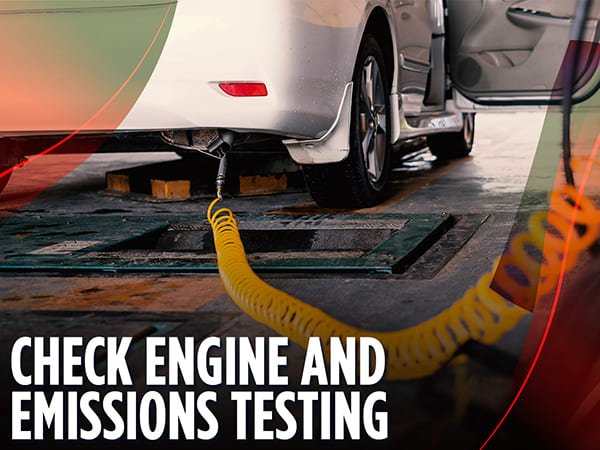
You should also get help if the car failed an emissions test, if the light is flashing, or if the same code keeps returning after a repair. That often means the root cause was missed.
The best repair is the one that solves the actual fault, not just the warning light.
| Cause | Typical severity | Common sign | Usual repair cost range |
|---|---|---|---|
| Loose gas cap | Low | Light after fueling | Very low |
| Oxygen sensor | Medium | Worse fuel economy | Low to medium |
| EVAP leak | Low to medium | Check engine light with no big symptoms | Low to medium |
| Misfire | Medium to high | Rough idle or shaking | Medium |
| Catalytic converter | High | Loss of power or sulfur smell | High |
Credit: copperhead-diesel.com
FAQ
1. Can I drive with a Check Engine Light Emissions Problem?
If the light is steady and the car drives normally, you may be able to drive for a short time. But you should check the cause soon. If the light is flashing, stop driving as soon as it is safe.
2. Will a loose gas cap really turn on the check engine light?
Yes. A loose, cracked, or damaged gas cap can cause an EVAP leak and trigger the light. It is one of the easiest things to check first.
3. Does an emissions problem always mean the catalytic converter is bad?
No. Many other parts can cause emissions codes, including sensors, spark plugs, hoses, and EVAP parts. The catalytic converter is only one possible cause.
4. Can the check engine light turn off by itself?
Yes, sometimes. If the problem was temporary and the system sees normal readings again, the light may turn off after several drive cycles. But if the issue is real, it often returns.
5. Why did my car fail an emissions test when it drives fine?
Some emissions faults do not create obvious driving symptoms. A sensor problem, EVAP leak, or weak catalytic converter can still cause a test failure even if the car feels normal.