
Electric cars are changing how we think about driving, energy, and the environment. But for many people, one big question remains: How long do electric car batteries last? If you’re thinking about buying an electric car, or you already own one, understanding battery lifespan is important. It affects your wallet, your driving habits, and even the resale value of your vehicle. Some people worry that these batteries will die quickly, costing thousands of dollars to replace. Others believe new technology makes them last forever. The real answer sits somewhere in between.
In this article, you’ll learn what impacts electric car battery life, what to expect from different brands, how to make your battery last longer, and what happens when the battery gets old. You’ll also find real-world data, key comparisons, and practical advice you won’t get from sales brochures.
Let’s explore the full story behind electric car battery lifespan.
How Electric Car Batteries Work
Electric cars use lithium-ion batteries. These are similar to the batteries in your phone or laptop but much bigger and more advanced. When you charge your car, electricity fills up the battery. When you drive, the battery sends power to the electric motor.
Batteries are made up of many smaller units called cells. A battery pack might have hundreds or even thousands of these cells. Over time, these cells slowly lose their ability to hold energy. This process is called degradation. It’s normal and happens to every battery, but the speed depends on several factors.
A common myth is that a battery just “dies” one day. In reality, most electric car batteries lose capacity slowly. For example, after several years, your battery might hold 80% of the energy it did when new. You can still drive, but the range will be less.
What Determines Electric Car Battery Lifespan?
Several key factors decide how long electric car batteries last. Understanding these can help you get the most from your vehicle.
Battery Chemistry
Not all batteries are the same. Most electric cars use lithium-ion chemistry, but there are different types within this family:
- NMC (Nickel Manganese Cobalt): Common in many EVs, good balance of life and power.
- LFP (Lithium Iron Phosphate): Very durable, used in some Tesla and Chinese models.
- NCA (Nickel Cobalt Aluminum): Found in some high-performance cars.
Some chemistries handle heat, fast charging, and deep discharges better than others. For example, LFP batteries tend to last longer but may have lower energy density.
Charging Habits
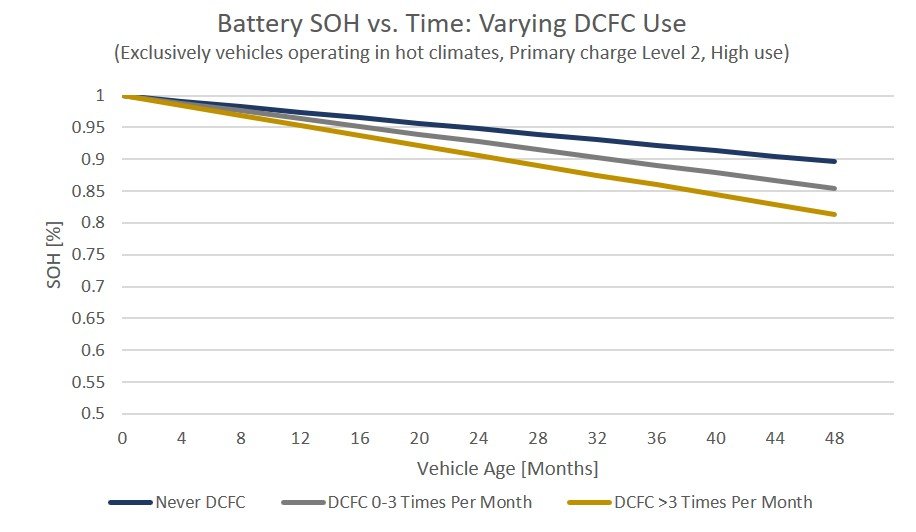
How you charge your car affects battery life. Fast charging (using DC fast chargers) is convenient but puts more stress on the battery. Regularly charging to 100% or letting the battery drop below 10% can also speed up degradation.
Many experts recommend:
- Charging to 80% for daily use
- Avoiding 0–100% cycles unless needed
- Using slower AC charging when possible
Temperature
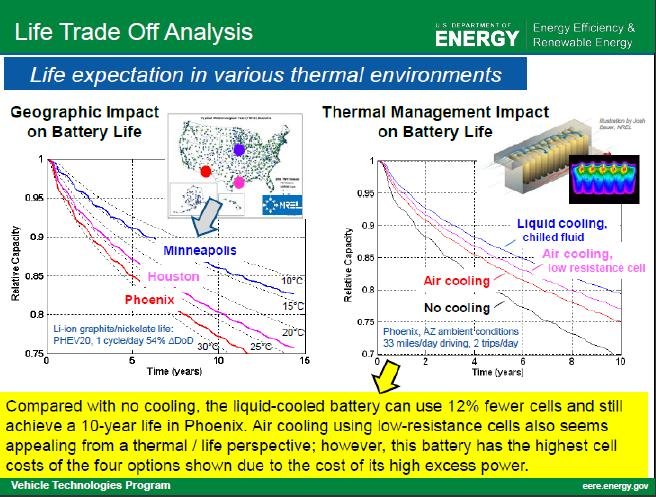
Batteries don’t like extreme heat or cold. High temperatures can speed up aging, especially if the car sits fully charged. Cold temperatures reduce range temporarily but usually don’t cause lasting damage.
Modern EVs have thermal management systems to keep batteries in a safe temperature range. Cars with active cooling, like Teslas and some Kias, usually have longer battery life.
Mileage And Usage
Like any car part, batteries wear out with use. The more you drive, the faster the battery ages. But most batteries are designed to handle 100,000 miles or more before dropping below 80% capacity.
Short trips with lots of charging and discharging are harder on the battery than long, steady drives. If you mostly drive on highways and avoid deep discharges, your battery will last longer.
Maintenance And Software
Software updates can improve battery performance and life. Some manufacturers push updates to manage charging rates and temperature, which helps slow degradation. Basic care, like keeping the battery clean and checking for recalls, also helps.
Credit: www.geotab.com
Typical Lifespan Of Electric Car Batteries
So, what’s the real-world answer? Most electric car batteries last 8–15 years or 100,000–200,000 miles before needing major attention. After this, the battery may still work but with less range.
Here’s a quick look at what you can expect from popular brands:
| Brand / Model | Estimated Battery Lifespan | Warranty (Years / Miles) |
|---|---|---|
| Tesla Model 3/Y | 12–15 years | 8 years / 100,000–120,000 miles |
| Nissan Leaf | 8–10 years | 8 years / 100,000 miles |
| Chevrolet Bolt | 10–12 years | 8 years / 100,000 miles |
| Hyundai Kona Electric | 10–12 years | 10 years / 100,000 miles |
| Kia EV6 | 10–13 years | 10 years / 100,000 miles |
Most warranties cover battery replacement if capacity drops below 70% during the period. After the warranty, batteries usually keep working for many more years, but range gradually reduces.
Real-world Data And Statistics
It’s helpful to look at real-world numbers, not just lab tests. A study by the Department of Energy in the United States found that most electric car batteries lose about 2% of capacity per year. This means after five years, you might have 90% of your original range.
Tesla released data from over 1 million cars showing that after 200,000 miles, the average battery still had more than 80% capacity. Nissan Leaf batteries (older models without cooling) sometimes degraded faster, especially in hot places.
Another non-obvious point: batteries in taxis or ride-hailing services, which drive all day and charge often, lose capacity faster. But even these often last over 200,000 miles before dropping below 70% capacity.
Here is a quick comparison of annual degradation rates:
| Model | Annual Degradation Rate |
|---|---|
| Tesla Model S/X | ~1.5% per year |
| Nissan Leaf (2011–2017) | ~4% per year |
| Chevrolet Bolt | ~2.2% per year |
| Hyundai/Kia Models | ~2.5% per year |
Key insight: The most important factor is not the brand, but the battery temperature management and your charging habits.
How To Extend Electric Car Battery Life
If you want your battery to last as long as possible, a few simple habits make a big difference:
- Avoid frequent fast charging. Use it only when needed for long trips.
- Charge to 80% for daily driving. Save 100% charges for road trips.
- Don’t let the battery drop below 10%. Try to keep it between 20–80% most of the time.
- Park in shade or a garage. Reducing heat exposure slows battery aging.
- Update your car’s software. This can include battery management improvements.
- Drive smoothly. Aggressive driving heats the battery and uses more energy.
A tip most people miss: If you won’t use your car for a long time, leave the battery at about 50–60% charge. This is the healthiest level for storage.
What Happens When Electric Car Batteries Age?
When a battery loses capacity, your car won’t just stop working. Instead, you’ll notice:
- Shorter range. You can’t drive as far on a full charge.
- Longer charging times. The car may limit charging speed to protect the battery.
- Reduced acceleration. Less power might be available in older batteries.
But even after “end of life” for driving, most batteries still hold 60–70% capacity. Some are used for second-life storage in homes or businesses. Others are recycled for valuable materials.
Here’s a look at what usually happens as batteries age:
| Battery Age | Typical Range (%) | Common Use |
|---|---|---|
| 0–5 years | 90–100% | Normal driving |
| 6–10 years | 80–90% | Reduced range, still good for daily use |
| 11–15 years | 60–80% | Shorter trips, possible second-life use |
Non-obvious fact: Most electric cars are retired for reasons other than battery failure—such as accidents or old age—long before the battery is completely unusable.
Credit: www.greencarreports.com
Battery Replacement And Costs
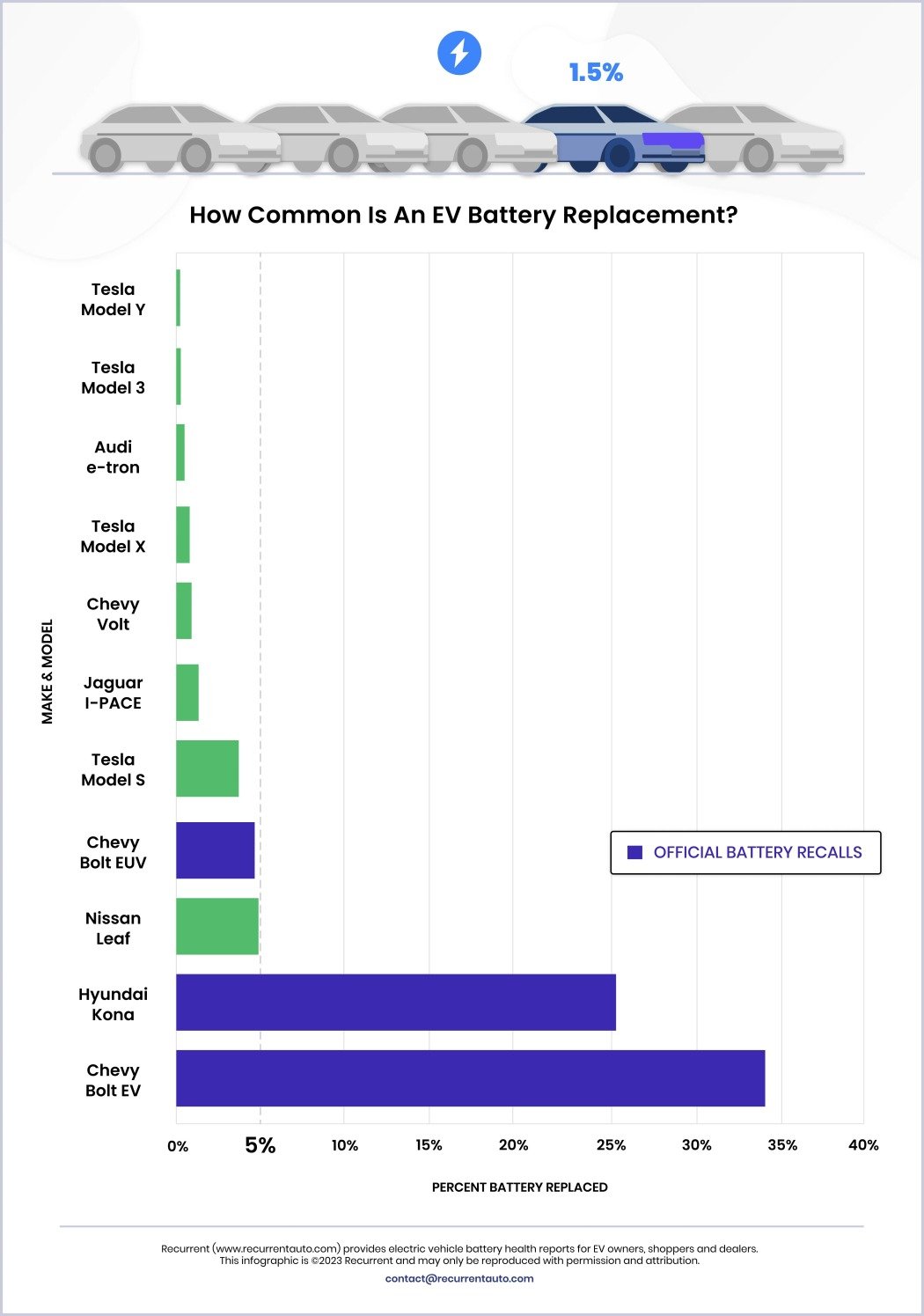
Battery replacement is a concern for buyers. The good news: most drivers never need to replace the battery during the car’s normal life. If you do, costs vary widely:
- Nissan Leaf (24 kWh): $5,000–$7,000
- Tesla Model 3: $13,000–$16,000
- Chevrolet Bolt: $10,000–$13,000
Prices are dropping as battery technology improves. Also, used and refurbished batteries are becoming available, making replacement cheaper.
Important insight: Many automakers cover battery failures under warranty. It’s rare to pay full price unless you keep the car over 10 years.
How Battery Life Affects Resale Value
Resale value is a real worry for electric car buyers. Early EVs lost value quickly because of battery concerns. Today, with longer warranties and better data, resale values are stronger.
Cars with more than 80% battery health keep most of their value. If the battery drops below 70%, resale price falls sharply unless the battery is replaced.
Some services now offer battery health checks for used EVs. This gives buyers confidence and helps sellers get a fair price.
Recycling And Second-life Uses
When an electric car battery is finally too old for driving, it’s not just thrown away. Most batteries are either recycled or reused for less demanding jobs.
- Recycling: Specialized companies recover lithium, cobalt, nickel, and other materials for new batteries.
- Second-life: Old car batteries are used for solar energy storage or backup power.
This reduces waste and helps the environment. According to the International Energy Agency, more than 90% of battery materials can be recycled.
For more on recycling, visit the Wikipedia battery recycling page.
The Future Of Electric Car Batteries
Battery technology is improving fast. New types like solid-state batteries promise even longer life, faster charging, and lower costs. Research is also focused on recycling, making batteries safer and more sustainable.
Many experts expect electric car batteries to last as long as the cars themselves within the next decade. This will make electric vehicles even more attractive for buyers.
Credit: www.pcmag.com
Frequently Asked Questions
How Long Does An Electric Car Battery Last On Average?
Most electric car batteries last 8–15 years or 100,000–200,000 miles before significant capacity loss. Many last even longer with good care.
Does Fast Charging Damage The Battery?
Frequent fast charging can speed up battery degradation. It’s best to use fast charging only when you need it and rely on slower charging for daily use.
Can Electric Car Batteries Be Replaced?
Yes, but replacement is rarely needed in the first 8–10 years. Costs vary by model and battery size, but prices are falling as technology improves.
What Happens To Old Electric Car Batteries?
Old batteries are usually recycled or used for second-life applications, such as home energy storage. This helps reduce waste and recover valuable materials.
Is It Safe To Buy A Used Electric Car?
Yes, if you check battery health and warranty. Most used EVs still have strong batteries. Ask for a battery report before buying.
Electric cars are here to stay, and their batteries are built to last. With smart habits and a little care, you can enjoy years of reliable, low-cost driving.
