
Most car problems start small—low oil, old coolant, or a leaky transmission. But if you check your car fluids regularly, you can catch these issues before they become expensive repairs. Many people think checking car fluids is only for experts, but anyone can do it with a little guidance.
If you want your vehicle to run well and last longer, learning how to check car fluids is a smart move.
In this guide, you’ll learn how to check all key fluids under the hood. I’ll explain step by step, using simple words and real examples. You’ll also find tips, common mistakes to avoid, and what to do if you find problems.
By the end, you’ll feel confident to open your hood and do these checks yourself.
Why Checking Car Fluids Matters
Every car needs different fluids to work properly. These fluids cool, clean, and protect the engine and other parts. If one fluid gets low or dirty, it can cause breakdowns or damage. For example, running out of engine oil can destroy the engine in minutes. Low brake fluid can make it hard to stop your car. That’s why checking fluids is part of basic car care.
Many people only check fluids when there’s a warning light or strange noise. But by then, it could be too late. Regular checks help you spot leaks or problems early. This saves money, time, and stress.
Essential Car Fluids To Check
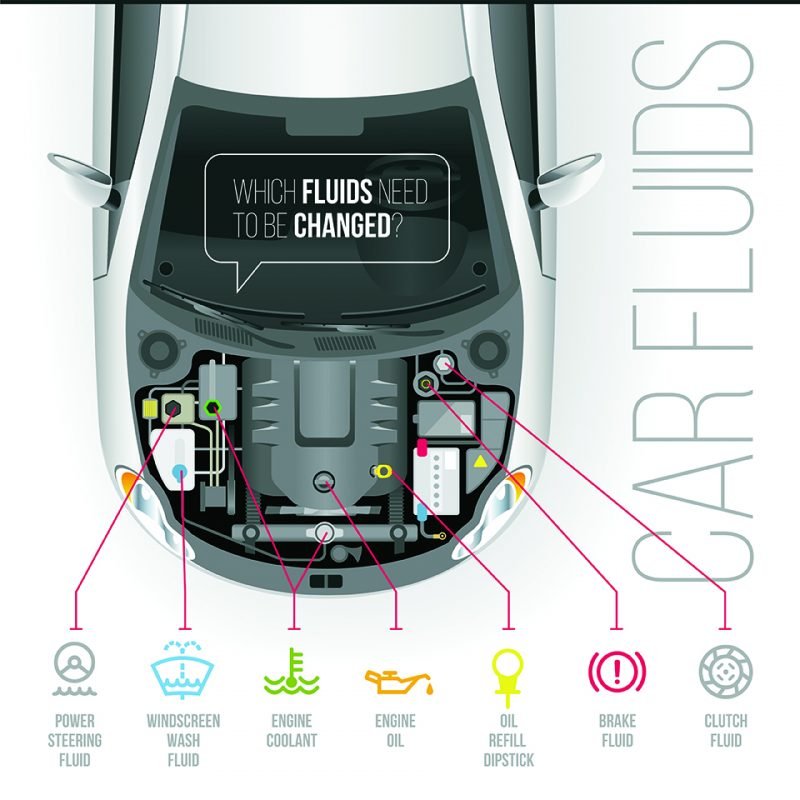
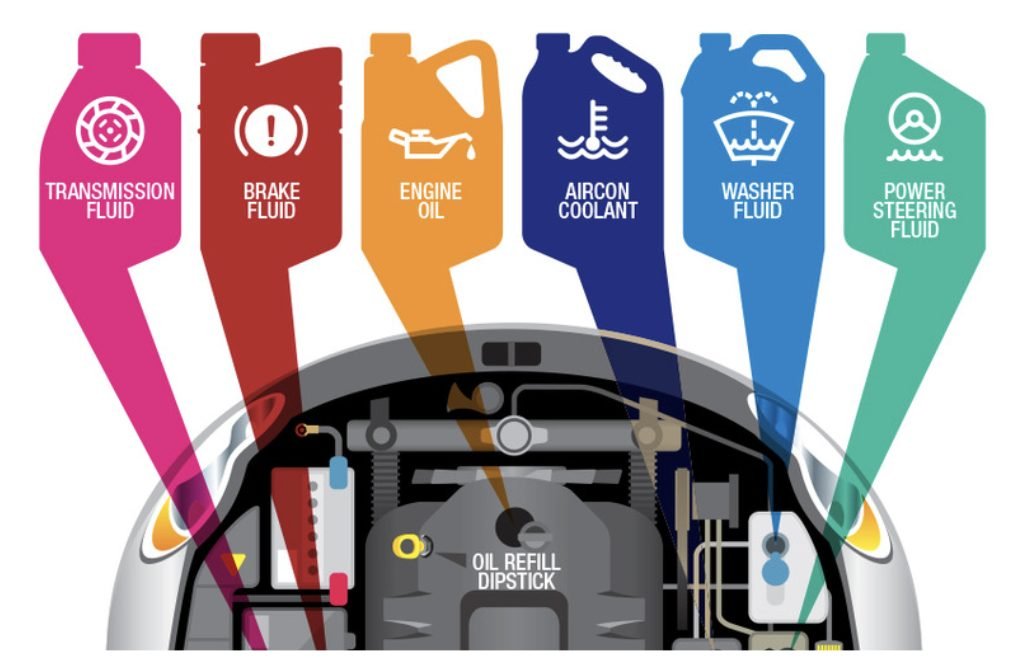
There are several fluids you should check. The most important are:
- Engine Oil
- Coolant (Antifreeze)
- Brake Fluid
- Transmission Fluid
- Power Steering Fluid
- Windshield Washer Fluid
- Differential Fluid (for some cars)
Let’s look at each fluid, how to check it, and what to watch for.
How To Check Engine Oil
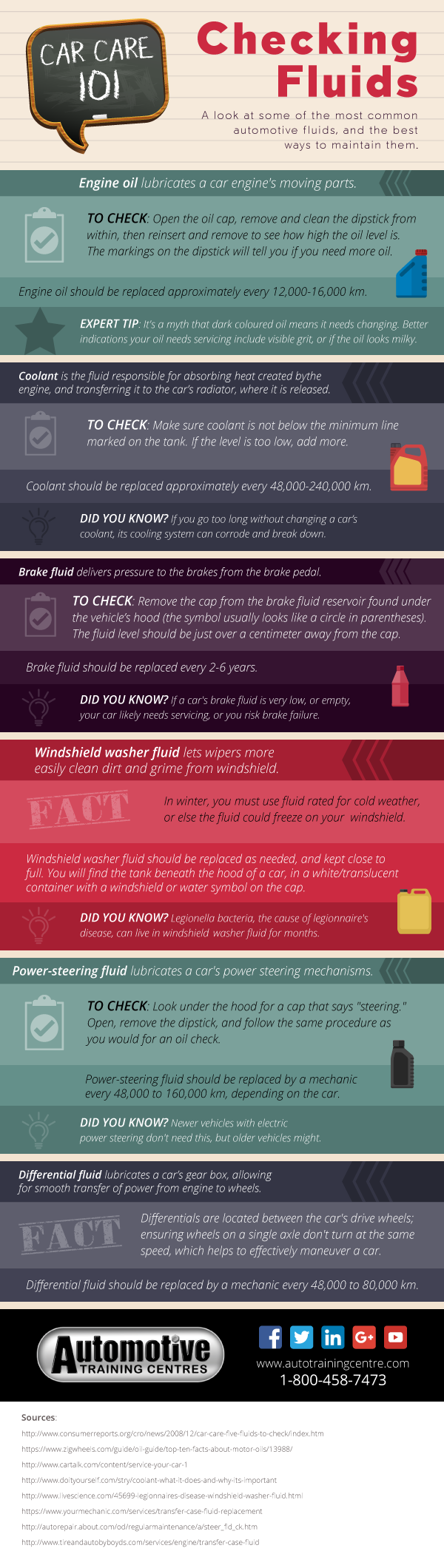
Engine oil keeps your engine running smoothly. It reduces friction, cools moving parts, and cleans away dirt.
Steps To Check Engine Oil
- Park on level ground and turn off the engine. Wait at least 5 minutes so the oil can settle.
- Open the hood. Find the oil dipstick. It usually has a yellow or orange handle.
- Pull out the dipstick. Wipe it clean with a rag or paper towel.
- Insert the dipstick fully back into the tube, then pull it out again.
- Look at the oil level. There are marks for “full” and “low.” The oil should be between these marks.
- Check the oil color. Fresh oil is amber or brown. Very dark or gritty oil means it’s time for a change.
What To Do If Oil Is Low
If the oil is below the “low” mark, add the right type of oil. Check your owner’s manual for the correct grade. Only add a little at a time—overfilling can hurt the engine.
Non-obvious tip: If you see milky or frothy oil, water might be mixing with the oil. This is a serious problem. Get your car checked by a mechanic right away.
Checking Coolant (antifreeze)
Coolant keeps the engine from overheating or freezing. It flows between the engine and radiator.
Steps To Check Coolant
- Only check coolant when the engine is cold. Opening the cap when hot can spray dangerous steam.
- Find the coolant reservoir. It’s a plastic tank near the radiator, often marked with “engine coolant.”
- Look for “full” and “low” lines on the side of the tank.
- The coolant level should be between these lines. The color is usually green, orange, pink, or blue.
What To Do If Coolant Is Low
Add a mix of coolant and water (usually 50/50). Never use just water unless it’s an emergency. If the coolant is brown or rusty, flush the system soon.
Hidden insight: If you must refill coolant often, there might be a leak. Small leaks can be hard to find, so check under your car for puddles.
How To Check Brake Fluid
Brake fluid is essential for safe stopping. If it’s low or dirty, your brakes may not work well.
Steps To Check Brake Fluid
- Find the brake fluid reservoir. It’s usually on the driver’s side, near the back of the engine bay.
- The reservoir is often clear, so you can see the fluid level from outside. Look for “MIN” and “MAX” lines.
- The fluid should be near the “MAX” line. It should be clear or light yellow.
What To Do If Brake Fluid Is Low
Top up with the correct brake fluid type (usually DOT 3 or DOT 4). Check your manual. If the fluid is dark or you need to refill often, get your brakes checked. This could mean a leak or worn brake parts.
Beginner mistake: Never let dirt or moisture get into the brake fluid. Even a small amount can damage the system.
Checking Transmission Fluid
Transmission fluid lubricates and cools the gears. Automatic and manual transmissions use different fluids.
Steps To Check Automatic Transmission Fluid
- Start the engine and let it warm up. Shift through all gears, then leave it in Park.
- Open the hood and find the transmission dipstick (not all cars have one).
- Pull out the dipstick, wipe it clean, reinsert, then pull out again.
- Check the fluid level and color. It should be pinkish-red and not smell burnt.
Steps To Check Manual Transmission Fluid
Most manual cars don’t have a dipstick. A mechanic checks the fluid from underneath the car. But you can watch for leaks or shifting problems.
What To Do If Transmission Fluid Is Low
Add the correct type of transmission fluid. Overfilling can cause damage, so go slowly. If the fluid looks brown or smells burnt, change it soon.
Non-obvious insight: If your car doesn’t have a transmission dipstick, check the owner’s manual. Some modern cars have “sealed” transmissions that don’t need regular checks.
Credit: www.rgmags.com
How To Check Power Steering Fluid
Power steering fluid helps you turn the wheel easily. Low fluid can make steering stiff or noisy.
Steps To Check Power Steering Fluid
- Find the power steering reservoir. It’s usually near the engine, with a steering wheel symbol on the cap.
- Some tanks have a dipstick on the cap. Others have “MIN” and “MAX” lines on the side.
- The fluid should be between the marks. It’s usually red, amber, or clear.
What To Do If Power Steering Fluid Is Low
Add the recommended fluid for your car. If you hear whining sounds or see leaks, get it checked. Power steering leaks can get worse quickly.
Tip: Wipe the reservoir area before opening the cap. This keeps dirt out of the system.
Checking Windshield Washer Fluid
Washer fluid cleans your windshield. While not vital for the engine, it’s important for safe driving.
Steps To Check Washer Fluid
- Find the washer fluid reservoir. It usually has a blue or black cap with a windshield symbol.
- Open the cap. Look inside or check marks on the side.
- Fill with washer fluid, not water (which can freeze or grow bacteria).
Small detail: Some washer fluids have extra cleaning or de-icing chemicals for winter.
Credit: www.autotrainingcentre.com
Checking Differential Fluid
The differential sends power from the engine to the wheels. Not all cars have a separate differential fluid check.
How To Check Differential Fluid
For rear-wheel or four-wheel drive cars, the differential has its own fluid. Usually, only a mechanic checks it, because you need to remove a plug under the car. But you can watch for leaks or noises from the rear axle.
Common Car Fluid Problems And What They Mean
Sometimes, checking fluids can reveal bigger issues. Here are some warning signs:
- Milky oil: Possible coolant leak into engine oil (bad head gasket)
- Brown coolant: Rust or old coolant, flush needed
- Low brake fluid: Worn brake pads or a leak
- Burnt transmission fluid: Overheating or worn transmission
- Leaking fluids under car: Check color and location to find the source
If you see these problems, get your car checked soon. Small fluid problems can turn into big repairs if ignored.
How Often Should You Check Car Fluids?
A good rule is to check your engine oil and coolant every month. Check other fluids (brake, transmission, power steering) every few months or before long trips. Washer fluid should be checked often in winter or rainy seasons. According to AAA’s Approved Auto Repair program, shops that employ ASE-certified or factory-trained technicians must meet strict standards for training, equipment, and customer service.
Bonus tip: Always check fluids before road trips or after buying a used car.
What Tools And Supplies You’ll Need
You don’t need special tools to check most fluids. Here’s what helps:
- Clean rags or paper towels
- Funnel for adding fluids
- Flashlight (for seeing markings)
- Gloves (optional)
- Owner’s manual (for fluid types and locations)
Sample Fluid Check Schedule
Here’s a simple schedule to keep your fluids in top shape:
| Fluid | Check Frequency | Change Interval |
|---|---|---|
| Engine Oil | Monthly | 5,000–10,000 km |
| Coolant | Monthly | 2–5 years |
| Brake Fluid | Every 3 months | 2–3 years |
| Transmission Fluid | Every 3–6 months | 50,000–100,000 km |
| Power Steering Fluid | Every 3 months | As needed/2 years |
| Washer Fluid | Monthly or as needed | Top up as needed |
*Intervals can vary by car, so check your manual for exact numbers. *
Color Guide: What Your Fluid Should Look Like
Knowing what each fluid should look like helps you spot problems.
| Fluid | Normal Color | Warning Sign |
|---|---|---|
| Engine Oil | Amber to brown | Milky, gritty, very dark |
| Coolant | Green, orange, pink, blue | Brown, rusty, cloudy |
| Brake Fluid | Clear to light yellow | Dark brown or black |
| Transmission Fluid | Red or pink | Brown, burnt smell |
| Power Steering Fluid | Red, amber, or clear | Dark or foamy |
Comparing Diy Vs. Professional Fluid Checks
Some people prefer mechanics to check their fluids. Here’s how both methods compare:
| Method | Pros | Cons |
|---|---|---|
| DIY | Free, fast, builds skill | Can miss hidden problems |
| Professional | Thorough, expert tools | Costs money, takes time |
Non-obvious insight: Even if you do checks yourself, have a mechanic inspect your car at least once a year for things you might miss.
Mistakes To Avoid When Checking Car Fluids
Many beginners make simple errors. Here’s what to watch out for:
- Checking fluids on a hot engine (especially coolant)
- Mixing wrong fluid types (never mix brands or colors unless approved)
- Forgetting to tighten caps after refilling
- Overfilling (just as bad as underfilling)
- Ignoring leaks or strange colors
- Using plain water as coolant (except in emergencies)
Credit: pinksliptoday.com.au
What To Do If You Find A Problem
If you notice low or dirty fluid, fix it soon. Add the right fluid or schedule a service. For leaks, try to find the source. If you’re not sure, ask a mechanic for advice. Driving with low or wrong fluids can cause expensive damage.
Learning More About Car Maintenance
If you want to go deeper, many car manuals and trusted sites offer step-by-step guides. For example, the Automobile Maintenance Wikipedia page has helpful diagrams and explanations.
Frequently Asked Questions
How Often Should I Check My Car Fluids?
Check engine oil and coolant monthly. Check other fluids (brake, power steering, transmission) every 3 months or before long trips. Washer fluid should be checked as needed.
What If I Don’t Know What Fluid To Use?
Always check your car’s owner’s manual. Using the wrong fluid can damage your car. If unsure, ask a mechanic or parts store.
Can I Mix Different Brands Or Colors Of Fluid?
Usually, it’s best not to mix. Some fluids are designed to mix, but others can cause problems. If you must mix, choose the same type and brand if possible.
What Should I Do If I Find A Leak Under My Car?
Check the fluid’s color and location. Oil is brown or black, coolant is green/orange/pink, and transmission fluid is red. If you can’t fix it yourself, see a mechanic soon.
Is It Safe To Drive With Low Or Dirty Fluid?
No, it’s risky. Low or dirty fluids can cause breakdowns or accidents. Always top up or change fluids as needed to keep your car safe.
Taking a few minutes each month to check your car fluids can save you from major headaches. With these simple steps and tips, you’ll drive with more confidence—and your car will thank you for it.