
Every car owner faces it at some point—a small puddle under the engine, a dark stain on the driveway, or that burning oil smell after parking. Oil leaks are one of the most common car problems, and they can happen to any vehicle, old or new.
Fixing an oil leak yourself might sound difficult, but with the right guidance, many leaks can be repaired at home, saving you both time and money. Understanding how to fix oil leaks can also help you prevent bigger engine problems and costly repairs later.
This step-by-step guide will walk you through everything you need to know, from finding the leak to choosing the right tools and products. Whether you’re a beginner or have some car maintenance experience, you’ll learn practical tips and avoid common mistakes that could make things worse.
Let’s get your car back on the road, leak-free and safe.
Why Oil Leaks Happen
Engine oil keeps all the moving parts of your car’s engine running smoothly. Over time, parts wear out, seals dry up, and gaskets may fail. Here are the most frequent reasons for oil leaks:
- Worn gaskets or seals: These rubber or metal parts keep oil inside the engine. They can harden, crack, or break, especially with age.
- Loose or damaged oil pan: The oil pan sits under your engine and can be hit by road debris or loosened bolts.
- Improperly tightened bolts: Over-tightening or under-tightening can damage gaskets and create leaks.
- Old oil filter: If not changed regularly, the oil filter seal may leak.
- Cracked engine block or head: Rare, but possible after overheating or physical damage.
Most leaks are caused by simple things like old seals or a loose oil filter, not catastrophic engine problems.
How To Spot An Oil Leak
Detecting an oil leak early can save you from major engine damage. Look for these signs:
- Oil spots: Dark brown or black puddles under your car.
- Burning oil smell: Especially after parking.
- Low oil level: Check your dipstick regularly.
- Smoke from the engine: Oil leaking onto hot parts can burn.
- Dirty engine parts: Oil collects dust and grime.
Don’t ignore these signs. Even small leaks can quickly lead to bigger problems, like low oil pressure, engine overheating, or complete engine failure.
Tools And Materials You Need
Before you start, gather the right tools and supplies. Having everything ready will make the job faster and safer.
- Jack and jack stands: To lift and safely support your car.
- Wrenches and socket set: For removing bolts and parts.
- Screwdrivers: Both flathead and Phillips.
- Oil drain pan: To catch leaking oil.
- Rags or shop towels: Cleaning up oil.
- Flashlight: For inspecting dark areas.
- Gloves and safety glasses: Protection from oil and debris.
- Gasket scraper: To remove old gasket material.
- Replacement gaskets or seals: As needed for your specific leak.
- High-temp silicone sealant: For sealing gaskets.
- Engine degreaser: To clean oily surfaces.
- Torque wrench: For tightening bolts to the correct specification.
Optional but helpful:
- UV dye and UV flashlight: Makes finding small leaks much easier.
Finding The Exact Source Of The Leak
Locating the leak is often the hardest part. Oil can travel along engine parts, making it look like it’s leaking from somewhere else. Here’s how to pinpoint it:
- Clean the engine: Use an engine degreaser to remove old oil and grime. Let the engine dry completely.
- Add UV dye: Pour a small amount of UV oil dye into your engine oil (available at auto stores).
- Run the engine: Let it idle for 5–10 minutes, then turn off.
- Use a UV flashlight: In a dark garage or at night, shine the UV light around the engine. The dye glows bright yellow-green where the oil is leaking.
If you don’t have UV dye, wipe suspected areas dry and check after a short drive for fresh oil.
Common Areas Where Oil Leaks Start
Knowing where to look saves time. Here are the main places oil leaks begin:
| Part | Leak Frequency | Difficulty to Fix |
|---|---|---|
| Valve Cover Gasket | Very Common | Easy |
| Oil Pan Gasket | Common | Medium |
| Oil Filter | Common | Easy |
| Oil Drain Plug | Occasional | Easy |
| Front/Rear Main Seal | Less Common | Hard |
Most DIY repairs can be done for valve covers, oil pan gaskets, oil filters, and drain plugs. Main seals usually require a mechanic.
Step-by-step: Fixing The Oil Leak Yourself
1. Safety First
Always work on a cool engine. Hot oil can burn skin, and hot parts can cause serious injury. Park on a level surface, set the parking brake, and use jack stands—not just a jack—to support your car.
2. Remove Old Oil And Clean Area
- Place an oil drain pan under the suspected leak.
- Remove the oil fill cap to let air in and help oil drain faster.
- Remove any engine covers or shields.
- Clean the area around the leak with engine degreaser and rags. This helps you see the leak clearly and ensures a good seal for new gaskets.
3. Replace The Faulty Part Or Gasket
For A Valve Cover Gasket:
- Remove bolts securing the valve cover.
- Carefully lift off the cover. If stuck, gently pry—but don’t force or bend.
- Remove the old gasket and scrape away any residue.
- Place the new gasket, using a small amount of high-temp silicone at corners if required.
- Reinstall the valve cover and tighten bolts in a crisscross pattern to the specified torque.
For An Oil Pan Gasket:
- Drain engine oil completely.
- Remove the bolts around the oil pan.
- Gently lower the oil pan (it may need light taps).
- Remove old gasket material completely.
- Place the new gasket and align the oil pan.
- Reinstall bolts and tighten evenly.
For Oil Filter Or Drain Plug:
- Unscrew the old oil filter or drain plug.
- Clean the contact surface.
- Replace the gasket or O-ring if needed.
- Screw on the new filter or plug by hand, then snug with a wrench (not too tight).
4. Add Fresh Oil And Check For Leaks
- Refill with the correct type and amount of oil (check your owner’s manual).
- Run the engine for 5–10 minutes while watching the repaired area.
- Turn off and check for drips.
- Inspect the oil level and top up if necessary.
Credit: www.u-buy.co.uk
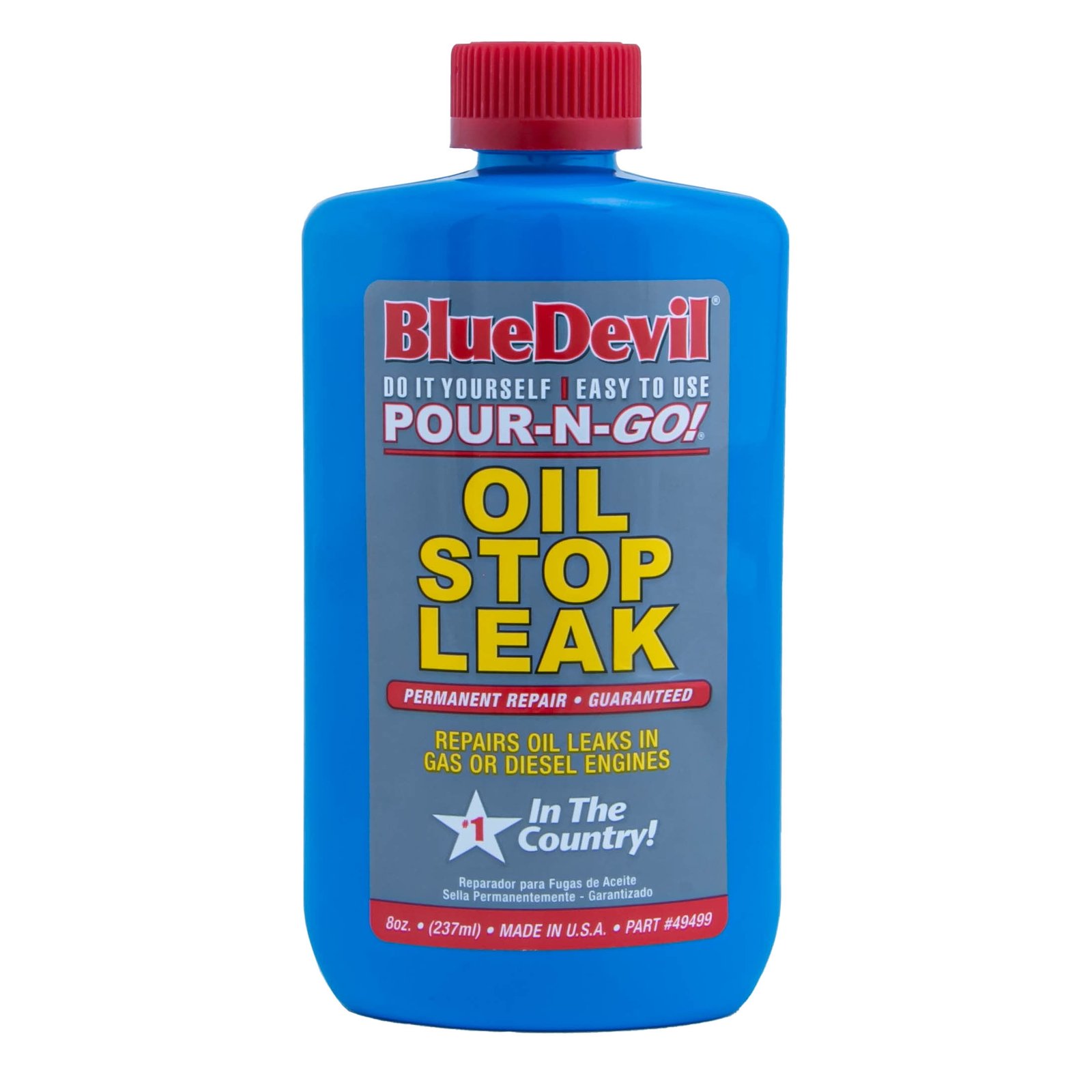
Using Oil Stop Leak Products: Do They Work?
Many auto stores sell oil stop leak additives. These are poured into your engine oil and claim to swell seals and stop leaks. Here’s a quick comparison:
| Solution | Best For | Effectiveness | Cost |
|---|---|---|---|
| Stop Leak Additive | Small leaks, old gaskets | Temporary | Low |
| Gasket Replacement | Medium to large leaks | Permanent | Medium |
| Professional Repair | Main seals, cracked parts | Permanent | High |
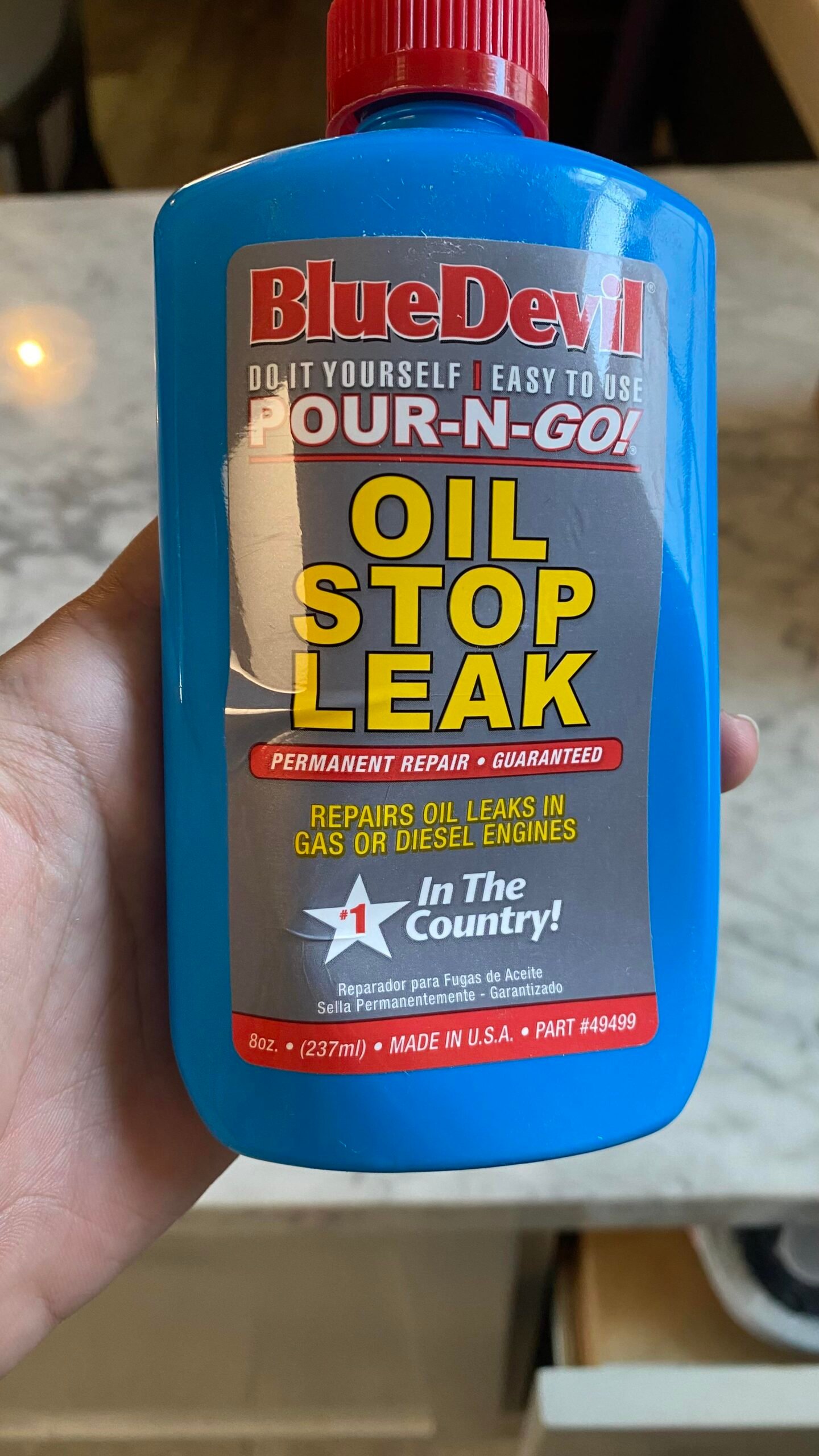
Oil stop leak can help with small leaks, but it’s not a true fix. It can also cause problems in newer engines by swelling seals too much. Use only as a temporary solution until you can repair the leak properly.
How To Prevent Future Oil Leaks
Prevention is better than repair. Here’s how to keep your car leak-free:
- Change oil and filter regularly: Old oil becomes acidic and damages seals.
- Use the right oil: Check your manual for the right viscosity and type.
- Inspect your engine for leaks every 3 months: Early detection means easier repairs.
- Tighten bolts to the correct torque: Over-tightening can crush gaskets; under-tightening lets oil seep out.
- Replace gaskets and seals at recommended intervals: Especially on older cars.
A non-obvious tip: Avoid parking over puddles or on grass, which can hide small oil leaks. Always check your parking spot for stains.
Credit: www.reddit.com
Common Mistakes To Avoid
Many beginners make errors that turn a simple fix into a bigger problem. Watch out for these:
- Skipping engine cleaning: Oil and grime can hide leaks and prevent new gaskets from sealing.
- Over-tightening bolts: This can break the gasket or strip threads.
- Using the wrong gasket: Always match the part to your car’s make and model.
- Not checking for multiple leaks: Sometimes fixing one leak reveals another.
- Ignoring small leaks: Even small leaks can lead to large engine problems.
Most people miss that some leaks only happen under high pressure (while driving). After your repair, drive for a few days and re-check for any signs of new leaks.
When To Call A Professional
Some oil leaks are too complex or risky for DIY repair. Call a mechanic if:
- The leak is from the rear main seal or front crankshaft seal (requires major disassembly).
- You see oil mixing with coolant (milky oil) or coolant in your oil (blown head gasket).
- The leak is large and drips constantly, even with the engine off.
- You don’t have the right tools or space to work safely.
Serious engine leaks can lead to complete engine failure. If you’re unsure, it’s safer to get expert help.
Cost Comparison: Diy Vs. Mechanic
How much can you save by fixing an oil leak yourself? Here’s a quick look:
| Leak Type | DIY Cost (Parts Only) | Mechanic Cost (Parts + Labor) |
|---|---|---|
| Valve Cover Gasket | $20–$50 | $150–$350 |
| Oil Pan Gasket | $30–$80 | $200–$500 |
| Oil Filter/Drain Plug | $5–$15 | $40–$80 |
| Main Seal | $50–$100 (parts only) | $500–$1200 |
As you can see, doing the repair yourself can save hundreds of dollars, especially for simple gasket or filter replacements.
Useful Resources
If you want to learn more about car maintenance, the Wikipedia Motor Oil page has in-depth information on engine oils, types, and maintenance tips.
Credit: www.youtube.com
Frequently Asked Questions
What Is The Most Common Cause Of Oil Leaks?
The most common cause is a worn valve cover gasket. Over time, heat and age cause the gasket to harden and crack, letting oil seep out.
Can I Drive With A Small Oil Leak?
You can drive for a short time with a minor leak, but it’s risky. Oil can drip onto hot parts, causing smoke or fire, and you could run low on oil, which damages the engine.
How Do I Know If The Leak Is Serious?
A serious leak will leave large puddles, cause a strong burning smell, or make the oil warning light turn on. If you need to add oil more than once a month, it’s likely serious.
Are Oil Leak Stop Additives Safe?
Most are safe for older engines with small leaks, but they’re not a permanent fix. Use them only as a short-term solution, and always follow the instructions.
What If The Leak Is Still There After Repair?
Double-check your work: Did you clean the surface well? Use the correct gasket? Tighten bolts evenly? If the leak continues, it may be from another area or require a professional’s help.
Repairing an oil leak yourself can be satisfying and cost-effective. With patience, the right tools, and careful attention to detail, you can fix most common leaks and keep your car running smoothly for years to come.