
When you press the button and your car’s power window does not move, it can be very frustrating—especially if you need fresh air or want to pay at a drive-thru. Power windows are a modern convenience most drivers take for granted until they stop working.
The good news is, many window problems are caused by simple issues you can fix yourself. You don’t always need a mechanic or expensive repairs.
This article explains how to fix a stuck power window step by step. You will learn what causes windows to jam, how to diagnose the problem, and which solutions are safe for DIY. Whether your window is stuck open or closed, these instructions will guide you. Some fixes are quick, while others need a little patience. Understanding why your window is stuck helps you choose the right repair, avoid common mistakes, and even prevent future problems.
Common Reasons Why Power Windows Get Stuck
Before you start fixing, it helps to know what might be wrong. Power windows use a motor and a regulator (mechanical assembly) to move glass up and down. Switches, fuses, and wiring connect everything. A problem with any of these can cause the window to get stuck.
Most common reasons include:
- Faulty window switch – The button you press may be worn or dirty.
- Blown fuse – A fuse may have failed, cutting power to the motor.
- Broken window motor – The small electric motor may have burned out.
- Window off track – The glass may have slipped out of its guide rails.
- Damaged regulator – The part lifting the glass may be bent or broken.
- Wiring problems – Loose or corroded wires can stop power from reaching the motor.
- Window lock – Accidentally pressing the window lock on the driver’s door disables controls.
- Frozen or dirty seals – Dirt, debris, or ice can jam window movement.
Many beginners only check the switch or fuse and forget about the regulator or track, which often cause issues. Knowing all possible causes helps you troubleshoot like a pro.
How To Diagnose A Stuck Power Window
Before you grab tools, do some quick tests. Careful diagnosis saves time and avoids unnecessary repairs.
Listen For Motor Sounds
Press the window button. If you hear the motor running but the window does not move, the problem is likely the regulator or track. If you hear nothing, suspect the switch, fuse, wiring, or motor.
Test All Window Switches
Try the stuck window from both the driver’s main switch and the door switch. If one switch works and the other does not, the faulty switch is likely the cause.
Check Other Windows
If all power windows stopped working, check the fuse or window lock. If only one window is stuck, focus on that door’s parts.
Inspect For Obstructions
Look for debris, ice, or dirt in the window seals and tracks. Even small objects can jam the glass.
Tap The Door
Lightly tap the inside door panel while pressing the window switch. Sometimes, a stuck motor will move with a gentle tap.
Pro tip: If the window moves slowly or only partway, the tracks may need lubrication or cleaning.
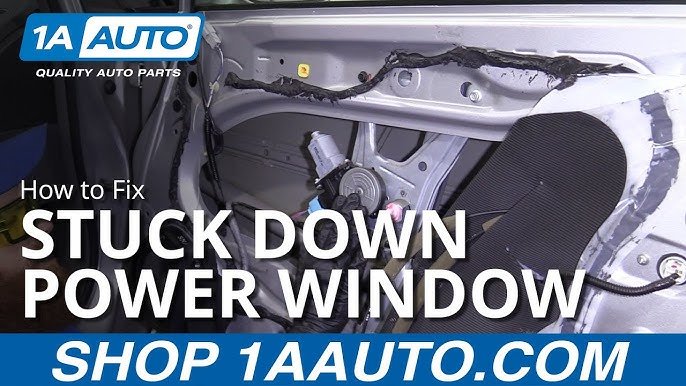
Credit: www.youtube.com
Step-by-step Fixes For A Stuck Power Window
Once you know the cause, use the right fix. Here’s how to solve the most common power window problems, from easiest to more complex.
1. Check And Reset The Window Lock
Many cars have a window lock button on the driver’s door. If this is pressed, other windows cannot move. Press the lock button to reset and try again.
2. Inspect And Replace The Fuse
A blown fuse can cut power to the window. Here is how to check:
- Locate your car’s fuse box (usually under the dashboard or in the engine bay).
- Find the diagram showing the power window fuse.
- Pull out the fuse with a fuse puller or tweezers.
- Check if the metal strip inside is broken.
- Replace with a fuse of the same rating if needed.
Tip: Do not use a higher-rated fuse. It can damage wiring.
3. Clean And Lubricate Window Tracks
Dirty or dry tracks make the window stick. Here’s how to clean and lubricate:
- Lower the window as much as possible.
- Spray a cloth with silicone spray (not WD-40) and wipe along the rubber tracks.
- Run the window up and down to spread the lubricant.
- Remove any visible dirt or debris.
4. Test And Replace The Window Switch
Switches can wear out from frequent use.
- Pry up the window switch panel gently with a plastic tool.
- Disconnect the electrical connector.
- Plug in a new switch (or swap with another window’s switch if possible).
- Test the window. If it works, replace the faulty switch.
5. Test The Window Motor
If you do not hear any noise from the motor:
- Remove the door panel (usually held by screws and clips).
- Use a test light or multimeter to check for power at the motor connector when pressing the switch.
- If there is power but the motor does not move, the motor is faulty.
- Replace the motor with a compatible part.
Non-obvious insight: Motors sometimes fail only in one direction (up or down), so test both ways.
6. Fix An Off-track Window
If the glass wobbles or tilts but will not move:
- Remove the door panel.
- Carefully lift the glass into the correct position in the track.
- Tighten any loose bolts or clips holding the glass.
- Test the window before reassembling the door.
7. Repair Or Replace The Window Regulator
The regulator is the mechanical arm or cable assembly that moves the glass. If it’s broken, you’ll often hear the motor run but see no window movement.
- Remove the door panel and moisture barrier.
- Disconnect the glass from the regulator (usually two bolts).
- Remove the regulator assembly from the door.
- Install a new regulator, reconnect the glass, and test.
Practical tip: Take photos during disassembly to help with reassembly.
8. Check And Repair Wiring
Damaged wires (especially in older cars or doors opened often) can cut power.
- Inspect the wiring harness in the door jamb for broken or frayed wires.
- Repair small breaks with solder and heat-shrink tubing.
- For severe damage, replace the harness.
Beginner mistake: Not disconnecting the battery before working on wiring can cause shorts.
9. Free A Frozen Window
In cold climates, ice can freeze the window to the seal.
- Do not force the window motor. You can burn it out.
- Use a hair dryer or pour warm (not hot) water around the window seal to melt ice.
- Once free, wipe away water and lubricate the seals.
Safety Tips When Repairing Power Windows
Power window repairs are usually safe, but a few precautions help avoid injury or damage.
- Disconnect the car battery before removing door panels or working with wiring.
- Use the correct tools—screwdrivers, panel removers, and socket wrenches.
- Be careful with glass. Support it so it doesn’t fall and shatter.
- Do not touch moving window parts when testing.
- Always match replacement parts to your car’s make and model.
Credit: www.nuvisionautoglass.com
When To Call A Professional
Most power window issues can be fixed at home, but some need expert help:
- If you are not comfortable removing door panels.
- If the regulator or motor is complex or in a hard-to-reach spot.
- If the window falls into the door or breaks.
- If wiring repairs seem too advanced.
Professional repairs can be costly. For example, replacing a regulator at a shop can cost $200–$400, while DIY usually costs under $100 for parts.
Preventing Future Power Window Problems
Prevention is easier (and cheaper) than repair. Here’s how to keep your power windows working smoothly:
- Clean and lubricate window tracks twice a year.
- Avoid using windows in icy conditions.
- Do not slam doors—this can damage the regulator.
- Use each window regularly to keep parts moving.
- Fix slow or noisy windows early before they jam.
Non-obvious insight: If your car is parked in the sun, leave windows closed. Heat can dry out seals and make them stick.
Comparing Diy Vs. Professional Repair
Here’s a quick comparison of fixing a stuck power window yourself versus using a repair shop.
| Aspect | DIY Repair | Professional Repair |
|---|---|---|
| Cost | $10–$100 | $150–$400 |
| Skill Needed | Basic to Intermediate | None |
| Time Required | 30 min – 2 hours | 1–3 hours (including wait) |
| Warranty | No/DIY part warranty | Yes (shop warranty) |
Common Parts Involved In Power Window Repairs
Understanding the main parts helps you communicate with mechanics or buy the right replacements.
| Part | Function | DIY Friendly? |
|---|---|---|
| Window Switch | Sends signal to motor | Yes |
| Fuse | Protects from electrical overload | Yes |
| Motor | Drives the window up/down | Intermediate |
| Regulator | Moves the glass | Intermediate |
| Wiring | Conducts power | Sometimes |
Signs Your Power Window Problem Is Getting Worse
Early signs of trouble let you fix problems before they become expensive.
| Sign | What It Means |
|---|---|
| Slow movement | Dry tracks or weak motor |
| Clicking noises | Regulator or motor issue |
| Window tilts | Off track or broken regulator |
| Switch works one way only | Motor or switch failure |
Frequently Asked Questions
Why Does My Power Window Work Sometimes And Not Others?
This is often a sign of a failing switch, loose wiring, or a motor that is about to fail. Try cleaning the switch and checking connections. If the problem continues, the switch or motor may need replacing.
Can I Fix A Stuck Power Window Without Removing The Door Panel?
For simple issues like a stuck window lock, blown fuse, or dirty tracks, you do not need to remove the panel. But for motor, regulator, or wiring problems, removing the panel is usually necessary.
How Much Does It Cost To Repair A Stuck Power Window?
DIY repairs can cost as little as $10 for a fuse or $50–$100 for a regulator or motor. Professional repairs usually range from $150 to $400 depending on the car and part.
Is It Safe To Force A Stuck Power Window?
No. Forcing the window with the switch or by hand can break the motor, regulator, or glass. Always diagnose the cause and fix it gently.
Where Can I Find More Detailed Repair Guides?
You can find step-by-step guides and videos for most car models on WikiHow, which provides visual instructions for beginners.
Fixing a stuck power window can be straightforward with patience and the right tools. Understanding how the system works, diagnosing the real cause, and following safe DIY steps can save you time and money. If the job feels too complex, do not hesitate to seek professional help. Keeping your windows clean and lubricated is the best way to avoid getting stuck in the future.
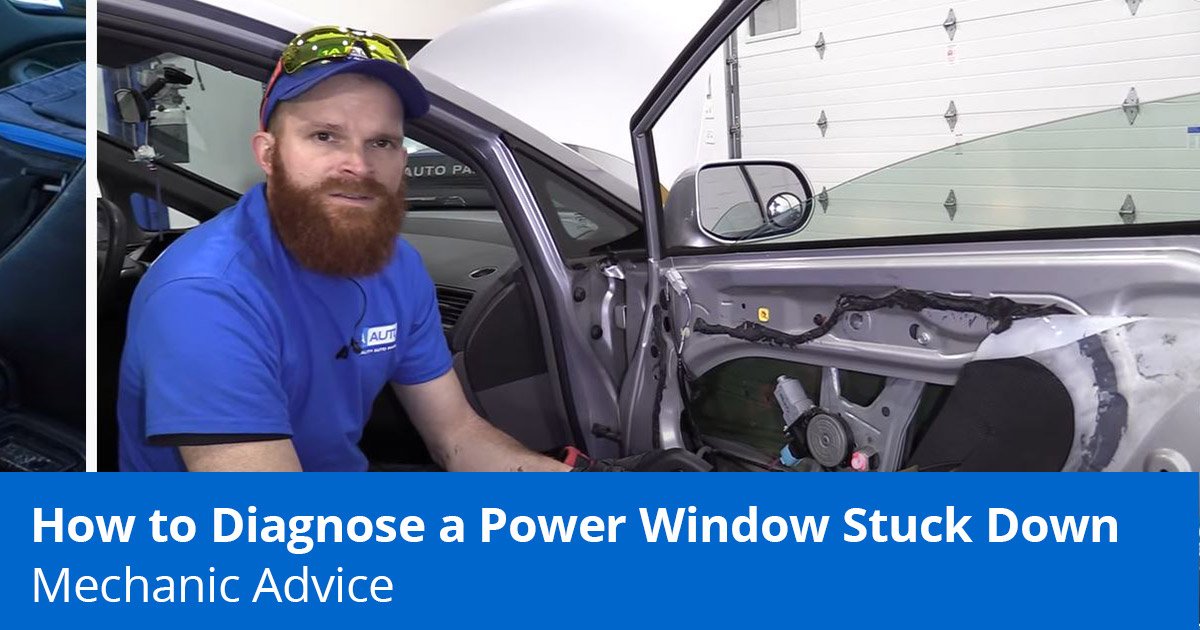
Credit: blog.1aauto.com