
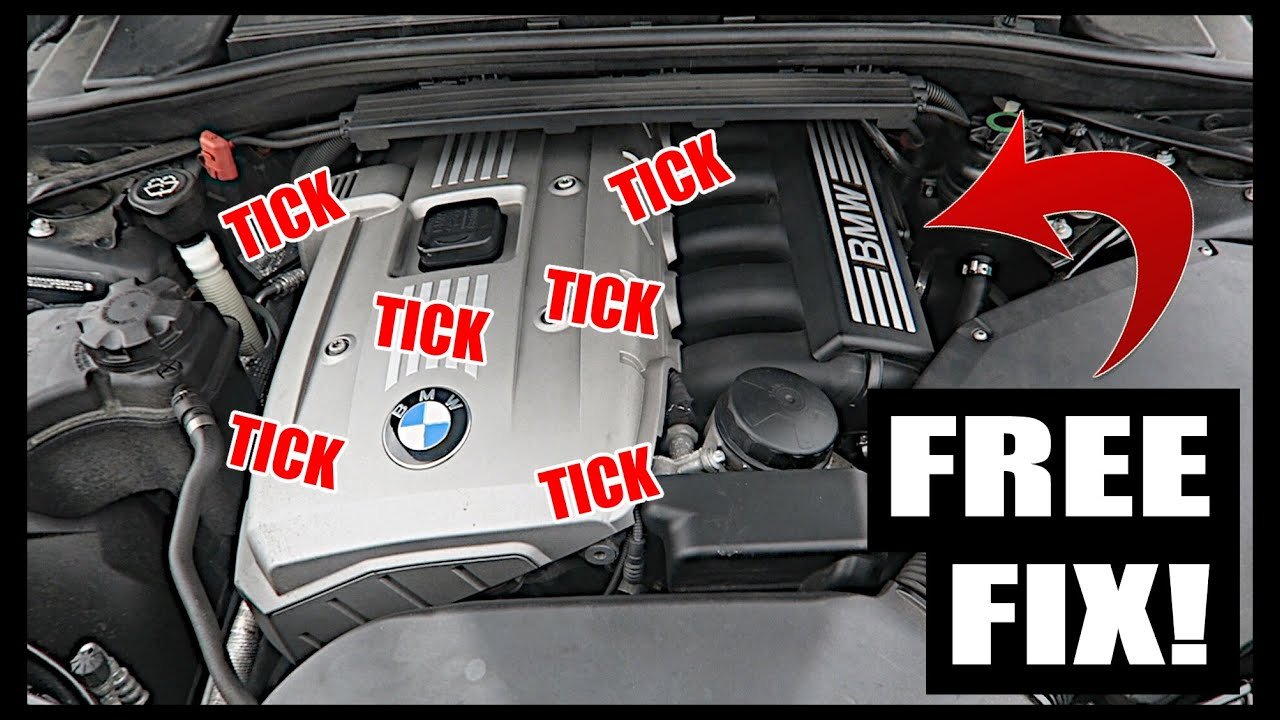
Hearing a ticking noise from your engine can be worrying, especially if you don’t know what’s causing it. For many drivers, this sound can appear suddenly, grow louder over time, or only happen when the engine is cold or hot. While some ticking noises are harmless, others can signal a serious problem that needs quick attention. Understanding what’s behind that ticking, and knowing how to fix it, can help you avoid bigger engine issues and expensive repairs.
This guide is for drivers, car owners, and anyone who wants to keep their vehicle running smoothly. You’ll learn why engines tick, how to diagnose the cause, and practical steps to silence the noise. We’ll also discuss when you can fix the problem yourself and when it’s better to call a mechanic.
Let’s get started and make sure your engine stays healthy and quiet.
Common Causes Of Engine Ticking Noise
Many things can cause an engine to tick. Here are the most common reasons:
- Low or Dirty Engine Oil: Engine oil lubricates moving parts. If oil is low or dirty, metal parts rub together and make a ticking sound.
- Worn or Loose Lifters: Lifters help open and close the engine valves. If they wear out or loosen, they can tick.
- Faulty Fuel Injectors: Injectors can make a sharp ticking sound as they fire fuel into the engine.
- Exhaust Leaks: A small gap in the exhaust manifold or gasket can create a ticking noise, especially when the engine is cold.
- Loose Spark Plugs: If spark plugs aren’t tight, compressed air can escape and create a tick.
- Timing Chain Issues: A loose or worn timing chain can slap against engine parts, making a ticking or rattling sound.
- Valve Train Problems: Bent pushrods, worn rocker arms, or valve issues can all cause ticking.
- Rod Knock: This is a deeper, more dangerous tick coming from worn bearings. It often means major engine trouble.
Not all ticking noises are dangerous. For example, some modern fuel injectors always make a light ticking sound. But it’s important to find the cause.
How To Diagnose Ticking Noise In Your Engine
Finding the source of a ticking noise takes some careful listening and checking. Here’s how you can do it:
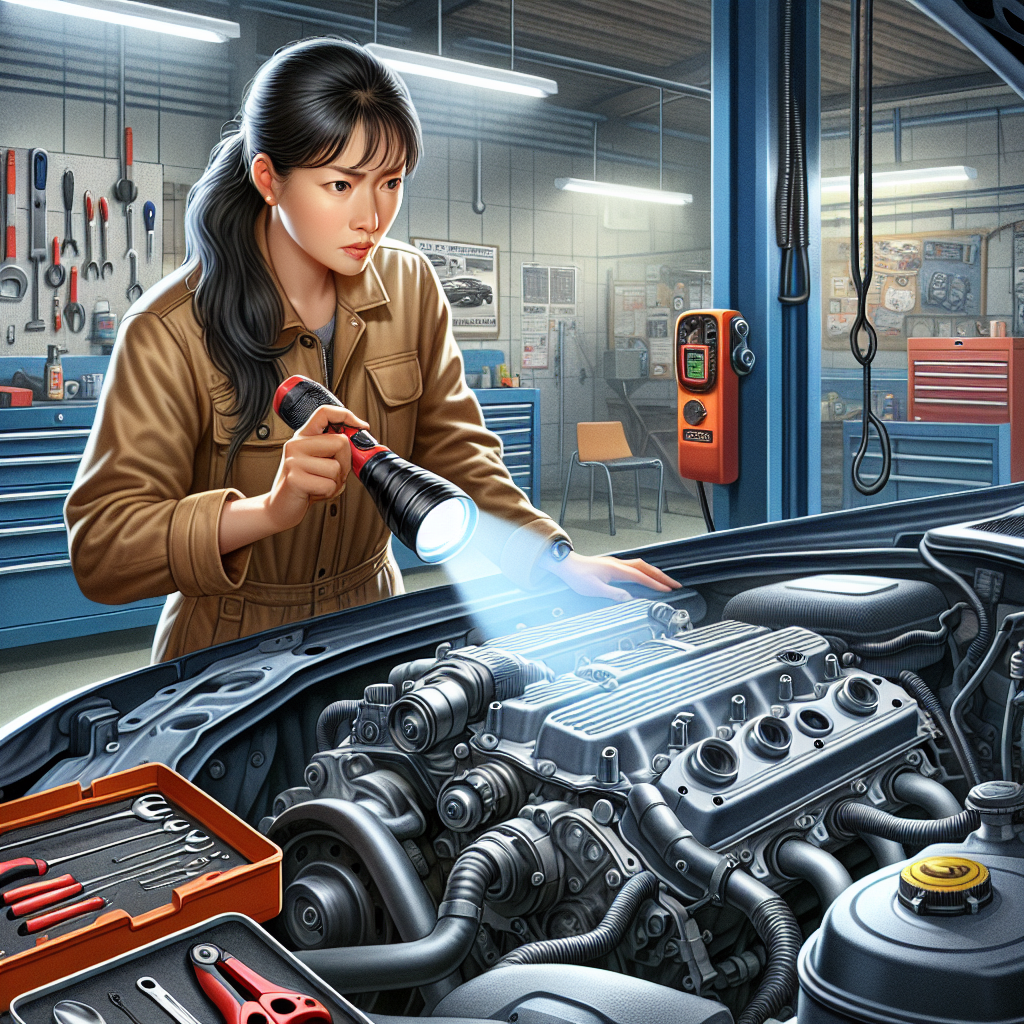
Step 1: Listen Carefully
- Open the hood and let the engine idle.
- Try to pinpoint where the ticking is loudest.
- Note if it gets louder when you speed up the engine.
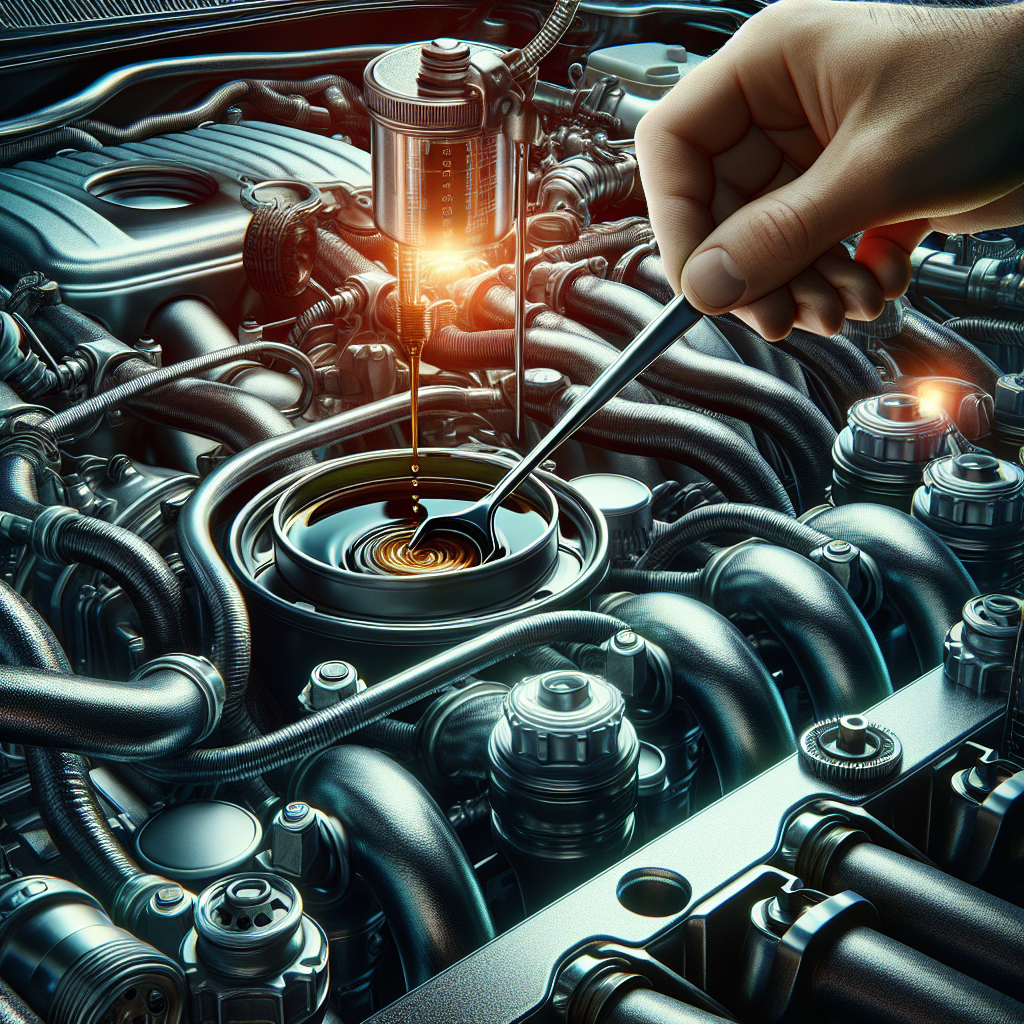
Step 2: Check Engine Oil
- Stop the engine and let it cool.
- Pull out the oil dipstick and check the level and color.
- If oil is low or black, that’s a likely cause.
Step 3: Inspect Spark Plugs
- Look for loose, cracked, or dirty spark plugs.
- A loose spark plug can cause a “puffing” tick.
Step 4: Examine The Exhaust Manifold
- Feel around (carefully, when cool) for leaks or cracks.
- A ticking exhaust is often louder when the engine is cold.
Step 5: Use A Mechanic’s Stethoscope
- This tool helps you listen directly to engine parts.
- Place it near injectors, the valve cover, and timing chain area.
- Move it around to find the loudest tick.
Here’s a comparison of common ticking noise causes:
| Cause | Ticking Location | Other Symptoms | Danger Level |
|---|---|---|---|
| Low Oil | Top of engine | Oil light, rough idle | High |
| Loose Lifter | Valve cover | Mild loss of power | Medium |
| Exhaust Leak | Near manifold | Smell, loss of power | Medium |
| Rod Knock | Bottom of engine | Deep knocking, low oil pressure | Critical |
Credit: thelandautorepair.com
Step-by-step Guide: How To Fix Ticking Noise Engine
Once you know the likely cause, you can try to fix it. Here’s how to handle the most common problems.
1. Top Up Or Change Engine Oil
- Make sure to use the oil grade recommended for your vehicle.
- If the oil is low, top it up.
- If oil is dirty or old, change it completely.
- Replace the oil filter as well.
Tip: Old oil can lose its ability to protect engine parts, even if the level is okay. Regular oil changes prevent ticking and extend engine life.
2. Adjust Or Replace Lifters
- Hydraulic lifters sometimes need adjustment or replacement.
- If you hear ticking from the valve cover, this is likely the issue.
- Consult a repair manual or a mechanic, as this can be complex.
Non-obvious insight: Lifters may tick more in cold weather because oil is thicker and takes longer to reach them.
3. Check And Tighten Spark Plugs
- Remove and inspect all spark plugs.
- Clean or replace as needed.
- Tighten to the correct torque using a torque wrench.
4. Repair Exhaust Leaks
- Look for black soot around the manifold or exhaust gasket.
- Tighten bolts or replace the gasket if you find a leak.
- In some cases, you may need a new manifold.
Practical tip: Small exhaust leaks can sound exactly like a ticking valve. Always check the exhaust system before assuming an internal engine problem.
5. Inspect And Replace Timing Chain Or Belt
- Remove the timing cover and check for slack or wear.
- If the chain or belt is loose, replace it right away.
- Delaying this repair can cause severe engine damage.
6. Replace Worn Valve Train Parts
- Worn rocker arms, pushrods, or valves need replacement.
- This repair is best left to a professional unless you have engine experience.
- After replacement, check for proper adjustment.
7. Fix Faulty Fuel Injectors
- Use a stethoscope to listen to each injector.
- If an injector is much louder or misfiring, replace it.
- Sometimes, cleaning the injector solves the problem.
8. Address Rod Knock
- Rod knock is a deep, heavy tick from worn bearings.
- This often means a full engine rebuild.
- Stop driving immediately and call a professional.
Here’s a quick comparison of DIY fixes versus those best left to mechanics:
| Problem | DIY Possible? | Tools Needed | Risk Level |
|---|---|---|---|
| Oil Change | Yes | Wrench, oil filter | Low |
| Spark Plug Tightening | Yes | Socket, torque wrench | Low |
| Timing Chain/Belt | No | Special tools | High |
| Rod Knock Repair | No | Engine hoist, rebuild kit | Very High |
When To See A Mechanic
Some engine ticking problems need a professional’s help:
- The ticking gets louder or deeper, especially under load.
- You see the oil pressure warning light.
- The engine starts to misfire or lose power.
- You’re not comfortable working with engine parts.
Non-obvious insight: Small ticking noises can become major problems fast. For example, a worn timing chain can suddenly break, causing thousands of dollars in damage. Don’t ignore warning signs or hope they’ll go away.
Credit: thelandautorepair.com
Tips To Prevent Engine Ticking Noise
Prevention is always better than repair. Here’s what you can do:
- Change oil and filter on schedule (usually every 3,000–5,000 miles).
- Use the right oil type for your climate and driving style.
- Check and replace spark plugs every 30,000–50,000 miles.
- Keep the engine clean so you can spot leaks or problems early.
- Listen for new noises and investigate them quickly.
Additional Data: Cost Comparison For Common Repairs
Understanding repair costs helps you plan and avoid surprises.
| Repair Type | DIY Cost | Professional Cost |
|---|---|---|
| Oil Change | $30–$50 | $60–$100 |
| Spark Plug Replacement | $20–$80 | $100–$200 |
| Lifter Replacement | $100–$300 | $500–$1,500 |
| Timing Chain/Belt | N/A | $500–$2,000 |
| Rod Knock Repair | N/A | $2,000–$5,000 |
Costs vary by car make, engine type, and where you live. For more detailed repair costs and advice, visit the AAA Car Repair resource.
Credit: www.youtube.com
Frequently Asked Questions
What Does A Ticking Noise In The Engine Mean?
A ticking noise can mean several things, such as low engine oil, loose or worn lifters, a small exhaust leak, or even a loose spark plug. Some ticking, like from fuel injectors, is normal, but loud or changing ticks often signal a problem.
Is It Safe To Drive With A Ticking Noise?
It depends on the cause. If the ticking is from low oil or a timing chain issue, driving can quickly damage the engine. If you’re unsure, it’s safest to stop driving and check the engine or call a mechanic.
How Can I Tell If The Ticking Is Serious?
Serious ticking often gets louder with engine speed, is deep in tone, or comes with other symptoms like loss of power or warning lights. If the tick is new, persistent, or comes with other problems, have it checked right away.
Can I Fix Engine Ticking Myself?
You can fix basic causes like low oil, loose spark plugs, or a dirty oil filter. More complex problems, such as lifter or timing chain replacement, usually need special tools and experience. If you’re not confident, see a professional.
How Do I Stop My Engine From Ticking In The Future?
Keep up with regular maintenance: use the right oil, change it on time, check spark plugs, and listen for new noises. Early action is the best way to prevent ticking and major engine repairs.
A ticking engine can be stressful, but with quick action and the right steps, you can solve the problem and keep your car running smoothly. Remember, engines are noisy by nature, but not all ticks are normal. When in doubt, check it out before small problems grow into big ones.