
Buying a car is exciting, but understanding how everything works can be confusing, especially if you are not a native English speaker. The car owner manual is your guide to using and maintaining your vehicle safely. However, many people ignore it or find it hard to understand.
If you want to avoid mistakes and enjoy your car more, learning how to read your car owner manual is essential.
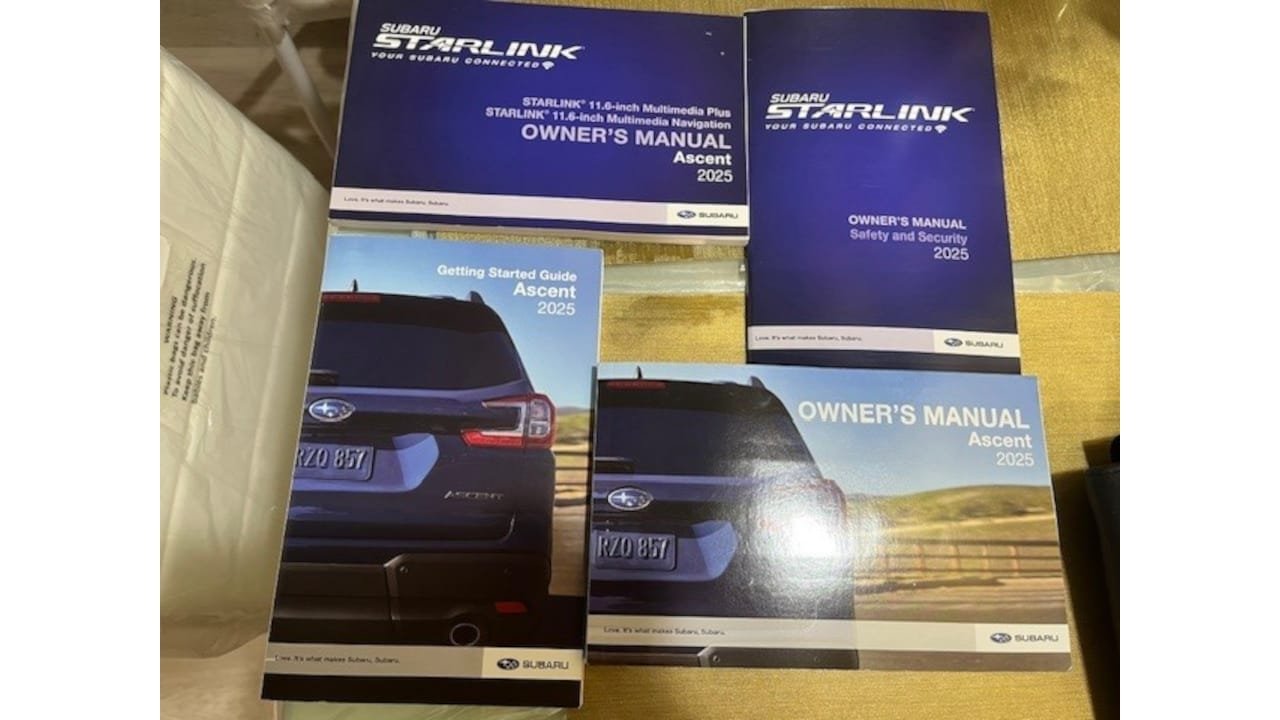
A car manual is much more than a simple book. It contains important information that can save you money, time, and stress. From warning symbols to maintenance schedules, the manual explains almost everything you need to know about your car.
Some drivers only check the manual when something goes wrong, but by then, it could be too late. This article will show you the smart way to read and use your car owner manual, even if your English is not perfect.
Why The Car Owner Manual Matters
Many car problems happen because people do not read the manual. For example, using the wrong oil or ignoring warning lights can damage your car. The manual gives clear guidance for your exact model, so you do not have to guess.
Some key reasons to read your manual:
- Safety: Learn how airbags, seatbelts, and lights work.
- Saving money: Avoid costly repairs by following correct maintenance.
- Better driving experience: Discover features you might not know, such as cruise control or special settings.
- Warranty protection: Car makers often require you to follow the manual to keep your warranty.
A surprising fact: According to a study by J.D. Power, only about 40% of car owners read their manual fully, yet those who do report fewer problems and lower repair costs.
Understanding The Structure Of A Car Owner Manual
Every manual is different, but most follow a similar structure. Knowing how the manual is organized helps you find answers faster.
Here is a quick comparison of typical sections you’ll find:
| Section | What It Covers |
|---|---|
| Introduction | Car overview, VIN, key facts |
| Controls and Features | Dashboard, buttons, switches, infotainment |
| Driving Tips | How to drive safely and efficiently |
| Maintenance | Schedules, oil type, tire care |
| Emergency Information | What to do if you break down or have a flat tire |
| Technical Data | Engine size, tire pressure, fluid capacities |
| Index | Quick search for topics |
Some manuals have extra sections, like special features or advanced tech. The table above helps you know where to start looking.
How To Start Reading Your Car Owner Manual
Many people feel lost when they first open their car manual. Here’s a step-by-step approach to make it easier:
1. Skim The Table Of Contents
Spend a few minutes looking at the main topics. This helps you understand what’s inside and where to find details later.
2. Read The Safety Section First
Safety instructions are usually near the beginning. Learn about airbags, seatbelts, and warning symbols right away.
3. Find The Dashboard Symbol Guide
Most cars have lights that show warnings or information. Your manual explains what each symbol means. Mark this page for quick access.
4. Check The Maintenance Schedule
This section shows when to change oil, check fluids, or rotate tires. Following this schedule keeps your car running well.
5. Look Up Features You Don’t Know
If your car has buttons or options you don’t understand, search for them using the index.
6. Bookmark Important Pages
Use sticky notes or bookmarks for sections you need often, like tire pressure or fuse box info.
Key Sections You Should Not Miss
Some parts of the manual are especially important for every driver.
Safety And Warning Symbols
The warning symbols on your dashboard can look confusing. For example, a red oil can means oil pressure is low, but a yellow engine symbol means something is wrong with the engine system.
A common mistake: Ignoring a warning light because you do not know what it means. Always check the manual if any light stays on. It could prevent serious damage.
Maintenance And Service Guide
This section tells you when to:
- Change engine oil
- Replace air and cabin filters
- Inspect brakes and tires
- Check fluid levels
Following the manual’s service intervals is one of the best ways to keep your car healthy. Many drivers wait too long for an oil change, but the manual lists the correct mileage or time between changes.
Technical Specifications
Here you find exact data for your car, such as:
- Tire pressure (very important for safety and fuel economy)
- Oil type and amount
- Battery size
- Light bulb types
Using the wrong type of oil or over/under-inflating tires are common mistakes that the manual helps you avoid.
Emergency Procedures
If you get a flat tire or the engine overheats, the manual has step-by-step emergency instructions. For example, it shows where to place the jack or how to jump-start your car safely.
Many people skip this section until they have a problem. Reading it in advance helps you stay calm if something goes wrong.
Practical Tips For Non-native English Speakers
If English is not your first language, reading technical documents can be tough. Here are ways to make it easier:
- Use the glossary: Many manuals have a list of terms with simple explanations.
- Look for diagrams and pictures: Visuals help you understand controls and parts even if words are difficult.
- Translate key sections: Use a phone app or online tool to translate parts you do not understand. Focus on safety, maintenance, and emergency info first.
- Ask for help: Car dealers or friends who know cars can explain confusing parts.
- Download a PDF version: Many car makers offer digital manuals. You can search for words or use online translation tools more easily.
It’s normal to feel overwhelmed. Start with the most important sections, and review others over time.
How To Use The Manual For Common Car Problems
When something goes wrong, your manual is often the fastest way to find a solution. Here are examples of how to use it:
Warning Light Turns On
- Find the dashboard symbol guide in your manual.
- Match the symbol to the warning light on your car.
- Read what the warning means and what action to take.
Many warning lights are not emergencies, but some (like a red oil light) require you to stop driving immediately.
Flat Tire
- Check the emergency procedures section.
- Find steps for changing a tire.
- Locate the jack, spare tire, and tools in your car as shown in the manual.
Tip: Practice finding these parts before you need them.
Car Won’t Start
- Search for the troubleshooting section.
- Follow steps to check the battery, fuel, or fuses.
- If you need to jump-start, follow the manual’s exact instructions to avoid damaging electronics.
Advanced Features And Modern Tech
Today’s cars often have advanced features like lane assist, automatic braking, or navigation systems. These are explained in detail in the manual.
Not all features are turned on by default. The manual shows how to adjust settings, such as:
- Customizing door locks
- Pairing your phone with Bluetooth
- Setting up navigation
Many drivers do not use these features simply because they do not know they exist. Reading the manual can make your car feel new again.
Comparing Print Vs. Digital Car Owner Manuals
Modern cars often include both a printed and a digital (PDF or app-based) manual. Each has its strengths. Here’s a quick comparison:
| Format | Advantages | Drawbacks |
|---|---|---|
| Printed Manual | Always in the car, easy to flip through, works without power | Can get lost or damaged, no search function |
| Digital Manual | Searchable, easy to carry, can be updated, supports translation tools | Requires a device, can be hard to use while driving |
Pro tip: Download the digital version to your phone and keep the printed one in your glove box for emergencies.
Common Mistakes To Avoid
Even experienced drivers sometimes make these mistakes with their manual:
- Ignoring updates: Car makers sometimes release manual updates online. Check your car’s website once a year.
- Skipping the index: The index helps you find answers fast. Use it instead of flipping pages randomly.
- Not reading about new features: Many people drive for years without using useful options.
- Assuming all cars are the same: Features and maintenance rules change from model to model. Always check your own manual.
How To Stay Organized
Keep your manual in the glove box or a safe spot in your car. Use bookmarks or sticky notes for:
- Maintenance schedule
- Emergency instructions
- Dashboard symbols
- Tire and oil information
If your car has multiple drivers, make sure everyone knows where the manual is and how to use it.
Credit: www.designnews.com
When To Contact A Professional
The manual helps with most everyday problems, but some issues need a mechanic:
- If you see a warning light but the manual says “See dealer”
- If your car makes strange noises you cannot identify
- If you are unsure about a repair or maintenance step
Never risk your safety or your car’s warranty by guessing.
Non-obvious Insights Most Beginners Miss
- Manuals are updated: Check your car maker’s website for the latest version. Sometimes, printed manuals are out of date after a recall or update.
- Not all fluids are equal: The manual lists specific types of oil, coolant, and brake fluid. Using “any” type can damage your car.
- Special tire pressures: Some cars recommend different pressures for loaded vs. empty cars. The manual explains this, but few drivers check.
- Resetting maintenance reminders: After an oil change, you often need to reset the maintenance light. The manual explains how, but mechanics sometimes forget.
- Feature explanations change by country: Manuals sometimes include regional differences. Always read the section for your country.

Credit: www.familyhandyman.com
Extra Help: Where To Find More Information
If your manual is missing or unclear, you can often find an official PDF on your car maker’s website or on reliable car forums. For more help, sites like NHTSA provide recall info and safety tips.
Frequently Asked Questions
What Should I Do If My Car Owner Manual Is Missing?
First, check your car maker’s website. Most brands offer free PDF manuals for download. You can also ask a dealer or look for a used copy online. Never use a manual from a different model year, as features and specs may change.
Can I Trust Online Translations Of My Car Manual?
Online translations are helpful for understanding the basics, but technical terms may not always be correct. Double-check important safety or maintenance steps with a mechanic if you are unsure.
How Often Should I Read My Car Owner Manual?
Review the main sections when you buy the car and revisit maintenance and safety topics every few months. If you notice new dashboard symbols or features, check the manual right away.
Are Digital Manuals Better Than Printed Ones?
Both have advantages. Digital manuals are searchable and easy to update, while printed manuals are always available in your car. Many drivers use both, keeping the printed manual in the glove box and a PDF on their phone.
What Is The Most Important Section In The Manual For New Drivers?
For most new drivers, the safety and warning symbols section is the most critical. It explains what to do if there’s a problem and helps you avoid dangerous mistakes.
Taking time to read your car owner manual is one of the smartest things you can do as a car owner. It can save money, improve safety, and help you enjoy all the features your car offers. Even if English is not your first language, using the tips above will make it easier to get the information you need.
Remember, your manual is a tool—keep it close, use it often, and your car will thank you for many years to come.

Credit: www.fullerautomotive.com