
- A check engine light is a clue, not a diagnosis — the code only points to the system involved.
- Plug an OBD-II scanner into the port under the dashboard to pull stored, pending, and permanent codes.
- Write down the exact code before clearing anything, since erasing too early loses the key information.
- A flashing check engine light means you should stop driving soon to avoid catalytic converter damage.
- Never replace parts based on the code alone — match it with symptoms and testing for the real cause.
When your car shows a check engine light, it can feel stressful. Many drivers think it always means an expensive repair, but that is not true. Sometimes the problem is small. Other times, it needs attention soon. The key is to know what the car is trying to tell you.
How to Read Check Engine Codes is not hard once you understand the basics. You do not need to be a mechanic to get useful information. With a simple scanner and a few clear steps, you can find the code, understand its meaning, and decide what to do next.
This guide walks you through the process in plain English. You will learn how to read the codes, what the numbers mean, how to avoid common mistakes, and when it is safe to keep driving. You will also see a few practical tips that many beginners miss.
What the Check Engine Light Is Really Telling You
The check engine light is part of your car’s onboard diagnostics system, often called OBD-II. When the engine computer notices a problem, it stores a code. That code helps narrow down the cause. It does not always tell you the exact broken part, but it points you in the right direction.
Some problems are simple, like a loose gas cap. Others can affect fuel use, emissions, or engine performance. The light may stay steady, or it may flash. A steady light usually means the problem is important but not an emergency. A flashing light often means you should stop driving soon because the engine may be misfiring badly.
One thing beginners often miss is that the light is only a warning, not a diagnosis by itself. The code is a clue. You still need to think about symptoms, recent repairs, and how the car is acting.
Why the light turns on
Your car compares sensor readings all the time. If a reading goes outside the normal range, the computer stores a fault code. For example, if the oxygen sensor sees odd exhaust data, the system may set a code. If the engine misfires, another code appears. The reason is often hidden behind the code, so the code should guide your next step.
What You Need Before You Start
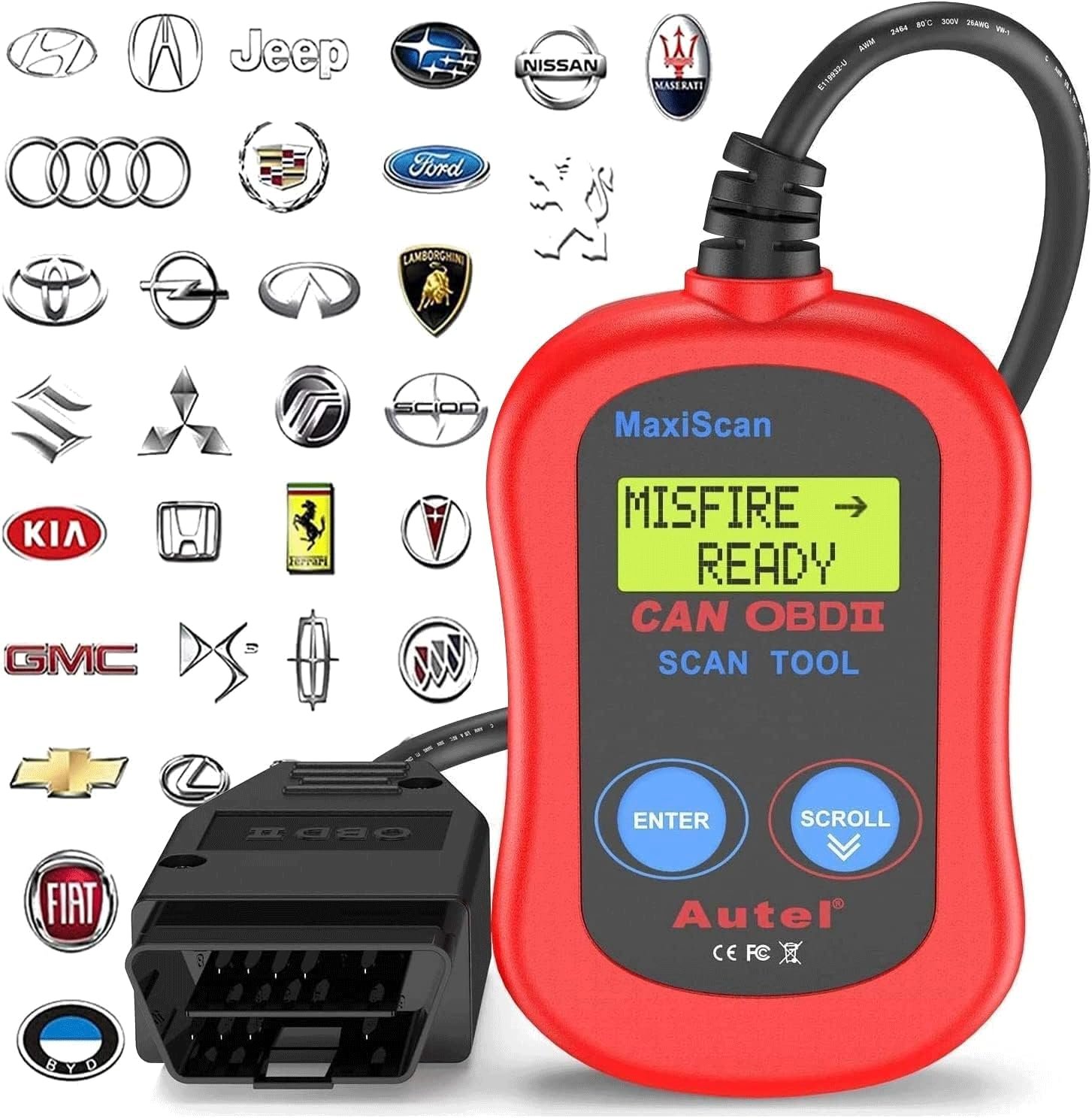
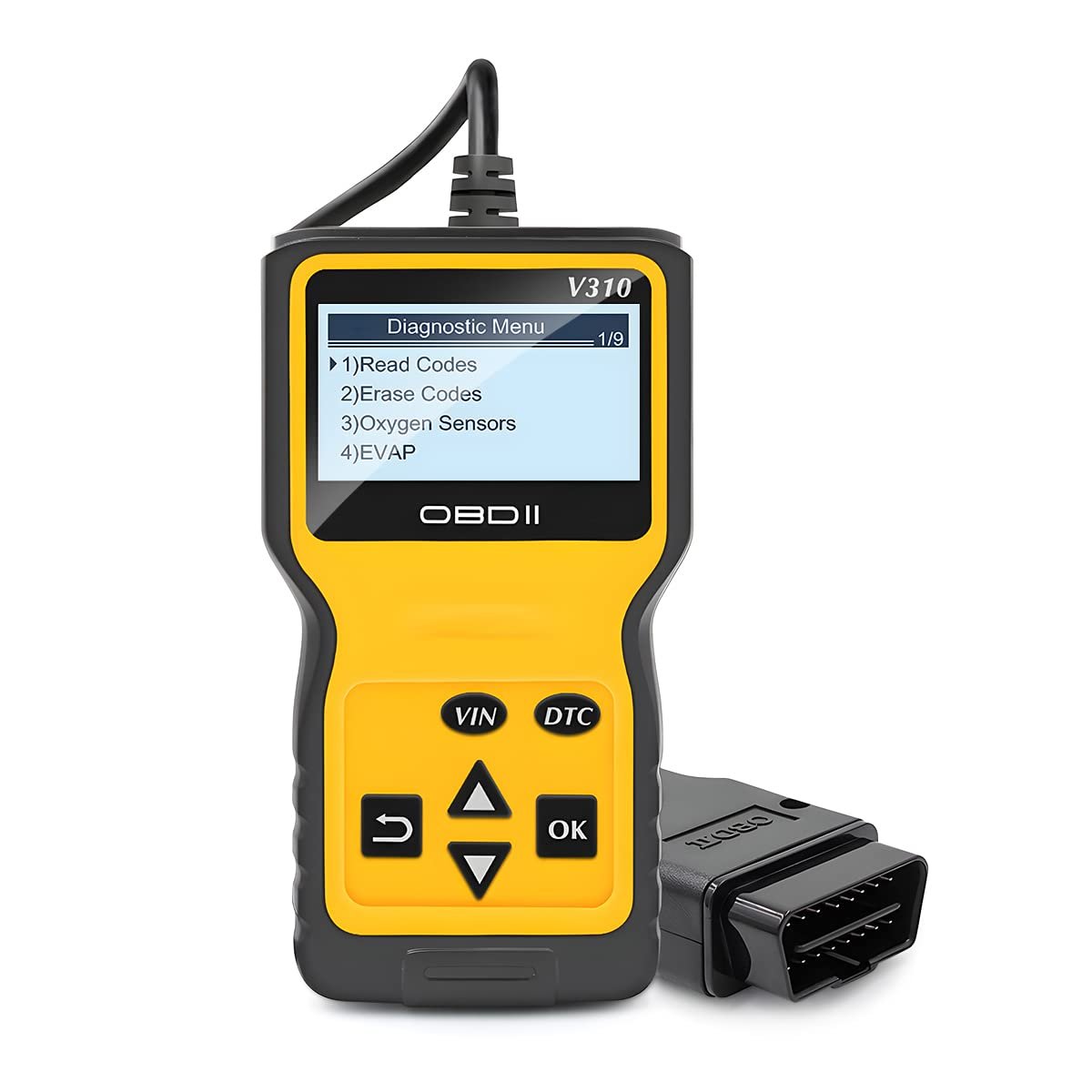
You only need a few basic things to begin. A simple OBD-II scanner is the main tool. These are sold in auto parts stores and online. Some are basic handheld tools. Others connect to your phone through Bluetooth.
You should also have a notebook or your phone ready to record the code. It helps to write down the exact code, any extra numbers, and any symptoms you notice. A code like P0420 is more useful when you also know whether the car smells strange, shakes, or uses more fuel than usual.
Before you start, turn the ignition off. If the car has just been driven, park safely and let it cool a little. If the hood needs to be open, make sure the area is safe and the car is in park with the parking brake set.
Useful tools
- OBD-II scanner or code reader
- Notebook or phone to save codes
- Car manual for model-specific notes
- Internet access for looking up code meaning if needed
How to Read Check Engine Codes Step by Step
Now let’s go through the process in a simple way. The steps are easy, but doing them in the right order helps you avoid confusion and wrong guesses.
1. Find the OBD-II port
The OBD-II port is usually under the dashboard on the driver’s side. In many cars, it is near the steering column or above the pedals. It has a small trapezoid shape. If you cannot find it, check your owner’s manual.
This port is the connection point between the scanner and your car’s computer. You do not need to remove any panels in most vehicles. Just plug the scanner in firmly.
2. Plug in the scanner
With the ignition off, connect the scanner to the OBD-II port. Make sure it sits fully in place. If the scanner gets power from the car, it may turn on immediately. If not, it may need the ignition switched to the ON position without starting the engine.
Some scanners have a simple screen and buttons. Others show more details and can read live data. For beginners, a basic reader is enough to start.
3. Turn the ignition to the correct position
Most scanners need the key in the ON position, or the start button pressed without pressing the brake pedal. This powers the vehicle computer and lets the scanner communicate with it. You do not usually need the engine running unless the scanner instructions say so.
4. Select the code reading option
Use the scanner menu to choose something like “Read Codes,” “Diagnostic Trouble Codes,” or “Stored Codes.” The scanner will talk to the car’s computer and pull the fault information.
In many cases, you may see more than one code. Do not panic. Multiple codes do not always mean multiple broken parts. Sometimes one problem causes a chain reaction.
5. Write down the exact code
This is an important step. Write the code exactly as shown. For example, P0171 is not the same as P0172. The difference may look small, but the meaning can be very different.
Also note whether the scanner shows:
- Stored codes — problems the car has confirmed
- Pending codes — possible issues not fully confirmed yet
- Permanent codes — codes that stay until the system checks again
A beginner mistake is clearing the code before writing it down. Once cleared, the clue is gone, and it becomes harder to find the real issue.
6. Look at the code type
Check engine codes usually begin with a letter:
| First letter | Meaning | Common area |
|---|---|---|
| P | Powertrain | Engine, transmission, fuel, emissions |
| B | Body | Airbags, doors, interior systems |
| C | Chassis | Brakes, steering, suspension |
| U | Network | Communication between computer modules |
For a check engine light, you will most often see P codes. These are the codes linked to the engine and related systems.
7. Break down the digits
A code like P0420 has meaning built into the numbers. The first number after the letter often tells you whether the code is generic or manufacturer-specific. The next numbers point to a system area. You do not need to memorize every pattern, but understanding the structure helps.
For example:
- P0 codes are usually generic and common to many cars
- P1 codes are usually manufacturer-specific
- P2 and P3 can also be manufacturer-related in many cases
This is one of the most useful details beginners overlook. A generic code may tell you the type of problem, but a manufacturer-specific code can give a more exact direction. That is why the same code can sometimes mean different things on different car brands.
8. Read the code meaning
Now use the scanner screen, the manual, or a trusted source to see what the code means. If your scanner gives only the code number, you may need to look it up. For accurate definitions, a trusted source like NHTSA can be helpful for vehicle safety and recall information, though your scanner manual and car service data are often better for code details.
Do not stop at the short description. A code like “catalyst system efficiency below threshold” sounds serious, but the real cause could be a bad oxygen sensor, exhaust leak, or fuel issue. The code points to the area, not always the exact part.
9. Check for symptoms that match the code
Now compare the code with how the car behaves. Ask simple questions:
- Is the engine running rough?
- Is fuel economy worse than before?
- Does the car smell like fuel or burning?
- Does it hesitate when you press the gas?
- Is the light steady or flashing?
This step matters because the same code can have more than one cause. A rough idle and a code about air-fuel mixture tell a clearer story together than the code alone.
10. Decide whether the problem is urgent
Some codes can wait a little. Others need fast action. If the car is shaking hard, losing power, overheating, or flashing the check engine light, stop driving if possible and get help soon. If the car seems normal and the code points to something minor, you may be able to plan a repair without panic.
A good rule is this: if the car feels unsafe, do not keep driving just because it still moves. Safety comes first.
Common Codes and What They Often Mean
It helps to know a few common codes, even if you do not memorize them all. These are some of the codes drivers see often:
- P0420 — Catalyst system efficiency below threshold
- P0171 — System too lean
- P0300 — Random or multiple misfire detected
- P0442 — Small EVAP system leak
- P0128 — Coolant temperature below normal range
These names sound technical, but they give useful direction. For example, P0442 often points to a small leak in the evaporative emissions system. That may be as simple as a loose gas cap or a cracked hose. P0300 may suggest ignition, fuel, or compression problems, so more checking is needed.
Credit: amazon.com
Do not guess from the code alone
Many people see a code and immediately buy one part. That can waste money. A code is not proof that one sensor is bad. Sometimes the sensor is only reporting a problem caused by another part.
For example, a lean code may come from a vacuum leak, weak fuel pump, dirty mass airflow sensor, or even an exhaust leak. The code gives the area. Your job is to narrow the cause.
What to Do After You Read the Code
Once you have the code, you have a few choices. The best choice depends on how serious the symptom is and how confident you feel.

Credit: totalcardiagnostics.com
If the problem is small
If the code points to something simple, such as a loose gas cap, fix the issue first. Tighten the cap until it clicks. Then drive the car for a short while and see if the light goes off on its own after several drive cycles.
Some codes clear only after the car completes a few normal trips. If the problem is fixed, the computer may turn the light off automatically. If it comes back, the issue was not fully solved.
If the problem is unclear
Search the exact code plus your car make, model, and engine size. This matters because the same code can have slightly different causes across vehicles. Then check your symptoms and recent changes. Did the light come on after a fuel fill-up? After rain? After a battery replacement? These clues matter more than many people think.
If the problem seems serious
If the light flashes, the engine shakes, or the car loses power, do not keep driving far. A serious misfire can damage the catalytic converter. That repair can cost much more than the original issue.
In that case, you should have the car inspected as soon as possible. If you are unsure, a mechanic can confirm the cause with live data and testing.
How to Clear a Code the Right Way
Most scanners offer a “clear codes” or “erase codes” option. This can turn off the light, but you should use it carefully. Clearing the code does not fix the problem. It only removes the stored warning for a while.
Use the clear option only after you have written down the code and you understand what happened. If you erase the code too soon, you may lose helpful information. Also, some vehicles need time to complete self-checks again, so the light may stay off for a while even if the issue remains.
A smart habit is to clear a code only after you have made a repair or confirmed the issue was temporary. Then monitor the car. If the code returns, you know the problem is still there.
One small but important tip
Do not use code clearing as a test for success unless you know what you are watching. A code may stay away for days even if the problem is not fixed. The better test is whether the symptom is gone and the code does not return after normal driving.
Common Mistakes Beginners Make
Reading check engine codes is simple, but a few mistakes can lead to confusion or wasted money. Here are the ones to avoid:
- Clearing the code before writing it down — You lose the starting clue.
- Replacing parts too quickly — The code is not always proof of a bad part.
- Ignoring pending codes — These can show early trouble before the light gets worse.
- Forgetting to check symptoms — The way the car feels matters a lot.
- Using a weak source for code meaning — Not every internet answer is accurate for your vehicle.
Another common mistake is assuming the same code always means the same repair. Car systems are similar, but not identical. Model year, engine type, and brand can change the diagnosis.
When You Should Ask for Help
You can handle many basic code readings on your own. But professional help is worth it when the problem is unclear, the car drives badly, or you do not have the tools to test parts safely.
A mechanic can check live data, fuel trim, sensor signals, vacuum leaks, and wiring problems. That matters because many modern car issues are not visible from the outside. A code reader gives the starting point. Testing gives the answer.
If you have already read the code and saved the details, you will also save time at the repair shop. You can explain exactly what happened, which helps the mechanic work faster and more accurately.
Simple Example of the Process
Let’s say your check engine light turns on and your scanner shows P0171. You write it down. The car also feels a little weak at idle. That code means the engine is running too lean, which means there may be too much air or not enough fuel.
Instead of buying random parts, you check for a loose air hose, a cracked vacuum line, or a dirty airflow sensor. You also notice the problem started after a cold morning. That clue suggests an air leak or sensor issue more than a major engine failure. Now you have a much better starting point.
This is the real power of learning how to read check engine codes. You stop guessing and start thinking clearly.
Credit: amazon.com
Final Tips That Save Time and Money
Here are a few useful habits that can help every driver:
- Keep a basic scanner in the car if you drive often.
- Write down the code and the date each time.
- Pay attention to smell, sound, and driving feel.
- Do not ignore a flashing light.
- Use the code as a clue, not the whole diagnosis.
One more helpful insight: if a code comes back after clearing, that is valuable information. It means the issue is real and repeatable. If the code does not come back, the cause may have been temporary, such as a loose cap or a momentary sensor glitch. That difference can save a lot of work.
Learning how to read check engine codes is a useful skill for any car owner. It helps you stay calm, avoid bad guesses, and make better repair decisions. Even if you still take the car to a shop, you will go in with more confidence and better information.
FAQs
1. Can I read check engine codes without a scanner?
In most modern cars, you need an OBD-II scanner or code reader. Some older methods existed on older vehicles, but they do not work on most newer cars. A basic scanner is the easiest and most reliable option.
2. Does one code always mean one bad part?
No. One code can point to several possible causes. For example, a lean code may come from a vacuum leak, fuel issue, or sensor problem. That is why symptoms and testing matter.
3. Is it safe to drive with the check engine light on?
Sometimes yes, sometimes no. If the light is steady and the car drives normally, it may be safe for a short time. If the light is flashing, the engine shakes, or the car loses power, stop driving and get help quickly.
4. Will disconnecting the battery clear the code?
It may clear the light for a while, but it does not fix the problem. It can also erase other memory data that may help with diagnosis. Using a scanner is better because it lets you read and save the code first.
5. Why did the check engine light come back after I cleared it?
That usually means the problem is still there. The car computer saw the same fault again after more driving. This is a sign that the code was not just a one-time glitch and should be checked more closely.