
Testing your car’s fuel pump might sound complicated, but it’s a smart skill for every car owner or DIY mechanic. A failing fuel pump can leave you stranded or cause your engine to run badly. It’s not just about guessing—by learning how to test a fuel pump, you can avoid bigger repair bills and find out early if you need a replacement.
This guide will show you clear, step-by-step ways to test the fuel pump, whether you use simple tools or more advanced equipment. You’ll also learn what signs to look for, common mistakes to avoid, and how to stay safe during the process.
Why Testing The Fuel Pump Matters
The fuel pump is like your engine’s heart. It moves fuel from the gas tank to the engine at just the right pressure. If it fails, your engine won’t get enough fuel. This can cause stalling, poor acceleration, or a car that won’t start at all.
Modern vehicles often use electric fuel pumps, usually inside the gas tank. Older cars may have mechanical pumps on the engine. Knowing which type you have is important, because testing steps can be a little different.
Testing your fuel pump can help you:
- Save money by avoiding unnecessary parts replacement.
- Spot issues early and avoid breakdowns.
- Understand if other parts (like the fuel filter or relay) are the real problem.
Signs Of A Failing Fuel Pump
Before you test, it helps to know if your car shows symptoms of a weak or broken fuel pump. Look for these warning signs:
- Engine sputters at high speeds.
- Difficulty starting the engine, especially after sitting.
- Loss of power when driving uphill or under load.
- Sudden stalling without warning.
- No sound from the fuel pump when turning the key to “on” (most pumps make a brief whirring noise).
- Poor fuel efficiency or unexpected drops in gas mileage.
- Engine misfires or hesitates on acceleration.
If you notice one or more of these, it’s time to test the fuel pump.
Credit: www.snapon.com
What You Need To Test A Fuel Pump
You don’t need a workshop full of tools, but a few basic items will help:
- Fuel pressure gauge (for pressure testing)
- Multimeter (for electrical checks)
- Basic hand tools (like screwdrivers and wrenches)
- Fuel line adapter (may be needed for some cars)
- Safety gloves and glasses
- Fire extinguisher (always good around fuel)
Having your car’s service manual can also help you find the right test points and specifications.
Step-by-step: How To Test A Fuel Pump
There are several ways to test a fuel pump. Each method gives you different information. Here’s how to do it safely and effectively.
1. Listen For The Fuel Pump
The simplest test is to just use your ears.
- Sit in the driver’s seat.
- Turn the key to the “on” position (do not start the engine).
- Listen closely near the fuel tank area.
You should hear a soft humming or whirring sound for a few seconds. This is the fuel pump priming. If you hear nothing, the pump may not be working, or there could be an electrical problem.
Non-obvious tip: On some newer cars, the pump only runs when the engine is cranking. Check your manual if you’re not sure.
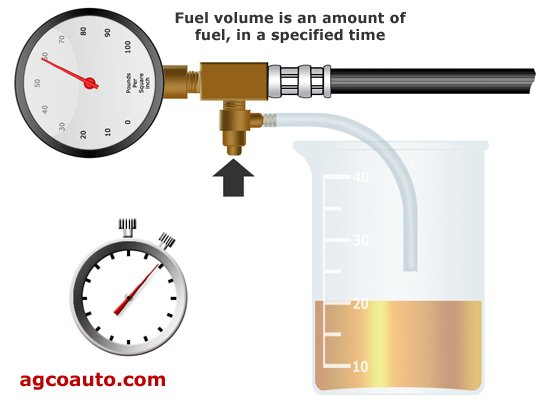
2. Check Fuel Pressure With A Gauge
This is the most accurate way to test. You’ll need a fuel pressure gauge.
Steps:
- Find the test port: Most cars have a Schrader valve (looks like a tire valve) on the fuel rail.
- Attach the gauge: Connect the gauge to the port. Make sure the connection is tight to avoid leaks.
- Turn the key to “on”: Watch the gauge. Pressure should quickly rise to the value listed in your manual (usually 30–60 psi for modern cars).
- Start the engine: The pressure should stay steady.
- Rev the engine: The pressure should not drop much.
Example Fuel Pressure Values
Here’s a quick comparison of some typical fuel pressure specs:
| Car Make | Engine Type | Normal Pressure (psi) |
|---|---|---|
| Toyota | 4-Cylinder EFI | 38–44 |
| Honda | 4-Cylinder MPI | 40–47 |
| Ford | V6 EFI | 35–45 |
| Chevrolet | V8 TBI | 9–13 |
If pressure is low: The pump might be weak, or the filter may be clogged. A big drop when revving often means the pump can’t keep up.
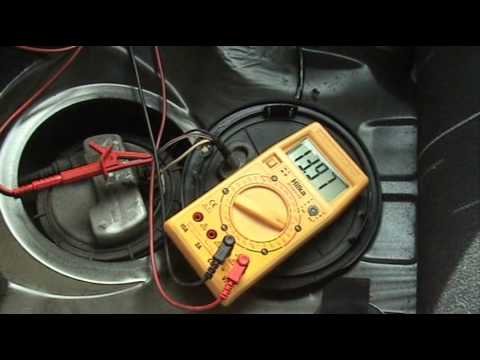
3. Test Electrical Power To The Pump
If the pump is silent or shows low pressure, it could be an electrical issue. Use a multimeter to check voltage at the pump connector.
Steps:
- Locate the pump wiring harness: Usually near the fuel tank.
- Set your multimeter: Use the DC volts setting.
- Back-probe the power wire: With the key on, you should see battery voltage (about 12 volts).
- Check the ground: There should be little to no resistance.
If you don’t see voltage, the problem could be a relay, fuse, or wiring—not the pump itself.
Non-obvious tip: Some cars only power the pump for a second when you first turn the key. Have someone cycle the key while you watch the meter.
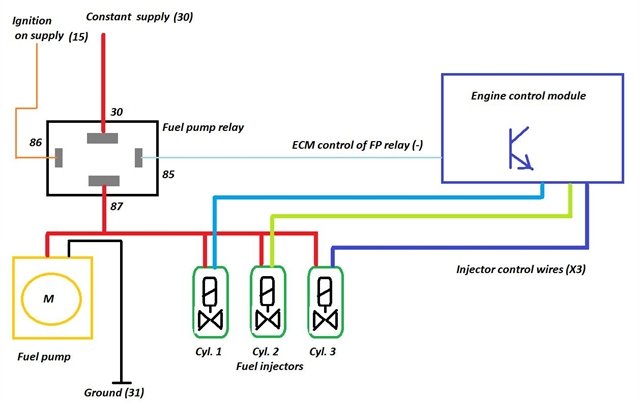
4. Inspect The Fuel Pump Relay And Fuse
A failed fuel pump relay or blown fuse is a common cause of no fuel pump activity.
- Find the fuse box: Check your car’s manual for the location.
- Inspect the fuse: If it’s blown, replace it. If it blows again, there may be a short.
- Swap the relay: Some relays are the same as others in the box. Swap with a similar one to see if the pump works.
5. Check The Fuel Filter
Sometimes, a clogged fuel filter can mimic a bad pump. If your pressure is low but the pump sounds normal, replace the filter first.
6. Bypass The Fuel Pump Relay
If you suspect the relay but want to be sure the pump works, you can “jump” the relay terminals (check your manual for the correct pins). This sends power straight to the pump.
Warning: Only do this for a few seconds and with safety in mind.
7. Test For Fuel Flow
On older cars without a test port, you can check fuel flow by disconnecting the fuel line (with the right safety steps) and aiming it into a container. Crank the engine and see if fuel sprays out strongly. Weak flow means a weak pump.
8. Scan For Trouble Codes
Modern cars will sometimes set a check engine light if fuel pressure is low. Use a simple OBD-II scanner to check for codes like P0087 (fuel rail/system pressure too low).
9. Test On The Road
Sometimes, a pump works fine at idle but fails under load. Take the car for a drive up a hill or with a load. If the engine hesitates or dies, the pump may be weak even if it passes other tests.
Safety Tips When Testing Fuel Pumps
Fuel is highly flammable. Always follow these safety steps:
- Work in a well-ventilated area, away from open flames or sparks.
- Wear safety glasses and gloves.
- Keep a fire extinguisher nearby.
- Relieve fuel system pressure before disconnecting any lines.
- Dispose of spilled fuel safely.
When To Replace Vs. Repair
A failing pump usually needs replacement. But sometimes, wiring, relays, or filters are the real problem. Testing helps you avoid wasting money.
Here’s a quick comparison for when to replace or repair:
| Symptom | Likely Solution | Action |
|---|---|---|
| No sound, no voltage | Electrical issue | Check wiring, fuse, relay |
| Low pressure, good voltage | Weak pump or filter | Replace pump or filter |
| Intermittent stalling | Pump, relay, or wiring | Test all three |
Common mistake: People often replace the fuel pump without testing the fuel filter or relay first. Always test before replacing expensive parts.
Real-world Example
Let’s say you have a 2012 Honda Civic that stalls while driving and takes a long time to start. You check for sound—nothing. You check voltage at the pump connector—12 volts present. You swap the relay—no change. Pressure test shows zero psi.
In this case, the pump itself is likely bad. But if you had low pressure and no fuel filter change for years, start there first.
Tips For Beginners
- Always use the right fuel pressure gauge for your car.
- Double-check fuel pressure specs in the manual—different engines need different pressures.
- If your pump is inside the tank, replacing it is a bigger job and may need a lift or special tools.
- If your car has a security system, it may disable the pump—check for warning lights.
- Testing with a helper is safer, especially during electrical checks.
Credit: www.youtube.com
Advanced Testing: Current Draw
If you want to go further, you can check the current draw of the fuel pump using a clamp meter. High or low current can show pump problems before total failure. This is an advanced step, so most beginners can skip it.
Where To Get More Help
If you’re still unsure, many auto parts stores will loan fuel pressure gauges. Online resources and car repair forums can offer step-by-step advice for your specific car model. You can also find more technical data at sites like Haynes Manuals.
Credit: www.agcoauto.com
Frequently Asked Questions
What Are The Most Common Symptoms Of A Bad Fuel Pump?
The most common signs are engine sputtering, slow starts, stalling, and loss of power. If you don’t hear the fuel pump when you turn the key, that’s also a strong clue.
Can A Clogged Fuel Filter Cause The Same Symptoms As A Bad Pump?
Yes, a clogged fuel filter can cause low pressure and make the engine act like the pump is failing. Always check or replace the filter first if you suspect a fuel problem.
Is It Dangerous To Test The Fuel Pump Myself?
Testing a fuel pump is safe if you follow basic safety rules: no smoking, work in a ventilated area, use gloves and glasses, and keep fire away from fuel lines.
How Often Should I Test My Fuel Pump?
There’s no set schedule. Test the fuel pump when you notice performance problems or during routine major services. Some experts suggest every 60,000–90,000 miles, but always check if you have symptoms.
What Is The Lifespan Of A Typical Fuel Pump?
Most modern electric fuel pumps last 100,000–150,000 miles, but poor fuel quality or dirty filters can shorten their life. Regular maintenance helps them last longer.
Testing your fuel pump is a valuable skill for every driver. With clear steps and the right tools, you can diagnose problems before they leave you stranded. Remember to work safely, double-check symptoms, and confirm your results before replacing any parts.
Your car—and your wallet—will thank you.