
When your car refuses to start, the problem can feel mysterious and frustrating. Often, the starter motor is to blame. This essential part is responsible for turning your engine over when you turn the key. But how do you know if your starter motor is at fault? Testing it can save you money, time, and unnecessary part replacements. Whether you are a car enthusiast, a DIY mechanic, or just a curious car owner, understanding how to test a starter motor is a valuable skill. This guide walks you through the process step by step, explains what tools you need, highlights safety tips, and helps you interpret your results accurately.
What Is A Starter Motor And Why Does It Matter?
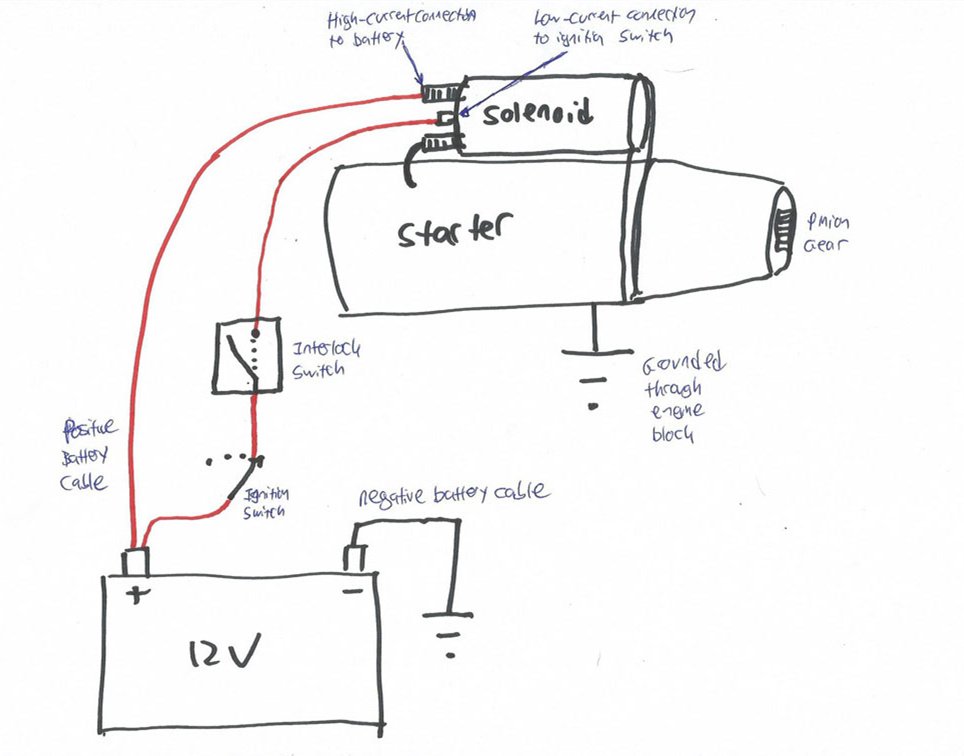
The starter motor is a small electric motor that gets your engine running. When you turn the ignition key, electricity from the battery flows to the starter, which spins the engine’s flywheel. If the starter motor fails, the engine won’t turn over—no matter how full your gas tank is or how new your battery may be.
Starter motors usually last between 80,000 and 150,000 miles. But they can fail earlier due to electrical problems, bad connections, or simple wear and tear. That’s why knowing how to test your starter motor can help you avoid getting stuck unexpectedly.
Signs Of A Bad Starter Motor
Before you start testing, it’s helpful to recognize the signs that point to a starter motor problem:
- Clicking noise when you turn the key, but the engine doesn’t crank.
- No sound at all when you try to start the car.
- Grinding noise—this can mean the starter gear isn’t engaging properly.
- Intermittent starting—sometimes it works, sometimes it doesn’t.
- Smoke or burning smell from under the hood, signaling an electrical problem.
These symptoms can also indicate other issues, like a dead battery or faulty wiring. That’s why testing is important.
Tools And Equipment Needed
Testing a starter motor isn’t complicated, but you need the right tools. Here are the basics:
- Multimeter (for voltage and continuity tests)
- Jumper cables
- Test light
- Wrenches and screwdrivers
- Battery charger (optional, but helps check battery health)
- Protective gloves and goggles
If you don’t have a multimeter, you can find one at most auto parts stores, and it’s useful for many car repairs.
Safety Precautions Before Testing
Always put safety first. Starter motors draw a lot of current, which can be dangerous if you’re not careful.
- Disconnect the negative battery terminal before removing or handling the starter.
- Wear insulated gloves to protect from shocks.
- Keep metal tools away from the battery to avoid short circuits.
- Work in a well-ventilated area.
Even experienced mechanics sometimes forget these basics. A simple mistake can cause injury or damage your car’s electronics.
Credit: www.gzonechina.com
Step 1: Check The Battery And Connections
A weak or dead battery is the most common cause of starting problems. Before blaming the starter, confirm your battery is in good shape.
- Use your multimeter to measure battery voltage. It should read 12.4–12.7 volts for a fully charged battery.
- Inspect battery cables for corrosion, looseness, or breaks.
- Clean any dirty terminals and tighten loose connections.
If your battery is low, recharge it and try starting the car again. Many people skip this step and end up replacing a good starter motor for no reason.
Step 2: Listen For Sounds When Starting
The sounds your car makes can tell you a lot:
- A single loud click often means the starter solenoid is working, but the motor is not.
- Rapid clicking suggests low battery voltage.
- Grinding can mean the starter gear is slipping or the flywheel teeth are damaged.
Recording these sounds on your phone can help when asking a mechanic for advice.
Step 3: Test The Starter Relay And Fuses
Starters rely on relays and fuses to work. If these are faulty, the starter won’t receive power.
- Locate the starter relay (usually in the fuse box under the hood).
- Swap it with a similar relay (for example, the horn relay) to see if the starter works.
- Check starter fuses for breaks.
This is a quick way to rule out simple electrical faults.
Step 4: Perform A Voltage Drop Test
A voltage drop test checks for power loss between the battery and the starter motor. Too much voltage drop means bad wires or connections.
- Set your multimeter to DC volts.
- Place the red probe on the battery’s positive terminal.
- Place the black probe on the starter’s positive terminal.
- Have a helper turn the ignition key to “start.”
- Read the voltage drop. It should be less than 0.5 volts.
High voltage drop means you need to clean or replace cables.
Step 5: Bench Test The Starter Motor (if Removed)
If you suspect the starter is bad, it’s best to remove it and do a bench test. This is the most direct way to check if the starter itself is faulty.
How To Bench Test
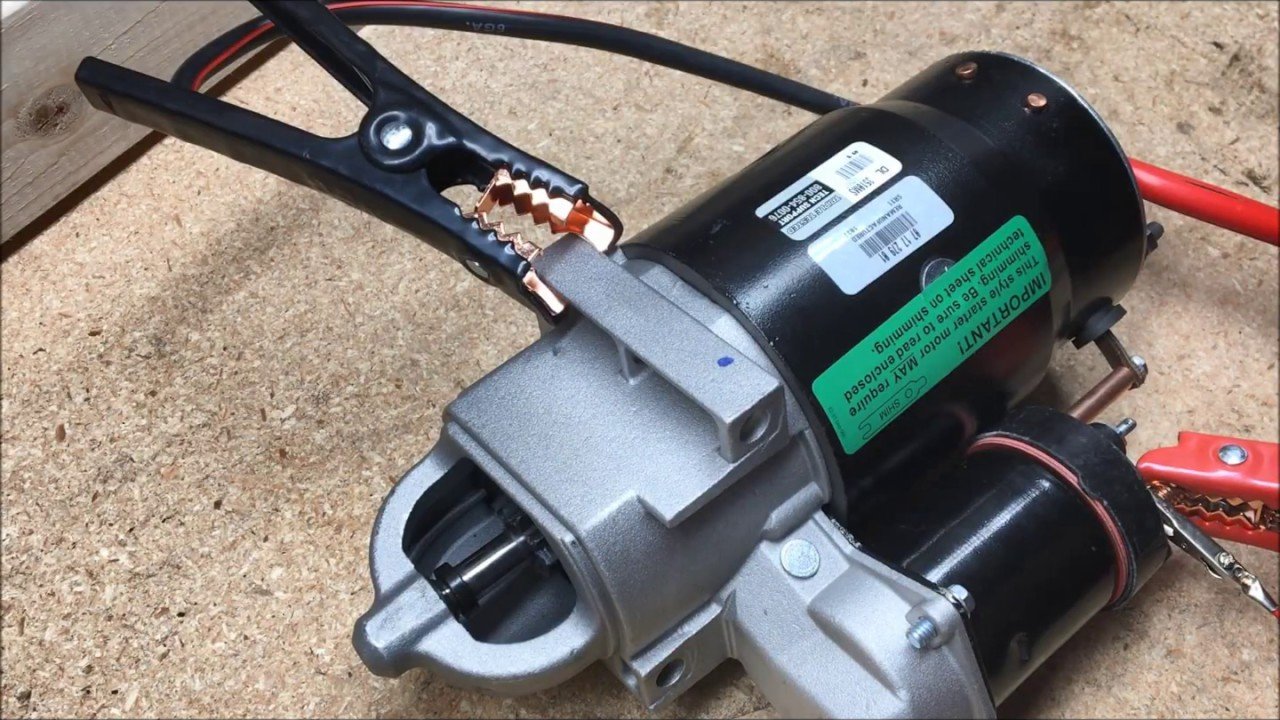
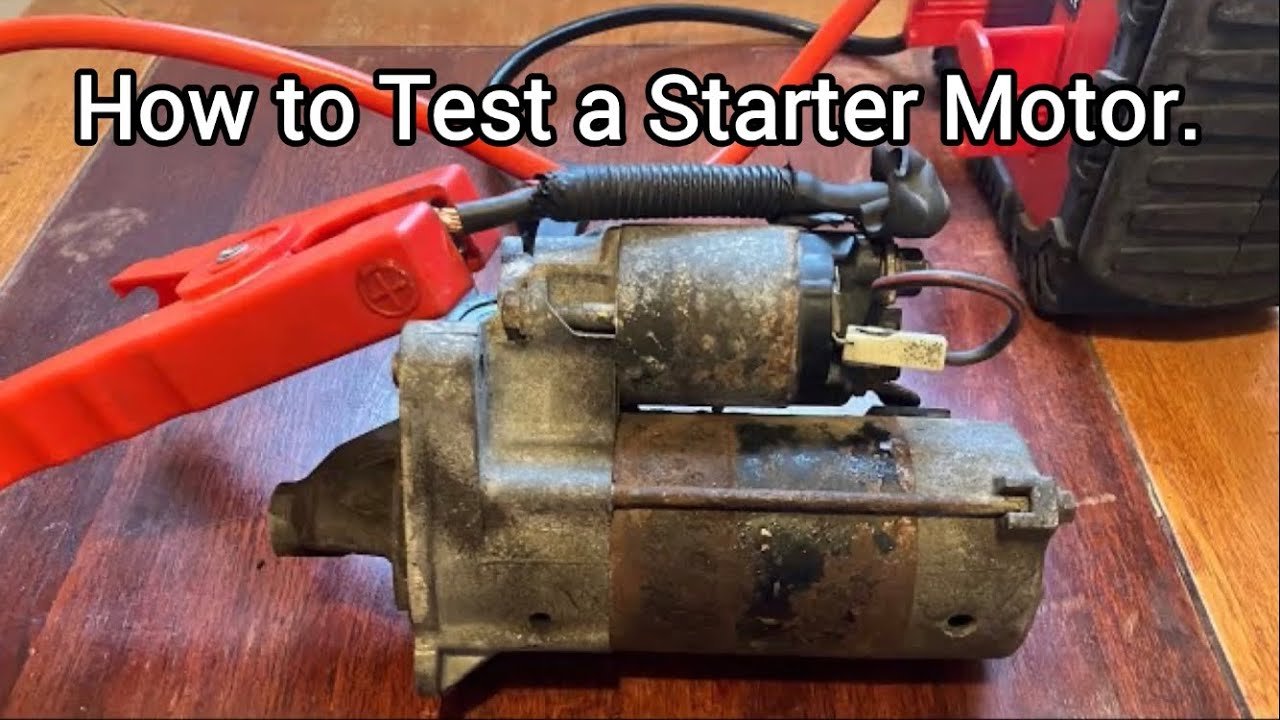
- Secure the starter motor in a vice or on the ground.
- Connect jumper cables: Negative (black) to the starter’s body, positive (red) to the main terminal.
- Briefly touch a wire from the positive terminal to the solenoid’s small terminal.
- The starter gear should extend and spin quickly.
If the gear doesn’t move, the starter is likely bad. If it spins slowly or makes grinding noises, it might need rebuilding.
Step 6: Test The Solenoid
The solenoid is the small cylinder on top of the starter. It acts as a switch, sending power to the starter motor when you turn the key. According to AAA’s Approved Auto Repair program, shops that employ ASE-certified or factory-trained technicians must meet strict standards for training, equipment, and customer service.
- Use a test light or multimeter to check for power at the solenoid terminal when the ignition is turned.
- If there’s power but the starter doesn’t engage, the solenoid may be faulty.
Many people replace the whole starter when only the solenoid is bad. Testing can save you money.
Step 7: Check The Starter Signal Wire
Sometimes, the small wire that tells the starter to “go” is the problem.
- Disconnect the wire from the starter solenoid.
- Turn the ignition key to “start.”
- Use a test light or multimeter to see if power is present.
No power here means a wiring issue, not a bad starter.
Comparing Starter Motor Problems: Symptoms And Causes
To clarify how different starter issues appear, see the comparison below:
| Symptom | Possible Cause | Recommended Test |
|---|---|---|
| Click, no crank | Weak battery, bad solenoid | Battery test, solenoid test |
| No sound | Blown fuse, broken wire, bad relay | Fuse/relay check |
| Grinding noise | Worn gear, damaged flywheel | Visual inspection |
| Engine cranks slowly | Low voltage, failing starter | Voltage drop test, bench test |
Understanding the difference can help you zero in on the real problem.
Credit: www.youtube.com
Common Mistakes When Testing A Starter Motor
It’s easy to make errors during testing, especially if you’re new to car repair:
- Skipping the battery check: Many people forget to confirm the battery is charged.
- Ignoring wire conditions: Loose or corroded wires can mimic starter failure.
- Not checking relays and fuses first: Simple electrical issues are more common than motor failure.
- Testing with poor connections: Dirty or loose jumper cables give false results.
- Not securing the starter during bench test: A loose starter can jump or cause injury.
Take your time and double-check each step to avoid these mistakes.
How Long Does A Starter Motor Last?
On average, a starter motor lasts 5 to 7 years or around 100,000 miles. However, frequent short trips, hot climates, or poor electrical connections can shorten its life. Keeping your battery and cables in good shape helps your starter last longer.
Credit: www.youtube.com
When To Replace The Starter Motor
If your starter fails the bench test, makes grinding noises, or draws too much current, it’s time to replace it. Also, if you see visible damage or burnt smells, don’t try to repair it—replacement is safer.
Here’s a quick comparison of repair vs. replacement:
| Factor | Repair | Replacement |
|---|---|---|
| Cost | Lower (if minor issue) | Higher |
| Reliability | Depends on repair quality | High (new part) |
| Time required | Faster if skilled | May take longer (installation) |
| Warranty | Usually none | Often 1-2 years |
If you’re unsure, ask a trusted mechanic or refer to your vehicle’s service manual.
Practical Insights Most Beginners Miss
- Starter motors can fail intermittently. Sometimes they work when cold, but not when hot. This “heat soak” problem is common in older cars.
- A stuck ignition switch can mimic a bad starter. If your accessories also don’t work, the switch may be at fault.
- Starter motors draw very high current. Even small drops in voltage from dirty connections can prevent them from working.
If you’ve tested everything and still aren’t sure, consider having your starter tested for free at an auto parts store.
Best Practices For Testing
- Always test the battery first. Many “starter” issues are really battery problems.
- Label all wires before removing the starter. This avoids confusion during reinstallation.
- Use quality jumper cables. Cheap cables can’t carry enough current for a good test.
- Work methodically—test one thing at a time, don’t skip steps.
When To Seek Professional Help
If you’re uncomfortable working with electrical systems, or if you can’t access the starter safely, it’s best to consult a professional. Modern cars have complex wiring, and mistakes can be costly. Many shops offer free diagnostics if you buy parts from them.
For more detailed information on starter motors, see this Wikipedia article.
Frequently Asked Questions
What Is The Main Cause Of Starter Motor Failure?
The most common causes are worn brushes, bad solenoids, or electrical issues like corroded wires. Heat and age also play a big role.
Can I Start My Car With A Bad Starter Motor?
Sometimes you can “jump” the starter with a screwdriver or hammer tap, but this is only a temporary fix. It’s not safe or reliable.
How Much Does It Cost To Replace A Starter Motor?
Replacement costs range from $200 to $600 depending on your car model and labor rates. High-end vehicles can cost more.
Is It Safe To Drive With A Failing Starter Motor?
If the starter works intermittently, you might get stranded. It’s best to repair or replace it as soon as possible.
Can A Starter Motor Drain My Battery?
Yes, a faulty starter can cause a parasitic drain by drawing current even when the car is off, leading to battery problems.
Testing your starter motor is a practical skill that can save you time, money, and frustration. With patience, the right tools, and careful attention to each step, you can diagnose most starter issues yourself. If in doubt, don’t hesitate to ask for help—safety and reliability are always more important than rushing the job.