
Hybrid vehicles are known for their lower emissions and impressive fuel economy, but many owners face a big question when their hybrid battery ages: Should you choose reconditioning, replacement, or just sell the car? Hybrid battery reconditioning promises to restore battery life at a lower cost, but is it really worth it? Let’s take a practical look at what reconditioning involves, the benefits and drawbacks, real-world costs, and what you need to know before making a decision.
What Is Hybrid Battery Reconditioning?
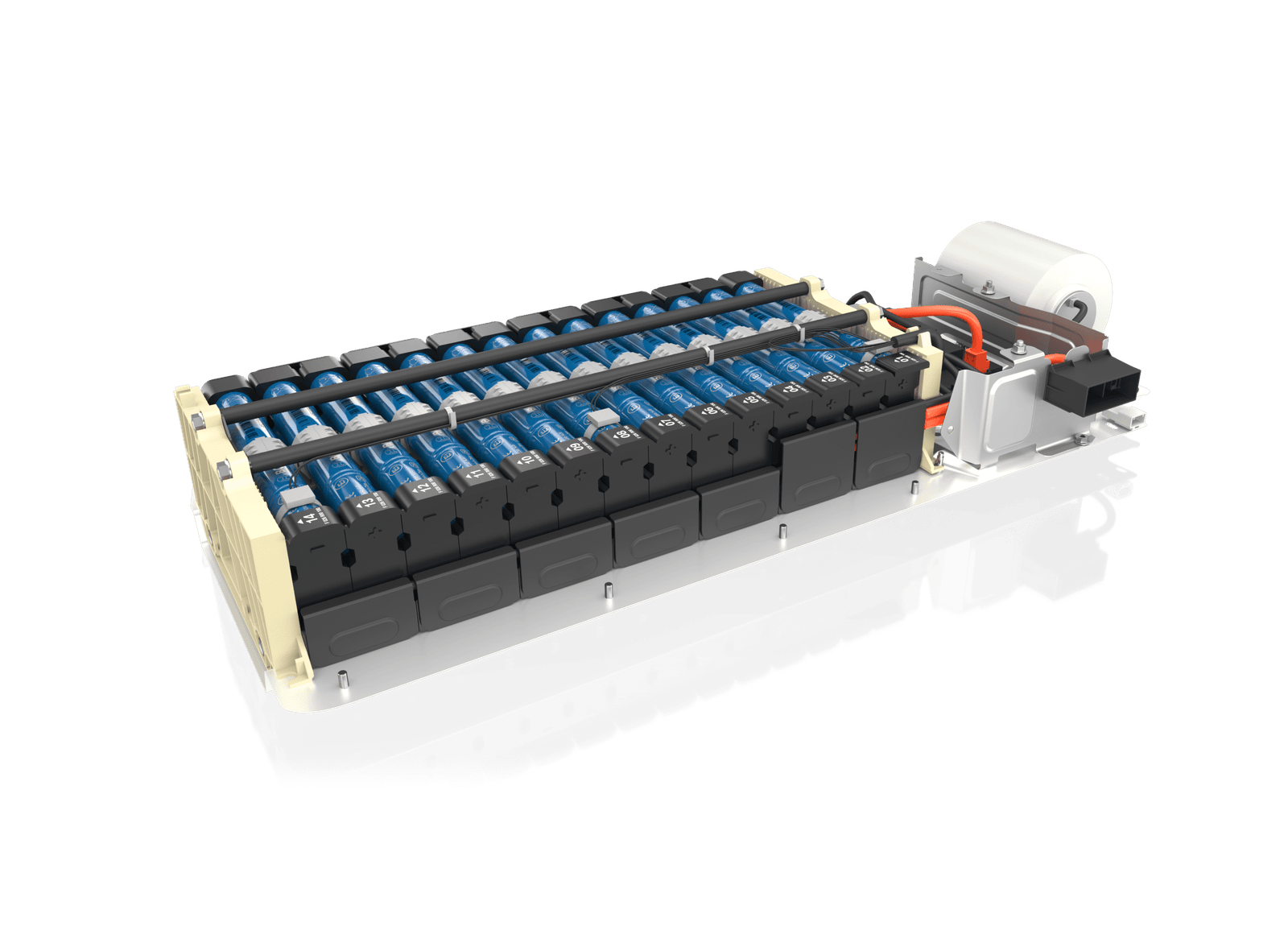
Hybrid cars use a large battery pack to store energy. Over time, these batteries lose capacity, causing reduced performance and fuel economy. Reconditioning means using special equipment and methods to restore the battery’s lost capacity. Unlike a full replacement, reconditioning aims to bring old batteries back to life by:
- Balancing individual cells so all parts of the battery work together
- Replacing weak cells if needed
- Deep cycling (charging and discharging) to improve performance
It’s important to understand that reconditioning does not always make the battery “like new. ” Instead, it extends the useful life, often by one to three years.
Why Do Hybrid Batteries Fail?
Hybrid batteries usually last 8–10 years or about 100,000 to 150,000 miles. The main reasons for failure are:
- Cell imbalance: Some cells wear out faster than others.
- Heat: High temperatures shorten battery life.
- Age: Chemical reactions slow over time, reducing capacity.
Modern hybrid batteries are tough, but they’re not immune to aging. When your car’s battery warning light comes on, or you notice a drop in fuel economy, it may be time to consider your options.
Credit: carwood.com
How Does Reconditioning Work?
The process starts with a technician testing the battery to find weak cells. Here’s a common step-by-step approach:
- Diagnostic scan – Checks for error codes and measures battery health.
- Disassembly – The battery pack is removed from the car.
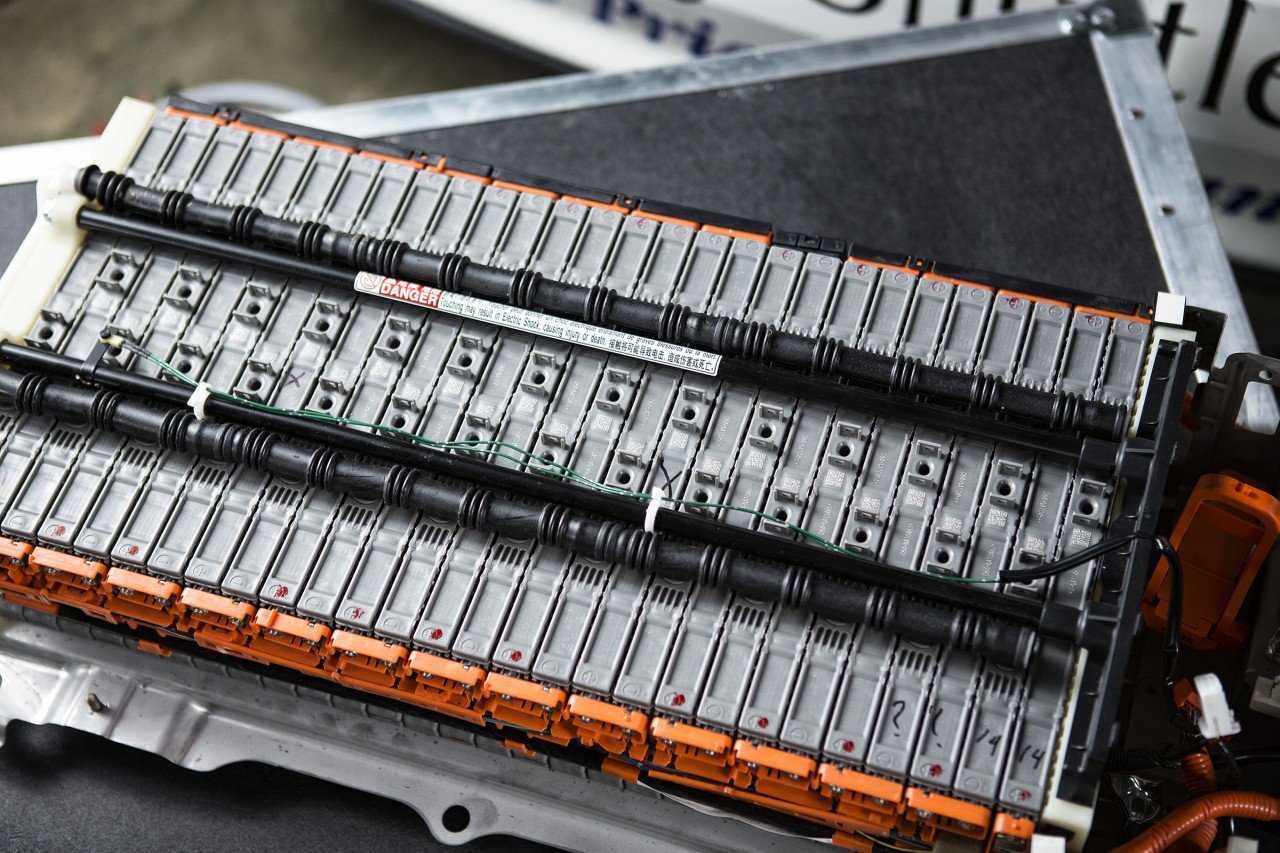
- Module testing – Each cell or module is tested for capacity.
- Deep cycling – Cells are charged and discharged several times.
- Balancing – Brings all modules to the same voltage.
- Cell replacement – Some shops swap out only the worst modules.
- Reassembly and installation – The pack goes back in the car.
Some DIY kits exist, but professional reconditioning usually gives better results.
Comparing Options: Reconditioning Vs Replacement
To decide if reconditioning is worth it, compare it with other options. Here’s a simple data table:
| Option | Cost Range | Lifespan Added | Warranty | Typical Use Case |
|---|---|---|---|---|
| Reconditioning | $400–$1,000 | 1–3 years | 6–12 months | Budget-minded owners, older vehicles |
| Replacement (Used/Refurbished) | $1,000–$2,000 | 2–5 years | 1–3 years | Mid-age vehicles, moderate budgets |
| Replacement (New) | $2,000–$4,500 | 8–10 years | 3–5 years | Newer vehicles, long-term owners |
Reconditioning is usually the cheapest option, but it gives the shortest lifespan. New batteries are expensive but last much longer.
Benefits Of Hybrid Battery Reconditioning
Many owners choose reconditioning because of its advantages:
- Cost savings: It’s often much cheaper than buying a new battery.
- Faster turnaround: Most jobs finish in a day or two.
- Eco-friendly: Extends the life of existing batteries, reducing waste.
- Improved performance: Can restore lost power and fuel economy.
For older hybrid cars, spending $3,000 on a new battery doesn’t make sense. Reconditioning gives you more time with your car without a huge investment.
Drawbacks And Risks
Hybrid battery reconditioning is not perfect. Here are some downsides:
- Temporary fix: Results usually last 1–3 years, not as long as new batteries.
- Not always successful: Severely damaged batteries may not respond to reconditioning.
- Limited warranty: Most shops offer short warranties (6–12 months).
- Possible hidden issues: Other car systems (like the inverter or wiring) may also need repairs.
If you plan to keep your car for many more years, reconditioning may not be the best long-term choice.
Who Should Consider Reconditioning?
Reconditioning makes sense for:
- Owners of hybrid cars 8 years or older
- People planning to keep the car only 1–3 more years
- Budget-focused drivers who want to avoid big expenses
- Cars that run well except for the battery problem
For example, a 2010 Toyota Prius with 160,000 miles might be a great candidate. If you only need the car to last until your next upgrade, reconditioning offers the most value.
When Reconditioning Is Not Worth It
Some situations make reconditioning less attractive:
- Your car is less than 5 years old (better to get a new battery)
- The battery has physical damage (like leaks or corrosion)
- Multiple warnings or error codes suggest bigger problems
- You plan to keep the car for 5–10 more years
Also, not all batteries are good candidates. If most modules are weak, or the pack has failed repeatedly, replacement is usually smarter.
Real-world Results And Success Rates
How well does reconditioning really work? Data from shops and online forums suggest:
- About 70–80% of batteries respond well to reconditioning.
- Most owners report improved fuel economy and fewer warning lights.
- Average lifespan extension: 1–2 years for high-mileage packs.
But here’s a non-obvious insight: Success depends a lot on your driving habits. If you mostly drive short trips, the battery gets less time to balance, so results may not last as long. Also, batteries in hot climates tend to wear out faster, making reconditioning less effective.
Hidden Costs And Buyer Mistakes
First-time buyers often miss some key points:
- Cheap isn’t always better: Ultra-low prices often mean shortcuts—like skipping module balancing.
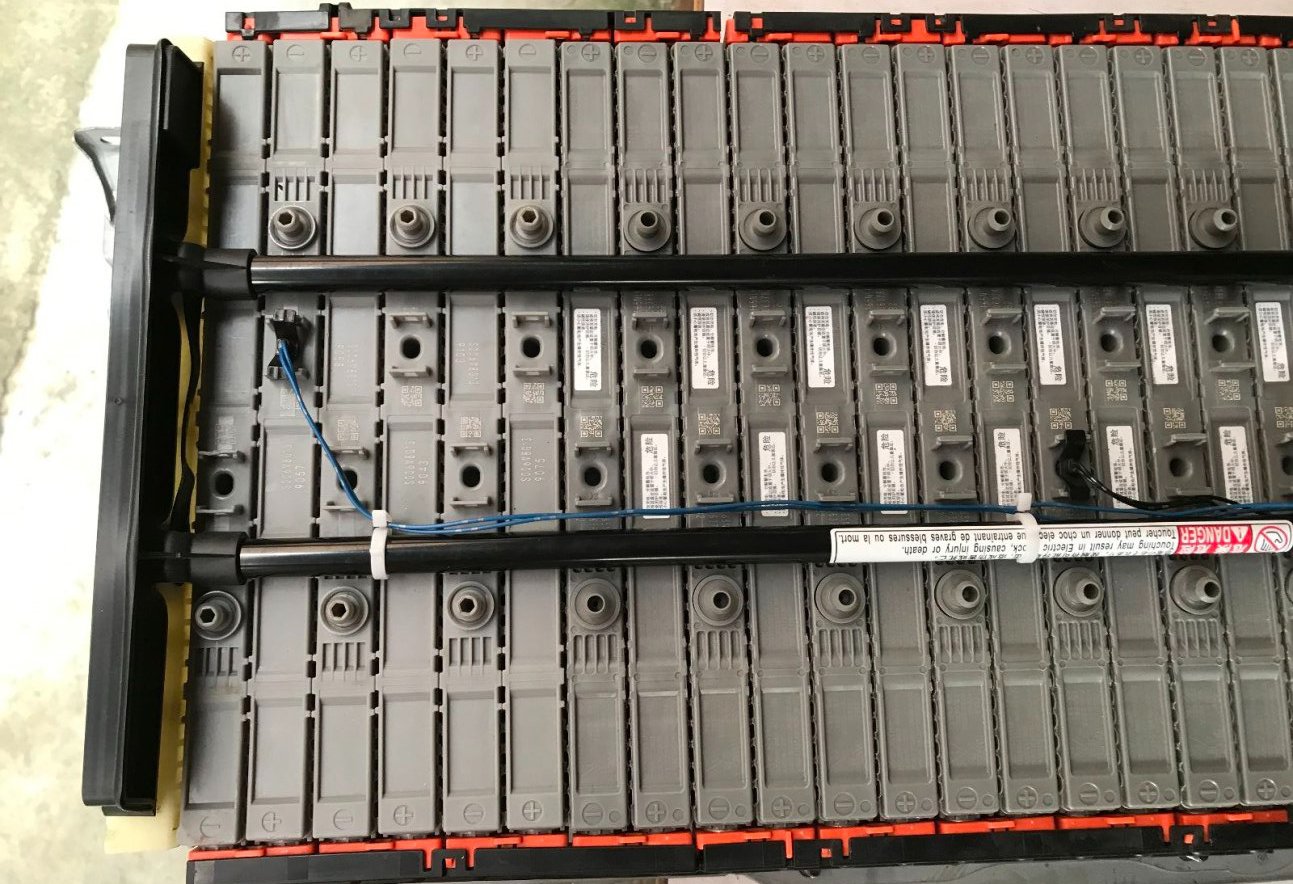
- DIY risks: Kits are available, but mistakes can cause fires or electric shocks. Hybrid batteries store enough energy to be dangerous.
- Warranty limitations: Read the fine print; a short warranty can leave you unprotected.
- Labor costs: Some shops quote low prices but add extra fees for diagnostics or installation.
Always ask for a written warranty and check reviews before choosing a provider.
Credit: www.okacc.com
How To Choose A Reliable Reconditioning Service
Not all reconditioning shops are equal. Here’s what to look for:
- Experience: Choose shops that specialize in hybrid battery repair.
- Testing process: Ask if they test all modules, not just a few.
- Warranty: Good shops offer at least a 6-month warranty.
- Customer reviews: Look for consistent positive feedback.
- Upfront pricing: Get a detailed quote before agreeing to the work.
If you’re interested in the science behind hybrid batteries, the U.S. Department of Energy has detailed explanations on Hybrid Electric Vehicles.
Is Hybrid Battery Reconditioning Worth It? (final Thoughts)
So, is reconditioning worth your money? The answer depends on your situation.
Choose reconditioning if:
- Your car is older and still in good shape.
- You want a low-cost, short-term fix.
- You’re planning to sell the car soon.
Skip reconditioning if:
- You want a “like new” battery and long-term peace of mind.
- Your car is still under warranty or you plan to keep it for many years.
A final tip: Always compare the cost of reconditioning with your car’s value. If the repair is more than half the car’s worth, selling or trading in might be smarter.
Credit: greenbeanbattery.com
Frequently Asked Questions
What Is The Typical Cost For Hybrid Battery Reconditioning?
Most shops charge $400–$1,000 for reconditioning. Prices depend on your car model and local labor rates. DIY kits may cost less, but include safety risks.
How Long Does A Reconditioned Hybrid Battery Last?
A reconditioned battery usually lasts 1–3 years, depending on the battery’s original condition, climate, and driving habits. Some owners report less, especially in very hot or cold areas.
Is Reconditioning Safe For My Car?
Yes, when done by professionals. DIY attempts can be risky due to high voltage. Always choose a shop with hybrid expertise and a good safety record.
Does Reconditioning Restore Full Battery Performance?
No. Reconditioning often restores 60–80% of the battery’s original capacity. You’ll see better performance and fuel economy, but not as much as with a new battery.
Are There Signs That My Battery Can’t Be Reconditioned?
Yes. Signs include major physical damage, repeated battery failures, or error codes for several different battery modules. In these cases, replacement is usually the only reliable option.
If you’re thinking about hybrid battery reconditioning, weigh the costs, benefits, and your future plans with the car. In many cases, it’s a smart, affordable way to keep your hybrid running smoothly for a few more years.