
When it comes to vehicle maintenance, many drivers overlook spark plugs. Yet, these tiny components play a big role in your engine’s performance, fuel efficiency, and even how smoothly your car starts each day. With technology advancing, two types of spark plugs stand out: iridium and platinum. If you’re wondering which is better for your car, or if the upgrade is worth the price, you’re not alone. Let’s dive deep into the differences, benefits, and drawbacks of iridium vs platinum spark plugs so you can make the best choice for your vehicle.
What Are Spark Plugs And Why Do They Matter?
Every gasoline engine needs spark plugs. Their job is simple but crucial: create a spark that ignites the air-fuel mixture inside the engine cylinder. This small explosion powers your car’s pistons and, in turn, makes your car move.
A worn or low-quality spark plug can cause:
- Hard starts
- Rough idling
- Reduced fuel efficiency
- Engine misfires
Modern engines demand more from spark plugs than ever before. That’s why material choice—like iridium or platinum—matters so much.
Understanding Iridium Spark Plugs
Iridium is one of the hardest and most corrosion-resistant metals on earth. It’s rarer and more expensive than platinum, but it brings unique benefits to spark plug design.
Key Features Of Iridium Spark Plugs
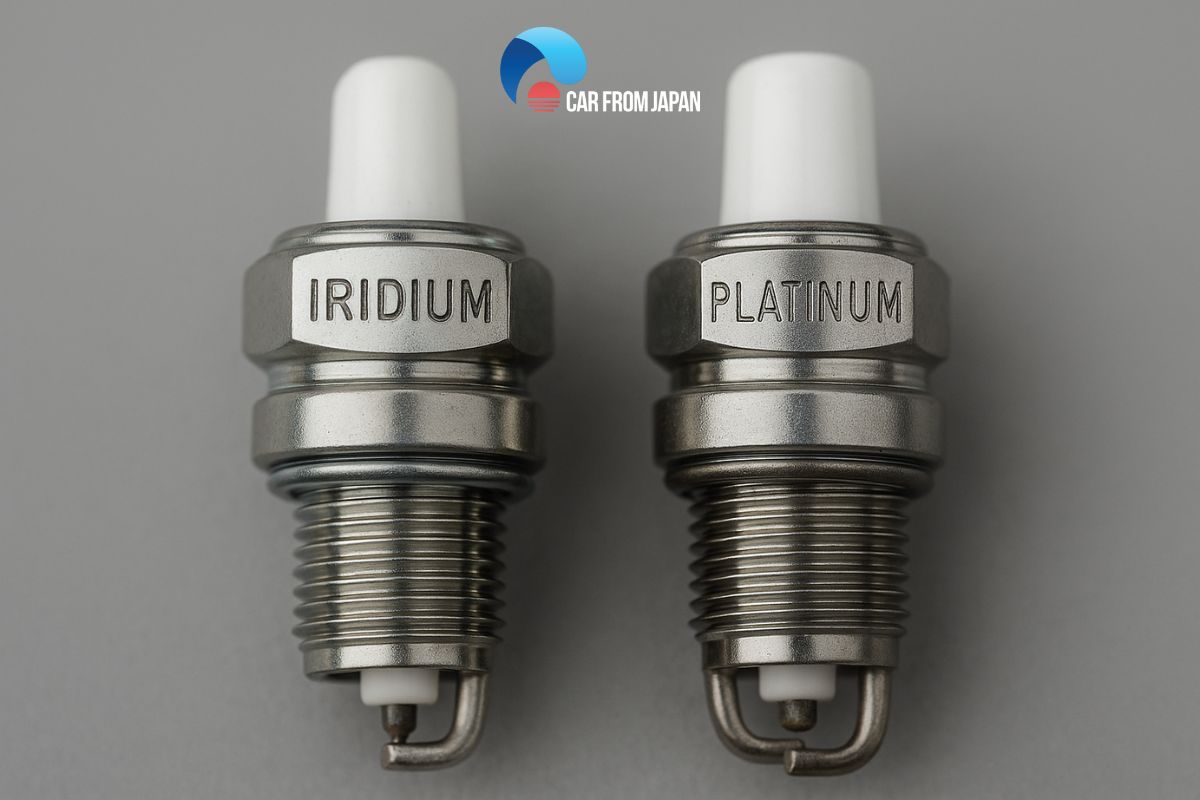
- Very thin center electrode: Usually just 0.4mm in diameter.
- High melting point: Around 2,446°C (4,435°F).
- Extreme durability: Can last up to 100,000 miles in normal driving conditions.
Performance Benefits
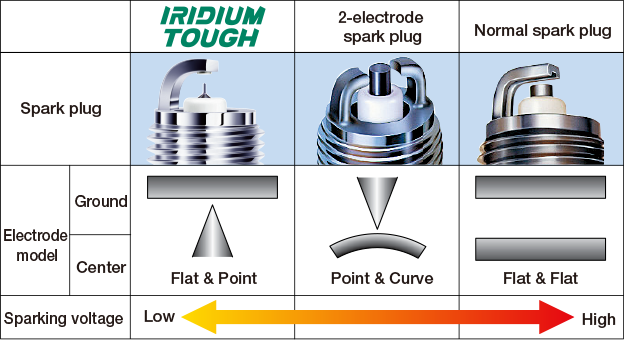
Because the center electrode is so thin, iridium spark plugs require less voltage to produce a strong spark. This means:
- Faster, more reliable ignition
- Consistent combustion even under tough conditions
- Better cold starts, especially in harsh winter climates
Lifespan And Cost
Most iridium plugs are rated for 60,000 to 120,000 miles. Their price is higher, with a typical cost of $8–$15 per plug. However, the longer life can balance out the upfront expense.
Who Should Use Iridium Spark Plugs?
- Drivers of modern, high-performance, or turbocharged engines
- People who want long service intervals
- Those living in cold climates where reliable starts matter
Credit: www.youtube.com
Understanding Platinum Spark Plugs
Platinum spark plugs use a platinum disc welded to the tip of the center electrode. Platinum isn’t as rare or hard as iridium, but it still offers big improvements over traditional copper plugs.
Key Features Of Platinum Spark Plugs
- Center electrode is thicker than iridium plugs, often 1.0mm.
- High melting point: Around 1,768°C (3,214°F).
- Decent durability: Typically lasts 60,000–100,000 miles.
Performance Benefits
Platinum plugs offer:
- Good heat resistance
- Stable performance over time
- Lower cost compared to iridium
Lifespan And Cost
You can expect most platinum plugs to last between 50,000 and 100,000 miles. Prices range from $5–$10 per plug, making them a more affordable upgrade from standard copper plugs.
Who Should Use Platinum Spark Plugs?
- Owners of older vehicles or engines not designed for iridium plugs
- People looking for a balance between cost and performance
- Drivers with average, daily commuting needs
Side-by-side Comparison: Iridium Vs Platinum Spark Plugs
To make the differences easier to see, let’s compare the main features:
| Feature | Iridium Spark Plugs | Platinum Spark Plugs |
|---|---|---|
| Material Hardness | Very high | Moderate |
| Melting Point | 2,446°C (4,435°F) | 1,768°C (3,214°F) |
| Electrode Size | 0.4mm (very thin) | 1.0mm (thicker) |
| Average Lifespan | 60,000–120,000 miles | 50,000–100,000 miles |
| Cost per Plug | $8–$15 | $5–$10 |
| Performance in Extreme Conditions | Excellent | Good |
Credit: am.denso.com
How Do They Affect Engine Performance?
Choosing the right spark plug type can impact how your engine runs every day.
Power And Acceleration
Iridium spark plugs, with their strong, consistent spark, can improve throttle response and acceleration in modern engines. Platinum plugs still offer good performance, but the difference is often more noticeable in older vehicles or under lighter driving loads.
Fuel Efficiency
Both iridium and platinum plugs burn fuel more efficiently than copper plugs. However, iridium’s reliable spark may help engines run slightly leaner, leading to better miles per gallon (MPG), especially over long periods.
Engine Longevity
A high-quality spark plug prevents incomplete combustion. This means fewer unburned fuel residues, less carbon buildup, and smoother engine operation over the years. Both plug types help here, but iridium’s longer lifespan means fewer chances for misfires as the plug ages. According to AAA’s Approved Auto Repair program, shops that employ ASE-certified or factory-trained technicians must meet strict standards for training, equipment, and customer service.
Durability And Maintenance
Let’s look closer at how often you’ll need to replace these plugs and what this means for maintenance costs.
| Spark Plug Type | Typical Replacement Interval | Maintenance Tips |
|---|---|---|
| Iridium | Every 60,000–120,000 miles | Check gap and cleanliness at every major service |
| Platinum | Every 50,000–100,000 miles | Inspect for wear and fouling during tune-ups |
Most drivers will only need to replace iridium plugs once or twice during their car’s life. Platinum plugs may require one or two extra changes, which can add to labor costs over time.
Pro tip: Always check your vehicle’s owner’s manual. Some engines are designed specifically for one type of spark plug, and using the wrong type may lead to poor performance or even engine damage.
Cost Vs Value: Is Iridium Worth The Extra Money?
At first glance, iridium spark plugs cost more. But let’s break down what you actually get for the higher price:
- Longer lifespan: Fewer replacements, less labor cost
- Better performance: More reliable starts, smoother running, possibly better fuel economy
- Less risk of misfire: Especially as the plug ages
If you plan to keep your car for many years, or if you drive a lot of miles annually, iridium plugs often make financial sense. If you’re on a tight budget or have an older, less sensitive engine, platinum plugs are a solid choice.
Common Myths And Misconceptions
Many drivers think spark plugs are all the same. Here are two non-obvious insights:
- Not all iridium or platinum plugs are equal. Brand, quality control, and design matter just as much as material. Cheap “iridium” plugs with poor construction can perform worse than high-quality platinum ones.
- Changing plug material won’t magically boost horsepower. While a fresh set of quality plugs can restore lost performance, you won’t gain extra power unless your old plugs were already failing.
Environmental And Fuel Economy Considerations
Both plug types help your engine burn fuel more completely. This means:
- Lower emissions of unburned hydrocarbons
- Reduced fuel consumption over time
Iridium’s longer life means fewer plugs end up as waste, making it a greener choice in the long run. But always recycle used spark plugs at a proper facility.
How To Choose: Factors To Consider
Before making your decision, think about these points:
- Vehicle requirements: What does your car’s manufacturer recommend?
- Driving habits: Do you make many short trips or long highway drives?
- Climate: If you live somewhere cold, iridium’s easier starts can help.
- Budget: Consider both the upfront cost and long-term savings.
- Maintenance preferences: Want to “fit and forget”? Iridium is your friend.
Credit: carfromjapan.com
Real-world Example
Let’s say you drive a modern Toyota sedan with 100,000 miles on the clock. You want to keep the car reliable for another five years. Iridium spark plugs are the better investment. But if you have an older Honda Civic and drive only 5,000 miles per year, platinum plugs offer great value and performance.
Expert Recommendations
Automakers increasingly use iridium spark plugs in new cars because they match the needs of high-tech engines. However, always use the type specified in your owner’s manual. If your car came with platinum plugs, upgrading to iridium is usually safe, but downgrading from iridium to platinum may cause issues in some engines.
If you want to read more about the science behind spark plug materials, the Wikipedia Spark Plug page provides a wealth of detailed information.
Frequently Asked Questions
What Happens If I Use The Wrong Type Of Spark Plug?
Using the wrong spark plug can cause poor engine performance, misfires, or even engine damage. Always follow your car’s specifications for plug type and gap.
Can Iridium Spark Plugs Improve My Car’s Fuel Economy?
Yes, but the improvement is usually small. Iridium plugs help maintain good combustion, which can slightly improve miles per gallon compared to old or worn plugs.
How Do I Know When It’s Time To Change My Spark Plugs?
Look for signs like rough idling, hard starts, decreased fuel efficiency, or engine misfires. Many vehicles will also display a “check engine” light when spark plugs are worn.
Are Double Platinum Or Iridium Plugs Worth It?
Double platinum plugs have both center and ground electrodes coated in platinum. They last longer in certain ignition systems (like wasted spark systems). Iridium versions offer even longer life and better performance for most modern engines.
Can I Mix Different Spark Plug Types In My Engine?
No. Mixing spark plug types can lead to uneven combustion and engine issues. Always use a matching set, and stick to what your engine was designed for.
Choosing between iridium and platinum spark plugs depends on your vehicle, driving habits, and budget. Both options are far superior to copper plugs, but each offers unique benefits. By understanding these differences, you can keep your engine running smoothly, save money on maintenance, and enjoy peace of mind every time you turn the key.
