
The Mercedes C-Class has built a reputation for luxury, comfort, and performance. For many, it’s a dream car that balances style and driving pleasure. But, like any vehicle, the C-Class has its share of issues that owners and buyers should know—especially since problems can vary widely between different model years and generations. If you’re considering buying a used Mercedes C-Class or want to understand what to look for in your current model, knowing the most common problems by year is crucial. This guide will walk you through the key issues, explain why they happen, and offer practical tips to help you avoid expensive surprises.
Mercedes C-class Generations: A Quick Overview
Understanding which generation your C-Class belongs to is essential since many problems are linked to specific designs and technologies used in different years. Here’s a quick breakdown:
- W202 (1993–2000)
- W203 (2000–2007)
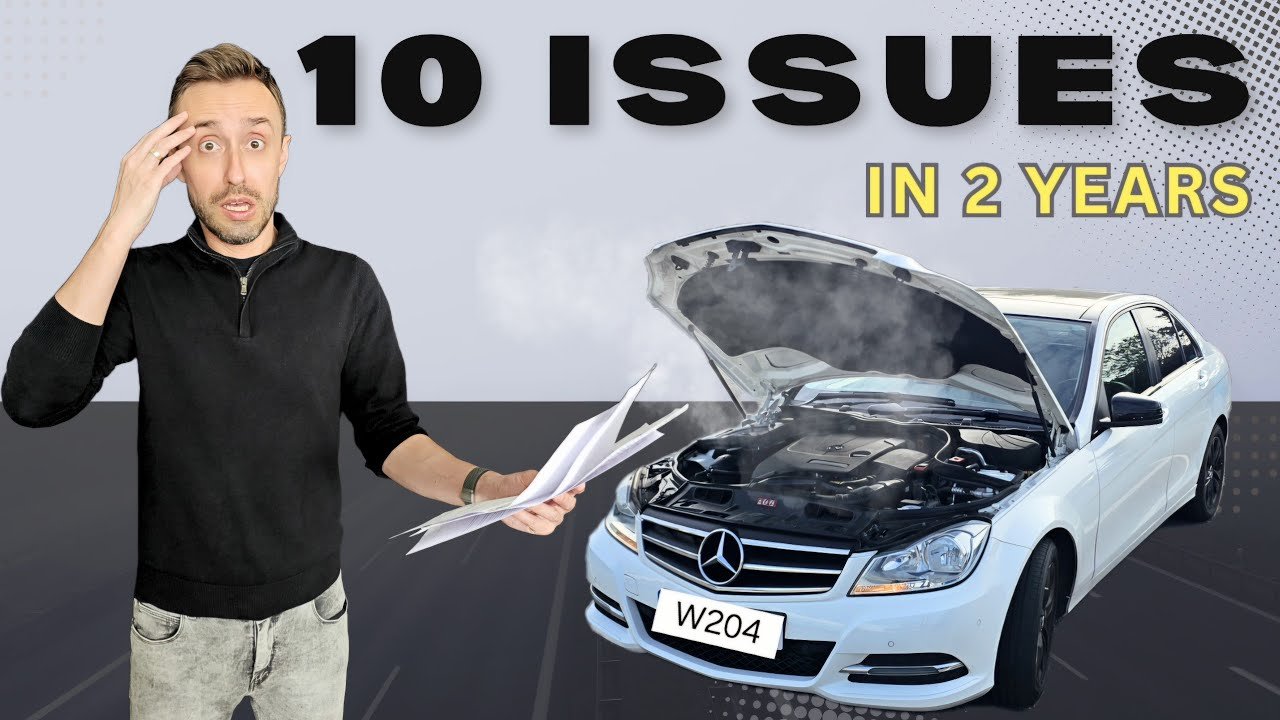
- W204 (2007–2014)
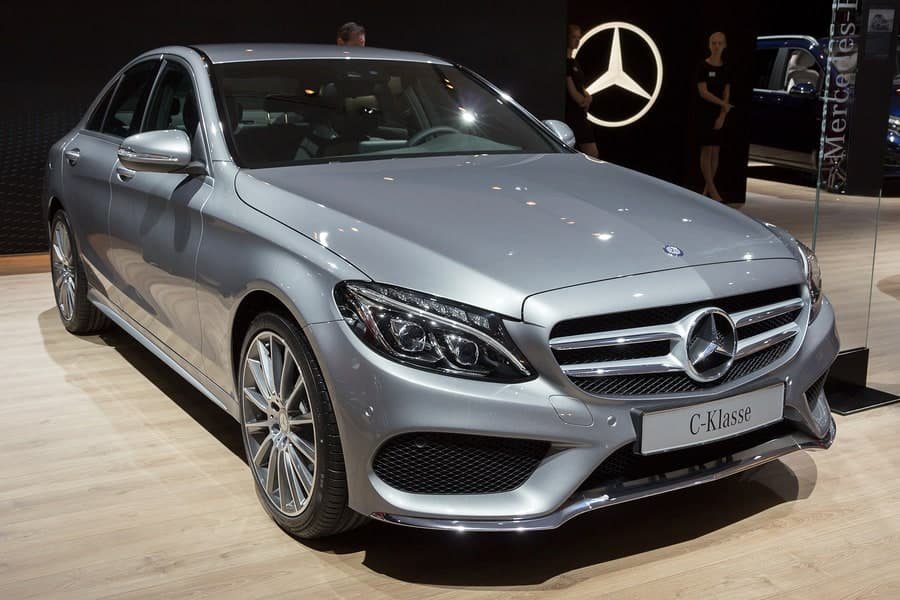
- W205 (2014–2021)
- W206 (2021–present)
Each generation brought new features—and with them, new sets of common problems.
Common Problems: W202 (1993–2000)
The W202 was the first C-Class, known for its solid build but not free from issues. Here are the main concerns:
1. Rust Problems
Rust is the number one issue in older W202 models. You often see it around the wheel arches, doors, and underbody. This is not just cosmetic; rust can weaken the structure and cost thousands to fix if left untreated. Regular underbody inspection is a must, especially in regions with salted winter roads.
2. Wiring Harness Degradation
Mercedes used biodegradable wiring insulation in the 90s. Over time, it becomes brittle, leading to electrical gremlins—dashboard warning lights, starting troubles, or strange sensor failures. Replacing the wiring harness is expensive but sometimes necessary.
3. Air Conditioning Problems
The climate system in early C-Class models is prone to leaks, especially at the evaporator. Repairs are difficult since the dash must be removed, making this a costly fix.
Insight: Many buyers focus on engine and transmission, but wiring and rust are equally important in 90s Mercedes models. Always check service records for past repairs in these areas.
Credit: www.breakerlink.com
Common Problems: W203 (2000–2007)
The W203 introduced more electronics and a modern design, but it came with its own set of challenges.
1. Balance Shaft And Timing Chain Issues (m272/m273 Engines)
Some 2005–2007 models with V6 petrol engines are known for balance shaft gear and timing chain sprocket wear. This can cause check engine lights and poor running. If ignored, it leads to engine failure. Mercedes fixed this in later models, but early ones are still risky.
2. Electrical Faults
Problems with the SAM control module (Signal Acquisition and Actuation Module) are common, causing random electrical failures. Windows, lights, or wipers may stop working without warning.
3. Rear Subframe Corrosion
Though not as severe as W202, some W203s have rust issues, especially on the rear subframe. This can impact safety if not treated early.
4. Window Regulator Failures
Electric window regulators are a weak point. Sudden drops or stuck windows are signs. Replacements are frequent in high-mileage cars.
Non-obvious tip: Some electrical faults are caused by water leaks into the trunk, damaging control modules. Check trunk carpets for dampness before purchase.
Common Problems: W204 (2007–2014)
The W204 is often praised for its reliability improvements, but it’s not problem-free.
1. Timing Chain Stretch (early Petrol Engines)
Early W204s (especially 2008–2011) with 1.8L petrol engines can suffer from timing chain stretch. Symptoms include rattling noises at startup and engine warning lights. Ignoring this can lead to engine damage.
2. Steering Lock Failure
The electronic steering lock can fail unexpectedly, preventing the car from starting. Replacement is expensive and needs specialized tools.
3. Infotainment And Comand System Faults
The main screen or functions (radio, navigation, Bluetooth) may freeze or stop working. Software updates can help, but sometimes new hardware is needed.
4. Suspension Wear
Front suspension bushings and ball joints wear out, causing clunking noises and uneven tire wear. This is more common in cars driven on rough roads.
5. Diesel Injector Leaks
Diesel models can develop “black death”—a buildup of carbon around leaking injectors. It’s messy and can be costly if not fixed early.
Insight: Not all timing chain noises are serious, but regular oil changes reduce the risk. Owners often overlook software updates for electronics—these can solve many infotainment glitches.
Credit: www.youtube.com
Common Problems: W205 (2014–2021)
The W205 brought advanced tech and lighter construction. While generally reliable, some issues are worth noting:
1. Air Suspension (airmatic) Problems
Optional AIRMATIC suspension offers a smooth ride but can fail. Symptoms include a sagging car, error messages, or noisy compressors. Repairs are pricey due to complex components.
2. Infotainment System Bugs
Early W205s sometimes have glitches with the multimedia system—Bluetooth dropouts, freezing screens, or slow navigation. Updating the software or replacing the head unit may solve the problem.
3. Engine Oil Consumption
Some 2. 0L turbo engines (C200/C250) consume more oil than expected. Owners report adding a liter every 1,000–2,000 miles. Always check the oil regularly and watch for blue smoke.
4. Transmission Jerks
7G-Tronic and 9G-Tronic automatic gearboxes can jerk or hesitate when shifting. Software updates help, but fluid changes are also important. Ignoring this can lead to major repairs.
5. Rear Differential Whine
Some owners notice a whining noise from the rear at highway speeds. The cause is usually bearing wear. It’s not dangerous but can be annoying and costly to fix.
Data point: According to consumer reports, W205 models from 2015–2017 are more likely to have air suspension and infotainment bugs than later years, as software and hardware were improved over time.
Common Problems: W206 (2021–present)
The latest C-Class is still new, but early reports highlight a few emerging issues:
1. Software Glitches
With more digital features, the MBUX infotainment system sometimes lags or restarts. These are mostly fixed with over-the-air updates, but ongoing bugs can frustrate owners.
2. Mild Hybrid System Issues
The new 48V mild hybrid system improves efficiency but can show warnings if the battery or starter-generator has problems. Most cases are covered under warranty, but diagnostics can be tricky.
3. Interior Trim Quality
Some owners complain about squeaks and rattles from interior panels, especially in cars built during the pandemic. While not critical, it affects the premium feel.
Non-obvious tip: Early production cars often have more bugs as manufacturers fine-tune new features. If possible, choose a car built after the first year of a new generation.
Most Common Problems By Model Year
For buyers searching by model year, here’s a summary of the most frequent issues:
| Model Year | Notable Problems |
|---|---|
| 1995-2000 (W202) | Rust, wiring harness, AC leaks |
| 2001-2004 (W203) | Window regulators, SAM faults, subframe rust |
| 2005-2007 (W203) | Timing chain/balance shaft, electrical issues |
| 2008-2011 (W204) | Timing chain stretch, steering lock, suspension wear |
| 2012-2014 (W204) | Diesel injector leaks, COMAND faults |
| 2015-2017 (W205) | Air suspension, infotainment bugs, oil consumption |
| 2018-2021 (W205) | Transmission jerks, differential whine |
| 2021–present (W206) | MBUX glitches, mild hybrid warnings, trim noises |
Key Symptoms To Watch For
Spotting problems early can save you money and stress. Here are warning signs linked to common C-Class issues:
- Rust bubbles on doors or wheel arches
- Check engine light with rough running (timing chain/balance shaft)
- Electrical gremlins (random warning lights, window issues)
- Unusual engine noises at start-up (timing chain)
- Sagging suspension or uneven ride height (AIRMATIC)
- Bluetooth or navigation freezes (infotainment bugs)
- High oil consumption or smoke from the exhaust
- Whining sounds from the rear at highway speed
Ignoring these signs can lead to more expensive repairs.
Cost Comparison: Common Repairs By Generation
Here’s a look at how repair costs compare across generations for typical C-Class problems:
| Problem | W203 (2000–2007) | W204 (2007–2014) | W205 (2014–2021) |
|---|---|---|---|
| Timing Chain/Balance Shaft | $2,000–$4,000 | $1,500–$3,000 | Rare |
| Infotainment System | $500–$1,000 | $800–$2,000 | $1,000–$2,500 |
| Air Suspension | Not available | Rare | $2,000–$5,000 |
| Rust Repair | $800–$3,000 | $500–$2,000 | Rare |
Tip: Always get a pre-purchase inspection by a Mercedes specialist. They can spot hidden faults that general mechanics might miss.
How To Reduce The Risk Of Expensive Problems
Buying a used Mercedes C-Class can be rewarding if you take the right steps:
- Choose later models within a generation, as many early faults are fixed over time.
- Ask for full service history—especially proof of timing chain, wiring harness, and rust repairs.
- Check for recalls using the VIN on the official Mercedes website.
- Budget for repairs—luxury cars have higher maintenance costs, even for minor fixes.
- Update software regularly, especially for infotainment and electronic systems.
Non-obvious insight: Many electrical issues are moisture-related. Keeping the car’s drains clean and parking in a garage can prevent control module failures.
For more owner-reported issues and solutions, you can visit the Mercedes-Benz C-Class Wikipedia page.
Credit: www.bavarianrennsport.com
Frequently Asked Questions
What Years Of The Mercedes C-class Are Most Reliable?
Generally, W204 models from 2012–2014 and W205 models from 2018–2021 are considered the most reliable. They have fewer major faults, and many early issues were fixed by these years.
Is The Timing Chain Problem Fixed In Newer C-class Models?
Yes, the timing chain stretch issue mainly affected early W204 (2008–2011) and some W203 (2005–2007) models. Later models use improved parts and rarely have this problem.
How Can I Check For Rust Before Buying A C-class?
Inspect wheel arches, underbody, door edges, and the trunk area for bubbling paint or brown spots. Bring a flashlight and check under carpets for hidden rust, especially in older models.
Are Mercedes C-class Expensive To Maintain?
Maintenance costs are higher than average, especially for advanced features like air suspension or infotainment systems. Regular servicing and fixing problems early can prevent big bills.
What Should I Do If My C-class Shows An Engine Warning Light?
Don’t ignore it. Get the car scanned for fault codes as soon as possible. Many engine lights relate to timing chain, balance shaft, or sensor issues. Fixing problems early can avoid major engine damage.
Owning a Mercedes C-Class can be a rewarding experience if you know what to expect and stay ahead of common problems. By understanding the issues typical to each year and generation, you can enjoy luxury driving with fewer surprises and more confidence.