
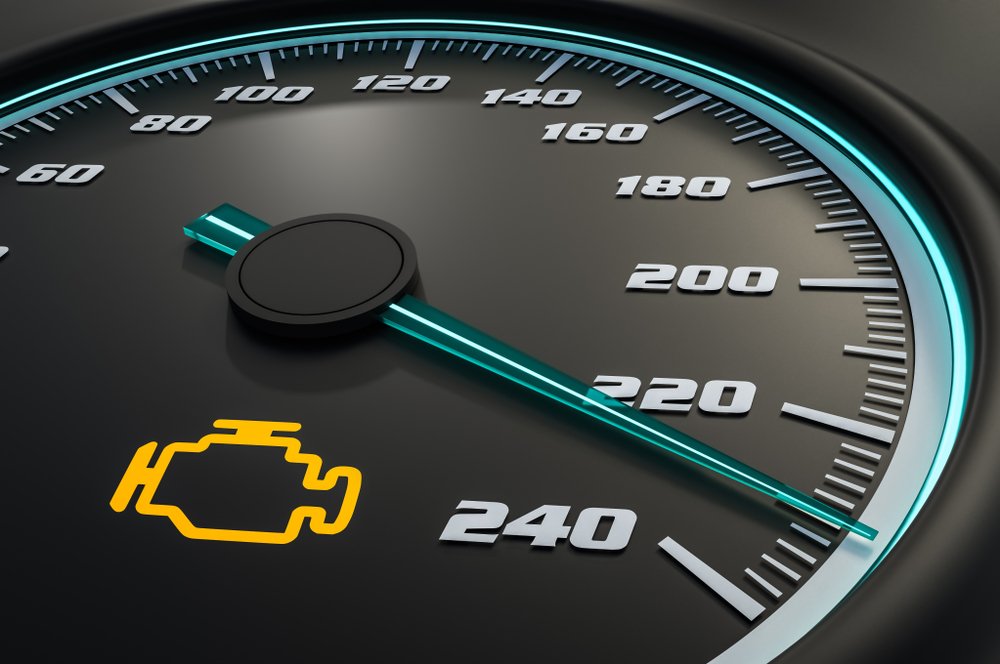
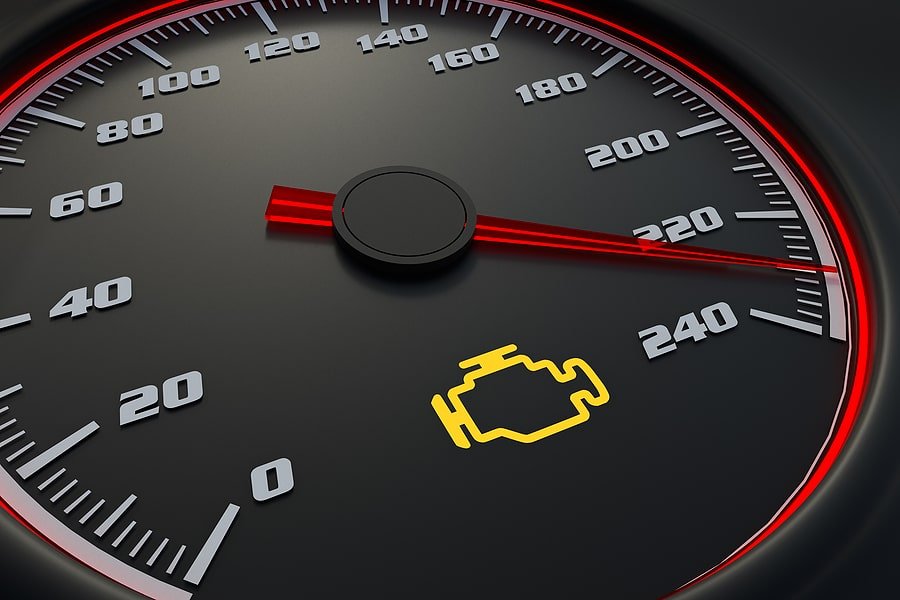
Every car owner knows the feeling: you’re driving along, and suddenly, that little check engine light glows on your dashboard. For some, it brings worry; for others, it’s just a minor inconvenience. But what does it actually mean? The truth is, the check engine light is your car’s way of saying, “Something needs your attention.” It could be as simple as a loose gas cap or as complex as a failing catalytic converter. Understanding common check engine light codes helps you respond quickly and avoid expensive repairs. In this article, you’ll discover what these codes mean, why they matter, and how to deal with them smartly—even if you’re not a car expert.
What Are Check Engine Light Codes?
Most modern cars use an OBD-II system (On-Board Diagnostics II). When something goes wrong, the car’s computer stores a trouble code. This code is a clue about what’s not working right. Mechanics use a scan tool to read these codes. Each code starts with a letter (like P for Powertrain) and a series of numbers. For example, P0300 means “Random/Multiple Cylinder Misfire Detected.”
But here’s a fact many people miss: not all codes mean the same thing for every car brand. Sometimes, a code points to a general problem, but the exact fix depends on your car’s make and model.
Why Understanding Check Engine Codes Matters
Knowing the meaning behind check engine codes can:
- Help you decide if you should keep driving or pull over
- Save you money by avoiding unnecessary repairs
- Prevent small issues from turning into big problems
Surprisingly, about 1 in 10 cars on the road have an active check engine light at any time, according to CarMD’s Vehicle Health Index. Many people ignore the light, but even minor issues can hurt fuel economy and damage your engine over time.
The Most Common Check Engine Light Codes
Let’s break down the codes you’re most likely to see. For each, you’ll find what it means, why it happens, symptoms to watch for, and tips for fixing it. This information is based on real-world repair data.
1. P0171: System Too Lean (bank 1)
This code means your engine’s air-fuel mixture is too lean—there’s too much air and not enough fuel.
Common causes:
- Vacuum leaks
- Dirty or faulty mass airflow sensor
- Weak fuel pump
Symptoms: Rough idle, poor acceleration, stalling.
Tip: Check for cracked vacuum hoses and clean the mass airflow sensor before replacing expensive parts.
2. P0300: Random/multiple Cylinder Misfire
This code is set when your engine’s cylinders misfire randomly.
Common causes:
- Worn spark plugs or ignition coils
- Faulty fuel injectors
- Vacuum leaks
Symptoms: Engine shaking, loss of power, increased emissions.
Tip: Change spark plugs as a first step; it’s affordable and often solves the problem.
3. P0420: Catalyst System Efficiency Below Threshold (bank 1)
Your car’s catalytic converter isn’t working as well as it should.
Common causes:
- Failing catalytic converter
- Oxygen sensor issues
- Exhaust leaks
Symptoms: Check engine light, possible drop in fuel efficiency.
Tip: Don’t rush to replace the catalytic converter. Test the oxygen sensors first—they’re cheaper and often the real cause.
4. P0455: Evaporative Emission System Leak Detected (gross Leak)
This code points to a large leak in the EVAP system, which controls fuel vapors.
Common causes:
- Loose or missing gas cap
- Cracked EVAP hoses
- Faulty purge valve
Symptoms: Usually, just the check engine light; sometimes, a fuel smell.
Tip: Tighten the gas cap and clear the code. If it comes back, check hoses for cracks.
5. P0442: Evaporative Emission System Leak Detected (small Leak)
Similar to P0455, but the leak is smaller.
Common causes:
- Slightly loose or damaged gas cap
- Small EVAP hose leaks
Symptoms: Check engine light, rarely anything else.
Tip: Even a tiny crack in a hose can trigger this code. A smoke test can help locate small leaks.
6. P0133: Oxygen Sensor Circuit Slow Response (bank 1, Sensor 1)
The oxygen sensor isn’t reacting quickly enough to changes in the exhaust.
Common causes:
- Aging oxygen sensor
- Contaminated sensor from oil or coolant leaks
Symptoms: Poor fuel economy, increased emissions, sometimes rough idle.
Tip: Replace the upstream oxygen sensor if it’s more than 100,000 miles old.
7. P0401: Exhaust Gas Recirculation (egr) Flow Insufficient
Your EGR system isn’t allowing enough exhaust gases back into the engine.
Common causes:
- Clogged EGR valve or passages
- Faulty EGR valve
Symptoms: Rough idle, increased NOx emissions, possible engine knocking.
Tip: Cleaning the EGR valve and passages often solves the problem—replacement is not always needed. According to the U.S. Environmental Protection Agency, vehicle emissions standards and onboard diagnostic systems are designed to identify problems that can increase pollution.
8. P0128: Coolant Thermostat (coolant Temperature Below Thermostat Regulating Temperature)
The engine isn’t warming up as it should.
Common causes:
- Stuck-open thermostat
- Low coolant level
- Faulty coolant temperature sensor
Symptoms: Poor heater performance, lower fuel efficiency.
Tip: Thermostat replacement is a straightforward DIY fix for many cars.
9. P0113: Intake Air Temperature Sensor 1 Circuit High Input
The sensor reads a temperature higher than expected.
Common causes:
- Disconnected or damaged sensor wiring
- Sensor failure
Symptoms: Hard starting, poor performance.
Tip: Check for loose connections before replacing the sensor.
10. P0141: Oxygen Sensor Heater Circuit Malfunction (bank 1, Sensor 2)
The heater element in the oxygen sensor is not working.
Common causes:
- Failed oxygen sensor heater
- Broken wiring or blown fuse
Symptoms: Longer time to reach normal running temperature, increased emissions.
Tip: This often appears in older cars. Check fuses and wiring before buying a new sensor.
Real-world Examples And Data
These codes aren’t just theory. In 2022, CarMD reported that the most common code in North America was P0420, followed by P0171 and P0455. About 7% of all check engine light issues are due to a loose gas cap, which can be fixed in seconds. The cost to repair these problems ranges from under $20 for a new gas cap to over $1,200 for a catalytic converter.
Here’s a quick comparison of repair costs for the top five codes:
| Code | Average Repair Cost (USD) | DIY Difficulty |
|---|---|---|
| P0171 | 120-400 | Medium |
| P0300 | 150-600 | Medium |
| P0420 | 900-1,500 | Hard |
| P0455 | 20-150 | Easy |
| P0442 | 50-200 | Medium |
Credit: bwperformance.com
How To Read And Clear Check Engine Codes
You don’t always need a mechanic to read check engine codes. Many auto parts stores will scan your car for free. You can also buy an OBD-II scanner for home use, costing as little as $20.
Steps to read codes:
- Plug the scanner into your car’s OBD-II port (usually under the dashboard).
- Turn the ignition to “On.”
- Read the codes on the scanner’s screen.
- Write down any codes you see.
Clearing codes is simple, but don’t just erase them without fixing the problem. The light will come back, and you could miss signs of a bigger issue.
Here’s a look at the pros and cons of using a home scanner versus going to a mechanic:
| Option | Pros | Cons |
|---|---|---|
| Home Scanner | Low cost, instant results, easy to use | May not show advanced codes, no expert advice |
| Mechanic | Expert diagnosis, access to full data | Cost, time, may upsell repairs |
Common Mistakes When Dealing With Check Engine Codes
Many car owners make these mistakes:
- Ignoring the light for weeks or months
- Replacing expensive parts before checking cheap fixes (like the gas cap)
- Clearing codes without understanding the cause
- Relying only on code readers and skipping a physical check
A key insight: Codes don’t tell you exactly what part to replace. They point to a system or area with a problem. For example, P0171 means “system too lean,” but the cause could be a vacuum leak, a sensor, or even a small exhaust leak.
When To Worry (and When Not To)
Not all check engine lights are urgent. If the light is steady, you can usually drive home or to a shop. If it’s flashing, stop the car as soon as it’s safe. A flashing light usually means a severe misfire, which can damage your catalytic converter and cost thousands to fix.
Here’s a quick guide:
| Light Status | What To Do |
|---|---|
| Steady | Drive gently, get checked soon |
| Flashing | Stop car, tow to mechanic |
| Comes & goes | Check for patterns, note weather/conditions |
Preventing Check Engine Light Problems
You can reduce the chance of seeing the check engine light by:
- Keeping up with regular maintenance (oil changes, air filter, spark plugs)
- Using quality fuel and parts
- Checking for vacuum leaks after hitting road debris
- Tightening your gas cap after every fill-up
Many people are surprised to learn that even a low-quality air filter or poor gasoline can trigger codes like P0171 or P0300.
Credit: www.fordofwestmemphis.com
Two Insights Beginners Miss
- Codes Are Clues, Not Answers: The code is your starting point, not the final diagnosis. Mechanics often use “live data” to see how sensors behave in real time, not just stored codes.
- Multiple Codes Can Be Related: Sometimes, fixing one problem clears other codes. For example, a faulty oxygen sensor can trigger both P0171 and P0420 at the same time.
When To See A Mechanic
If your car runs roughly, makes strange noises, or the check engine light flashes, get help right away. For simple codes (like a loose gas cap), you can often fix the issue yourself. If the light stays on after a quick fix, a professional should check for deeper problems.
For more details about OBD-II codes, the official Wikipedia page on On-board Diagnostics is a helpful resource.

Credit: www.bobmoore.com
Frequently Asked Questions
What Does A Flashing Check Engine Light Mean?
A flashing check engine light means your engine is misfiring badly. This can damage the catalytic converter quickly. Stop the car and call for help.
Can I Drive With The Check Engine Light On?
If the light is steady and the car runs normally, you can usually drive short distances. But get it checked as soon as possible. If it’s flashing or the car runs poorly, stop driving.
How Do I Reset The Check Engine Light?
You can reset the light with an OBD-II scanner. But unless you fix the problem, the light will return. Don’t just clear codes without repairs.
What Is The Most Common Reason For A Check Engine Light?
The most common reason is a loose or faulty gas cap. This simple fix can save you time and money.
Can Low-quality Fuel Cause Check Engine Codes?
Yes, bad fuel can cause misfires or oxygen sensor problems, setting codes like P0300 and P0171. Use quality fuel to avoid these issues.
The check engine light doesn’t have to be a mystery or a wallet-drainer. By understanding the most common codes and what they mean, you’ll be ready to take smart action and keep your car running smoothly.