
If you owe more on your car loan than your vehicle is worth, you’re not alone. Many car owners find themselves in this situation, known as negative equity or being “upside down” on a car loan. This can feel worrying, especially if you want to sell or trade your car, or if you’re facing financial stress. The good news? There are clear steps you can take to handle a negative equity car loan, protect your finances, and move forward with confidence.
Let’s explore what negative equity really means, why it happens, and what you can do right now to turn things around.
What Is Negative Equity On A Car Loan?
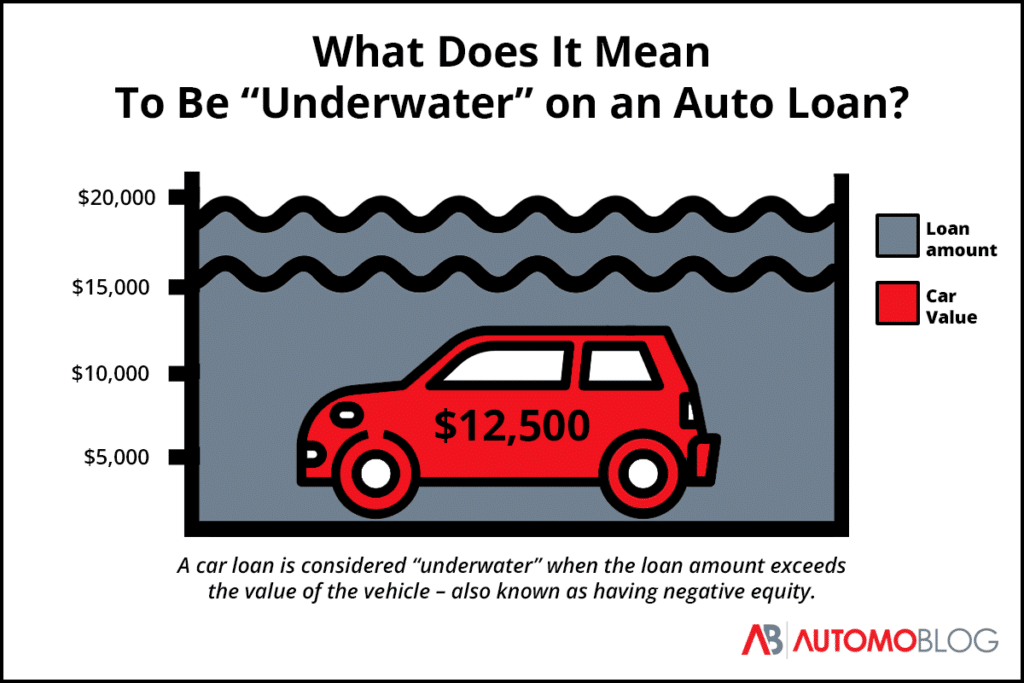
Negative equity happens when your car’s market value is less than the amount you still owe on your loan. For example, if your car is worth $12,000 but your loan balance is $15,000, you have $3,000 in negative equity.
This situation is common, especially during the first years of a car loan. Cars lose value quickly—a new car can drop 20% to 30% in value in just the first year.
Why Does Negative Equity Happen?
- Fast depreciation: New cars lose value quickly.
- Low down payment or zero down: If you didn’t pay much up front, you start the loan owing almost the full car price.
- Long loan terms: Loans of 6 or 7 years mean you pay off the balance slowly.
- High interest rates: More of your early payments go to interest, not the principal.
- Rolling over old debt: If you added money from a previous car loan, your loan balance is higher than your car’s value from the start.
How To Know If You Have Negative Equity
It’s important to check if you’re upside down, even if you’re not planning to sell yet.
- Find your loan payoff amount. This is not always the same as your current balance—ask your lender for an exact payoff quote.
- Check your car’s value. Use trusted sites like Kelley Blue Book or Edmunds for an estimate.
- Subtract the car’s value from your payoff amount. If the result is positive, that’s your negative equity.
Example:
Loan Payoff: $17,500
Estimated Car Value: $14,000
Negative Equity: $3,500
Why Negative Equity Is A Problem
Being upside down can cause real challenges:
- Selling or trading: You may have to pay extra to get out of the loan.
- Accidents/theft: If your car is totaled, insurance pays the car’s value, but you still owe the full loan.
- Refinancing limits: Lenders may not refinance a loan with high negative equity.
- Financial stress: High monthly payments for a car that’s worth less than you owe.
What To Do If You Have A Negative Equity Car Loan
Negative equity is stressful, but you have options. Here’s how to handle it step by step.
1. Keep Your Car And Pay Down The Loan
If you can, the best option is to keep your car, make payments, and wait until you’re no longer upside down.
- Make extra payments: Even small extra amounts go directly to the principal.
- Round up payments: For example, pay $400 instead of $350.
- Use windfalls: Tax refunds or work bonuses can make a big impact.
Why This Works:
Cars lose value fastest early on, but your loan balance drops every month. Eventually, the numbers cross.
2. Refinance For A Better Rate Or Term
If your credit has improved, or interest rates are lower, refinancing can help:
- Lower your interest rate, so more of each payment goes to principal.
- Shorten your loan term, so you pay off the car faster.
But beware: Some lenders won’t refinance if you have high negative equity. Shop around and compare offers.
3. Make A Larger Down Payment On Your Next Car
If you must replace your car, plan to cover the negative equity out of pocket, if you can. This keeps your new loan from starting upside down.
- Sell the car privately: You may get more than a dealer trade-in.
- Bring cash: Use savings to cover the gap.
4. Roll Over Negative Equity—with Caution
Dealers may offer to “roll over” your negative equity into a new loan. This means your new loan will include both the cost of your new car and your old unpaid balance.
Warning: This makes your new loan bigger, your payments higher, and can trap you in a cycle of negative equity.
5. Sell The Car Yourself
Selling privately often gets you more money than trading in at a dealer. This can reduce or even eliminate your negative equity.
- Clean and repair your car to get the best price.
- Compare offers from online car buyers.
6. Consider Gap Insurance
If you still owe more than your car is worth, GAP insurance (Guaranteed Asset Protection) can help. If your car is totaled, GAP pays the difference between what insurance covers and what you owe.
This doesn’t remove negative equity, but it does protect you from extra debt in case of an accident.
7. Talk To Your Lender
If you’re struggling with payments, contact your lender early. They may offer:
- Payment deferral
- Loan modification
- Other hardship options
Lenders may help you avoid default, which hurts your credit.
8. Trade Down To A Cheaper Car
If you can sell your car and buy a less expensive one, you may be able to roll over a smaller balance or even pay it off.
- Look for reliable used cars.
- Calculate the total cost, including the remaining loan balance.
9. Avoid Adding More Debt
Don’t add extended warranties, service contracts, or unnecessary extras to your new loan. These increase your risk of negative equity.
10. Wait It Out If Possible
If you’re not in a hurry, time is on your side. As you make payments and your car’s value drops more slowly, you’ll eventually break even.
11. Check Your Car’s Value Regularly
Car values can change quickly, especially after major accidents, recalls, or during high inflation periods. Stay informed so you know where you stand.
12. Protect Your Credit
Missing payments hurts your credit score. If you’re in trouble, ask for help before you fall behind.
Credit: www.greenbushfinancial.com
Real-world Example
Let’s look at a comparison of two common negative equity situations:
| Scenario | Loan Balance | Car Value | Negative Equity | Best Action |
|---|---|---|---|---|
| Regular Payments | $16,000 | $14,000 | $2,000 | Keep car, pay down loan |
| Trade-In Offer | $17,500 | $14,000 | $3,500 | Sell privately, use savings to cover gap |
Key Factors That Affect Negative Equity
Understanding what influences negative equity helps you avoid it in the future.
| Factor | How It Affects Negative Equity | Tip |
|---|---|---|
| Loan Term Length | Long terms keep you upside down longer | Choose the shortest term you can afford |
| Down Payment | Low/no down payment increases risk | Put at least 20% down, if possible |
| Car Depreciation Rate | Some cars lose value faster | Research car models before buying |
| Interest Rate | High rates slow principal paydown | Shop for the lowest rate |
Credit: www.experian.com
Common Mistakes To Avoid
- Rolling over debt repeatedly: This keeps you upside down and increases total interest.
- Ignoring loan terms: Long loans may seem affordable but cost more over time.
- Skipping research: Not knowing your car’s value or loan details can cost you hundreds or thousands.
- Trading in too early: Waiting even six months can reduce negative equity.
- Not reading the fine print: Some loans have prepayment penalties.
Two Insights Most People Miss
- Selling privately can close the gap: Many owners settle for low dealer trade-in offers without realizing a private sale often brings in $1,000 or more extra, greatly reducing negative equity.
- Small extra payments matter: Even rounding up your monthly payment by $25 or $50 can cut months off your loan and save you from being upside down for as long.
How To Prevent Negative Equity In The Future
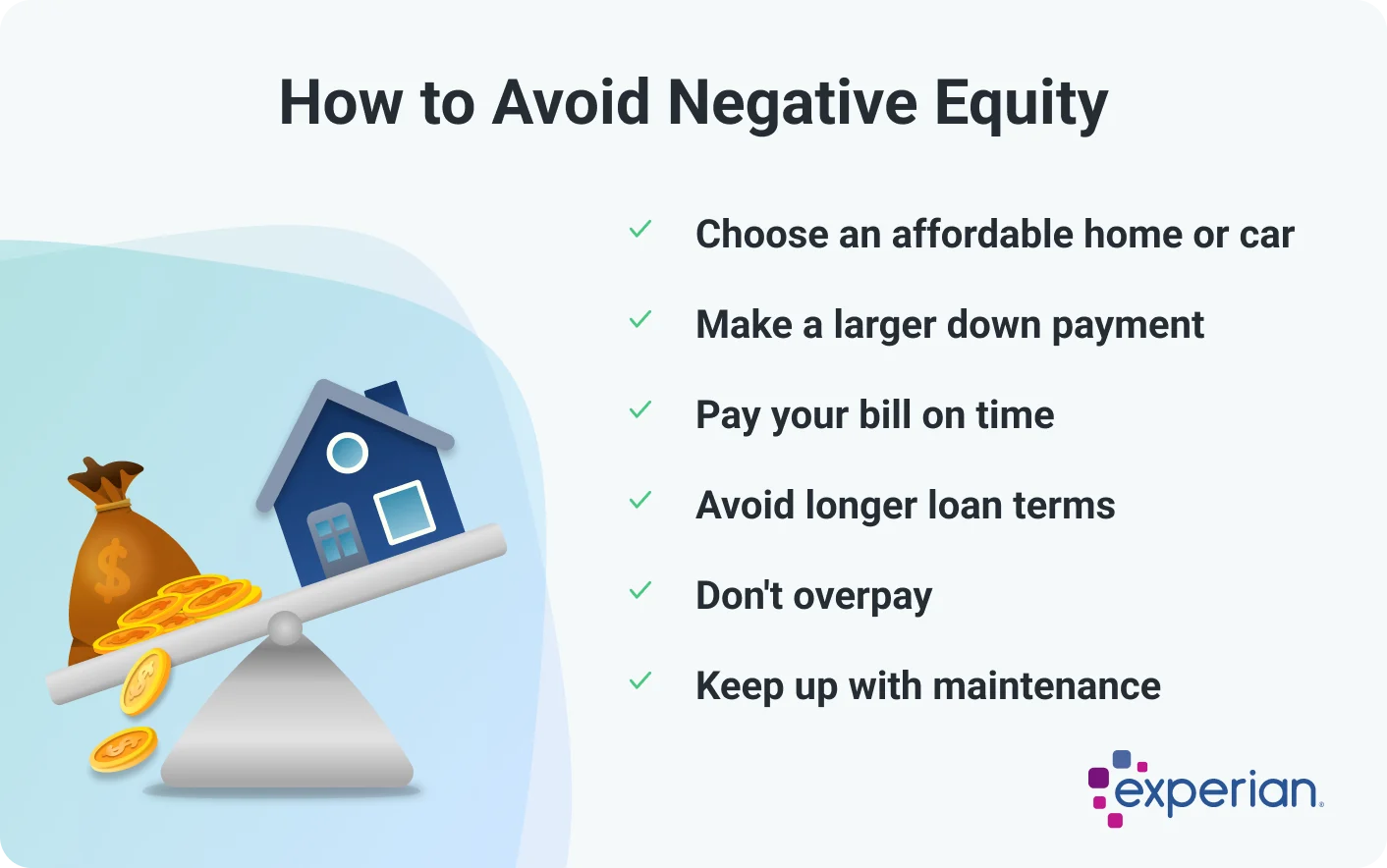
- Buy used: A 2-3 year-old car has already taken the biggest depreciation hit.
- Research depreciation rates: Some brands hold value better. Check historical data before buying.
- Make a bigger down payment: Aim for 20% or more.
- Choose shorter loans: 36-48 months is usually safer.
- Don’t finance add-ons: Pay cash for extras, or skip them.
When Is It Ok To Trade With Negative Equity?
Sometimes, trading in with negative equity is the right choice. For example:
- Your car needs expensive repairs you can’t afford.
- You must downsize because of financial hardship.
- You have a reliable plan to cover the negative equity.
Always compare all costs and options before making a decision.
Credit: www.automoblog.com
Resources For Help
If you need more help, consider:
- Nonprofit credit counseling agencies
- Online calculators for loan and car value
- Trusted automotive advice sites, such as Consumer Reports
Frequently Asked Questions
What Is Negative Equity On A Car Loan?
Negative equity means you owe more on your car loan than your car is currently worth. For example, if you owe $15,000 but your car is worth $12,000, you have $3,000 in negative equity.
Can I Sell My Car If I Have Negative Equity?
Yes, you can sell your car, but you’ll need to pay the lender the difference between your loan balance and the sale price. This often means bringing cash to cover the gap.
Does Refinancing Help If I Have Negative Equity?
Refinancing can help if you qualify for a lower interest rate or shorter term. This lets you pay off the loan faster and reduce interest, but not all lenders allow refinancing with negative equity.
What Happens If My Car Is Totaled And I Have Negative Equity?
If your car is totaled, your insurance only pays the car’s value. You’re still responsible for the loan balance. GAP insurance can cover the difference, so you’re not stuck with extra debt.
How Can I Avoid Negative Equity Next Time?
Make a bigger down payment, choose a shorter loan term, and research cars with slow depreciation. Buying used and avoiding add-ons also reduce your risk.
Negative equity is challenging, but with the right steps, you can protect your finances and plan for a better future. Stay informed, act early, and don’t hesitate to ask for expert help if you need it.