
If your car’s check engine light comes on and you see the code P0106, it’s normal to feel worried or confused. This code points to a problem with your car’s MAP sensor (Manifold Absolute Pressure sensor). The MAP sensor helps the engine computer estimate engine load, so a bad reading can cause rough running, poor fuel economy, hesitation, or stalling. This guide explains the likely causes, checks, and repair paths. For related fault-code context, see our OBD2 codes list, and use OBD2 live data when comparing sensor readings during diagnosis.
What Is The P0106 Map Sensor Code?
The P0106 code is a trouble code stored by your car’s computer (ECU) when it senses that the MAP sensor’s readings are outside the expected range. In simple words, your car is saying, “The pressure readings from the engine don’t match what I expect.”
The MAP sensor measures the air pressure inside the intake manifold. This helps the engine computer decide how much fuel to send and when to ignite it. If the sensor gives wrong or strange readings, the computer can’t make the right choices.
That’s why this code matters.
What Does The Code Description Mean?
- P0106 stands for: Manifold Absolute Pressure/BARO Sensor Range/Performance Problem
- “Range/Performance” means the sensor reading is either too high, too low, or changes too much under normal conditions.
- The sensor is not always bad. Sometimes, other engine problems can cause the sensor to act strangely.
Where Is The Map Sensor Located?
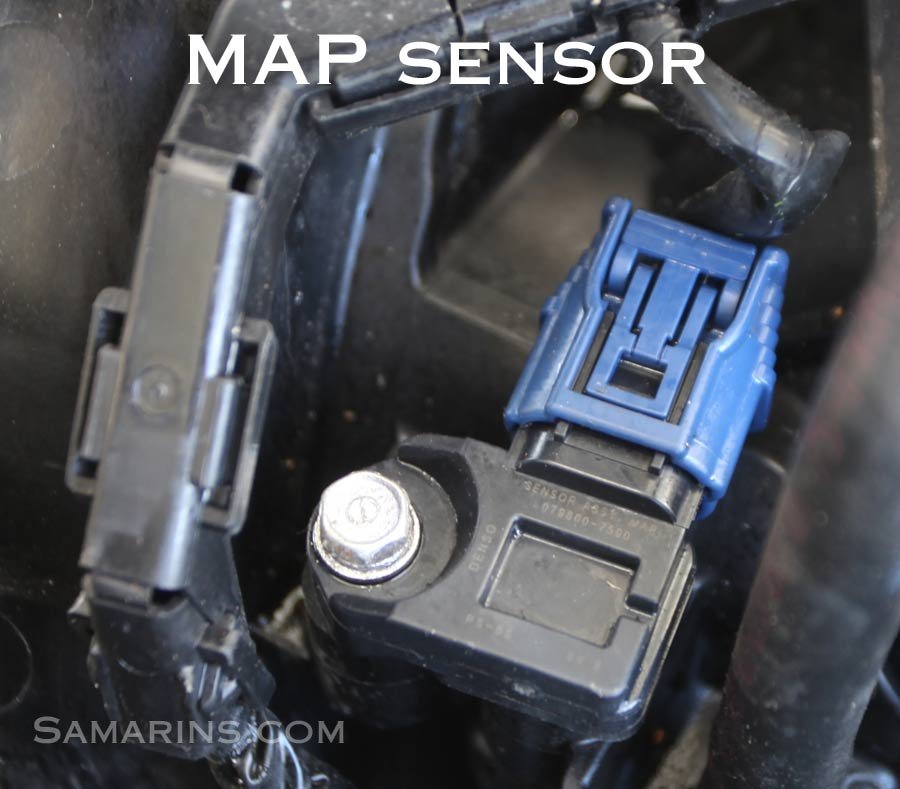
The MAP sensor is usually found on or near the intake manifold. In most cars, it’s a small plastic or metal piece with a plug (electrical connector) and sometimes a small vacuum hose. Its exact location will depend on your car model and engine.
Why Is The Map Sensor Important?
You might wonder, “Why does my car care so much about this sensor?” Here’s why:
- The MAP sensor tells the engine how much air is entering. This helps with the right fuel mix for burning.
- If the sensor is wrong, the engine may run too “rich” (too much fuel) or “lean” (too little fuel).
- It affects your car’s power, fuel efficiency, and emissions.
- Some cars use a MAP sensor instead of a MAF (Mass Airflow) sensor, while others use both.
Common Causes Of The P0106 Code
Getting the P0106 code doesn’t always mean the sensor itself is bad. Many things can trigger it. Here are the most common causes:
- Faulty MAP Sensor
- The sensor can wear out over time, get damaged by heat, or become contaminated with oil or dirt.
- Wiring Problems
- Damaged, loose, or corroded wires and connectors can interrupt the signal between the sensor and the car’s computer.
- Vacuum Leaks
- Leaks in hoses or gaskets near the intake manifold can cause wrong pressure readings.
- Blocked or Dirty MAP Sensor Port
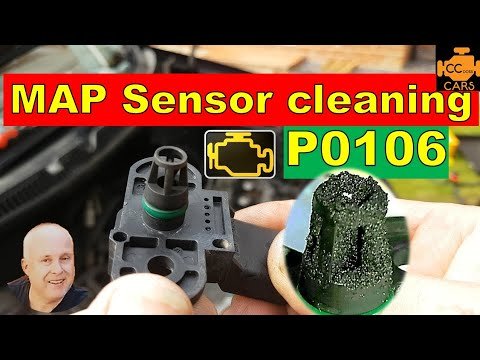
- Dirt, oil, or carbon can clog the sensor’s opening, making it slow or inaccurate.
- Engine Issues
- Backfires, worn piston rings, or faulty valves can cause pressure in the manifold to change unexpectedly.
- ECU Problems
- Rarely, the engine computer itself has a problem reading the signal.
Causes That Are Easy To Miss
- Aftermarket Modifications: Installing performance parts (like a new air intake) can change air flow and pressure, confusing the sensor.
- Battery or Charging Issues: Low voltage or charging problems can cause the sensor to behave strangely, even if the sensor is fine.
Symptoms Of A Bad Map Sensor (or P0106 Code)
The P0106 code often comes with some clear signs. If you notice these, it’s a good idea to act quickly:
- Check Engine Light: This is often the first clue. The light may stay on or flash.
- Rough Idle: The engine may shake or sound uneven when running.
- Poor Fuel Economy: You may notice you’re using more gas than usual.
- Engine Hesitation or Stalling: The car may hesitate when you press the gas or may even stall.
- Hard Starting: The engine may take longer to start or may not start at all.
- Black Smoke from the Exhaust: If the engine is running too rich, you might see dark smoke.
What If You Ignore It?
Driving with a P0106 code for a short time probably won’t destroy your engine, but it can lead to:
- Increased fuel costs
- Higher emissions (bad for the environment)
- Engine misfires or damage over time
- Failed emissions tests
Credit: www.samarins.com
How Mechanics Diagnose The P0106 Code
A professional mechanic follows several steps to find the root cause. You can do some of these checks yourself with basic tools.
Step-by-step Diagnosis
- Scan for Codes
- Use an OBD-II scanner to confirm the P0106 code and check for other related codes (like P0107 or P0108).
- Visual Inspection
- Look for damaged wires, loose connectors, or vacuum hoses that are cracked or disconnected.
- Check Sensor Voltage
- With a multimeter, measure the voltage at the MAP sensor. Compare it to your car’s specs. The voltage should change smoothly as you rev the engine.
- Test the Vacuum
- Use a hand-held vacuum pump to apply vacuum to the sensor. See if the readings change as expected.
- Look for Vacuum Leaks
- Spray a little carb cleaner or soapy water near intake hoses and gaskets. If engine speed changes, you may have found a leak.
- Check the Sensor Port
- Remove the sensor and inspect its port. Clean out any dirt, oil, or debris.
- Test with a Known Good Sensor
- If you have access, swap in a working MAP sensor to see if the problem goes away.
Common Mistakes During Diagnosis
- Replacing the MAP sensor too quickly, without checking wiring or vacuum leaks first.
- Ignoring codes that appear with P0106; sometimes the real issue is somewhere else.
- Not cleaning the sensor port, which can be a simple fix.
How To Fix The P0106 Code
Once you know what’s causing the code, you can choose the right repair. Here are common fixes, from easiest to most complex:
- Clear the Code and Test Drive
- Sometimes, the code appears from a one-time event (like a battery swap). Clear the code and see if it returns.
- Repair Wiring or Connectors
- Fix or replace damaged wires and clean electrical connectors.
- Fix Vacuum Leaks
- Replace cracked or loose hoses. Tighten clamps or replace gaskets as needed.
- Clean the MAP Sensor and Port
- Use electronic cleaner to gently clean the sensor and its opening.
- Replace the MAP Sensor
- If the sensor fails tests or cleaning doesn’t help, install a new one. Make sure it matches your vehicle’s specifications.
- Check the ECU
- If all else fails and you suspect the engine computer, get it checked by a professional.
How Much Does It Cost To Fix?
- Cleaning or simple repairs: $0–$50 (if you do it yourself)
- New MAP sensor: $40–$200 (depending on your car)
- Professional diagnosis: $80–$150 per hour (labor)
- Complex repairs (wiring, ECU): Can be more expensive
Diy Or Mechanic?
Many people can clean a MAP sensor, replace a vacuum hose, or swap the sensor themselves with basic tools. However, if you’re not comfortable with car repairs or the problem keeps coming back, it’s wise to visit a qualified mechanic. According to the U.S. Environmental Protection Agency, vehicle emissions standards and onboard diagnostic systems are designed to identify problems that can increase pollution.
Credit: www.youtube.com
Preventing Map Sensor Problems
While some sensor failures can’t be avoided, you can lower your risk with these tips:
- Regular Maintenance: Change your air filter and engine oil on time. Dirty filters can let debris reach the sensor.
- Use Quality Parts: Cheap sensors or connectors are more likely to fail.
- Keep Engine Bay Clean: Wipe away oil leaks and clean around the intake manifold.
- Check Hoses: Inspect vacuum hoses every oil change for cracks or wear.
- Watch for Warning Signs: If your car starts running rough or uses more gas, check for codes early.
Bonus Tip: Battery Health
A weak battery or poor charging system can cause strange sensor readings, especially in modern cars. Test your battery and alternator regularly.
Frequently Asked Questions
Can I Drive With A P0106 Code?
You can drive short distances, but it’s better to fix the problem soon. If your car stalls or runs poorly, get repairs right away to avoid being stranded.
Is The Map Sensor The Same As The Maf Sensor?
No, they are different sensors. The MAP sensor measures air pressure inside the manifold; the MAF sensor measures the amount of air entering the engine. Some cars have both, some only one.
How Do I Know If The Sensor Is Bad Or If It’s A Wiring Problem?
Check the wiring and connectors for obvious damage. Use a multimeter to check voltage. If wiring is good and cleaning doesn’t help, the sensor is likely bad.
Will Replacing The Map Sensor Reset The Code?
Not always. After replacing the sensor, clear the code with a scanner. If you don’t, the light may stay on until the computer checks the system again.
Can A Bad Map Sensor Damage My Engine?
If ignored for a long time, yes. Running with a bad sensor can cause the engine to run rich, leading to fouled spark plugs, clogged catalytic converter, or even internal engine damage.
Where Can I Learn More?
For emissions and onboard diagnostic background, see the U.S. Environmental Protection Agency vehicle emissions testing information. For the exact P0106 diagnostic tree, use the service manual for your vehicle’s year, make, model, and engine.
Credit: www.foxwelldiag.com
Final Thoughts
The P0106 MAP Sensor Code is common, and many drivers face it at least once. While it can be annoying, fixing it is often simple and affordable. Start by checking wiring, vacuum hoses, and cleaning the sensor. Only replace the sensor if you’re sure it’s faulty. Don’t ignore the warning signs—your car will thank you with smoother running, better gas mileage, and fewer repair bills down the road.
With a little patience and careful checking, you can solve this issue and get back on the road with confidence. If you ever feel unsure, don’t hesitate to ask a professional for help. Remember, small problems are always easier to fix early!