
When you see the check engine light in your car, it can cause stress and confusion. One common code that drivers often face is P0171 System Too Lean. This code is not just a random number—it tells you that your engine is getting too much air and not enough fuel. If ignored, this issue can reduce your car’s performance and even damage the engine over time.
Understanding why the P0171 code appears, what it means for your car, and how to fix it can save you money and prevent bigger problems later. In this article, you’ll learn everything you need to know about P0171, from common causes and symptoms to repair steps and prevention tips.
This guide is designed for everyone, even if you are not a car expert.
What Does P0171 System Too Lean Mean?
The code P0171 is an OBD-II trouble code. It means the engine control module (ECM) has detected that the air-fuel mixture is too lean on Bank 1. In simple words, there is too much air and too little fuel in the engine. “Bank 1” refers to the side of the engine with cylinder number one.
A lean mixture can cause the engine to run hotter, leading to misfires or even engine damage if not fixed. The ECM uses data from oxygen sensors to monitor the exhaust and adjusts the fuel supply. If it cannot add enough fuel to balance the air, it triggers the P0171 code.
Common Symptoms Of P0171 Code
Recognizing symptoms early can help you take action before things get worse. Here are the most common signs:
- Check Engine Light – The most obvious symptom. When the P0171 code is set, the light appears on your dashboard.
- Rough Idle – The engine may shake, vibrate, or feel unstable when you stop.
- Engine Hesitation – You may notice slower acceleration, especially when you press the gas pedal.
- Poor Fuel Economy – Your car may use more fuel than usual, even though the code says it’s “too lean.”
- Misfires – The engine may misfire, especially when starting or under load.
- Hard Starting – The car may take longer to start, or you may need to try more than once.
- Stalling – In severe cases, the engine may stall when you stop or when idling.
Not all cars will show all these symptoms. Sometimes, you may only see the check engine light.
What Causes The P0171 Code?
Several issues can lead to a System Too Lean condition. Some are simple, others require expert help. The most common causes include:
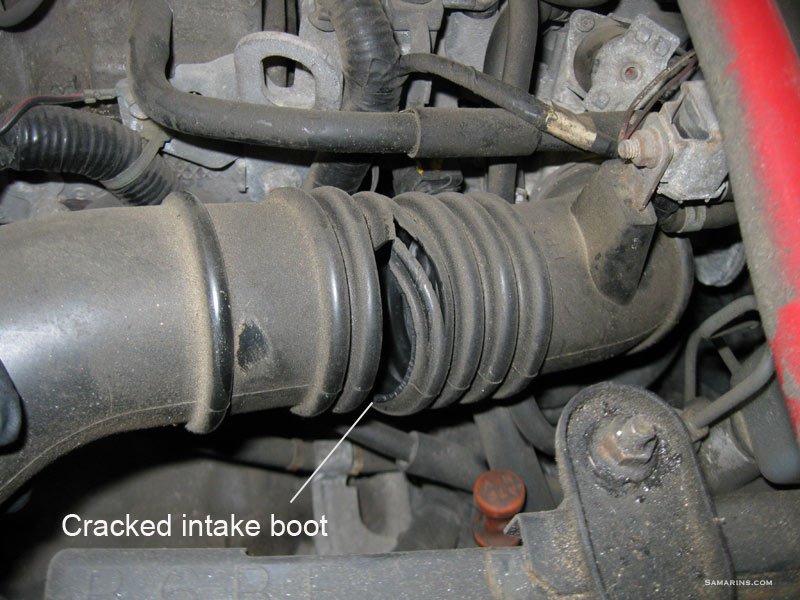
- Vacuum Leaks: Extra air enters the engine from broken hoses, gaskets, or the intake manifold.
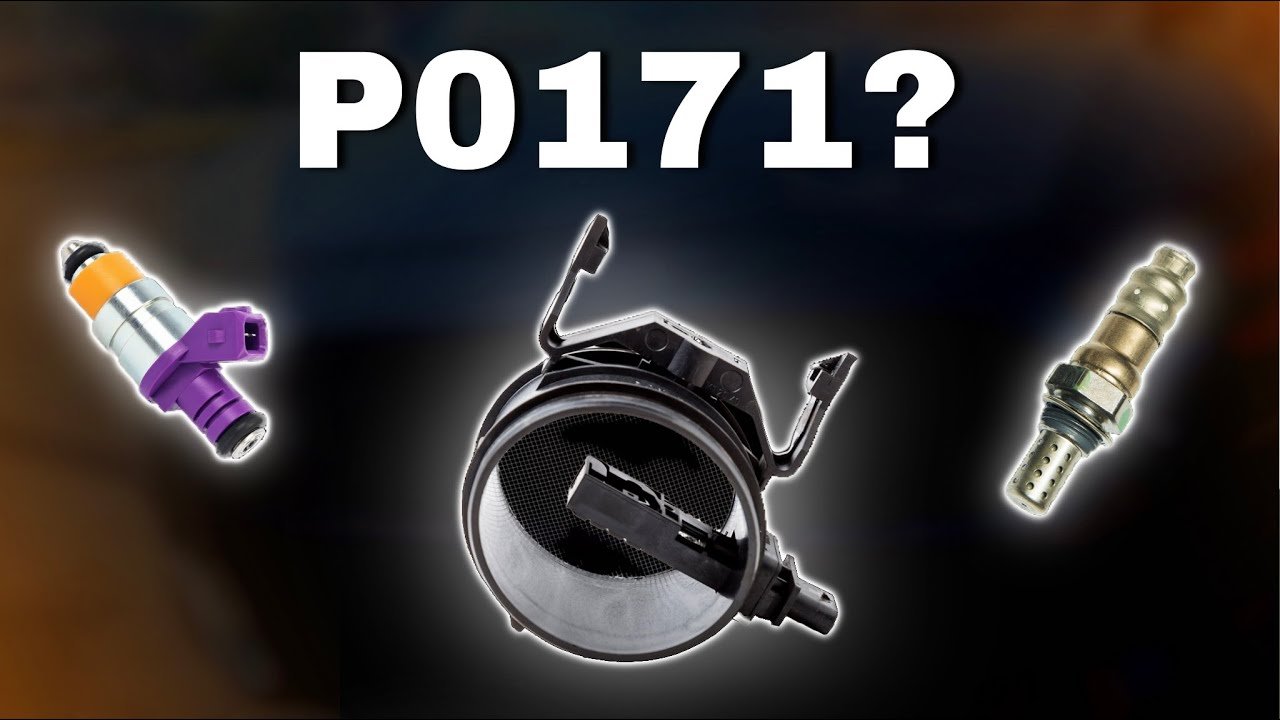
- Faulty Mass Airflow Sensor (MAF): If the MAF sensor is dirty or failing, it gives wrong air measurement data.
- Clogged Fuel Injectors: Blocked injectors cannot deliver enough fuel.
- Weak Fuel Pump: If the pump is not working well, fuel pressure drops and less fuel reaches the engine.
- Dirty or Faulty Oxygen Sensor (O2): If the sensor gives false readings, the ECM cannot balance the mixture.
- Exhaust Leaks: Air entering the exhaust before the O2 sensor can cause a lean reading.
- Bad Fuel Pressure Regulator: If it’s stuck or leaking, fuel supply is reduced.
- PCV System Problems: A stuck open PCV valve lets in extra air.
Let’s look at how these causes compare:
| Cause | Effect on Engine | Repair Difficulty |
|---|---|---|
| Vacuum Leak | Extra air, lean mixture | Easy to Moderate |
| MAF Sensor Fault | Wrong air data | Easy |
| Clogged Injectors | Low fuel delivery | Moderate |
| Weak Fuel Pump | Low pressure | Hard |
| O2 Sensor Fault | Wrong exhaust data | Easy to Moderate |
| Exhaust Leak | False O2 readings | Moderate |
| PCV Problem | Extra air in intake | Easy |
Diagnosing The P0171 Code
Fixing the code starts with good diagnosis. Here’s how to find the real cause:
- Scan for Codes – Use an OBD-II scanner to confirm the P0171 code and check for other related codes.
- Inspect for Vacuum Leaks – Listen for hissing sounds, check hoses and gaskets, and use a smoke machine if available.
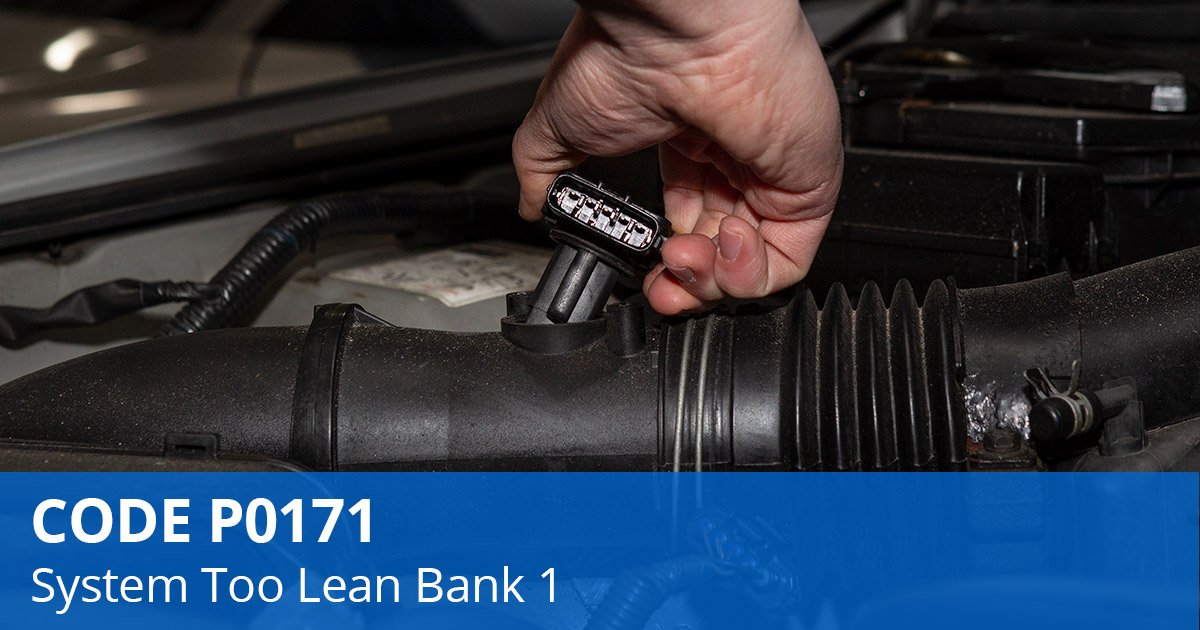
- Check Mass Airflow Sensor – Remove and inspect the MAF sensor. If dirty, clean it with special cleaner (do not touch sensor wires).
- Test Fuel Pressure – Use a fuel pressure gauge to check if the pump and regulator are working.
- Inspect Fuel Injectors – Look for signs of clogging or leaks.
- Check Oxygen Sensors – See if the sensors are old or covered with soot.
- Examine PCV Valve – Make sure it is not stuck open or broken.
- Look for Exhaust Leaks – Check the exhaust manifold and pipes for small leaks.
Here’s a quick comparison of diagnostic steps and tools:
| Step | Main Tool Needed | Time Needed |
|---|---|---|
| Scan for Codes | OBD-II Scanner | 5-10 min |
| Vacuum Leak Test | Smoke Machine/Ear | 10-30 min |
| MAF Sensor Check | Cleaner/Screwdriver | 10-20 min |
| Fuel Pressure Test | Pressure Gauge | 10-15 min |
Credit: www.youtube.com
Step-by-step Repair Guide
If you are confident with car repairs, you can try these steps. If not, ask a mechanic for help.
1. Fix Vacuum Leaks
Check all hoses connected to the intake manifold. Replace any that look cracked or loose. Gaskets around the throttle body and intake manifold should be tight and not leaking.
2. Clean Or Replace Maf Sensor
Carefully remove the MAF sensor. Use MAF sensor cleaner (not regular cleaner) to spray the sensor wires. Let it dry, then reinstall. If cleaning does not help, replace the sensor.
3. Inspect And Replace Oxygen Sensor
If the O2 sensor is old (over 100,000 miles) or covered in soot, replace it. Always use the correct sensor for your car model.
4. Test And Replace Fuel Pump Or Regulator
Use a fuel pressure gauge to test the fuel system. If pressure is too low, the pump or regulator may need to be replaced.
5. Clean Or Replace Fuel Injectors
Remove the injectors and clean them with fuel injector cleaner. If they are badly clogged, new injectors may be needed.
6. Check And Replace Pcv Valve
Find the PCV valve (usually on top of the engine). If it rattles loosely or is stuck open, replace it.
7. Seal Exhaust Leaks
Check for small leaks in the exhaust system before the first oxygen sensor. Fix any leaks with new gaskets or clamps.
Preventing Future P0171 Codes
Prevention is always better than repair. Here’s how to reduce the risk of seeing the P0171 code again:
- Use high-quality fuel and keep the fuel tank clean.
- Change your air filter regularly to prevent dust from reaching the engine.
- Clean the MAF sensor every 30,000 miles.
- Replace PCV valves as part of regular maintenance.
- Fix small leaks in vacuum hoses before they become big problems.
- Have your car’s fuel system checked every year, especially for older vehicles.
Many drivers forget that even small air leaks can trigger a lean code. Another overlooked tip: never use regular brake cleaner or compressed air on a MAF sensor—these can damage it and make the problem worse.
Credit: blog.1aauto.com
Real-world Example
A 2012 Toyota Camry owner saw the check engine light and noticed rough idling and poor fuel economy. The OBD-II scan showed the P0171 code. The mechanic found a cracked vacuum hose near the intake manifold. After replacing the hose, the code disappeared and the car ran smoothly again. According to the U.S. Environmental Protection Agency, vehicle emissions standards and onboard diagnostic systems are designed to identify problems that can increase pollution.
This example shows that sometimes, a simple fix can solve the problem, but you must check all possible causes.
When To Seek Professional Help
While many causes of P0171 can be fixed at home, some require special tools or skills:
- If you cannot find the leak or fault after checking common parts.
- If fuel pressure is low but you are not sure how to replace the fuel pump.
- If you see other codes (like P0174 or P0300) with P0171.
Professional mechanics have smoke machines, diagnostic computers, and experience to find hidden problems quickly. Do not hesitate to ask for help if you feel unsure.
Cost Of Repair
The cost depends on the part causing the issue. Here’s a rough estimate:
- Replacing a vacuum hose: $20–$100
- Cleaning MAF sensor: $10–$25 for cleaner, plus time
- New MAF sensor: $80–$300
- Oxygen sensor replacement: $100–$250
- Fuel injector cleaning: $50–$100
- New fuel pump: $300–$800
Labor costs can add to these prices if you use a repair shop.
The Long-term Risks Of Ignoring P0171
If you ignore the P0171 code, the engine may run hotter and suffer from more wear. In the long run, you may see:
- Damaged pistons or valves
- Complete engine failure
- Worsening fuel economy and higher repair bills
A lean running engine is not just a small problem—it can destroy your engine if not fixed.
Additional Tips And Insights
- Scan for Codes Regularly: Even if the check engine light is off, regular scans can catch issues early.
- Record Repairs and Maintenance: Keeping a simple log helps you see patterns and spot repeat issues.
- Beware of Aftermarket Parts: Cheap sensors or hoses may not fit well and can create new problems.
- Check for Related Codes: Sometimes P0171 appears with P0174 (lean on Bank 2). Fixing one side often means checking both.
Most beginners miss the fact that a dirty air filter or a small exhaust leak can trigger the P0171 code. Always check simple things first before replacing expensive parts.
Frequently Asked Questions
What Does “system Too Lean” Really Mean For My Car?
A “system too lean” message means your engine is getting more air than fuel. The balance is off, making the engine run hotter and less efficient. It is not safe to ignore this warning.
Can I Drive With The P0171 Code?
You can drive short distances, but it is not recommended for long trips. The engine may misfire or stall, and long-term driving like this can cause major damage.
How Do I Clear The P0171 Code?
After fixing the problem, use an OBD-II scanner to clear the code. If the issue is solved, the light will stay off. If not, the code will return.
Will Bad Gasoline Cause A P0171 Code?
Bad gasoline is not a common cause, but if it clogs injectors or damages the fuel pump, it can create lean conditions. Always use fuel from trusted stations.
Where Can I Find More Technical Details About The P0171 Code?
For deeper technical information, you can read the article at Wikipedia.
Fixing the P0171 System Too Lean code may seem hard at first, but with careful steps and good information, you can solve the problem and keep your car running smoothly for years to come. Don’t ignore warning signs—your engine’s health depends on quick action and proper care.
Credit: www.samarins.com