
When your car’s dashboard suddenly flashes the P0306 code, it’s a sign you should not ignore. This code points directly to a cylinder 6 misfire, which can affect your engine’s performance, fuel efficiency, and even cause long-term damage if left unchecked. Many drivers feel overwhelmed when they see this code, but understanding what it means and how to respond can save you money and stress.
The world of engine diagnostics can look complicated, but with a little guidance, you can make smart decisions. In this guide, you’ll learn what the P0306 code means, why it appears, the symptoms you should watch for, and how to fix the problem.
Whether you’re a hands-on car owner or just want to understand your mechanic’s recommendations, this article will make things clear and practical.
What Does The P0306 Code Mean?
The code P0306 is a generic OBD-II trouble code. It tells you that the engine’s computer has detected a misfire in cylinder number 6. A misfire means that the air and fuel inside that cylinder did not ignite and burn as expected. This can lead to rough engine running, less power, and higher emissions.
Each cylinder in your engine has a number. Cylinder 6 is usually the last cylinder in a V6 engine, but always check your car’s repair manual to know the correct location for your model.
Why Cylinder 6 Misfires Happen
A misfire in cylinder 6 can have many causes. Here are the most common ones:
- Ignition system problems: Faulty spark plugs, ignition coils, or wires.
- Fuel system issues: Clogged fuel injectors or weak fuel pressure.
- Mechanical engine faults: Worn valves, piston rings, or timing chain/belt problems.
- Vacuum leaks: Air entering the engine where it shouldn’t.
- Sensor failures: Bad camshaft or crankshaft position sensors.
- Wiring or connector issues: Broken or loose connections near cylinder 6.
Sometimes, it’s even a mix of these things.

Credit: www.swedespeed.com
Symptoms Of A P0306 Cylinder 6 Misfire
When cylinder 6 misfires, your car will often show these signs:
- Check Engine Light is on.
- Rough idle: The engine feels shaky when stopped.
- Loss of power: Acceleration is slower than usual.
- Poor fuel economy: You use more gas than normal.
- Engine stalling: The engine may stop running at low speeds.
- Engine noise: You might hear popping or coughing sounds.
These symptoms can appear alone or together. Sometimes, you may feel only a slight change, but ignoring them can lead to bigger problems.
How To Diagnose P0306
Accurate diagnosis saves time and money. Here’s how you or your mechanic can find the cause:
- Read the codes: Use an OBD-II scanner to confirm the P0306 code and check for other related codes.
- Visual inspection: Look for loose wires, damaged connectors, or obvious wear.
- Swap components: Move the spark plug or ignition coil from cylinder 6 to another cylinder. If the misfire moves, the part is bad.
- Compression test: Checks if cylinder 6 has good pressure. Low pressure means mechanical problems.
- Injector test: Listen for clicking sounds or use a noid light to check the fuel injector.
- Check for leaks: Spray carb cleaner around the intake manifold to find vacuum leaks.
Testing each part helps you avoid replacing good parts by mistake.
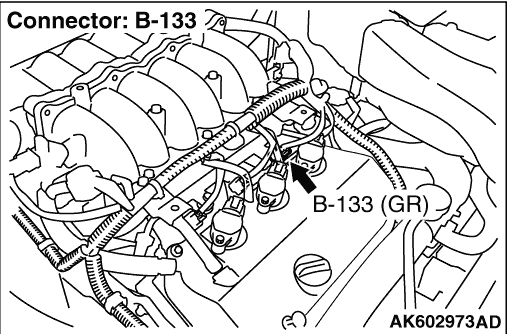
Credit: faq.out-club.ru
Common Fixes For P0306 Cylinder 6 Misfire
Once you find the cause, you can fix the misfire. The solution depends on what is wrong:
- Replace spark plug: If worn or fouled, install a new spark plug in cylinder 6.
- Change ignition coil: If the coil is bad, swap it for a new one.
- Fix fuel injector: Clean or replace the injector if clogged or faulty.
- Repair vacuum leaks: Replace cracked hoses or gaskets.
- Fix wiring or connectors: Repair any broken wires or loose plugs.
- Engine repair: If there’s low compression, you may need new valves, rings, or a timing adjustment.
Most common fixes are not expensive, but engine repairs can be.
Comparing Fixes: Cost, Difficulty, And Time
Let’s look at how different fixes compare:
| Fix | Average Cost (USD) | Skill Needed | Time to Complete |
|---|---|---|---|
| Replace Spark Plug | 10 – 30 | Beginner | 15 – 30 minutes |
| Change Ignition Coil | 50 – 120 | Beginner | 15 – 45 minutes |
| Clean/Replace Injector | 60 – 250 | Intermediate | 45 – 90 minutes |
| Fix Vacuum Leak | 20 – 150 | Intermediate | 30 – 90 minutes |
| Engine Repair | 500+ | Expert | Several hours – days |
As you can see, many causes are simple and low-cost. Only engine repairs get expensive and time-consuming.
How To Prevent Cylinder 6 Misfires
Prevention is always better than repair. Keep your engine healthy with these tips:
- Change spark plugs: Follow your car’s schedule, usually every 30,000–100,000 miles.
- Use quality fuel: Cheap gas can cause deposits and misfires.
- Replace air and fuel filters: Dirty filters make your engine work harder.
- Fix leaks early: Small air or coolant leaks can lead to big problems.
- Check engine light: Never ignore warning lights.
- Regular inspections: Have a mechanic check your ignition and fuel systems during oil changes.
Most misfires are preventable with basic care.
Real-life Example: Diagnosing A P0306 Code
Let’s look at a real example. A driver with a 2015 Toyota Camry noticed rough idling and a flashing check engine light. The OBD-II scanner showed P0306.
Steps taken:
- Spark plug swap: The spark plug from cylinder 6 was moved to cylinder 4. The misfire code changed to P0304.
- Conclusion: The spark plug was bad.
- Fix: All spark plugs were replaced.
- Result: Engine ran smoothly and the code did not return.
This simple process saved the owner from buying unnecessary parts.
Symptoms Versus Other Cylinder Misfires
How is a cylinder 6 misfire different from others? The main difference is which cylinder is affected, but symptoms can be similar. However, some cars may run worse if an end cylinder (like 6) misfires, especially in V6 engines. According to the U.S. Environmental Protection Agency, vehicle emissions standards and onboard diagnostic systems are designed to identify problems that can increase pollution.
Here’s a quick comparison:
| Misfire Code | Cylinder Location | Effect on Engine |
|---|---|---|
| P0301 | Cylinder 1 (front) | Often rough idle, minor power loss |
| P0306 | Cylinder 6 (rear) | Rougher idle, more vibration in V6 engines |
| P0304 | Cylinder 4 (middle) | Moderate roughness |
Knowing which cylinder is affected helps your mechanic diagnose faster.
When To See A Mechanic
Some repairs, like changing a spark plug, are simple. But see a mechanic if:
- You don’t have the right tools.
- The check engine light is flashing.
- The engine stalls or runs very rough.
- You smell fuel or see smoke.
A flashing check engine light means the misfire is severe. Driving with this problem can damage your catalytic converter, which is expensive to fix.
Credit: www.youtube.com
Common Mistakes When Fixing P0306
Many car owners and even some mechanics make these mistakes:
- Replacing parts without testing: Swapping parts blindly can waste money.
- Ignoring other codes: Sometimes, other codes can point to the real problem.
- Not clearing codes: After repairs, always clear codes and test drive.
- Skipping maintenance: Not changing plugs or filters on time can lead to repeat misfires.
Take a careful, step-by-step approach for the best results.
Diy Or Professional Repair?
Some fixes are good for beginners, but others need experience. Here’s a quick guide:
| Repair | DIY | Professional Needed |
|---|---|---|
| Spark Plug Replacement | Yes | No |
| Ignition Coil Change | Yes | No |
| Fuel Injector Cleaning | Maybe (if accessible) | Yes (if difficult access) |
| Engine Mechanical Repair | No | Yes |
If you feel uncomfortable, it’s always safer to ask a pro.
The Importance Of Quick Action
Driving with a cylinder 6 misfire is risky. Over time, unburned fuel can damage the catalytic converter and other engine parts. Repairs can quickly go from a $30 spark plug to a $1,000+ converter replacement.
Acting fast saves money and keeps your car reliable.
Learning More And Getting Help
Many online resources explain codes like P0306 in detail. If you want to read more technical information, the Wikipedia OBD-II PIDs page is a reliable source.
Frequently Asked Questions
What Happens If I Ignore The P0306 Code?
Ignoring a P0306 misfire can cause serious engine damage. Unburned fuel may damage the catalytic converter, and long-term misfires can harm pistons and valves. Always fix misfires quickly.
Can I Drive With A Cylinder 6 Misfire?
It’s not safe. Short trips at low speeds may not cause immediate damage, but longer drives or heavy loads can make things worse. If the check engine light is flashing, stop driving and get repairs.
How Do I Know If It’s The Spark Plug Or Something Else?
Swap the spark plug from cylinder 6 to another cylinder. If the code follows the plug, it’s the plug. If not, test the ignition coil, injector, and check for mechanical issues.
Will A Misfire Cause My Car To Fail An Emissions Test?
Yes. A misfire increases emissions and will usually cause your car to fail the test. Fixing the problem restores proper emissions and performance.
Does The P0306 Code Mean A Major Engine Problem?
Not always. Many causes are simple, like a bad spark plug. But if there’s low compression or mechanical damage, it can mean a bigger repair. Diagnosing the real cause is important.
Fixing a P0306 cylinder 6 misfire is about taking smart steps and acting fast. With good information and the right approach, you can keep your car running smoothly and avoid bigger problems in the future.