
If your car’s check engine light comes on and you find a P0420 code, you’re not alone. This is one of the most common trouble codes for modern vehicles. For many drivers, it can be confusing and stressful. But understanding what this code means, how it affects your car, and what to do next can save you time, money, and headaches. Let’s break down everything you need to know about the P0420 catalytic converter code, with clear explanations and practical advice for every car owner.
What Does The P0420 Code Mean?
The P0420 code stands for “Catalyst System Efficiency Below Threshold (Bank 1).” In simple words, this means your car’s computer has detected that your catalytic converter is not working as well as it should. The catalytic converter is a vital part of your exhaust system. It helps reduce harmful gases, making your car safer for the environment.
When the catalytic converter isn’t working properly, it can cause increased pollution, worse fuel economy, and, in some cases, damage to other engine parts. The P0420 code doesn’t tell you exactly what is wrong. It only tells you that the catalytic converter is not cleaning the exhaust as well as it should.
How Does A Catalytic Converter Work?
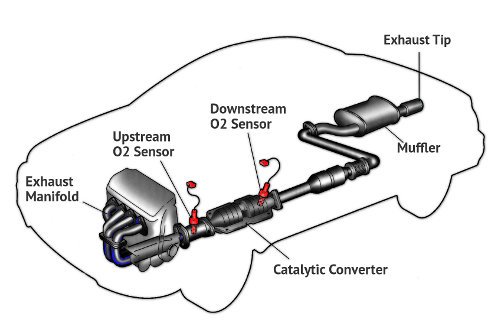
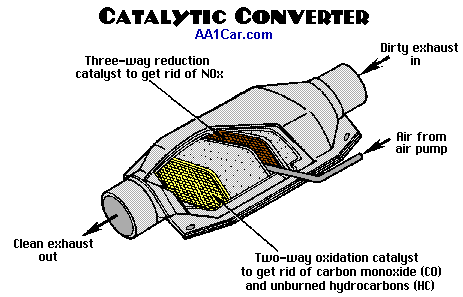
A catalytic converter is a device inside your car’s exhaust system. Its job is to turn harmful gases (like carbon monoxide and nitrogen oxides) into less harmful ones (like carbon dioxide and nitrogen).
The converter uses precious metals, such as platinum, palladium, and rhodium, to create chemical reactions. These reactions help clean the exhaust before it leaves the tailpipe. Most modern cars have sensors before and after the converter. These sensors measure how well the converter is working.
If the second sensor shows too much pollution, the computer will set a P0420 code.
Common Symptoms Of P0420 Code
You might notice some clear signs when the P0420 code appears:
- Check engine light: The most obvious sign is the yellow or orange light on your dashboard.
- Poor fuel economy: Your car might use more fuel than usual.
- Reduced engine performance: The engine may feel weaker or slower.
- Rattling noise: Sometimes, you may hear a rattling sound from under the car, especially when starting or accelerating.
- Failed emissions test: The car may not pass a smog or emissions test.
- Sulfur smell: A rotten egg smell from the exhaust is sometimes noticeable.
It’s important to know that sometimes, you won’t notice any change in how your car drives. The code can appear even if everything feels normal.
Causes Of The P0420 Code
The P0420 code is not always caused by a bad catalytic converter. There are several reasons why this code might appear:
- Faulty catalytic converter: The converter itself is damaged or worn out.
- Oxygen sensor failure: The sensors before or after the converter are not working correctly.
- Exhaust leaks: Small leaks before the converter can confuse the sensors.
- Engine misfires: If your engine isn’t running smoothly, it can damage the converter over time.
- Burning oil or coolant: Excess oil or coolant in the exhaust can clog or damage the converter.
- Wiring problems: Broken wires or poor connections in the sensor circuit can cause incorrect readings.
- Fuel system issues: Problems with fuel injectors or too much fuel can cause poor combustion.
Non-obvious Insights
- Sometimes, using low-quality fuel or certain fuel additives can trigger this code.
- Replacing the catalytic converter without fixing the root cause (like a misfire or oil leak) often leads to the code coming back quickly.
Credit: parts.olathetoyota.com
How Mechanics Diagnose The P0420 Code
A professional mechanic will use several steps to find the real problem:
- Scan for codes: Use a diagnostic scanner to check for other related codes.
- Visual inspection: Look for obvious signs of damage, leaks, or broken wires.
- Check oxygen sensor readings: Compare data from the sensors before and after the converter.
- Check for exhaust leaks: Use smoke machines or listen for hissing sounds.
- Test converter temperature: Measure the temperature before and after the converter. A healthy converter will be hotter on the exit side.
- Check for engine problems: Look for signs of misfires, burning oil, or coolant leaks.
Example Diagnostic Flow
Let’s say a mechanic finds a P0420 code. They check the oxygen sensors and see the downstream sensor (after the converter) is “mirroring” the upstream sensor (before the converter). This usually means the converter is not working. But if they also see a misfire code, they know the engine might be damaging the converter.
Fixing the misfire first can sometimes clear the P0420 code without replacing the converter.
Can You Drive With A P0420 Code?
Most of the time, you can still drive your car with a P0420 code, especially if there are no strange noises or loss of power. But you should not ignore it for too long. Driving for months with this code can lead to bigger problems and costly repairs. According to the U.S. Environmental Protection Agency, vehicle emissions standards and onboard diagnostic systems are designed to identify problems that can increase pollution.
- If the car drives normally: You can drive to a repair shop or schedule a visit soon.
- If the car runs poorly: If you hear rattling, smell sulfur, or lose power, stop driving and get it checked right away.
Remember, if your vehicle must pass an emissions test, it will likely fail with a P0420 code.
Credit: www.aa1car.com
How To Fix The P0420 Code
Fixing the P0420 code depends on the real cause. Here are some steps you or your mechanic might take:
- Check for other codes: Fix any engine misfires, fuel system, or sensor codes first.
- Inspect the exhaust system: Fix any leaks, broken hangers, or rusted pipes.
- Test and replace oxygen sensors: Sometimes, a bad sensor is the main problem.
- Clean or replace the catalytic converter: If the converter is damaged or clogged, replacement is usually needed.
- Fix oil or coolant leaks: Repair leaks that might damage the converter.
- Use fuel additives carefully: Some additives claim to clean converters, but results are mixed.
Cost Comparison Table
To help you understand the possible costs, here is a comparison of common repairs for the P0420 code:
| Repair | Typical Cost (USD) | Difficulty |
|---|---|---|
| Oxygen Sensor Replacement | $100–$300 | Easy–Medium |
| Exhaust Leak Repair | $50–$200 | Easy–Medium |
| Catalytic Converter Replacement | $900–$2,500+ | Medium–Hard |
| Engine Misfire Fix | $100–$1,000+ | Medium–Hard |
Catalytic converters are expensive because they use precious metals. In some cases, fixing a cheaper problem (like a sensor or small leak) can avoid this high cost.
Diy Tips For Handling P0420
If you’re comfortable working on cars, you can try a few things before going to a mechanic:
- Check for loose wires: Look around the oxygen sensors for broken or unplugged wires.
- Listen for leaks: With the engine running, listen for hissing sounds near the exhaust.
- Scan for other codes: Borrow or buy a basic code reader. Fixing engine misfires or other codes first is smart.
- Try a fuel additive: Some products may help clean the converter, but results are not guaranteed.
When To See A Professional
If you don’t find an easy fix, or if the code comes back after repairs, see a trusted mechanic. Catalytic converters are not easy to change at home, and guessing can become expensive.
Credit: www.youtube.com
Catalytic Converter Vs. Oxygen Sensor Failure
Many people confuse a bad catalytic converter with a bad oxygen sensor. Here’s a quick comparison to help you tell the difference:
| Problem | Common Signs | Cost | Symptoms |
|---|---|---|---|
| Catalytic Converter | Rattling, sulfur smell, failed emissions | High | Reduced power, poor fuel economy |
| Oxygen Sensor | Check engine light, poor fuel use | Low–Medium | Sometimes none, sometimes hesitation |
If you’re not sure, have a mechanic test both parts before replacing anything.
How To Prevent The P0420 Code
Prevention is always better than repair. Here are some tips to avoid getting the P0420 code:
- Keep your engine tuned: Fix misfires, leaks, or rough running quickly.
- Use the right fuel: Cheap fuel or the wrong type can harm the converter.
- Repair leaks early: Any oil or coolant leak can damage the converter fast.
- Avoid short trips: The converter needs to heat up fully to work well.
- Do regular maintenance: Change spark plugs, air filters, and check the exhaust system as your car’s manual suggests.
Data: How Long Do Catalytic Converters Last?
On average, a catalytic converter should last between 70,000 and 100,000 miles. But engine problems can shorten this life quickly. Some cars, with good maintenance, see converters last over 150,000 miles.
Impact On Emissions And Environment
A failed catalytic converter means your car produces more harmful gases. This is bad for air quality and can cause legal issues in places with strict emissions laws. In some countries, driving with a broken converter is illegal.
For more on how catalytic converters reduce pollution, see the official Wikipedia page on catalytic converters.
Myths About The P0420 Code
Many drivers believe common myths about the P0420 code:
- “You always need a new catalytic converter.” Not true—sometimes it’s just a sensor or a small leak.
- “Clearing the code fixes the problem.” Erasing the code only hides the warning. If the problem isn’t fixed, it will return.
- “You can pass emissions by resetting the code.” Most emissions tests check if the car’s computer is ready. Resetting the code often fails the test.
When To Replace The Catalytic Converter
If all other repairs fail and the converter is physically damaged (broken, rattling, melted), replacement is needed. Choose a high-quality converter from a trusted brand. Cheap or universal converters may not last as long or pass emissions tests.
Ask your mechanic about the warranty—many converters are covered for 8 years or 80,000 miles in some countries.
Replacement Converter Comparison
Here’s a quick look at types of replacement converters:
| Type | Pros | Cons | Cost |
|---|---|---|---|
| OEM (Original) | Best fit, long-lasting | Expensive | High |
| Aftermarket | Cheaper, easy to find | May not last as long | Medium |
| Universal | Lowest cost | May not fit all cars, short life | Low |
Always check local laws before installing a universal converter—some places require OEM or approved parts only.
Frequently Asked Questions
What Does P0420 Mean In Simple Terms?
P0420 means your car’s catalytic converter is not cleaning the exhaust gases as well as it should. The car’s computer sees that pollution is too high after the converter.
Can A Bad Oxygen Sensor Cause A P0420 Code?
Yes. A faulty oxygen sensor can send wrong signals to your car’s computer, causing a false P0420 code. Replacing the sensor can sometimes fix the problem without changing the converter.
Will A P0420 Code Damage My Engine?
Driving with a P0420 code for a short time will not usually damage your engine. But if the cause is a misfire or leak, ignoring it can lead to bigger problems, including engine damage.
How Much Does It Cost To Fix A P0420 Code?
The cost can range from $100 (for a new sensor) to over $2,000 (for a new catalytic converter). The real cost depends on what’s actually wrong and the make of your car.
Can I Pass An Emissions Test With A P0420 Code?
No. Most cars will fail emissions with a P0420 code. The check engine light must be off, and the car’s computer must show the catalytic converter is working properly.
Car problems can be frustrating, but understanding the P0420 code helps you make smart choices. Take action early, get the right repairs, and keep your car running clean and strong for years to come.