
If you’ve ever started your car and noticed the check engine light stays on, you know how stressful that can feel. One common reason is the P0505 Idle Control System Malfunction code. This code can confuse even experienced drivers. Your car might idle rough, stall at stoplights, or rev up and down on its own. Sometimes, it seems fine—until it isn’t.
Understanding what causes the P0505 code can save you money, time, and frustration. Let’s break down what this code means, why it happens, how to fix it, and what you should never ignore. We’ll also look at some data, common mistakes, and expert tips, so you know exactly what to do if your car throws a P0505 code.
What Is The P0505 Idle Control System Malfunction Code?
The P0505 code stands for “Idle Control System Malfunction.” This code appears when your car’s engine control module (ECM) finds a problem with the idle air control (IAC) system. The IAC system manages how much air goes into the engine when you’re not pressing the gas pedal—like when you’re stopped at a traffic light.
If the IAC system isn’t working right, your car can idle too high, too low, or even stall. The ECM will set the P0505 code to let you know something’s wrong.
How The Idle Control System Works
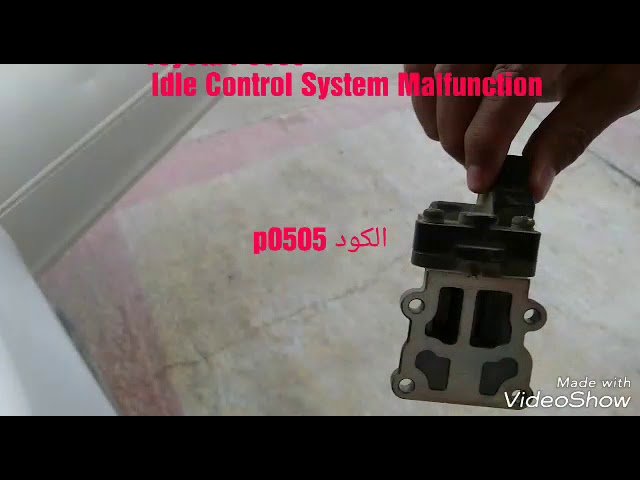
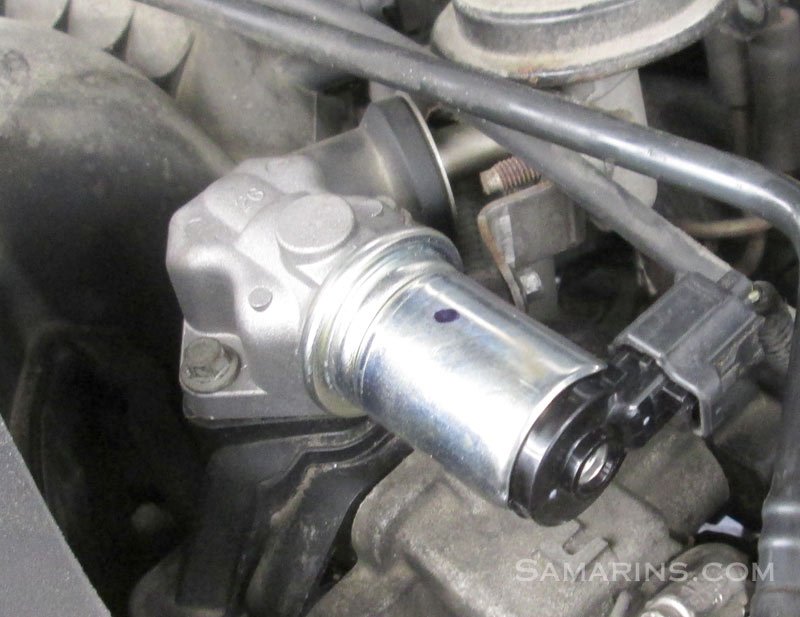
Before you fix a problem, it helps to know how the system works. The idle air control valve (IACV) is a small electronic part attached to the throttle body. When you let off the gas, the throttle plate closes, but your engine still needs air to keep running. The IACV opens and closes a small air passage, letting the right amount of air into the engine for a smooth idle.
Modern cars use sensors and the ECM to control idle speed based on conditions like engine temperature, air conditioning, and electrical load. If the ECM sees something unusual—like the idle speed is higher or lower than expected—it triggers the P0505 code.
Signs And Symptoms Of P0505
You may notice more than just the check engine light. Here are common symptoms of the P0505 code:
- Rough idle – The engine shakes or vibrates at stoplights.
- Stalling – The engine dies when you come to a stop.
- High idle speed – The RPMs stay high even when you’re not pressing the gas.
- Low idle speed – The RPMs drop too low or the engine almost stalls.
- Engine surging – The RPMs go up and down on their own.
- Hard starting – The engine has trouble starting or cranks for a long time.
These problems can be annoying and even dangerous in traffic.
Causes Of The P0505 Code
Several things can trigger the P0505 code. Some are simple, while others need a mechanic’s help.
- Dirty or stuck idle air control valve – Dirt, oil, or carbon can block the valve.
- Vacuum leaks – Cracked hoses or gaskets let extra air into the engine.
- Faulty IAC valve – The valve itself can fail or the wiring can break.
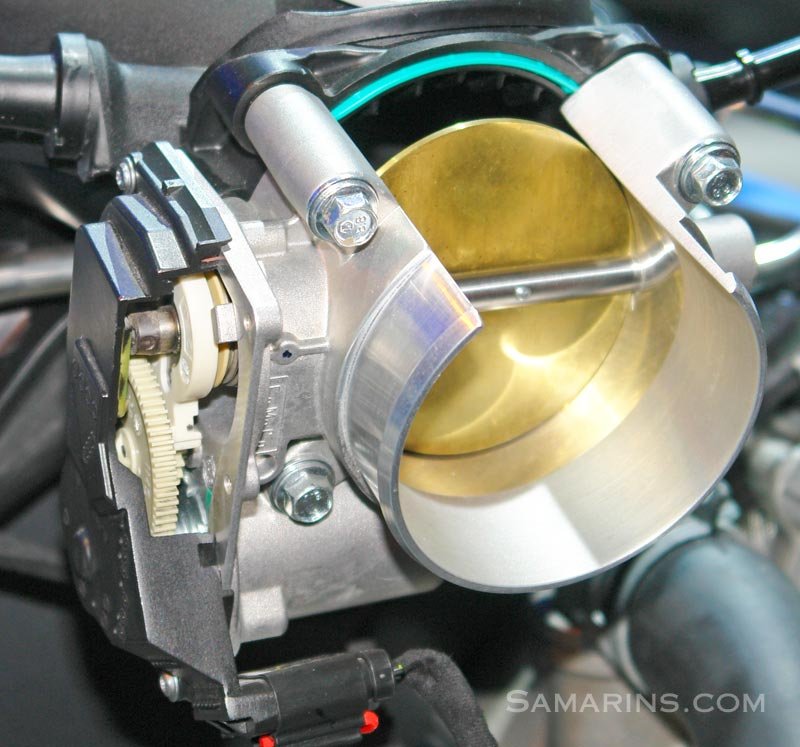
- Bad throttle body – Build-up or mechanical wear can block air flow.
- Faulty ECM – Rare, but sometimes the computer is the problem.
- Electrical problems – Broken wires, corroded connectors, or blown fuses.
Most often, the problem is a dirty IAC valve or a vacuum leak.
Credit: www.youtube.com
Diagnosing The P0505 Code
Finding the cause of the P0505 code takes careful steps. Here’s a practical process you or your mechanic can follow:
- Scan for codes – Use an OBD-II scanner to confirm the P0505 code and check for other codes.
- Inspect the IAC valve – Remove the valve and check for dirt, carbon, or oil.
- Check for vacuum leaks – Listen for hissing sounds or use carb cleaner to find leaks.
- Test the IAC valve – Use a multimeter to check resistance or see if the valve moves.
- Inspect wiring and connectors – Look for broken wires or loose plugs.
- Check the throttle body – Remove and clean if dirty.
- Test the ECM (if needed) – Only after other causes are ruled out.
Here’s a simple comparison of common causes and their likelihood:
| Cause | Chance (%) | Easy to Fix? |
|---|---|---|
| Dirty IAC Valve | 50 | Yes |
| Vacuum Leak | 30 | Yes |
| Faulty IAC Valve | 10 | Yes |
| Throttle Body Issue | 5 | Yes |
| ECM/Electrical | 5 | No |
Non-obvious insight: Many people skip checking for vacuum leaks, but they are a leading cause of idle problems. Use a smoke machine or spray carb cleaner around suspect hoses to find leaks.
How To Fix P0505 Idle Control System Malfunction
Once you know the cause, you can take action. Here are the main fixes:
1. Cleaning The Idle Air Control Valve
Remove the IAC valve and spray it with throttle body cleaner. Use an old toothbrush to remove carbon. Don’t damage the valve. Let it dry and reinstall.
2. Replacing The Idle Air Control Valve
If cleaning doesn’t work, a new IAC valve may be needed. Get the right part for your car. Unplug the wiring, remove the screws, swap the valve, and reconnect.
3. Checking For Vacuum Leaks
Inspect all hoses and gaskets connected to the intake manifold. Replace any cracked, brittle, or leaking hoses. Pay extra attention to the PCV valve and intake manifold gasket.
4. Cleaning Or Replacing The Throttle Body
Remove the throttle body and clean both sides with throttle body cleaner. Make sure the throttle plate moves freely. Replace the gasket if needed.
5. Electrical Checks
Test the IAC wiring with a multimeter. Look for broken or corroded wires. Fix or replace as needed.
6. Ecm Testing Or Replacement
If all else fails, the ECM may be faulty. This is rare and expensive. Only replace it after all other steps.
Here’s a quick look at fix methods, cost, and difficulty:
| Fix | Estimated Cost (USD) | Difficulty (1-5) |
|---|---|---|
| Clean IAC Valve | 10 | 2 |
| Replace IAC Valve | 50-200 | 3 |
| Fix Vacuum Leak | 5-100 | 3 |
| Clean Throttle Body | 10 | 2 |
| Replace Throttle Body | 150-500 | 4 |
| Wiring Repair | 5-50 | 3 |
| Replace ECM | 300-2000 | 5 |
Practical tip: Always try cleaning parts before replacing them. Many idle problems are caused by dirt, not failure.
Common Mistakes When Dealing With P0505
Many people waste time or money by making avoidable mistakes. Here are two that often trip up beginners:
- Replacing parts before cleaning. A dirty IAC valve or throttle body often causes the problem. Clean them first, and you might fix the issue for just a few dollars.
- Ignoring vacuum leaks. Even a tiny crack in a hose can cause idle problems. Always check hoses and gaskets before buying new sensors or valves.
Can You Drive With A P0505 Code?
If your car is running, you may be tempted to keep driving. But is it safe? Driving with a P0505 code can cause:
- Poor fuel economy
- Stalling in traffic (dangerous)
- Higher emissions (may fail inspection)
- Long-term engine or catalytic converter damage
If the car is stalling or idling rough, fix the problem as soon as possible.
Credit: www.samarins.com
When To See A Mechanic
Most people can clean an IAC valve or check hoses with basic tools. But some repairs, like ECM replacement or complex wiring, need a pro.
Go to a mechanic if:
- The check engine light blinks or you hear knocking
- You smell fuel, burning, or see smoke
- You’re not comfortable working on your car
A good mechanic can diagnose and fix P0505 quickly.
Real-world Example
A 2007 Toyota Corolla owner noticed rough idling and a check engine light. Scanning showed a P0505 code. The IAC valve was clogged with carbon. After cleaning, the engine idled smoothly and the code disappeared.
In another case, a Nissan Altima kept stalling. The problem was a cracked intake manifold gasket—something the owner didn’t suspect. Replacing the gasket fixed the issue.
Preventing Idle Control System Problems
While you can’t prevent every problem, you can lower your risk:
- Use high-quality fuel and oil
- Get regular tune-ups and filter changes
- Clean the throttle body every 30,000 miles
- Check hoses for cracks or leaks twice a year
Prevention is cheaper than repair. Most idle problems start small and get worse over time.
Data: P0505 Code Frequency By Car Brand
P0505 is more common in some brands than others. Here’s an overview based on repair shop data:
| Brand | % of Cars with P0505 (per 10,000 vehicles) | Notes |
|---|---|---|
| Toyota | 9 | Common in Corolla, Camry |
| Nissan | 7 | Altima, Sentra affected |
| Honda | 5 | Mainly Accords, Civics |
| Ford | 3 | Less common |
| Chevrolet | 2 | Rarely seen |
Key Takeaways
- P0505 means your car’s idle control system isn’t working right.
- Most causes are simple—dirt, leaks, or a bad valve.
- Clean and check before replacing expensive parts.
- Fix the issue soon to avoid bigger problems.
- Prevention and regular maintenance help avoid P0505 in the future.
For more technical details, you can visit the OBD-II Powertrain Codes page on Wikipedia.
Frequently Asked Questions
What Does The P0505 Code Mean?
P0505 means your car’s computer found a problem with the idle control system. The engine may idle too high, too low, or stall.
Can I Drive My Car With A P0505 Code?
You can drive for a short time, but it’s not safe. The engine may stall or run poorly. Fix the problem as soon as possible.
How Much Does It Cost To Fix A P0505 Code?
It can cost $10 to $2000. Cleaning a valve is cheap. Replacing the ECM is expensive. Most fixes cost under $200.
What Cars Are Most Affected By P0505?
Toyota, Nissan, and Honda models see P0505 most often. But any car with an idle air control valve can have this problem.
Can I Fix P0505 Myself?
If you have basic tools and patience, you can clean the IAC valve or fix vacuum leaks yourself. For electrical or ECM issues, see a mechanic.
Solving a P0505 idle control system malfunction is possible with the right knowledge and tools. Don’t ignore the warning—address it early, and your car will run smoother and last longer.
Credit: www.samarins.com