
Thank you for clarifying. Here is an in-depth, human-friendly article about “P0507 Idle Control System RPM Higher,” covering causes, symptoms, diagnosis, solutions, and common questions.
—
If your car’s check engine light is on and you see code P0507, you might feel worried. This code means your engine is idling at a higher RPM than it should. High idle can cause stress, lower fuel economy, and even damage your car if not fixed.
Don’t panic—this problem is common and often simple to solve if you understand what’s happening.
What Does P0507 Mean?
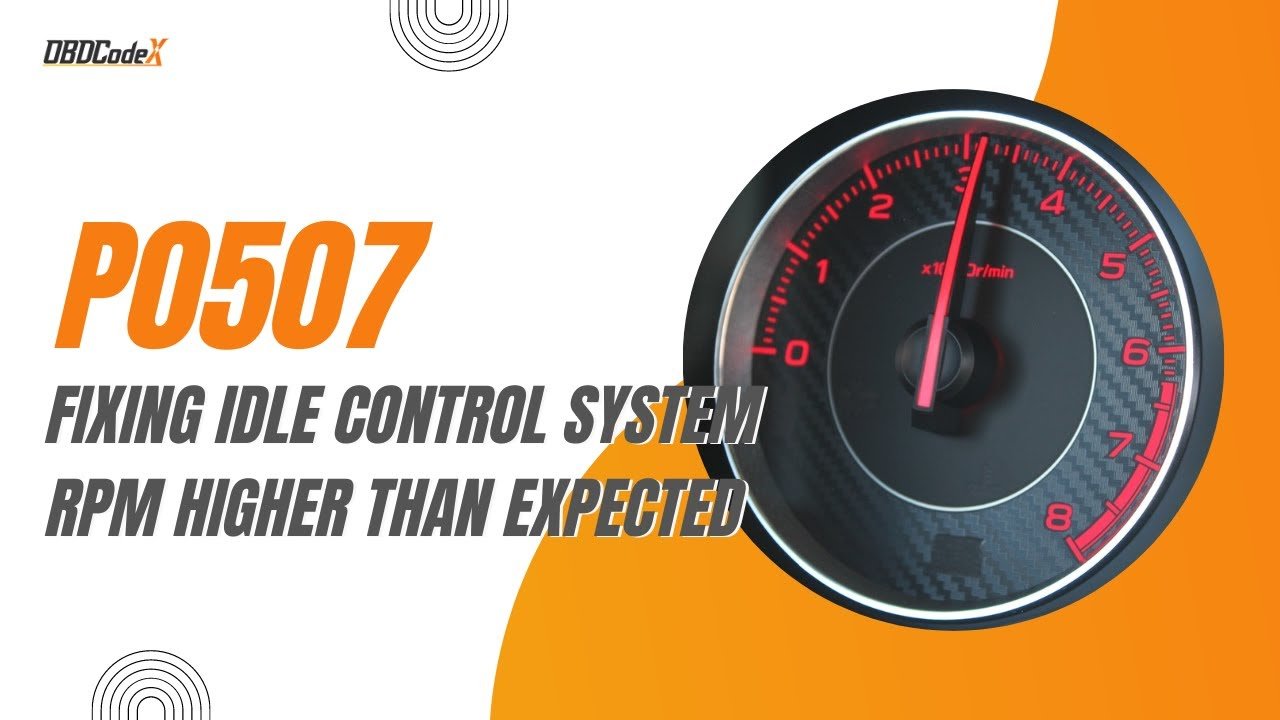
P0507 is a diagnostic trouble code (DTC) that stands for “Idle Control System RPM Higher Than Expected. ” Most modern cars have a computer called the ECU (Engine Control Unit). This computer controls the idle speed by adjusting air and fuel flow.
When the idle speed goes above the normal range—usually around 600–900 RPM—the ECU stores the P0507 code.
This code is most common in cars with electronic throttle control, but you can see it in many vehicles with idle air control systems. Each car’s “normal” idle speed is a bit different, but the main point is: if the idle is too high and the computer cannot fix it, you’ll get a P0507 code.
Why Is High Idle Rpm A Problem?
A high idle might not sound like a big deal, but it creates several problems:
- Wasted fuel: Your engine uses more gas when idling fast.
- More pollution: Higher idle means more exhaust emissions.
- Strain on parts: Belts, pumps, and sensors wear out sooner.
- Hard gear changes: Automatic transmissions might shift roughly.
- Risk of stalling: Sometimes, the car jumps or stalls when shifting into gear.
If you ignore this code, the problem can get worse over time. Fixing it early is always the smart choice.
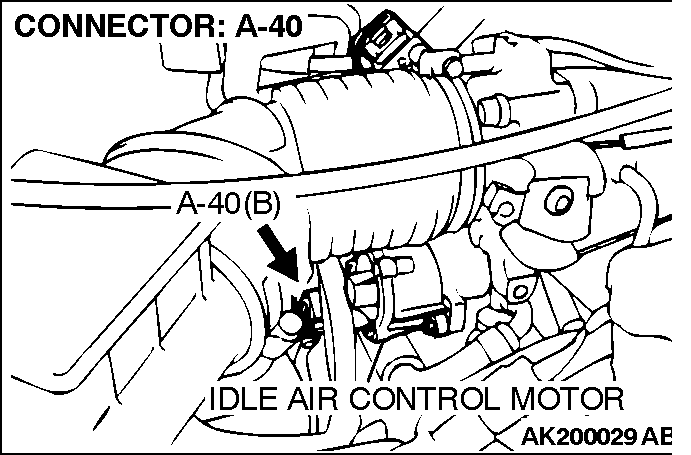
Credit: mitsubishitechinfo.com
Common Symptoms Of P0507
How do you know if your car has this issue? Look for these signs:
- Check Engine Light – The most obvious clue. The light comes on, and a scan shows P0507.
- Engine Idles High – The tachometer (RPM gauge) stays high when you stop, usually over 1000 RPM.
- Rough Idle – The engine may sound uneven or vibrate more than usual.
- Hard Shifting – You might feel a strong jerk when shifting from Park to Drive or Reverse.
- Poor Fuel Economy – You notice you’re filling up more often.
- Whistling or Hissing Noise – This can signal a vacuum leak, a common cause.
Not every car shows all these symptoms, but if you see two or more, P0507 is likely.
Main Causes Of P0507
Many things can make your idle speed too high. Some are simple; others need more work. Here are the most common causes:
1. Vacuum Leaks
A vacuum leak means extra air enters the engine without passing through the throttle. This confuses the ECU and causes a high idle. Common sources:
- Cracked or loose vacuum hoses
- Broken intake manifold gasket
- Faulty PCV (positive crankcase ventilation) valve
Tip: Listen for a hissing sound under the hood. Spray a little carb cleaner around hoses—if RPM changes, you found a leak.
2. Dirty Or Faulty Idle Air Control Valve (iac)
The IAC valve controls how much air enters the engine when you are not pressing the gas. If it sticks or gets dirty, the idle can go up or down. According to the U.S. Environmental Protection Agency, vehicle emissions standards and onboard diagnostic systems are designed to identify problems that can increase pollution.
- Some cars use a stepper motor type IAC, others use a solenoid.
- Over time, carbon builds up inside and blocks movement.
Tip: Removing and cleaning the IAC valve is often an easy fix. Use throttle body cleaner and a soft brush.
3. Throttle Body Problems
Modern cars use “drive-by-wire” throttle bodies. If the throttle plate gets stuck open or dirty, airflow increases and idle goes up.
- Carbon deposits can block the throttle plate.
- Electronic problems (like a bad sensor) can cause the throttle to stay open.
Tip: Cleaning the throttle body with proper spray can restore normal operation.
4. Faulty Or Stuck Accelerator Pedal Or Throttle Cable
- On older cars, a sticky throttle cable or pedal can keep the throttle open.
- Check for smooth pedal movement.
5. Failed Egr Valve
The EGR (Exhaust Gas Recirculation) valve controls exhaust gas flow. If stuck open, it lets in extra air.
- This is less common, but possible.
6. Ecu Or Sensor Issues
The ECU uses many sensors to control idle:
- Mass Air Flow (MAF) sensor
- Engine Coolant Temperature (ECT) sensor
- Throttle Position Sensor (TPS)
If these send wrong signals, idle can rise. For example, if the ECU thinks the engine is cold, it raises RPM.
7. Leaky Intake Manifold Gasket
A damaged gasket between the engine and intake can let air in, raising idle.
8. Incorrect Idle Speed Setting (rare)
Some cars let you set idle speed manually (older models). If adjusted too high, you’ll get a P0507.
How To Diagnose P0507
You don’t need to be a mechanic to start diagnosing. Here’s a simple process:
Step 1: Scan For Codes
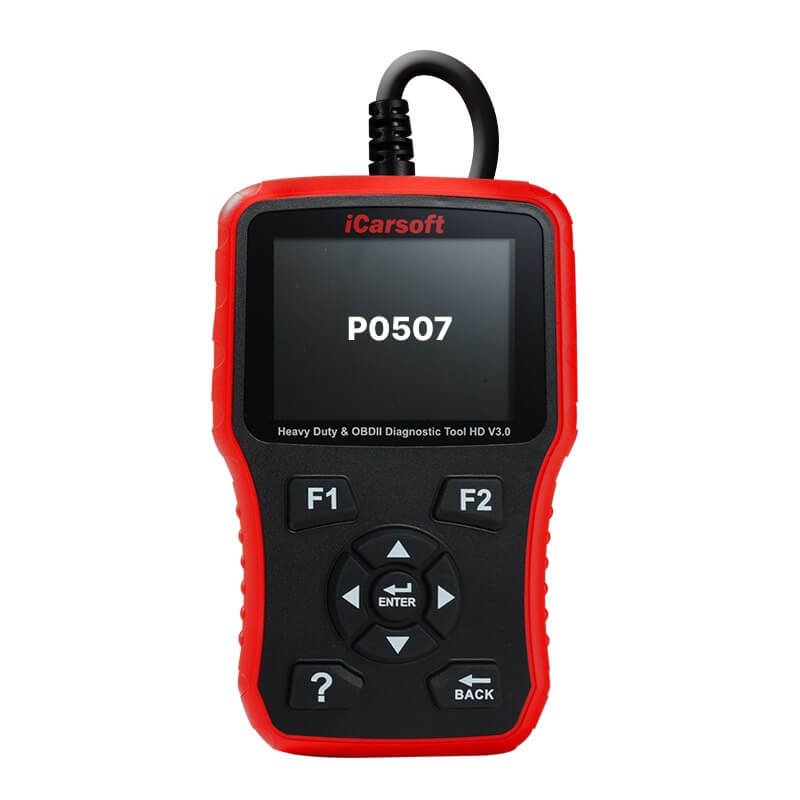
- Use an OBD2 scanner. If you don’t have one, many auto parts stores scan for free.
- Confirm P0507 is present. Look for other codes that might help, like P0171 (lean condition).
Step 2: Visual Inspection
- Look for cracked, loose, or disconnected hoses.
- Check around the intake manifold and throttle body.
- Inspect the IAC valve and wiring for damage.
Step 3: Listen For Leaks
- With the engine running, listen for hissing or whistling.
- Spray carb cleaner near gaskets and hoses. If idle changes, you found a leak.
Step 4: Check The Throttle Body
- Remove the air intake hose.
- Look for dirt, oil, or carbon deposits.
- Open the throttle plate by hand (engine off) and look inside.
Step 5: Test Iac Valve
- Some IAC valves can be unplugged with the engine running. If idle changes, it’s working.
- Remove and clean if dirty.
Step 6: Check Sensors
- If you have a scan tool, read live data from MAF, ECT, and TPS sensors.
- Unusual readings may point to a bad sensor.
Step 7: Rule Out Other Causes
- Make sure the floor mat is not pushing the accelerator pedal.
- Check the throttle cable/pedal for sticking (older cars).
Insight: Many beginners forget to check simple things like a stuck floor mat or loose hose clamps. Always start with basics.
How To Fix P0507
Once you find the cause, fixing P0507 is usually straightforward. Here are solutions for each common cause:
1. Fix Vacuum Leaks
- Replace cracked or loose hoses.
- Tighten hose clamps.
- Replace intake manifold gasket if needed.
Extra tip: Use silicone-safe spray to find small leaks—RPM will change when you hit the leak.
2. Clean Or Replace Iac Valve
- Remove the IAC valve (check your service manual for location).
- Spray with throttle body or carb cleaner.
- Scrub gently with a brush.
- Reinstall and test.
If cleaning doesn’t help, replace the IAC valve.
3. Clean Throttle Body
- Remove the air intake hose.
- Spray throttle body cleaner inside.
- Wipe away carbon with a clean cloth.
- Make sure the throttle plate moves freely.
Warning: Do not spray too much liquid into the throttle body—too much can cause starting problems.
4. Check And Repair Sensors
- If the MAF, ECT, or TPS sensors show wrong readings, replace them.
- Clean MAF sensor with special MAF cleaner (don’t use carb cleaner).
5. Replace Egr Valve (if Stuck)
- Remove and inspect. Clean or replace as needed.
6. Reset Idle Settings (if Needed)
- Some cars “learn” idle after you clean the throttle body or IAC valve. Start the car, let it idle for a few minutes, then drive at low speed for several miles.
Insight: After cleaning, disconnect the battery for 10 minutes. This resets the ECU and helps it relearn idle.
Credit: www.youtube.com
Preventing P0507 In The Future
Maintenance is key. Here’s how to avoid high idle problems:
- Replace air filters regularly.
- Use good quality fuel.
- Clean the throttle body and IAC valve every 30,000 miles.
- Fix any vacuum leaks as soon as you find them.
- Avoid using poor-quality oil, which can cause sludge.
Many drivers skip regular cleaning, leading to sticky valves and sensors. A little cleaning goes a long way.
Frequently Asked Questions
Is It Safe To Drive With Code P0507?
You can drive for a short time, but it’s not recommended. High idle can waste fuel and strain your transmission. If the car runs rough, stalls, or shifts hard, fix the problem as soon as possible.
Will Clearing The Code Fix The Problem?
No. The code will return if you don’t fix the root cause. Only clear the code after repairs.
How Much Does It Cost To Fix P0507?
- Vacuum hose: $10–$50
- IAC valve: $50–$150
- Throttle body cleaning: $10–$30 (DIY)
- Sensor replacement: $50–$200
If you do it yourself, repairs are often cheap. A shop may charge $100–$300.
Can A Dirty Air Filter Cause P0507?
Not directly. A dirty air filter can cause other codes (like P0171), but rarely P0507. However, it’s good practice to replace the filter regularly.
Do All Cars Have An Iac Valve?
No. Newer cars may use an electronic throttle body instead. The symptoms and fixes are similar, but the parts differ.
Where Can I Find More Detailed Steps For My Car?
Check your car’s service manual or a reliable repair website. [This resource from the Society of Automotive Engineers](https://www.sae.org) is helpful for deeper technical info.
Credit: www.ziptuning.com
Final Thoughts
P0507 can sound scary, but it’s usually a simple fix. Most causes are easy to check and repair at home with basic tools. Always start with the basics—check for leaks, clean what you can, and use a scan tool to confirm your work.
If you’re not comfortable with DIY repairs, a trusted mechanic can solve P0507 quickly.
High idle is annoying, but you don’t need to panic. With a little patience and the right steps, your car will be running smoothly and quietly again soon.