
- Pending codes appear after one failed test — not yet confirmed.
- Permanent codes require a full drive cycle to clear after repair.
- Clearing codes with a scanner does NOT remove permanent codes.
- Most basic scanners cannot read permanent codes — you need an advanced OBD2 tool.
- Passing an emissions test with a permanent code active is impossible.
When your car’s dashboard suddenly lights up with a check engine light, it usually brings a wave of worry. For many drivers, seeing this symbol means something is wrong, but the details are often a mystery. If you use a code reader or visit a mechanic, you might hear terms like permanent codes and pending codes. Understanding the difference between these can save you time, money, and frustration. Let’s explore what these codes mean, why they matter, and how to handle them with confidence.
The Basics Of Check Engine Codes
Modern cars are full of sensors. When something goes wrong—like a misfire, faulty sensor, or emissions problem—the car’s onboard diagnostics system (OBD-II) detects it. The system then stores a code that relates to the issue. These codes help mechanics and car owners find and fix problems.
However, not all codes are the same. The system can create active (current), pending, or permanent codes, and each type tells a different story about your vehicle’s health.
What Are Pending Check Engine Codes?
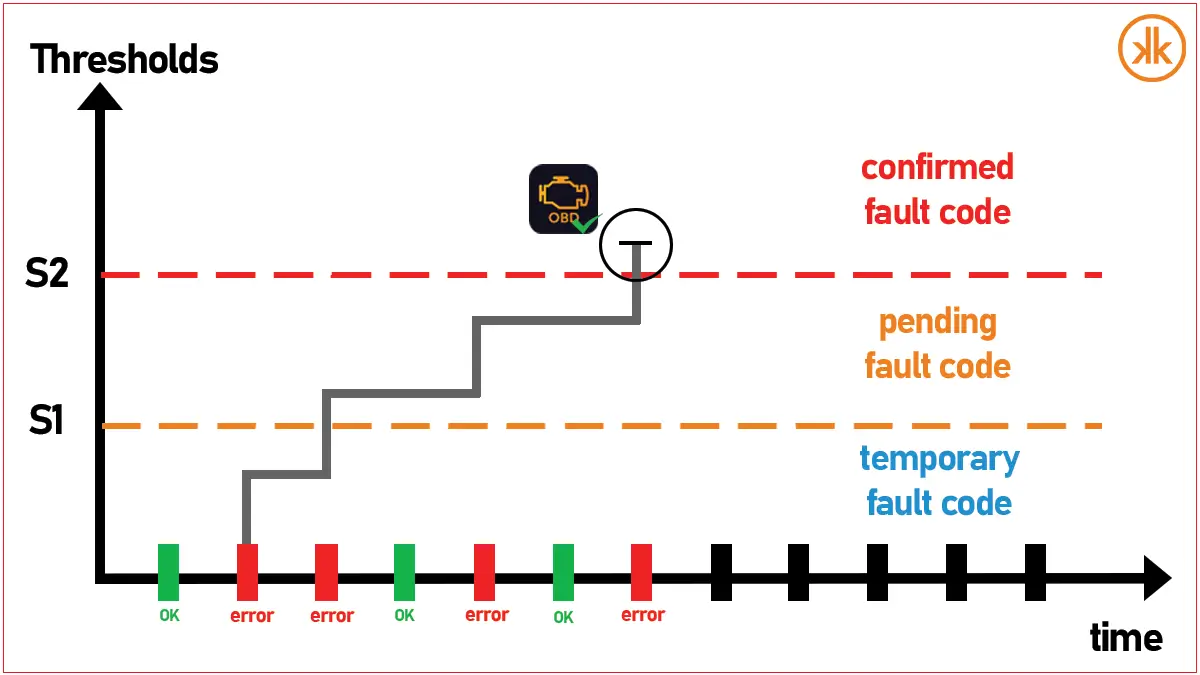
Pending codes are like a warning sign, but not a final judgment. When your car’s OBD-II system detects a possible problem for the first time, it stores a pending code. This means the system has seen something unusual, but it wants to check again before turning on the check engine light.
For example, if your car notices a misfire once, it won’t trigger a warning immediately. It waits to see if the issue happens again. If it does, the code becomes active and the check engine light turns on.
How Pending Codes Work
- The OBD-II system tests different parts of your car as you drive.
- If a test fails once, a pending code is stored.
- The code stays as pending until the test fails again, or the issue goes away.
- If the test passes in later drives, the pending code can disappear on its own.
Why Pending Codes Matter
Pending codes are important because they show early signs of problems. They give you a chance to fix small issues before they become bigger. Many drivers ignore them, but smart car owners use this early warning to avoid costly repairs.
Example Of Pending Code Scenario
Imagine your car’s oxygen sensor sends a strange signal once. The OBD-II system notes this as a pending code. If it happens again during your next drive, the code becomes active, and the check engine light comes on. If it doesn’t happen again, the code might clear itself after a few trips.
What Are Permanent Check Engine Codes?
Permanent codes are more serious. They are stored in your car’s computer when a problem is confirmed and the check engine light is on. Even if you clear the codes with a scanner, a permanent code will stay until the car’s system is sure the problem is fixed.
Why Permanent Codes Exist
In the past, some people would just erase codes to pass vehicle inspections without really fixing the issue. Permanent codes were created to stop this. They make sure that the problem is truly fixed before the code disappears. This helps protect the environment and ensures cars are safe.
How Permanent Codes Are Cleared
Permanent codes are not easy to erase. They will only clear if:
- The OBD-II system runs self-tests and confirms the problem is fixed.
- The car is driven through enough cycles (start, drive, stop) without the issue happening again.
Clearing codes with a scanner will not remove permanent codes. The car must pass all tests to clear them.
Example Of Permanent Code Scenario
Suppose your car fails an emissions test and the check engine light comes on. The system stores a permanent code. Even if you fix the problem and clear the codes, the permanent code will stay until the car’s system completes its checks and verifies the repair.
Key Differences: Permanent Vs Pending Codes
To see the main differences clearly, here is a comparison:
| Feature | Pending Code | Permanent Code |
|---|---|---|
| When Stored | After first fault detected | After fault confirmed and check engine light on |
| Check Engine Light | Usually off | On |
| How Cleared | Self-clears if issue does not repeat | Only after system verifies repair |
| Purpose | Warns of possible problem | Confirms a real, fixed problem |
| Scanner Erase | Can be erased | Cannot be erased manually |
Why Understanding Both Codes Matters
Knowing the difference between pending and permanent codes helps you:
- Avoid unnecessary repairs
- Pass vehicle inspections
- Communicate better with mechanics
If you react too quickly to pending codes, you might spend money fixing a problem that isn’t real. But if you ignore permanent codes, you may fail inspections or damage your car.
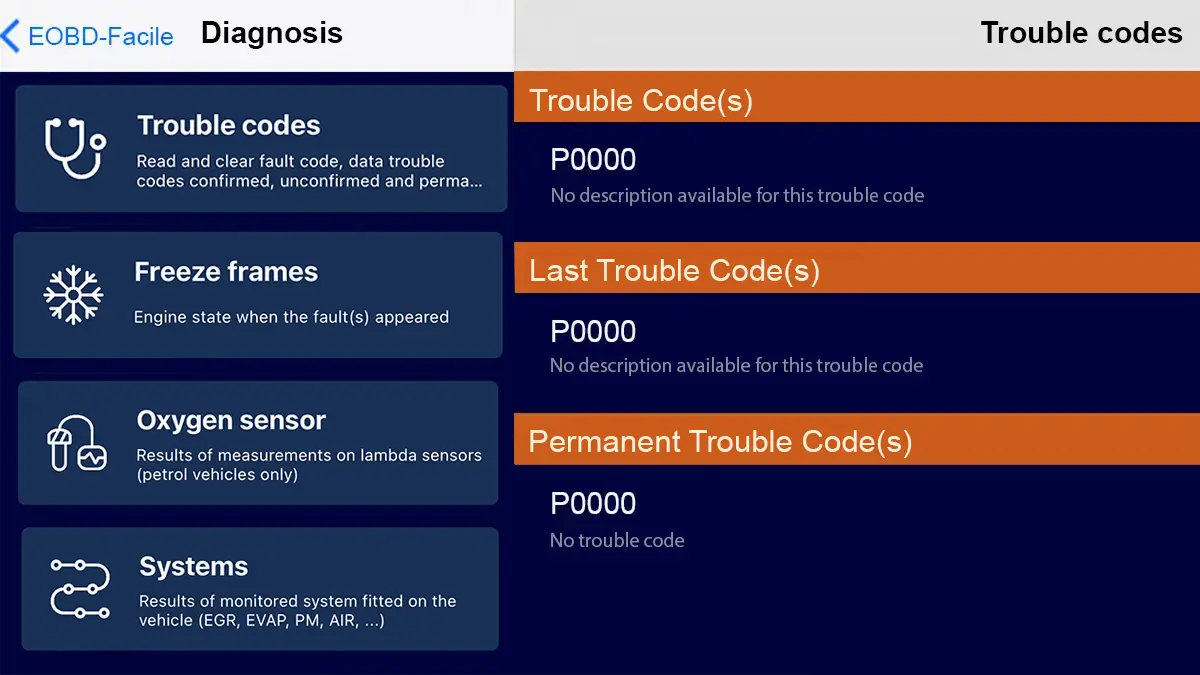
How To Check For Pending And Permanent Codes
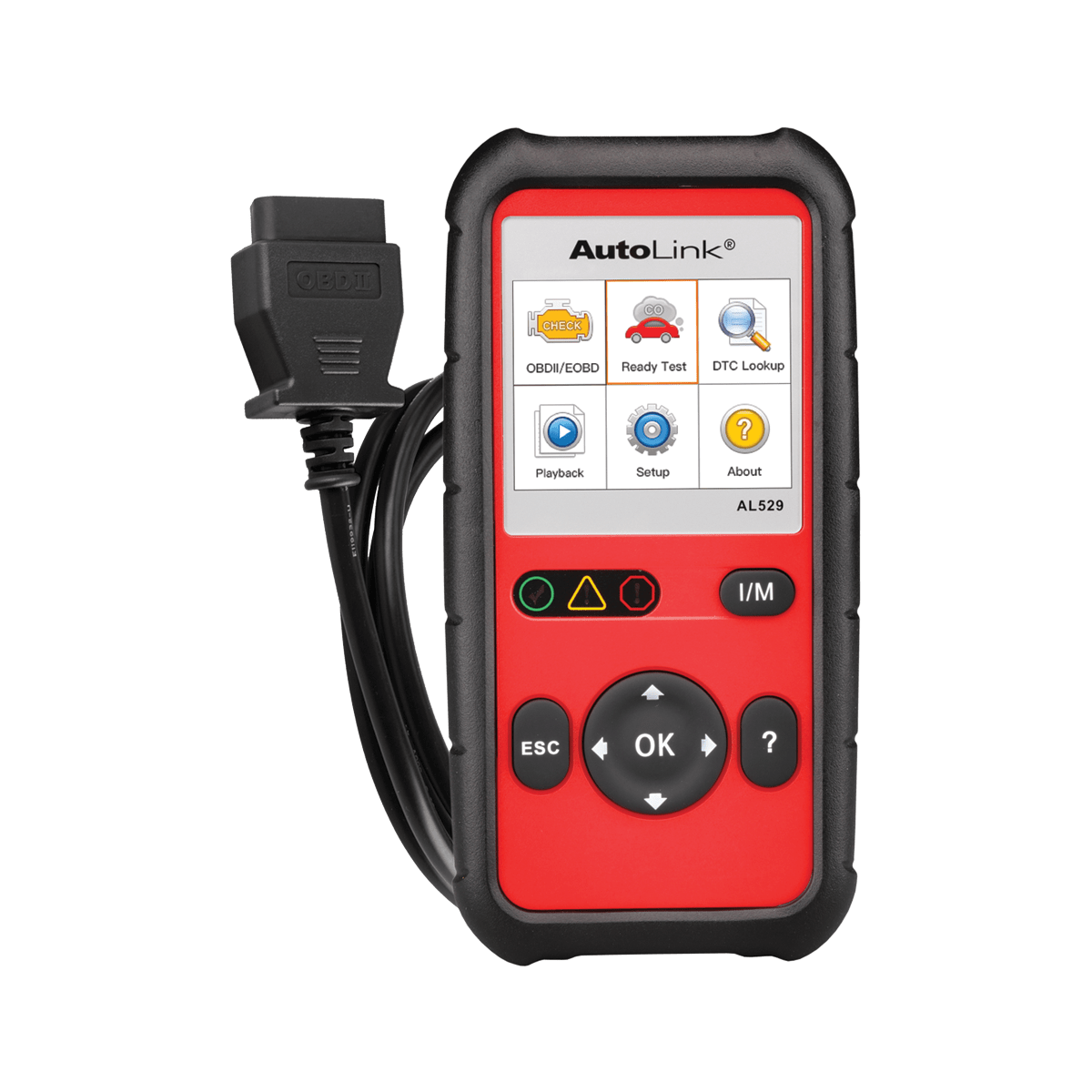
Many code readers can show both pending and permanent codes. However, not all basic scanners display permanent codes, so check your device’s manual. Some advanced scan tools and mechanic-level tools are needed for full details.
Steps To Read Codes
- Plug the scanner into the OBD-II port (usually under the dashboard).
- Turn the ignition to “on” or start the car.
- Follow the scanner’s instructions to read codes.
- Look for sections labeled pending and permanent.
- Write down any codes for later research or to show your mechanic.
Credit: www.klavkarr.com
What To Do If You Find A Pending Code
If your scanner shows a pending code but the check engine light is off, don’t panic. Here’s what you can do:
- Wait and see if the code clears after a few drives.
- Check for simple issues like a loose gas cap, which often causes emissions codes.
- If the code returns or becomes permanent, take action.
What To Do If You Find A Permanent Code
A permanent code means the problem is real and needs fixing. Here are the steps:
- Research the code to understand the issue.
- Fix the problem (yourself or with a mechanic).
- Drive the car for several cycles so the OBD-II system can run self-tests.
- Confirm with a scanner that the code is gone.
If the code stays, the repair may not be complete, or the car hasn’t finished its tests.
Common Mistakes With Check Engine Codes
Many drivers and even some mechanics make mistakes when dealing with codes:
- Clearing codes without fixing the problem: This only hides the issue for a short time.
- Ignoring pending codes: Small problems can become big if left alone.
- Not driving enough after a repair: Permanent codes need drive cycles to clear.
- Using basic scanners only: Some tools don’t show all code types.
How Many Drive Cycles To Clear Permanent Codes?
The OBD-II system often needs several drive cycles to clear a permanent code. A drive cycle means starting the car, reaching normal temperature, driving at different speeds, and stopping. For many cars, 3 to 5 complete drive cycles without the problem happening again will clear the code.
However, if the underlying issue is not fixed, the code will not clear, no matter how much you drive.
Permanent And Pending Codes In Vehicle Inspections
Many places require regular emissions or safety inspections. Inspectors check for active and permanent codes, not pending ones. If a permanent code is present, your car will likely fail the test until the problem is fixed and the code clears naturally.
Some drivers try to erase codes before inspection, but permanent codes prevent this trick. This helps protect the air and keeps cars running safely.
Real-world Example: Oxygen Sensor Code
Let’s say your car shows a pending code for P0133 (oxygen sensor slow response). If the sensor is just slow once, the pending code appears. If the problem happens again, it becomes permanent and the check engine light turns on.
You replace the sensor, clear the codes, and drive for a few days. The permanent code stays until the OBD-II system checks the sensor multiple times and confirms it works. Only then will the permanent code disappear.
Tips For Car Owners
- Don’t ignore the check engine light: Even if the car seems fine, get the codes checked.
- Use a quality scanner: Some cheap tools miss permanent codes.
- Fix the root cause: Clearing codes without repair only hides the problem.
- Drive normally after repairs: Allow the system to check and clear codes.
- Keep records: Write down codes and repairs for future reference.
Permanent And Pending Codes: Quick Reference
Here’s a summary table to help you remember the key points:
| Code Type | Triggers Check Engine Light | Cleared Manually? | Main Purpose |
|---|---|---|---|
| Pending | No | Yes | Early warning |
| Permanent | Yes | No | Confirms real, fixed issue |
Credit: truckandautodiagnostictools.com
Non-obvious Insights Most Drivers Miss
- Permanent codes protect against “code clearing” tricks: Many car owners try to erase codes before inspections. Permanent codes stop this, ensuring only real repairs clear problems.
- Pending codes can warn you about patterns: If you see the same pending code often, it’s a sign of a developing issue—even if the light is off. Early action can prevent breakdowns.
Learn More
For more technical details, the official U.S. Environmental Protection Agency offers clear information about OBD-II codes. See this resource: EPA OBD-II Information.
Credit: www.klavkarr.com
Frequently Asked Questions
What Is The Main Difference Between A Pending And A Permanent Code?
A pending code signals a possible issue that the car’s system wants to check again, while a permanent code means the problem was confirmed and will only clear after a real fix and enough drive cycles.
Can I Pass An Inspection With A Pending Code?
Yes, most vehicle inspections only look for active and permanent codes. Pending codes are not usually a reason to fail.
How Can I Clear A Permanent Code?
You cannot clear a permanent code with a scanner. You must repair the problem and drive your car enough for the OBD-II system to confirm the fix before the code clears itself.
Will A Loose Gas Cap Cause A Permanent Code?
Yes, if a loose gas cap triggers an emissions problem and you don’t fix it, the system can set a permanent code. Tightening the cap and driving for a few days will usually fix the issue.
Do All Scan Tools Read Permanent Codes?
No, some basic scan tools only read active and pending codes. Advanced or professional tools are often needed to see permanent codes.
When you know the difference between pending and permanent check engine codes, you can make smarter decisions about car repairs, avoid inspection headaches, and keep your vehicle running smoothly. Understanding these codes puts you in control, not your dashboard warning light.