
Buying a pickup truck is a big decision—one that goes beyond just choosing a vehicle with a strong engine or a large bed. For many, a pickup is not just for work; it’s a daily driver, a family hauler, and sometimes even a lifestyle statement.
Whether you’re a business owner, a weekend warrior, or someone who just loves the rugged utility, understanding what really matters when buying a pickup truck can save you money and headaches. Let’s break down everything you need to know to make a smart, confident choice.
Understanding Your Needs
Before looking at brands and models, take time to think about how you’ll use your pickup truck. Will you tow heavy trailers, or just carry tools to a job site? Do you need space for family, or just two seats? Many buyers skip this step and end up with trucks that are too big or too small for their real needs.
Think about:
- Payload: How much weight you’ll carry in the bed.
- Towing capacity: How heavy your trailers or boats are.
- Cab size: Do you need two, four, or more seats?
- Drivetrain: Will you drive off-road, in snow, or mostly on city streets?
Understanding these points will help you avoid overpaying for features you’ll never use, or missing out on ones you need.
Key Pickup Truck Types
Pickup trucks come in several main categories. Each has unique strengths and weaknesses.
Midsize Trucks
Midsize trucks like the Toyota Tacoma or Ford Ranger are easier to drive and park than larger trucks. They’re great for light-duty work, small families, and those who don’t need huge towing power.
Full-size Trucks
These are the most popular in North America. The Ford F-150, Chevrolet Silverado 1500, and Ram 1500 offer a good balance of power, space, and comfort. They can tow heavy trailers and often have more luxury options.
Heavy-duty Trucks
If you need to tow massive trailers or haul very heavy loads, trucks like the Ford F-250 or Chevy Silverado 2500HD are built for those tasks. They’re less comfortable for daily commuting but unbeatable for hard work.
Compact Trucks
A newer trend, compact pickups like the Ford Maverick are even smaller than midsize trucks, offering car-like comfort and good fuel economy with a practical bed.
Essential Features To Compare
When you look at specific trucks, these features make a real difference:
Engine Options
Pickup trucks offer a range of engines, from efficient four-cylinders to powerful V8s and diesels. More power can mean higher towing and payload, but also higher fuel costs. Many new trucks offer turbocharged engines that give good power and better fuel economy.
Bed Length And Configuration
Truck beds come in several lengths. Longer beds mean more cargo, but make the truck harder to park. Some trucks offer features like built-in storage, power outlets, or even tailgates that turn into steps.
Cab Styles
Cab size affects both seating and price. Here’s a quick comparison:
| Cab Style | Seating Capacity | Typical Use |
|---|---|---|
| Regular Cab | 2-3 | Work, basic transport |
| Extended Cab | 4-5 | Occasional family use |
| Crew Cab | 5-6 | Families, full-time seating |
Towing And Payload
Manufacturers list towing capacity (how much the truck can pull) and payload capacity (how much it can carry in the bed and cab). Check your real needs and compare these numbers.
Four-wheel Drive (4wd) Vs. Two-wheel Drive (2wd)
If you often drive in snow, mud, or off-road, 4WD is valuable. But 2WD trucks are lighter, cheaper, and get better fuel economy. Some trucks offer all-wheel drive (AWD), combining both benefits for light off-roading.
Technology And Comfort
Modern pickups can be as luxurious as premium sedans. Look for:
- Infotainment systems: Touchscreens, smartphone connections (Apple CarPlay, Android Auto)
- Safety features: Blind-spot monitoring, automatic braking, lane-keeping assist
- Comfort: Heated seats, advanced climate control, premium sound systems
Fuel Economy
Trucks are not known for high fuel efficiency, but newer models, especially hybrids, can surprise you. For example, the Ford F-150 Hybrid averages over 24 mpg, far above older trucks.
Price And Ownership Costs
Don’t just look at sticker price. Consider insurance, fuel, maintenance, and how much the truck will be worth when you sell it (resale value). Some brands, like Toyota, hold their value better than others.
New Vs. Used Pickup Trucks
Buying new means you get the latest features, full warranty, and no worries about previous damage. But new trucks lose value quickly—the first three years often see a 30-40% drop in value.
Used trucks can save you thousands, but you need to check them carefully for hidden damage or wear. Trucks that have been used for heavy towing or off-roading may have more problems.
Quick Pros And Cons
| New Truck | Used Truck | |
|---|---|---|
| Price | Higher | Lower |
| Warranty | Full | Limited/Expired |
| Features | Latest | May be outdated |
| Depreciation | High in first years | Lower |
Pro tip: If you choose used, try to find a certified pre-owned (CPO) truck. These are checked by the dealer and come with a warranty.
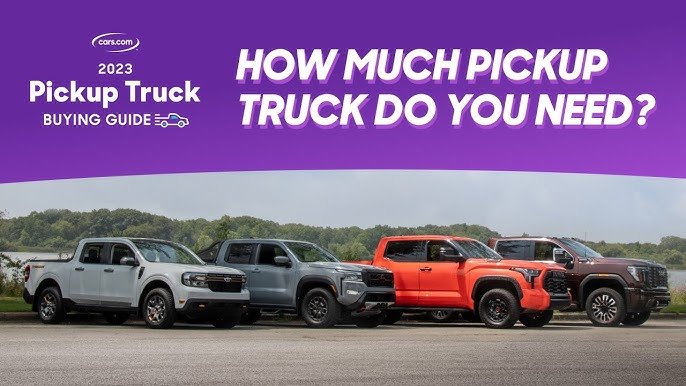
Credit: www.youtube.com
Top Mistakes Pickup Truck Buyers Make
Many first-time buyers miss details that cost them later. Here are common pitfalls and how to avoid them:
- Overbuying: Choosing a bigger, more powerful truck “just in case.” Bigger trucks cost more to buy, own, and fuel.
- Ignoring Payload and Towing Labels: Every truck has a sticker inside the door showing max payload and towing. Don’t guess—check the numbers.
- Forgetting About Parking and Maneuvering: Some pickups are huge. Try parking one at your home and workplace before buying.
- Not Testing Ride Comfort: Trucks have improved, but some still ride rougher than SUVs or cars, especially when empty.
- Skipping Research on Reliability: Some truck models have known issues. Check owner forums and reviews for long-term reliability, not just the first year.
- Missing Out on Incentives: Dealers often offer rebates, low-interest loans, or free accessories, especially near model year-end.
- Overlooking Bed and Cab Use: Think about what you’ll actually carry, and who will ride with you most often.
Comparing Popular Pickup Truck Models
Let’s look at some of the most popular pickups in North America, highlighting their main strengths:
| Model | Main Strengths | Notable Weakness |
|---|---|---|
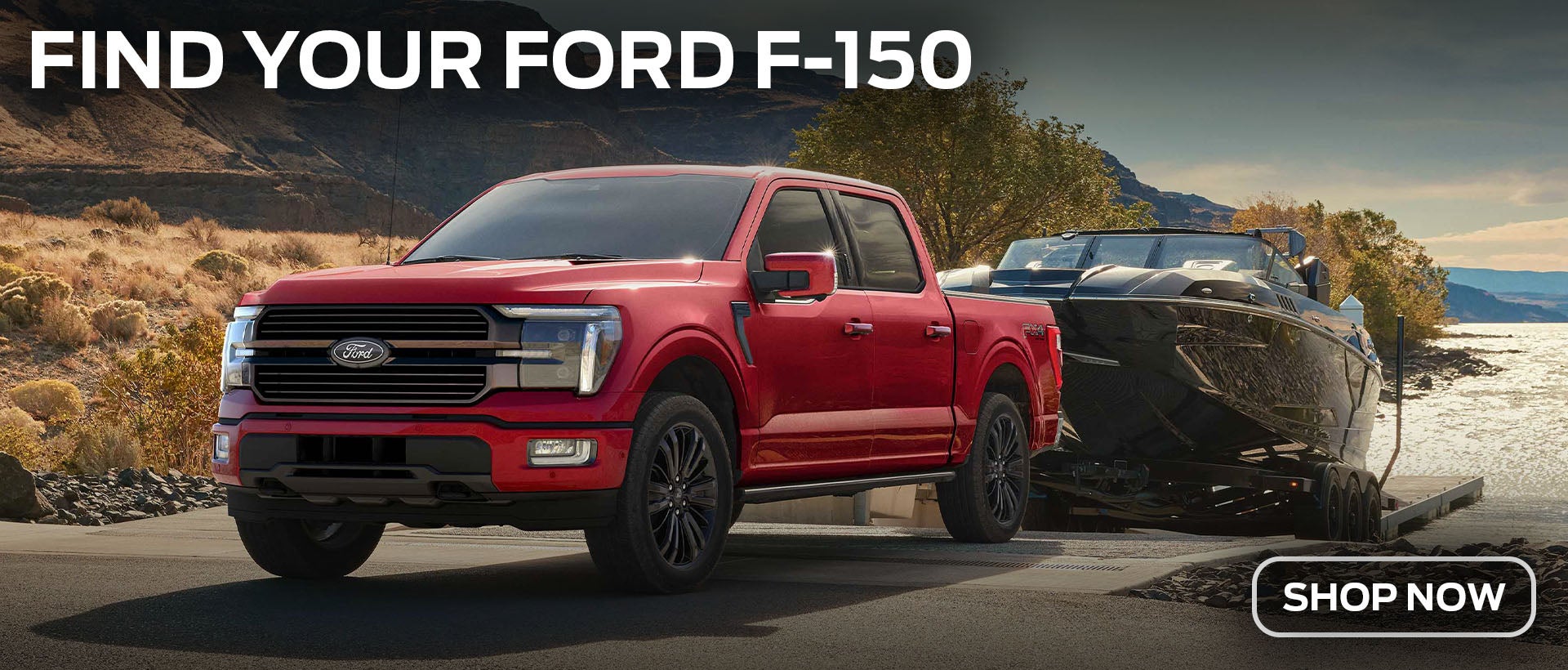
| Ford F-150 | Strong engines, high towing, innovative features | Some trims can get expensive |
| Chevrolet Silverado 1500 | Wide engine choice, good value, roomy cabin | Interior style less modern than rivals |
| Ram 1500 | Best ride comfort, luxury options, mild-hybrid tech | Lower towing than some rivals |
| Toyota Tacoma | Top reliability, off-road strength | Less refined ride, dated interior |
| Honda Ridgeline | Car-like comfort, clever storage, AWD standard | Not for heavy towing or off-road |
| Ford Maverick | Hybrid, great fuel economy, affordable | Smaller bed, less power |
Credit: www.pittsvilleford.com
Practical Tips For A Smart Purchase
- Test drive more than one truck. Even similar models can feel very different.
- Check real-world fuel economy. EPA estimates are helpful, but owner forums often share real numbers.
- Ask about warranty and service. Some brands offer free maintenance for the first years.
- Consider where you’ll service the truck. Not every mechanic is comfortable with diesel or hybrids.
- Read the fine print on options. Sometimes, popular features (like 4WD or towing packages) are not standard.
- If you tow, test with a trailer. Many dealers will let you bring your trailer to see how the truck handles.
- Look for hidden costs. Larger trucks can cost more for tires, brakes, and insurance.
Non-obvious Insights Most Buyers Miss
- Payload is often less than you think. If you buy a heavily-optioned truck with a luxury cab, the payload rating drops because the truck itself is heavier. Always check the sticker, not just the brochure.
- Towing claims can be misleading. The highest towing numbers often require special options (like a certain axle ratio or towing package). The “base” truck may tow much less.
- Ride quality matters more than expected. Many buyers focus on power and towing, but if you spend hours driving on rough roads, a smoother ride can make a huge difference in daily comfort.
Credit: www.ottocarsofgreenwich.com
Where To Research Further
For deep comparisons, crash test results, and owner reports, websites like Edmunds provide detailed reviews and buying advice.
Frequently Asked Questions
What Is The Difference Between Payload And Towing Capacity?
Payload is the total weight your truck can carry in the cab and bed, including passengers and cargo. Towing capacity is how much your truck can pull behind it, like a trailer or boat. Both are important and are listed on a sticker inside the truck door.
Is Four-wheel Drive Necessary For City Driving?
For most city driving, two-wheel drive is enough. Four-wheel drive is helpful if you often drive in snow, mud, or off-road, but it adds weight and cost. Some newer trucks offer all-wheel drive, which is useful for wet roads but not as strong off-road.
How Do I Know If A Used Truck Is A Good Buy?
Check the truck’s service history, look for signs of heavy use (worn bed, rust, dirty engine), and have a trusted mechanic inspect it. Trucks used for construction or towing may have more wear. Certified pre-owned trucks from dealers are a safer bet.
Which Pickup Truck Has The Best Resale Value?
Toyota Tacoma and some full-size Ford and Chevy models are known for keeping value best. Trucks with fewer accidents, lower miles, and good maintenance records also sell for more.
Are Hybrid Or Electric Pickup Trucks A Good Choice?
Hybrid pickups like the Ford F-150 Hybrid offer better fuel economy and can still tow well. Electric trucks are new but improving quickly. If you do lots of towing or long drives, check the real-world range, as towing can lower electric range a lot.
Choosing the right pickup truck takes time and research, but the rewards are worth it. Focus on your real needs, compare the most important features, and don’t rush your decision. With the right information, you’ll find a truck that fits your life and works hard for years to come.