
When you turn your steering wheel and nothing happens, or it feels much heavier than usual, it’s more than just annoying—it can be dangerous. Power steering not working is a problem that leaves many drivers confused and worried. Whether you’re in a parking lot or on the highway, losing power steering changes how your car responds and makes every turn a challenge. But what causes this problem, and what can you do about it? Understanding the reasons behind power steering failure can help you fix the issue faster, avoid expensive repairs, and stay safer on the road.
In this article, you’ll learn the most common causes of power steering failure, how to spot the warning signs early, and what you can do to prevent problems in the future. I’ll also share some practical tips most beginners miss, and answer the questions drivers ask most.
By the end, you’ll have a full understanding of why your power steering might stop working—and what steps to take next.
How Power Steering Works
Before diving into the causes, it helps to know how power steering systems function. There are two main types:
- Hydraulic power steering: Uses a pump, fluid, and hoses to make turning the wheel easier.
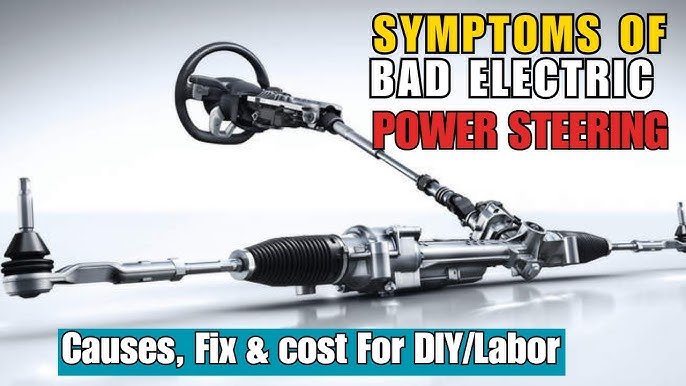
- Electric power steering: Uses an electric motor and sensors instead of fluid.
Both systems are designed to reduce the effort needed to steer your car, especially at low speeds. But each has its own weak points where things can go wrong.
Most Common Causes Of Power Steering Failure
Understanding why your power steering isn’t working starts with knowing the main trouble spots. Let’s break down each one, including examples and warning signs.
1. Low Power Steering Fluid
For hydraulic systems, fluid is the lifeblood. If the fluid is low, the system can’t build pressure. You’ll notice the steering wheel feels stiff, especially when turning at slow speeds.
Common reasons for low fluid:
- Leaks from hoses, seals, or the reservoir
- Not refilling after repairs
Signs you have low fluid:
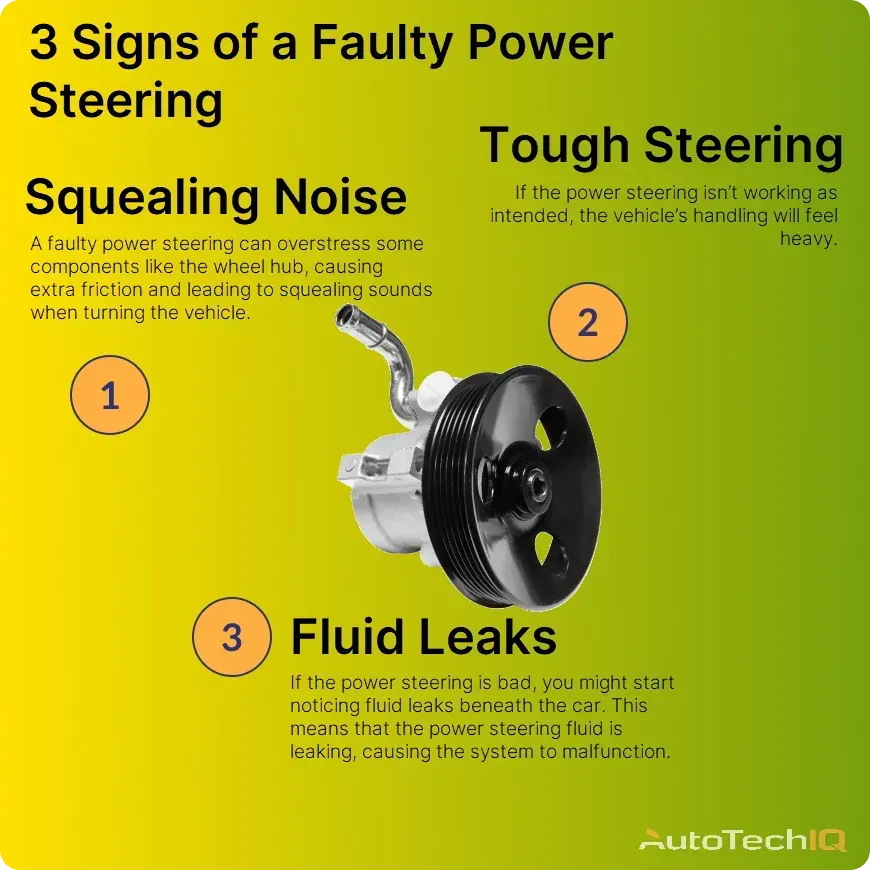
- Whining or groaning noises when you turn the wheel
- Visible leaks under the car
- Steering feels hard or jerky
Ignoring low fluid can damage the pump and lead to bigger problems.
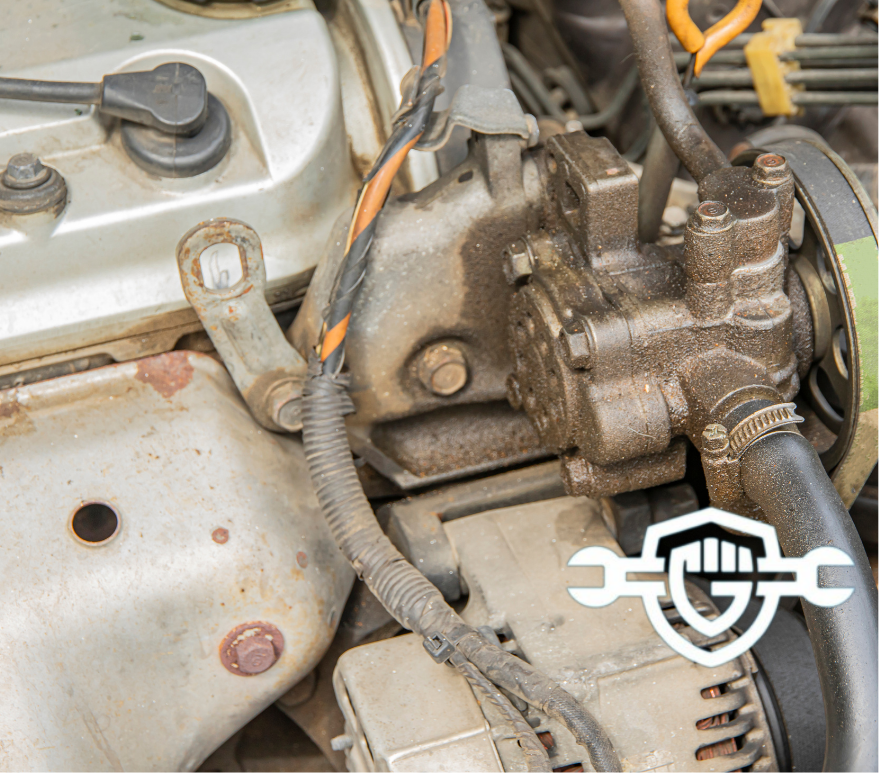
2. Power Steering Pump Failure
The power steering pump creates the pressure that makes your steering easy. If it fails, you lose the assistance.
Symptoms of a failing pump:
- Squealing or whining sounds
- Fluid leaks near the pump
- Steering gets harder over time
A pump can fail from old age, running without enough fluid, or internal wear.
3. Broken Or Loose Drive Belt
Hydraulic pumps are driven by a serpentine belt or drive belt from the engine. If this belt breaks or slips, the pump stops working.
How to spot belt issues:
- Sudden loss of steering assist
- Squealing noise from the engine bay
- Other accessories (like air conditioning) may stop working too
Belt problems often happen in older cars or after a belt change.
4. Power Steering Fluid Contamination
If dirt, metal shavings, or water get into the power steering fluid, it can clog valves and damage the pump.
What you might notice:
- Fluid looks dark or dirty
- Steering feels jumpy or notchy
- Noises even after adding new fluid
Changing the fluid regularly helps prevent this problem.
5. Leaking Power Steering Hoses
The hoses that carry fluid can crack or leak over time, especially if exposed to heat or engine movement.
Leak signs include:
- Drips or puddles under the car
- Low fluid level in the reservoir
- Steering effort increases slowly
Always use the correct type of hose and clamps when replacing them.
6. Steering Rack Or Gearbox Failure
The steering rack (or gearbox in some trucks) is where the steering wheel’s movement turns into wheel movement. If it wears out or fails, steering becomes hard or uneven.
Symptoms of rack/gearbox issues:
- Clunking noises when turning
- Uneven steering feel
- Fluid leaks at the rack ends
This is a more expensive repair, but ignoring it can make the car unsafe.
7. Electric Power Steering Motor Failure
Electric systems use a motor instead of fluid. If the motor fails, you lose assistance.
Watch for:
- Warning lights on the dashboard
- Intermittent loss of steering help
- No noises or leaks (unlike hydraulic problems)
Sometimes, the motor overheats and shuts off temporarily.
8. Faulty Power Steering Sensor
Modern electric steering uses sensors to detect how much help you need. A bad sensor can confuse the system.
Common signs:
- Steering feels light or heavy at random
- Warning lights or messages
- Steering returns to normal after restarting the car
Sensors can be affected by water, dirt, or electrical faults.
9. Electrical Issues: Fuses And Wiring
Blown fuses, bad relays, or broken wires can cut power to electric steering systems.
What to check for:
- No power steering, but no fluid leaks
- Other electrical problems in the car
- Steering works after replacing a fuse
These issues are more common in cars with electric steering.
10. Low Battery Voltage
Electric power steering needs a healthy battery and charging system. If the battery voltage drops, steering assist can disappear.
Warning signs:
- Dim headlights or slow engine cranking
- Power steering warning lights
- Steering works after recharging or replacing the battery
This is often missed by beginners, but it’s an easy fix.
11. Overheated Power Steering System
Both electric and hydraulic systems can overheat under heavy use or in hot weather.
You might notice:
- Steering gets harder after lots of tight turns
- Warning lights come on
- System works again after cooling down
Avoiding long periods of full-lock steering (wheel turned all the way) helps prevent this.
12. Worn Suspension Or Steering Components
Parts like ball joints, tie rods, or bushings can wear out, making the steering feel stiff or unresponsive.
Clues:
- Steering feels “sticky” in certain positions
- Uneven tire wear
- Knocking noises over bumps
Replacing worn suspension parts often restores proper steering feel.
Credit: www.youtube.com
Comparing Hydraulic Vs Electric Power Steering Failures
Different types of power steering have different weak points. Here’s a quick comparison to help you diagnose problems faster:
| Problem | Hydraulic System | Electric System |
|---|---|---|
| Low Fluid | Common cause | Not applicable |
| Pump Failure | Common | Not present |
| Motor Failure | Not present | Common |
| Electrical Issues | Rare | Common |
| Leaks | Common | Rare |
How To Diagnose Power Steering Problems
Finding the real cause can be tricky, but a step-by-step approach makes it easier:
- Check for leaks: Look under your car and around the engine bay.
- Inspect fluid level and color: Low or dirty fluid points to leaks or contamination.
- Listen for noises: Whining, groaning, or clunking sounds give clues.
- Look for warning lights: Electric systems often show dashboard alerts.
- Test the battery and fuses: Weak batteries or blown fuses cut power to electric steering.
- Feel for changes: Is the steering always stiff, or only sometimes? Does it change with speed?
If you’re not sure, a professional mechanic can use special tools to pinpoint the problem.
Credit: www.greatwater360autocare.com
Real-world Examples
Let’s look at two common situations:
- Hydraulic system: Anna’s 2012 sedan suddenly became hard to steer in a parking lot. She noticed a puddle under her car. The mechanic found a leaking hose and low fluid. Replacing the hose and refilling the fluid fixed the problem.
- Electric system: Mark’s 2018 hatchback showed a steering warning light and the steering felt heavy after a long drive. When the car cooled down, the problem vanished. The issue was an overheating electric motor. Cleaning the connections and avoiding long periods of full-lock steering solved it.
Preventing Power Steering Failure
Good maintenance is the key to reliable steering. Here are some tips that save you time and money:
- Check fluid level monthly (for hydraulic systems).
- Listen for new noises when turning the wheel.
- Replace belts and hoses before they fail.
- Use the correct fluid type—never mix brands or types.
- Don’t hold the steering at full lock for more than a few seconds.
- Have the battery and alternator tested regularly if you have electric steering.
Pro tip: Many drivers forget to change power steering fluid. Old, dirty fluid causes most pump and rack failures. Flush it every 50,000–80,000 km or as your car’s manual recommends.
Cost Comparison: Fixing Power Steering Problems
Knowing what repairs cost can help you decide what to fix and when.
| Repair Type | Hydraulic System Cost (USD) | Electric System Cost (USD) |
|---|---|---|
| Fluid Refill/Flush | $60–$120 | Not needed |
| Pump Replacement | $300–$700 | Not present |
| Motor Replacement | Not present | $500–$1,200 |
| Hose Replacement | $150–$350 | Rare |
| Steering Rack/Gearbox | $800–$1,500 | $1,000–$2,000 |
Tip: Prices vary by car make and model. Always get a written estimate before repairs.
Non-obvious Insights Most Drivers Miss
Many people focus only on the steering wheel when there’s a problem. But often, issues start elsewhere:
- Battery and charging system: A weak battery can cause electric steering to fail—long before you notice other electrical problems.
- Suspension wear: Tight or worn suspension parts can make steering feel wrong, even if the steering system is fine.
Checking these “hidden” areas can save you money and stop you from replacing the wrong parts.
Credit: www.autotechiq.com
When To See A Mechanic
If your steering suddenly gets very hard, or you hear loud noises from the system, it’s safest to stop and call for help. Driving without power steering is dangerous, especially at low speeds or in emergencies.
Some repairs, like flushing fluid or changing a fuse, are simple. But pump, rack, or motor replacements should be left to professionals.
Where To Learn More
If you want to dive deeper into how power steering works, or see diagrams of different systems, you can find detailed guides at the Wikipedia Power Steering Page.
Frequently Asked Questions
Why Does My Steering Wheel Feel Heavy All Of A Sudden?
A heavy steering wheel usually means your power steering isn’t working. The most common causes are low fluid, a broken drive belt, pump failure, or an electric motor problem. Check for leaks or warning lights first.
Can I Drive My Car If The Power Steering Fails?
You can still steer the car, but it will be much harder, especially at low speeds. It’s not safe to drive for long distances without power steering, as it increases your risk of losing control in emergencies.
What Happens If I Ignore Power Steering Problems?
Ignoring power steering issues can lead to pump or rack damage, more expensive repairs, and a higher chance of an accident. Leaking fluid can also damage other parts, like rubber bushings.
How Often Should I Change Power Steering Fluid?
For hydraulic systems, change the fluid every 50,000–80,000 km or as your owner’s manual says. Electric systems usually don’t need fluid changes.
What’s The Difference Between Hydraulic And Electric Power Steering?
Hydraulic systems use fluid and a pump to help with steering, while electric systems use a motor and sensors. Electric systems are more common in newer cars and often have fewer maintenance needs.
Losing your power steering can be stressful, but knowing the causes—and what to do next—gives you control. With regular checks and quick action when problems start, you’ll keep your car steering smoothly for years to come.