
A whining noise from your car is never a good sign, especially when it happens while you’re turning the steering wheel. If you drive a vehicle with hydraulic power steering, you might hear a high-pitched sound coming from under the hood. This noise often points to the power steering pump. Many drivers ignore it at first, hoping it will go away. But that whining sound is your car’s way of asking for attention. Understanding what causes it, how to fix it, and why it matters can save you money and help avoid dangerous situations on the road.
What Is A Power Steering Pump?
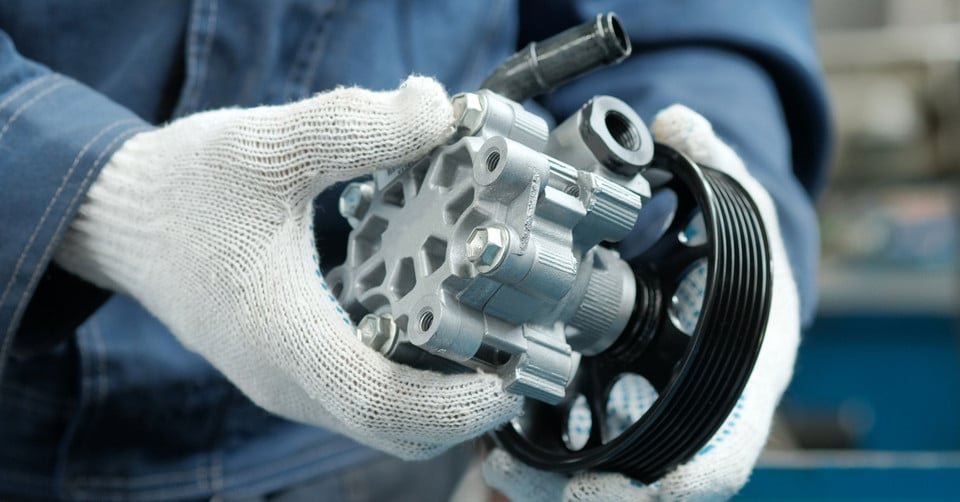
The power steering pump is a key part of the hydraulic steering system in most cars. It uses engine power to pressurize steering fluid, making it much easier to turn the steering wheel. When the pump works well, you barely feel the effort of steering. But when there’s a problem, the system can make whining, groaning, or squealing noises.
Common Causes Of Power Steering Pump Whining Noise
Understanding the root of the whining noise is the first step to fixing it. Here are the most common causes:
- Low Power Steering Fluid: If the fluid level drops, air can enter the system, leading to whining noises, especially during turns.
- Contaminated or Old Fluid: Over time, the fluid can get dirty or break down. Dirty fluid can’t lubricate properly, causing the pump to whine.
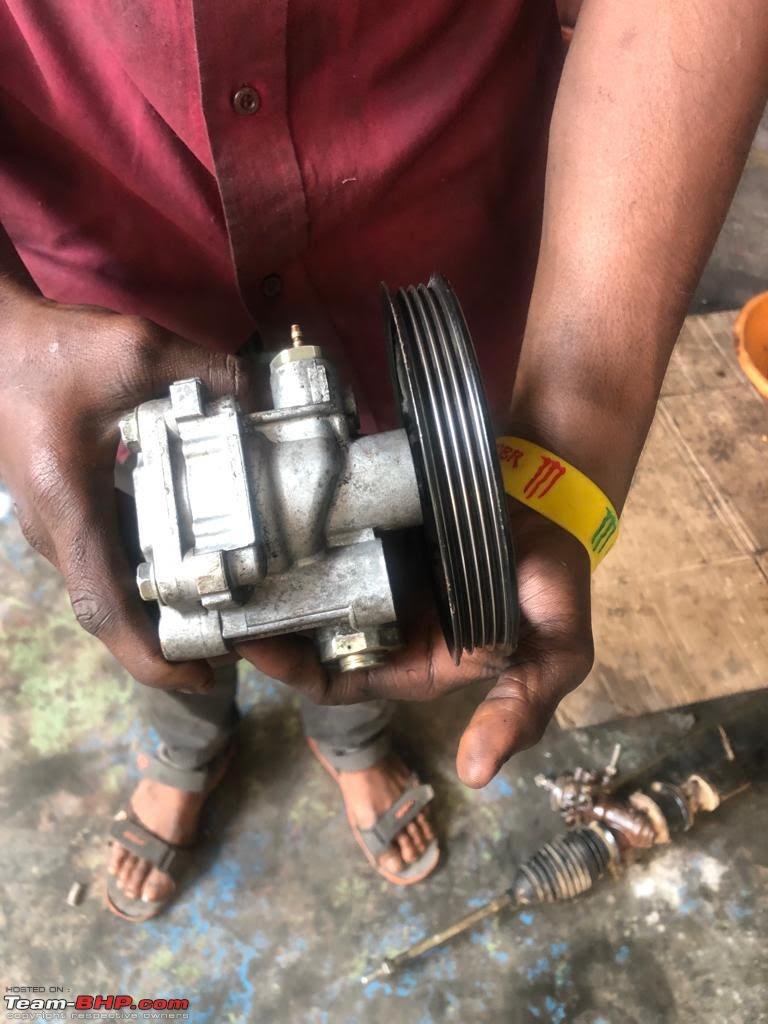
- Worn Power Steering Pump: Pumps have moving parts that wear out. A failing pump often makes more noise.
- Air in the System: Air bubbles in the hydraulic lines cause the pump to struggle, resulting in a whining sound.
- Leaking Hoses or Connections: Cracked or loose hoses can let air in or fluid out, leading to noise.
- Belt Issues: If the drive belt that powers the pump is loose, worn, or slipping, it can make the pump noisy.
- Clogged Steering Fluid Reservoir Filter: Some systems have a filter in the reservoir. If it gets clogged, fluid can’t flow smoothly, causing the pump to whine.
How To Diagnose Power Steering Pump Whining Noise
Pinpointing the exact cause is important for an effective repair. Here’s how you can diagnose the problem:
- Listen Carefully: Note if the noise happens only when turning, or all the time. If it’s louder when you turn, the pump is likely the culprit.
- Check Fluid Level: Open the hood and look at the power steering fluid reservoir. Most have “min” and “max” marks.
- Inspect Fluid Color and Smell: Good fluid is usually reddish or clear. Dark, brown, or burnt-smelling fluid needs changing.
- Look for Leaks: Check under your car for wet spots, especially under the pump and along the hoses.
- Check Belt Condition: The belt should be tight, without cracks or shiny spots.
- Look for Air Bubbles: If you see foam or bubbles in the fluid, there’s air in the system.
Table: Causes Of Power Steering Pump Whining Noise And Symptoms
| Cause | Typical Symptom | When Noise Occurs |
|---|---|---|
| Low Fluid | Hard steering, whining sound | When turning |
| Old/Dirty Fluid | Groaning or whining | All the time |
| Worn Pump | Louder whine, possible leaks | Anytime engine runs |
| Air in System | Foamy fluid, whining | Randomly |
| Leaking Hoses | Puddles, low fluid | After parking |
| Belt Issues | Squeal on startup or steering | When accelerating/turning |
| Clogged Filter | Whine, slow steering response | Continuous |
How To Fix Power Steering Pump Whining Noise
Fixing the whining noise depends on the cause. Here are practical steps you can take:
1. Top Up Power Steering Fluid
If the fluid is low, top it up with the recommended type. Don’t mix brands or types unless your owner’s manual says it’s okay.
- Locate the reservoir under the hood.
- Wipe off the cap to keep dirt out.
- Remove the cap and check the level.
- Add fluid slowly, checking the level as you go.
2. Flush And Replace Old Fluid
If the fluid is dirty, flushing the system can help.
- Use a turkey baster or siphon pump to remove old fluid.
- Refill with new fluid, start the engine, and turn the wheel from lock to lock.
- Repeat the process until the fluid stays clean.
Pro Tip: Many beginners only replace fluid in the reservoir. For best results, flush the whole system. Some shops offer power steering flush services.
3. Bleed Air From The System
Air in the system is a common cause of whining. To bleed air:
- With the front wheels off the ground, turn the steering wheel from lock to lock several times with the engine off.
- Start the engine and repeat.
- Check the fluid level and top up if needed.
4. Check And Replace Worn Belts
Inspect the drive belt that powers the pump. If it’s cracked or loose, replace it. Adjust tension as needed.
5. Inspect And Replace Leaking Hoses
Look for damp or oily spots on hoses. Replace any that are cracked or leaking. Make sure connections are tight.
6. Clean Or Replace The Reservoir Filter
If your car has a filter in the reservoir, clean or replace it according to your service manual.
7. Replace The Power Steering Pump
If the pump itself is worn out, it will keep making noise until replaced. This is a bigger job—often best left to professionals.
Table: Diy Fixes Vs. Professional Repair
| Fix | Can DIY? | Tools Needed | Average Cost (DIY) | Average Cost (Shop) |
|---|---|---|---|---|
| Top Up Fluid | Yes | Funnel, fluid | $10–$20 | $40–$70 |
| Flush Fluid | Yes | Siphon, fluid | $20–$50 | $70–$130 |
| Replace Belt | Yes/No | Wrenches, new belt | $15–$40 | $80–$150 |
| Replace Hoses | No (most cases) | Special tools | $30–$70 | $120–$300 |
| Replace Pump | No | Advanced tools | $60–$150 | $250–$600 |
Credit: www.caledonchrysler.ca
When To Seek Professional Help
While topping up fluid and checking belts are simple tasks, some repairs require experience. If you notice:
- The whining noise doesn’t stop after topping up fluid
- You see large leaks under your car
- Steering feels stiff or jerky
- The pump or belt needs replacing
…it’s best to visit a trusted mechanic. Delaying repairs can cause further damage to the steering rack or even lead to steering failure.
Why You Shouldn’t Ignore Power Steering Pump Whining
Many drivers make the mistake of ignoring a whining pump, thinking it’s just a small annoyance. However, ignoring the noise can be risky. The power steering system helps you control your car safely. If it fails, you could lose steering assist, making the wheel very hard to turn—dangerous at any speed.
Also, a whining pump is often a sign that something else is wrong, like a fluid leak. If left unchecked, leaks can damage other parts, such as the alternator or belts, and may lead to expensive repairs.
Preventing Power Steering Pump Whining
Prevention is better than cure. Here’s how to keep your power steering system healthy:
- Check fluid level regularly: At every oil change, check the power steering fluid.
- Use the right fluid: Always use the type specified in your owner’s manual.
- Inspect belts and hoses: At least twice a year, check for signs of wear or leaks.
- Flush old fluid: Many experts recommend changing the fluid every 40,000–60,000 miles, though some manuals say it’s “lifetime.”
- Address noises early: Don’t ignore new sounds. Early attention can prevent bigger problems.
Table: Power Steering System Maintenance Tips
| Maintenance Task | How Often? | What to Look For |
|---|---|---|
| Check Fluid Level | Every oil change | Low or dirty fluid |
| Inspect Belts | Twice a year | Cracks, looseness |
| Inspect Hoses | Twice a year | Leaks, soft spots |
| Flush Fluid | 40,000–60,000 miles | Dirty or old fluid |
| Listen for Noise | Always | New or unusual sounds |
Non-obvious Insights Most Beginners Miss
- Mixing fluid types can worsen the problem. Some power steering fluids are not compatible with each other. Using the wrong fluid can cause seals to swell or shrink, leading to leaks and more noise.
- Noise can come from other sources. Sometimes, a whine isn’t the pump at all. Alternator bearings, AC compressors, or even wheel bearings can make similar noises. Double-check before replacing parts.
Real-world Example
A 2012 Honda Accord owner heard a whining noise when turning left. The fluid level was fine, but the fluid was dark brown. Flushing the fluid and bleeding air from the system fixed the noise. If he had ignored it, the pump might have failed completely.
Credit: www.team-bhp.com
Useful Resources
For detailed guides and maintenance schedules, you can check the Wikipedia page on power steering. Always refer to your car’s service manual for fluid type and repair instructions.
Frequently Asked Questions
Why Does My Power Steering Pump Whine When I Start My Car?
A whining noise at startup often means the fluid is low or air is in the system. Cold weather can also make fluid thicker, causing noise until it warms up.
Is It Safe To Drive With A Whining Power Steering Pump?
You can drive for a short time, but it’s not recommended. The noise signals a problem that can lead to loss of steering assist or pump failure.
How Much Does It Cost To Fix A Whining Power Steering Pump?
Costs vary. Topping up fluid is cheap ($10–$20), but replacing a pump can cost $250–$600 at a repair shop.
Can I Use Any Power Steering Fluid?
No. Always use the fluid recommended by your car’s manufacturer. The wrong fluid can damage seals and cause more noise.
Does A Whining Power Steering Pump Mean It’s Failing?
Not always. It can mean low or dirty fluid, air in the system, or a worn belt. If the noise continues after basic fixes, the pump may be failing.
A whining power steering pump should never be ignored. Early diagnosis and repair can save you money and keep your car safe to drive. Listen to your car—fix the noise before it becomes a bigger problem.
Credit: www.youtube.com