
When your car starts running hot or you notice puddles of coolant under the hood, many drivers fear the worst. But often, the problem is not a blown engine or a faulty radiator—it’s a worn-out radiator hose. These flexible tubes quietly keep your engine cool by moving coolant between the radiator and the engine block. Ignoring a bad hose can lead to overheating, expensive repairs, and even a stranded car. This guide explains when radiator hose replacement is necessary, how to spot problems, what’s involved in replacing them, and tips for a reliable cooling system.
What Are Radiator Hoses And Why Do They Matter?
Radiator hoses may seem like simple rubber pipes, but they are essential for a healthy cooling system. There are usually two main hoses: the upper radiator hose (carries hot coolant from the engine to the radiator) and the lower radiator hose (returns cooled fluid to the engine). These hoses face high temperatures, pressure, and exposure to chemicals, so they wear out over time.
A failed hose can leak coolant, causing engine overheating. This can warp engine parts or damage the head gasket, leading to repair bills that can cost thousands of dollars. So, regular inspection and timely replacement of radiator hoses are key to keeping your car running smoothly.
Signs You Need Radiator Hose Replacement
Sometimes, a bad radiator hose is easy to spot. But often, the signs can be subtle. Pay attention to these warnings:
1. Visible Cracks Or Bulges
Check your hoses for cracks, splits, or swelling. Bulges mean the hose is weakening and could burst soon.
2. Coolant Leaks
Bright green, orange, or pink fluid under your car may be coolant. Leaking hoses are a common cause.
3. Soft Or Spongy Hoses
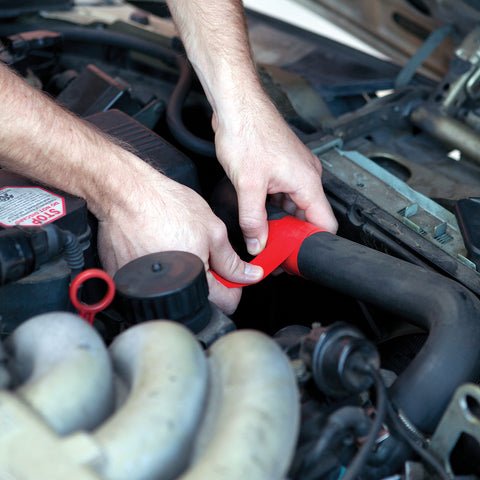
When the engine is cool, squeeze the hose. If it feels soft or mushy, the rubber is breaking down.
4. Collapsed Hose
A hose that looks flattened may be clogged or have a weak structure. This restricts coolant flow and can cause overheating.
5. High Engine Temperature
If your dashboard temperature gauge rises, don’t just check the radiator—inspect the hoses.
6. Steam From The Hood
This dramatic sign often means a hose has split, letting hot coolant escape.
7. Age And Mileage
Hoses usually last 4-6 years or about 60,000-100,000 km. Even if they look fine, old hoses can fail suddenly.
Why Do Radiator Hoses Go Bad?
Several factors can shorten a radiator hose’s life:
- Heat and Pressure: Constant hot coolant and engine vibration wear the rubber.
- Chemical Exposure: Oil leaks, old coolant, or contamination can eat away the hose from inside.
- Improper Installation: Twisted or stretched hoses may crack early.
- Poor Quality Parts: Cheap hoses often use weaker materials.
Non-obvious insight: Even if your radiator hose looks good outside, tiny cracks can form inside. Over time, these become leaks you can’t see until it’s too late. Also, using the wrong coolant mix can speed up hose breakdown.
How To Inspect Your Radiator Hoses
Regular checks can prevent breakdowns. Here’s how:
- Wait for the engine to cool. Never touch the cooling system when hot—it can cause burns.
- Look for obvious leaks or damage. Shine a flashlight on both the upper and lower hoses.
- Feel the hose. Gently squeeze along its length. It should feel firm, not squishy or brittle.
- Check clamps and connections. Loose or rusty clamps can allow leaks.
- Listen for hissing. This may mean a small leak under pressure.
If you notice any warning signs, it’s time to replace the hose.
Step-by-step Radiator Hose Replacement
Changing a radiator hose is a moderate DIY task. Here’s what you’ll need:
- New radiator hose (make sure it matches your car model)
- Hose clamps (replace old ones)
- Coolant (enough to top up or refill)
- Screwdriver or pliers
- Drain pan and gloves
Follow these steps:
1. Let The Engine Cool Completely.
Hot coolant is dangerous.
2. Locate The Faulty Hose.
Most cars have two main hoses. Identify which one needs replacement.
3. Drain Coolant.
Place a pan under the radiator, open the drain plug, and let coolant flow out. Save it for reuse or safe disposal.
4. Loosen Hose Clamps.
Use a screwdriver or pliers. Slide the clamps away from the hose ends.
5. Remove The Old Hose.
Twist gently to break the seal. If stuck, use a knife to cut, but avoid damaging metal fittings.
6. Clean Fittings.
Wipe away old coolant and debris from the radiator and engine connections.
7. Fit The New Hose.
Slide it onto the fittings. The hose should fit snugly without bending sharply.
8. Install New Clamps.
Position them behind the raised bead on the fitting. Tighten securely, but don’t over-tighten.
9. Refill Coolant.
Use the correct mixture for your car (usually 50/50 coolant and water).
10. Bleed Air From The System.
Start the engine with the radiator cap off. Let it run until the thermostat opens and air bubbles escape.
11. Check For Leaks.
Inspect clamps and hose ends for drips.
12. Dispose Of Old Coolant Safely.
Never pour it down the drain—take it to a recycling center.
Practical tip: Replace both upper and lower hoses at the same time, even if only one is bad. They usually wear out together.
Cost Of Radiator Hose Replacement
Costs depend on your car and whether you do it yourself or hire a mechanic.
| Replacement Type | Estimated Cost (USD) |
|---|---|
| DIY (parts only) | $20 – $60 per hose |
| Mechanic (parts + labor) | $80 – $200 per hose |
| Coolant refill | $10 – $30 |
High-end or European cars may cost more due to special hose shapes or access issues.
Choosing The Right Radiator Hose
Not all hoses are equal. Here’s what matters:
- Material: Most hoses are made from EPDM rubber, which resists heat and chemicals. Silicone hoses last longer but cost more.
- Fit: The hose must match your car’s make, model, and year. Universal hoses can work in emergencies but may not last as long.
- Brand Quality: Stick to well-known brands for reliability.
Here’s a comparison of common hose materials:
| Hose Material | Durability | Cost | Temperature Resistance |
|---|---|---|---|
| EPDM Rubber | Good | Low | 120°C (248°F) |
| Silicone | Excellent | High | 200°C (392°F) |
| Universal/Flex | Average | Medium | Varies |
Non-obvious insight: Some cars use special molded hoses for tight spaces. Always check the shape and length before buying.
Common Mistakes To Avoid
Many drivers and DIYers make these errors:
- Reusing old clamps: Weak or rusty clamps can cause leaks. Replace them with new ones.
- Not bleeding air: Air pockets prevent coolant from flowing and can cause overheating.
- Mixing wrong coolant: Always use the type recommended in your car’s manual.
- Ignoring hidden leaks: Small leaks can turn into big problems. Check your work after replacement.
- Forgetting to check hose routing: Hoses rubbing against engine parts can wear through quickly.
Credit: rescuetape.com
How Long Do Radiator Hoses Last?
Most radiator hoses last between 4 to 6 years or 60,000 to 100,000 kilometers, but heavy use or harsh environments can shorten this. If your car is older or you drive in very hot places, check hoses every oil change.
Here’s a simple age versus mileage guideline:
| Vehicle Age / Mileage | Replacement Needed? |
|---|---|
| Less than 4 years / 60,000 km | Check annually |
| 4-6 years / 60,000-100,000 km | Consider replacement |
| More than 6 years / 100,000 km | Replace, even if no signs |
Tips For A Healthy Cooling System
Keeping your radiator hoses in good shape is part of caring for the whole cooling system. Here are some simple tips:
- Check coolant level regularly.
- Inspect hoses and clamps every oil change.
- Flush and replace coolant every 2-3 years.
- Fix small leaks right away.
- Keep an eye on the temperature gauge.
If you’re unsure, ask a trusted mechanic to check your hoses during routine service.

Credit: www.theautomonkey.com
When To Let A Mechanic Handle It
While changing a radiator hose is doable for many car owners, let a pro handle it if:
- You’re not comfortable working under the hood.
- The hose is hard to reach (some modern cars are cramped).
- You have a pressurized cooling system that’s tricky to bleed.
Professional service also includes a pressure test to check for leaks you might miss.
Frequently Asked Questions
How Often Should Radiator Hoses Be Replaced?
Most hoses last 4–6 years or about 60,000–100,000 kilometers. Replace sooner if you see cracks, leaks, or swelling. Even if hoses look okay, age can cause hidden damage.
Can I Drive With A Leaking Radiator Hose?
It’s risky. A leaking hose loses coolant fast. This can overheat the engine and cause major damage. If you must drive, stop often to check coolant and refill, but it’s best to fix the hose first.
Do I Need To Replace Both Hoses At Once?
It’s smart to replace both upper and lower hoses together. They age at the same rate, so if one goes bad, the other may fail soon after. This saves time and prevents breakdowns.
What’s The Difference Between Heater Hoses And Radiator Hoses?
Radiator hoses connect the radiator to the engine, carrying most of the coolant. Heater hoses send coolant to your cabin heater. Both can fail, but radiator hoses are usually larger and more critical for engine cooling.
Where Can I Learn More About Car Cooling Systems?
A detailed overview is available at the Wikipedia Cooling System page, which covers how cooling systems work and why maintenance matters.
Taking care of your radiator hoses is a small task that prevents big problems. By knowing when and how to replace them, you keep your car reliable—and your engine cool for years to come.

Credit: shop.advanceautoparts.com
