
A sudden rotten egg smell from your car can be alarming, especially if you are not sure what is causing it. This unpleasant odor is more than just a nuisance—it often signals a mechanical issue that should not be ignored. While some car problems are minor, a strong sulfur-like smell usually points to issues with your car’s exhaust or fuel system. Left unchecked, these problems can lead to more serious damage and expensive repairs. Understanding what causes this smell, how to diagnose it, and what you can do to fix it will help you keep your car safe, reliable, and odor-free.
Why Does My Car Smell Like Rotten Eggs?
The typical rotten egg odor comes from hydrogen sulfide gas. This gas is a natural byproduct when fuel burns inside your engine. Normally, your car’s catalytic converter changes hydrogen sulfide into odorless sulfur dioxide. If you smell rotten eggs, it means something is wrong in this process.
Common Causes
- Faulty Catalytic Converter: When the catalytic converter gets blocked or stops working, it cannot clean up the exhaust gases. This is the most common reason for the rotten egg smell.
- Bad Fuel Pressure Regulator: If this part fails, your engine might burn too much fuel. Extra fuel creates more hydrogen sulfide, making the smell stronger.
- Worn-Out Oxygen Sensors: These sensors tell your car’s computer how much fuel to use. If they break, the fuel mix can get too rich, causing the odor.
- Old or Contaminated Fuel: Stale or dirty fuel may contain sulfur that the engine cannot process, leading to a strong smell.
- Clogged Fuel Filter or Injectors: Blocks in the fuel system can mess up fuel burning, again producing more sulfur gases.
- Transmission Fluid Leaks (in certain cars): Some cars use special transmission fluid that, if it leaks and burns, creates a rotten egg smell.
How To Diagnose The Rotten Egg Smell
Finding the real source of the smell is important. Here’s a step-by-step guide:
- When Do You Smell It? Is it only after starting the car? When idling? Only after driving for a while? The timing can hint at which part is failing.
- Check the Dashboard: Warning lights like the check engine light or maintenance required light give clues about what’s wrong.
- Listen for Noises: A rattling under the car can mean the catalytic converter is broken.
- Look for Leaks: Check under your car for oil or transmission fluid spots.
- Examine Tailpipe Smoke: Blue or black smoke can indicate fuel or oil burning incorrectly.
- Smell Inside vs. Outside: If you smell it inside the car, it could be a leak in the exhaust system. Outside only? Likely a catalytic converter issue.
What To Do If You Notice The Smell
Act quickly when you notice a rotten egg smell:
- Do not ignore it. Delaying repairs can damage other car parts.
- Open windows if you smell it inside, and get fresh air.
- Drive to a mechanic as soon as possible, especially if you see warning lights.
- Do not try to mask the odor with air fresheners. Fix the cause instead.
Main Causes Explained In Detail
Let’s look closer at each cause and what it means for your car.
Faulty Catalytic Converter
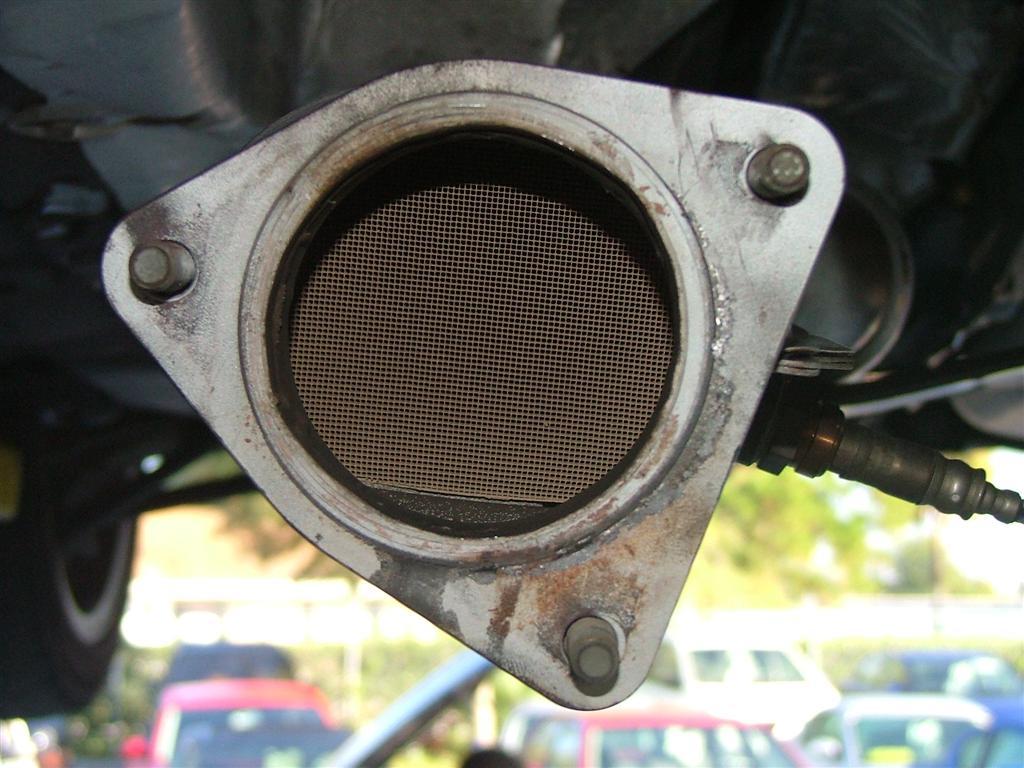
The catalytic converter is a metal box in your exhaust system. Its job is to change toxic gases into safer ones before they exit the tailpipe. Over time, it can become clogged by carbon, oil, or coolant leaks. A failing converter cannot process hydrogen sulfide, so the gas escapes as a rotten egg smell.
- Signs of failure: Rattling noises, reduced engine power, poor fuel economy, and the check engine light.
- Repair cost: Replacing a catalytic converter can be expensive—usually between $800 and $2,500, depending on the car model.
Bad Fuel Pressure Regulator
The fuel pressure regulator controls how much fuel enters the engine. If it breaks, too much fuel can flood the engine, making it run “rich.” This leads to extra hydrogen sulfide in the exhaust.
- Signs of failure: Trouble starting, black smoke from the tailpipe, engine misfires, and poor acceleration.
- Repair tip: Sometimes, a mechanic can fix a regulator, but often it needs replacement.
Worn-out Oxygen Sensors
Oxygen sensors measure how much oxygen is in the exhaust. They help the car’s computer balance the fuel and air mix. Broken sensors can trick the engine into using too much fuel.
- Signs of failure: Check engine light, worse gas mileage, and failed emissions tests.
- Repair tip: Sensors are cheaper to replace than a catalytic converter, so check them first.
Old Or Contaminated Fuel
If you fill up with low-quality or old gasoline, it can contain more sulfur. This is rare with today’s strict fuel standards, but not impossible, especially with fuel from less-regulated sources.
- Signs of failure: Engine runs rough, poor performance, and the smell appears soon after refueling.
- Repair tip: Use up the bad fuel and refill at a trusted station.
Clogged Fuel Filter Or Injectors
Over time, dirt and debris can block the fuel filter or fuel injectors, causing an uneven fuel mix. This increases the risk of incomplete combustion and sulfur gas.
- Signs of failure: Engine stalling, poor acceleration, and rough idling.
- Repair tip: Regular maintenance can prevent these issues.
Transmission Fluid Leaks
In some older cars, transmission fluid can leak into the engine due to a bad gasket or seal. When it burns, it can create a rotten egg smell. This is less common, but still possible.
- Signs of failure: Transmission slipping, red fluid spots under the car, and gear shifting problems.
- Repair tip: Fixing the leak and changing the fluid usually stops the smell.

Credit: www.yourmechanic.com
Table: Common Causes And Warning Signs
Below is a summary of each major cause and the warning signs you might notice.
| Cause | Warning Signs | Repair Needed |
|---|---|---|
| Faulty Catalytic Converter | Rattling, poor power, check engine light | Replacement |
| Bad Fuel Pressure Regulator | Black smoke, engine misfire, hard start | Repair/Replace |
| Worn-Out Oxygen Sensors | Check engine light, poor MPG | Replace sensors |
| Old/Contaminated Fuel | Rough running, smell after refuel | Use quality fuel |
| Clogged Fuel Filter/Injectors | Stalling, poor acceleration | Replace/Clean parts |
| Transmission Fluid Leak | Fluid spots, shifting issues | Fix leak, change fluid |
How To Fix Rotten Egg Smell From Your Car
The right fix depends on the cause. Here’s what you can do:
Replace The Catalytic Converter
If the converter is blocked or melted, you must replace it. A mechanic will check for damage and fit a new part. This will usually remove the smell immediately.
Replace Oxygen Sensors
If the sensors are old or broken, replacing them will help the engine use the right amount of fuel and air. This can fix both the smell and other engine problems.
Clean Or Replace Fuel System Parts
Dirty fuel filters or injectors can be cleaned or replaced. This improves how your engine burns fuel and can stop the odor.
Fix Transmission Fluid Leaks
If a leak is found, the damaged seal or gasket must be replaced. The mechanic will also flush and refill the transmission fluid.
Use High-quality Fuel
If you think bad gas is the cause, refill with top-tier gasoline from a trusted station. Some drivers add a fuel system cleaner, but always check your car’s manual first.
Regular Car Maintenance
Stay up-to-date with oil changes, fuel filter replacements, and emissions checks. These simple steps prevent most causes of rotten egg smell.
Table: Repair Costs Comparison
Here’s a look at average repair costs for each fix:
| Repair | Average Cost (USD) | Time Needed |
|---|---|---|
| Catalytic Converter Replacement | $800 – $2,500 | 2-4 hours |
| Oxygen Sensor Replacement | $150 – $400 | 30-60 minutes |
| Fuel Filter Replacement | $50 – $175 | 30-60 minutes |
| Fuel Injector Cleaning | $70 – $120 | 1-2 hours |
| Transmission Fluid Leak Repair | $150 – $350 | 1-3 hours |
Non-obvious Insights Most Drivers Miss
- Short Trips Can Make It Worse: If you only drive short distances, your catalytic converter may not get hot enough to burn off deposits. Try to drive your car on the highway regularly for at least 20 minutes to keep the exhaust system clean.
- Aftermarket Parts Can Cause Smells: Cheap or poorly fitted aftermarket catalytic converters sometimes fail early or never work well. Always choose quality parts that fit your car’s exact model.
- Ignoring the Smell Hurts Resale Value: If you plan to sell your car, a persistent odor can scare away buyers and lower your car’s price. It also shows you did not maintain your vehicle.
- Not All Rotten Egg Smells Come from the Exhaust: Sometimes, electrical problems like a short circuit in the battery can produce a sulfur smell, though this is rare. If you suspect this, get your car checked immediately.
Credit: www.youtube.com
How To Prevent Rotten Egg Smell In The Future
Prevention is always better than cure. Here are some practical tips:
- Use high-quality fuel and avoid gas stations with a bad reputation.
- Follow the maintenance schedule in your car’s manual for fuel filters, oxygen sensors, and the exhaust system.
- Listen and smell for changes in your car’s behavior. Address problems early.
- Take longer drives sometimes to keep the catalytic converter clean.
- Never ignore warning lights. They often appear before you notice smells or performance drops.
Table: Prevention Checklist
| Prevention Step | How Often |
|---|---|
| Use quality fuel | Every fill-up |
| Replace fuel filter | Every 30,000 miles |
| Replace oxygen sensors | Every 60,000-90,000 miles |
| Emission system check | Yearly |
| Longer highway drive | Monthly |
Credit: carfromjapan.com
Frequently Asked Questions
What Causes The Rotten Egg Smell In My Car?
The rotten egg smell is usually caused by a failing catalytic converter, rich fuel mixture, or bad oxygen sensors. It is the result of hydrogen sulfide gas in the exhaust that is not being processed properly.
Is It Safe To Drive With The Smell?
It’s best to avoid driving until the problem is checked. The smell means your car is not running correctly, which can damage the engine or exhaust system if ignored.
Can I Fix The Smell Myself?
Some basic tasks, like changing the fuel filter or using quality fuel, can be done at home. However, most causes, like a bad catalytic converter, need a trained mechanic.
Will The Smell Go Away On Its Own?
Usually not. The odor points to a problem that will not fix itself. Ignoring it can make the repair more expensive.
Does This Problem Affect All Car Types?
Yes, all cars with a catalytic converter can develop this smell. It is more common in older cars or those that skip regular maintenance. For more technical information, check this Wikipedia page.
A rotten egg smell from your car is never normal. It signals that your car needs attention. By understanding the causes and acting quickly, you can avoid bigger problems and keep your car running safely and smoothly. Don’t wait—let your nose be your early warning system and protect your investment.