
Getting a driver’s license is a big step for anyone, but for new drivers, picking the right car is just as important as learning the rules of the road. Not all vehicles are created equal when it comes to safety, and the first car someone drives can make a huge difference. With more distractions, less experience, and higher accident rates, new drivers need every advantage they can get. Choosing one of the safest cars can help protect them and give their families peace of mind.
The market offers many options, but some cars stand out because of their advanced safety features, strong crash-test ratings, and reliable handling. In this guide, you’ll discover the top choices for new drivers, what makes a car safe, and how to avoid common mistakes when picking a first vehicle.
If you want to understand the key differences between these cars, you’ll find helpful data tables too. Let’s explore how to make driving safer from day one.
What Makes A Car Safe For New Drivers?
For new drivers, safety is more than just airbags and seatbelts. The best cars combine active safety technology with smart design. Here’s what to look for:
- Crash test ratings: Trusted sources like the IIHS and NHTSA publish results that show how well cars protect passengers.
- Standard safety features: Look for cars with automatic emergency braking, lane-keeping assist, blind-spot monitoring, and rearview cameras.
- Easy handling: New drivers are less experienced with sudden stops or tricky maneuvers. Cars with good visibility, simple controls, and responsive braking are important.
- Low power: High horsepower can tempt young drivers to speed. A moderate engine helps them stay in control.
- Affordable repairs: Accidents can happen. Cars with lower repair costs and good reliability reduce stress and expenses.
Non-obvious insight: Weight matters. Heavier cars usually protect better in crashes, but very large vehicles can be hard to handle. Compact or midsize sedans and small SUVs often strike the best balance.
Top 10 Safest Cars For New Drivers
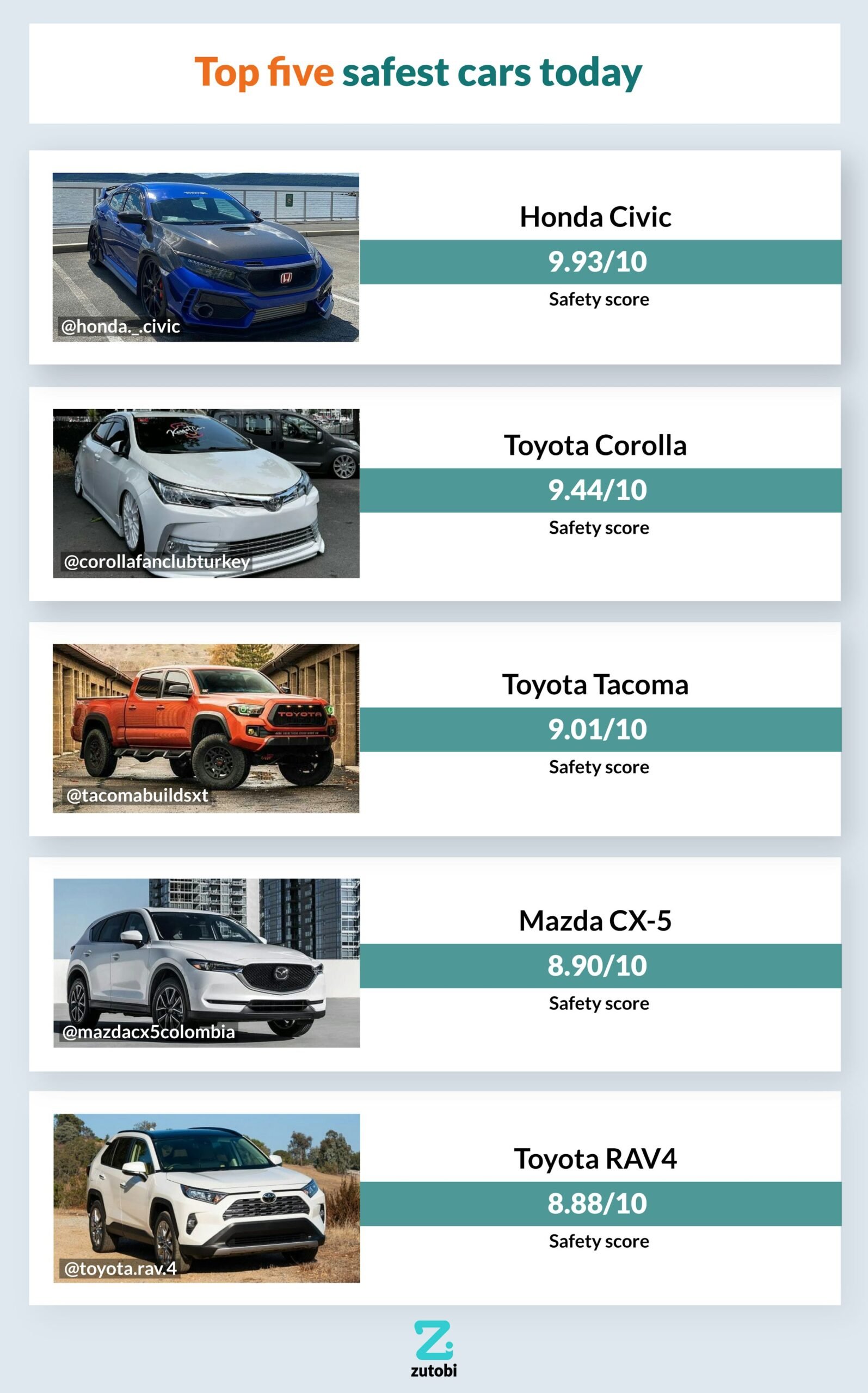
These cars are chosen based on crash test results, safety technology, and real-world reliability. All are widely available and have reasonable maintenance costs, making them practical first cars.
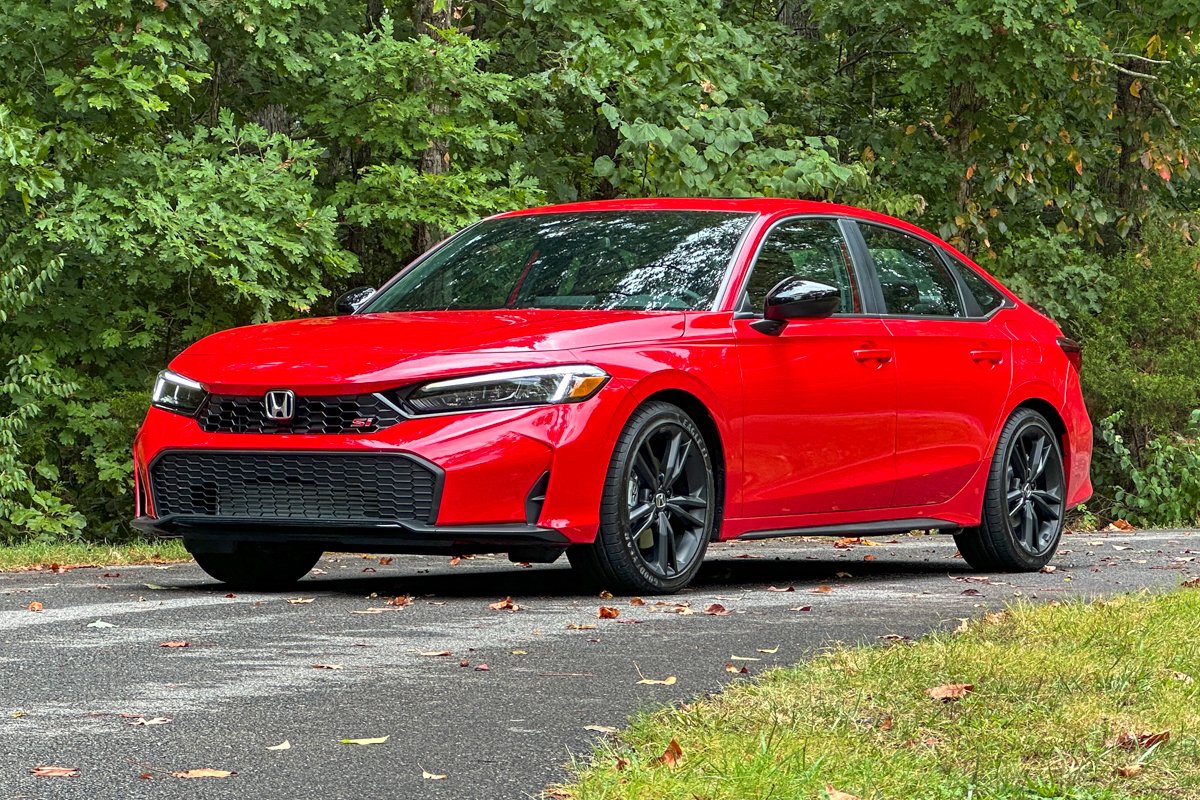
1. Honda Civic
The Honda Civic is a longtime favorite for its mix of safety, value, and easy driving. Recent models (especially 2018 and newer) include Honda Sensing—an advanced safety suite with collision mitigation braking, adaptive cruise control, and lane-keep assist.
Insurance data shows Civics have low accident rates among teens compared to sporty alternatives. Its compact size helps with city parking and visibility.
2. Toyota Corolla
The Toyota Corolla is known for rock-solid reliability and strong crash-test results. Every new Corolla comes standard with Toyota Safety Sense, which includes pre-collision warning, pedestrian detection, and lane departure alert.
The 2023 model received the IIHS Top Safety Pick+ award. Maintenance is simple, and repair costs are low.
3. Subaru Impreza
Subaru’s Impreza stands out for its standard all-wheel drive, which gives extra grip in rain and snow. The EyeSight system adds adaptive cruise control and automatic emergency braking.
Unlike some rivals, the Impreza’s visibility is excellent, and the controls are simple—ideal for beginners.
4. Mazda3
The Mazda3 gets high marks for its nimble handling and full set of airbags. Newer models have Smart Brake Support and lane-keep assist as standard. The structure is designed to absorb impacts well.
Insurance rates are reasonable, and the car’s small size makes it less intimidating for new drivers.
5. Hyundai Elantra
The Hyundai Elantra offers strong value, with lots of safety features at a lower price. Forward collision-avoidance assist and driver attention warning come standard.
Elantra’s design gives clear sightlines, and the controls are simple. It’s also one of the more affordable cars to insure for new drivers.
6. Kia Forte
Kia’s Forte has improved a lot in recent years. Automatic emergency braking, lane keeping, and driver attention warning are now standard.
It’s often chosen by parents for teens because of its affordable price, high safety scores, and long warranty. The ride is comfortable but not too sporty.
7. Volkswagen Jetta
The Volkswagen Jetta combines European safety standards with a smooth ride. Front Assist (automatic braking) and blind-spot monitoring are included on most trims.
Jetta’s cabin is roomy, which helps in side-impact protection. Used models are widely available at good prices.
8. Honda Accord
The Honda Accord is a midsize sedan with excellent crash ratings. Honda Sensing comes standard on 2018+ models. The Accord is heavier than the Civic, which can help in some collisions.
Even though it’s a bit larger, it’s still easy to drive and has a reputation for reliability.
9. Toyota Camry
The Toyota Camry matches the Accord in safety features and reliability. It’s a favorite among families for its strong structure and advanced driver aids.
The Camry’s resale value is also high, so it can be a smart investment for new drivers.
10. Subaru Outback
The Subaru Outback is a small SUV with the same EyeSight safety system as the Impreza, but with more ground clearance. It’s a good choice for new drivers in snowy or rural areas.
Visibility is excellent, and the Outback’s size helps in crashes without feeling hard to handle.
Credit: www.cargurus.com
Comparing Key Safety Features
To see how these cars compare, here’s a look at which standard features you’ll find on each model:
| Car | Auto Emergency Braking | Lane Keep Assist | Blind Spot Monitor | Rearview Camera |
|---|---|---|---|---|
| Honda Civic | Yes | Yes | Optional | Yes |
| Toyota Corolla | Yes | Yes | Optional | Yes |
| Subaru Impreza | Yes | Yes | Optional | Yes |
| Mazda3 | Yes | Yes | Optional | Yes |
| Hyundai Elantra | Yes | Yes | Optional | Yes |
| Kia Forte | Yes | Yes | Optional | Yes |
| Volkswagen Jetta | Yes | Optional | Yes | Yes |
| Honda Accord | Yes | Yes | Optional | Yes |
| Toyota Camry | Yes | Yes | Optional | Yes |
| Subaru Outback | Yes | Yes | Yes | Yes |
Non-obvious insight: Blind-spot monitoring is often only on higher trims or as an option. For new drivers, it’s worth paying extra for this feature.
Crash Test Ratings Overview
Crash test ratings give an unbiased look at how cars protect in real accidents. Here’s a summary of recent scores for these models from the IIHS and NHTSA:
| Car | IIHS Rating | NHTSA Stars | Year Tested |
|---|---|---|---|
| Honda Civic | Top Safety Pick | 5 | 2023 |
| Toyota Corolla | Top Safety Pick+ | 5 | 2023 |
| Subaru Impreza | Top Safety Pick | 5 | 2023 |
| Mazda3 | Top Safety Pick | 5 | 2023 |
| Hyundai Elantra | Top Safety Pick | 5 | 2023 |
| Kia Forte | Good | 4 | 2023 |
| Volkswagen Jetta | Good | 5 | 2023 |
| Honda Accord | Top Safety Pick+ | 5 | 2023 |
| Toyota Camry | Top Safety Pick+ | 5 | 2023 |
| Subaru Outback | Top Safety Pick+ | 5 | 2023 |
Tip: Always check the specific year and trim level. Safety equipment can change from one year to the next.
Credit: www.consumerreports.org
Common Mistakes When Choosing A Safe First Car
- Prioritizing looks over safety: Many new drivers want a sporty appearance, but these cars often lack safety features and have higher insurance costs.
- Skipping advanced safety options: Some buyers think they’ll “never need” features like lane-keep assist. In reality, these systems can make a big difference for inexperienced drivers.
- Ignoring crash test ratings: Not all cars are equally protective. Always look up the IIHS and NHTSA results before deciding.
- Choosing too large or too small: Very large SUVs or trucks are hard for new drivers to park and control. Very small cars can be less protective in crashes.
- Not budgeting for insurance: Some cars with good safety records still cost more to insure, especially if they have a turbo engine or are considered sporty.
- Forgetting about visibility: High window lines or thick pillars can create blind spots, making accidents more likely.
Experience-based tip: Bring the new driver to test-drive the car. Let them try parking, using the controls, and checking blind spots. A car that feels safe to you may feel overwhelming to them.
Used Vs. New: Which Is Safer?
Buying new gets you the latest safety features, but a well-chosen used car can be just as safe and much less expensive. Look for used models from the last 5 years—these often have modern driver aids and better crash structures.
Hidden risk: Some used cars may have been in accidents or had safety recalls not fixed. Always check the vehicle history and ask for recall repair records.
Credit: zutobi.com
Real-world Costs For Safe Cars
Safety is important, but so is affordability. Here’s what to expect for ownership costs:
- Insurance: Cars like the Civic, Corolla, and Elantra usually have lower premiums for young drivers.
- Maintenance: Japanese brands (Toyota, Honda, Subaru) are known for low repair bills.
- Resale value: Models with high safety scores keep their value better, saving money if you upgrade later.
Why Advanced Driver Assistance Systems Matter
Features like automatic emergency braking and lane departure warning don’t just help in emergencies—they reduce accidents by up to 50%, according to the IIHS. These systems watch for danger and react faster than a human can.
Key point: Even skilled drivers get distracted or tired. These technologies add a layer of protection, especially for those still building experience.
For more data on how these technologies affect accident rates, see the IIHS official site.
Frequently Asked Questions
Why Are Some Cars Safer For New Drivers Than Others?
Some cars are designed with new drivers in mind. They have better visibility, easier controls, and standard safety technology. High crash-test ratings and features like automatic braking make a big difference for less experienced drivers.
Are Suvs Safer Than Sedans For New Drivers?
Not always. While SUVs are heavier and can protect better in crashes, they can be harder to handle and park. Compact SUVs like the Subaru Outback offer a good balance, but avoid very large trucks or SUVs for beginners.
Should I Buy A Car With Advanced Driver Assistance Systems?
Yes, if possible. Features like automatic emergency braking, lane-keep assist, and blind-spot monitoring have been proven to reduce accidents. They’re especially valuable for new drivers who may not react as quickly.
Is It Better To Buy New Or Used For Safety?
Both can be safe if you choose carefully. New cars have the latest tech, but recent used cars (within 5 years) can offer nearly the same protection at a lower price. Always check crash ratings and service records.
What Is The Single Most Important Safety Feature For A New Driver?
There isn’t just one, but automatic emergency braking is a standout. It can prevent or reduce the severity of many common accidents, especially rear-end collisions, which are frequent among new drivers.
—
Choosing the right car for a new driver is one of the best ways to protect them as they learn. Focus on proven safety, not just style or price. Test-drive, compare features, and look up real crash data. With the right vehicle, the road ahead will be much safer for everyone.