
Replacing spark plugs might sound like a job for a mechanic, but with the right guidance, most car owners can do it themselves. Changing your spark plugs not only saves you money, but also keeps your engine running smoothly, improves fuel efficiency, and helps avoid bigger problems down the road.
If you want to learn how to replace spark plugs, what tools you need, and what to watch out for, this guide will walk you through everything step by step.
What Are Spark Plugs And Why Do They Matter?
Spark plugs are small but essential parts of your car’s engine. They create the spark that ignites the air-fuel mixture in your engine cylinders. Without working spark plugs, your car won’t start or run properly. Over time, spark plugs wear out. Old or dirty plugs can lead to rough idling, poor acceleration, and higher fuel use.
A healthy spark plug helps your engine:
- Start easily
- Run smoothly
- Use less fuel
- Produce fewer emissions
On average, spark plugs last 30,000 to 100,000 miles, depending on the type and your car model. It’s smart to check your owner’s manual for the recommended replacement interval.
Signs Your Spark Plugs Need Replacing
How do you know when it’s time to change your spark plugs? Here are some common signs:
- Engine Misfires: The engine may hesitate, shake, or make odd noises.
- Trouble Starting: Longer cranking times or failure to start can signal plug issues.
- Poor Fuel Economy: Worn plugs make your engine work harder and burn more fuel.
- Rough Idling: The car shakes or vibrates when stopped.
- Loss of Power: Acceleration feels weak or sluggish.
- Check Engine Light: Sometimes, a bad spark plug triggers this warning.
If you notice any of these symptoms, inspect your spark plugs soon.
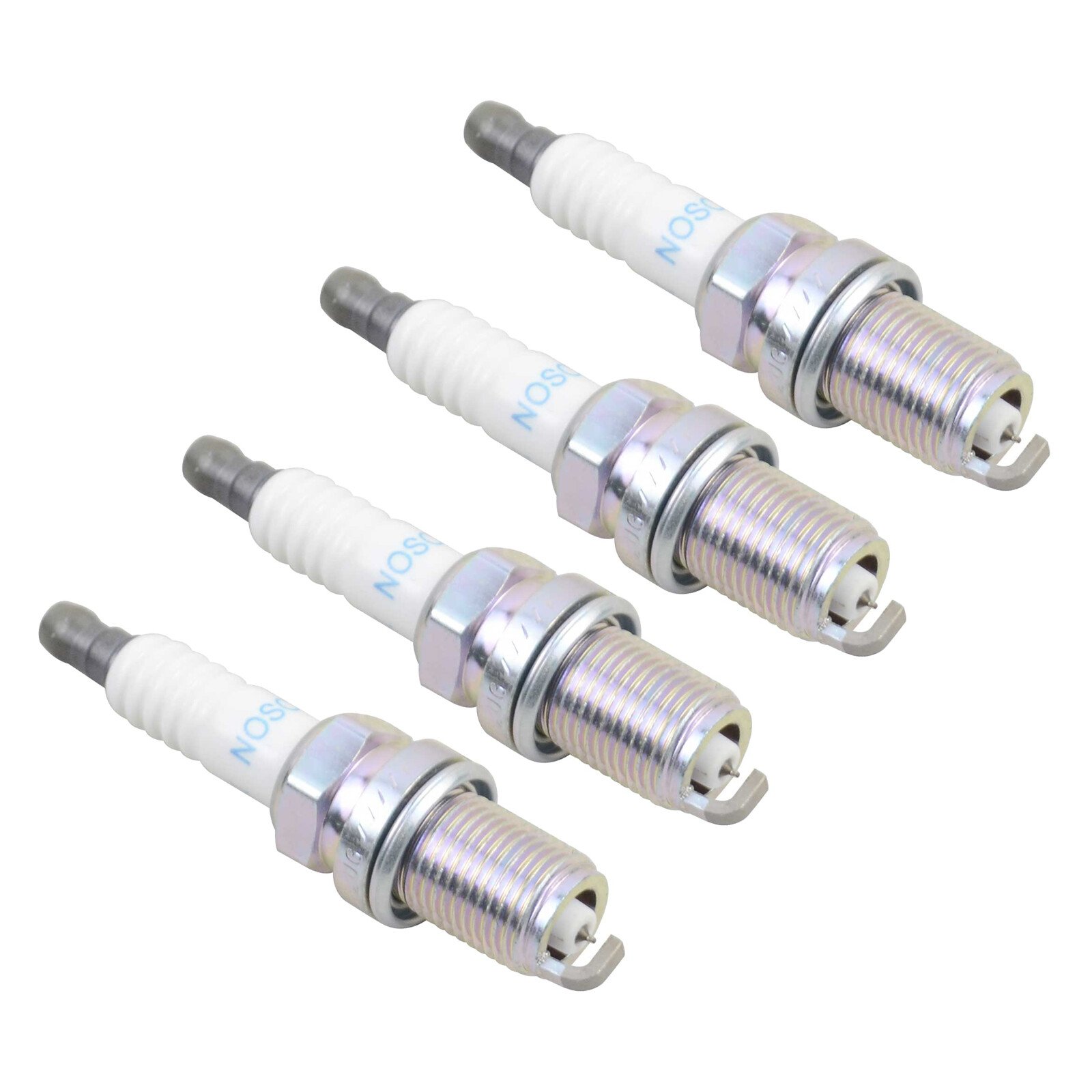
Credit: www.stephanedeneve.com
Tools And Parts You’ll Need
Before you start, gather these items:
- New spark plugs (correct type for your car)
- Spark plug socket (usually 5/8″ or 13/16″)
- Ratchet wrench (with extension)
- Spark plug gap gauge (for checking gap size)
- Torque wrench (to tighten plugs to the right setting)
- Compressed air (optional, for cleaning)
- Anti-seize compound (optional, for easy removal next time)
- Dielectric grease (optional, prevents moisture in boots)
- Gloves and safety glasses (for protection)
It’s important to buy the right spark plugs for your engine. Check your owner’s manual or ask at an auto parts store.
How To Replace Spark Plugs: Step-by-step
Let’s get started. Take your time and follow each step carefully.
1. Prepare Your Work Area
- Park your car on a flat surface.
- Let the engine cool completely.
- Open the hood and disconnect the negative battery cable to prevent accidents.
2. Locate The Spark Plugs
Spark plugs are usually found on top or side of the engine in a straight line or “V” shape. Modern cars often have a plastic engine cover you must remove first.
3. Remove The Spark Plug Wires Or Coils
If your engine uses wires:
- Grip the boot (not the wire) and gently twist while pulling up.
If your car has coil-on-plug systems:
- Unbolt and disconnect the coil packs.
Label each wire or coil so you remember where each one goes.
4. Clean The Area
Use compressed air to blow away dirt around the spark plugs. This helps prevent debris from falling into the cylinder.
5. Remove Old Spark Plugs
- Insert the spark plug socket and extension.
- Turn counterclockwise to loosen and remove each plug.
- Pull the plug out gently.
Check the old plug for oil, carbon, or damage. This can tell you about your engine’s health.
6. Check And Adjust Spark Plug Gap
Using a gap gauge, measure the gap at the tip of each new spark plug. The correct gap is in your car’s manual. Adjust gently if needed.
Tip: Many plugs now come pre-gapped, but always double-check.
7. Install New Spark Plugs
- Apply a tiny bit of anti-seize to the threads (if not pre-coated).
- Insert the new plug carefully by hand, turning clockwise.
- Use the torque wrench to tighten to the recommended setting (usually 18–25 Nm).
Over-tightening can crack the plug or damage the threads.
8. Reconnect Wires Or Coils
- If you removed wires, push each boot firmly onto the new plug.
- For coil packs, reconnect and bolt them back.
Add a dab of dielectric grease inside each boot for better connection and moisture resistance.
9. Reassemble And Test
- Replace the engine cover.
- Reconnect the battery.
- Start the engine and listen for smooth idling.
If the engine runs rough or the check engine light appears, double-check your work.
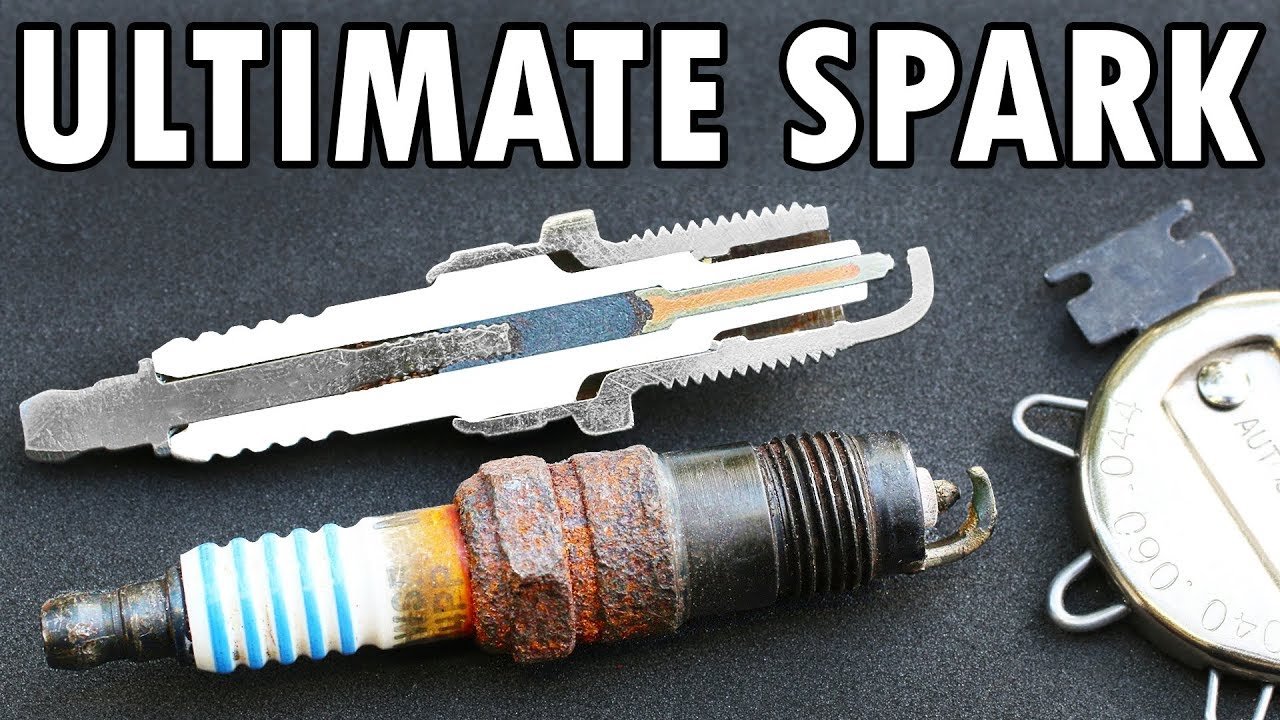
Credit: www.youtube.com
Spark Plug Types: Which Should You Choose?
There are several types of spark plugs. Each has its own strengths:
| Spark Plug Type | Material | Average Lifespan | Key Benefit |
|---|---|---|---|
| Copper | Copper core | 20,000–30,000 miles | Low cost, good for older engines |
| Platinum | Platinum tip | 60,000 miles | Longer life than copper |
| Double Platinum | Platinum on both electrodes | 100,000 miles | Best for wasted spark systems |
| Iridium | Iridium tip | Up to 100,000 miles | Most durable, best for modern cars |
For most modern vehicles, iridium or double platinum plugs offer the best blend of performance and longevity. Copper is usually best for older engines.
Cost Of Spark Plug Replacement
Replacing spark plugs yourself is cost-effective. Here’s a comparison:
| Replacement Method | Estimated Cost (USD) | Includes |
|---|---|---|
| DIY | $20–$100 | Spark plugs, basic tools |
| Professional Mechanic | $100–$300 | Parts, labor |
DIY saves you a lot, especially if you already own the tools.
Credit: www.youtube.com
Common Mistakes To Avoid
Many first-timers make the same errors. Here’s how to avoid them:
- Forgetting to check the gap: Even “pre-gapped” plugs can be off.
- Mixing up wires or coils: Label everything before unplugging.
- Over-tightening: This can crack the ceramic or strip threads.
- Installing the wrong plugs: Always use the correct type and heat range.
- Skipping anti-seize and dielectric grease: These help with future removal and prevent misfires.
- Dropping debris in the cylinder: Clean the area before removing plugs.
Missing any of these steps can lead to poor engine performance or costly repairs.
Practical Tips For Success
- Change plugs one at a time. This prevents mix-ups.
- Keep track of plug order. Number wires or coils with tape.
- Inspect old plugs. Oil or damage can signal bigger engine problems.
- Use the right socket. A spark plug socket has a rubber insert to grip the plug safely.
- Hand-tighten first. Always start threading by hand to avoid cross-threading.
- Check torque. Use a torque wrench for best results.
If you feel unsure, ask an experienced friend or a mechanic for help. Watching a video for your specific car model can also be very helpful.
When To Let A Professional Handle It
While most spark plug changes are simple, some engines are more complicated. You may need a pro if:
- Plugs are hard to reach (under intake manifold, for example)
- You lack the right tools or experience
- Your engine shows signs of bigger problems (oil on plugs, severe misfiring)
- The spark plugs have seized or won’t turn
In these cases, it’s safer (and sometimes cheaper) to let a mechanic do the job.
Troubleshooting After Spark Plug Replacement
If you notice issues after changing the plugs, here’s what to check:
- Engine misfires or runs rough: Check that wires/coils are connected tightly and in the correct order.
- Engine won’t start: Double-check installation, plug type, and battery connection.
- Check engine light: Scan for error codes. Often, it’s a loose wire or misfire.
- Unusual noises: Remove and inspect the plugs for cracks or incorrect gap.
If problems persist, consider visiting a trusted mechanic.
Environmental Benefits Of Timely Spark Plug Replacement
Many people don’t realize that new spark plugs help the environment. Worn plugs make your engine burn more fuel and release more carbon monoxide and hydrocarbons. Keeping your plugs fresh helps your car pass emissions tests and reduces your carbon footprint.
Non-obvious Insights Most Beginners Miss
- Heat Range Matters: Spark plugs have different heat ranges. Using the wrong heat range can cause engine knocking or fouling. Always match the heat range to your engine’s needs—this info is in your manual or on the old plug.
- Thread Reach Is Critical: Some engines require longer or shorter threads. Using plugs with the wrong thread reach can damage the engine head or cause poor combustion.
Many beginners overlook these details, leading to performance issues even after changing the plugs.
How Often Should You Replace Spark Plugs?
How often you change spark plugs depends on the type and your driving conditions. Here’s a quick guide:
| Spark Plug Type | Recommended Interval |
|---|---|
| Copper | Every 20,000–30,000 miles |
| Platinum | Every 60,000 miles |
| Iridium | Every 100,000 miles |
If you drive mostly short trips or in dusty conditions, check and replace your plugs more often.
Where To Find More Information
If you want to dive deeper, you can visit the official Wikipedia Spark Plug Page for a technical look at spark plug design, history, and function.
Frequently Asked Questions
What Happens If I Don’t Replace My Spark Plugs?
Old spark plugs can cause poor fuel economy, hard starting, engine misfires, and increased emissions. In severe cases, they can damage the engine or catalytic converter.
Can I Change Spark Plugs Myself With Little Experience?
Yes, most car owners can change spark plugs with basic tools and patience. Just follow the steps carefully and use the right parts for your car.
How Do I Know Which Spark Plugs To Buy?
Check your car’s owner’s manual or ask at an auto parts store. You need the correct size, heat range, and material for your engine.
Should I Replace All Spark Plugs At Once?
It’s best to change all spark plugs at the same time. This ensures even performance and makes future maintenance easier.
Can Changing Spark Plugs Improve Fuel Economy?
Yes, new spark plugs help the engine burn fuel more efficiently, which can boost your mileage and lower emissions.
Changing your spark plugs is a smart way to keep your car running well and save money on repairs. With a little effort and attention to detail, you can handle this job confidently and enjoy smoother, more efficient driving.